Samsung Elevates Wear OS Software Support to Five Years for Galaxy Watch 9 and Watch Ultra 2

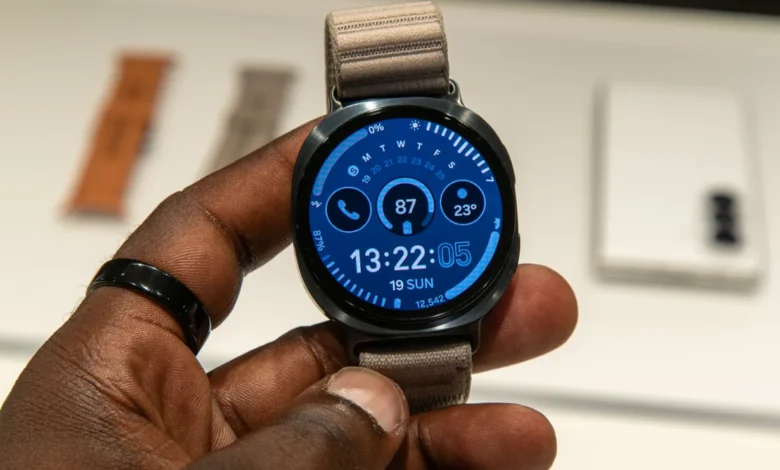
Samsung has significantly enhanced its commitment to product longevity and user experience by announcing an extended software support policy for its newly unveiled Galaxy Watch 9 and Galaxy Watch Ultra 2. During the highly anticipated Galaxy Unpacked event held in London on July 22, the technology giant confirmed that these latest smartwatches will now receive five major Wear OS upgrades alongside five years of comprehensive security updates. This move places Samsung at the forefront of the Android smartwatch market regarding software longevity, setting a new benchmark for competitor devices and reinforcing its position as a leader in the wearables segment.
The announcement, though not a central focus of the keynote, represents a crucial strategic development for Samsung’s wearable ecosystem. Traditionally, Samsung had offered four major Wear OS upgrades and five years of security updates for its previous Galaxy Watch models. This latest policy adds an additional year of major operating system upgrades, ensuring that the Galaxy Watch 9 and Galaxy Watch Ultra 2 will remain current, secure, and feature-rich for an extended period, potentially until Wear OS 12, given their launch with One UI 9 based on Wear OS 7.
The Evolution of Wear OS and Samsung’s Strategic Pivot
To fully appreciate the significance of this policy shift, it’s essential to understand the journey of Wear OS and Samsung’s pivotal role in its recent resurgence. Google’s Wear OS platform, while promising, had struggled with fragmentation, inconsistent performance, and a lack of compelling applications for several years. This led many manufacturers, including Samsung, to explore proprietary operating systems. Samsung, for instance, had developed its highly regarded Tizen OS for its Galaxy Watch line, known for its efficiency and unique rotating bezel interface.
However, in a landmark collaboration announced in 2021, Samsung and Google decided to merge their smartwatch operating systems. This partnership resulted in Wear OS 3, a unified platform that combined the best elements of Tizen with Google’s Wear OS. The first devices to benefit from this collaboration were the Galaxy Watch 4 series, marking Samsung’s return to the Google-backed platform and injecting much-needed momentum into Wear OS. This strategic pivot proved immensely successful, revitalizing the platform and attracting renewed developer interest. Since then, subsequent iterations like Wear OS 4 (launching with the Pixel Watch 2) and now Wear OS 7 (with the Galaxy Watch 9 and Ultra 2) have continued to build on this foundation, introducing performance improvements, new health tracking features, and refined user interfaces. Samsung’s commitment to Wear OS has been instrumental in establishing it as a credible alternative to Apple’s watchOS.
The Galaxy Unpacked event itself serves as a crucial backdrop for these announcements. While the foldable phones – the Galaxy Z Fold 8 series – typically command the lion’s share of attention, the accompanying smartwatch launches are integral to Samsung’s broader ecosystem strategy. Smartwatches are no longer mere accessories; they are critical components in a connected lifestyle, offering health monitoring, notifications, contactless payments, and smart home control directly from the wrist. By improving the longevity of these devices, Samsung is not only enhancing their individual value but also strengthening the appeal of its entire connected ecosystem.
Setting a New Industry Benchmark: A Comparative Analysis
Samsung’s updated software policy stands out starkly when compared to its primary competitors in the Android wearable space. Google, the developer of Wear OS, currently offers only three years of software updates for its Pixel Watch lineup. This disparity is particularly noteworthy, as the platform’s steward provides less extended support than one of its key hardware partners. This move by Samsung places considerable pressure on Google and other Wear OS manufacturers to re-evaluate and potentially extend their own support timelines to remain competitive.
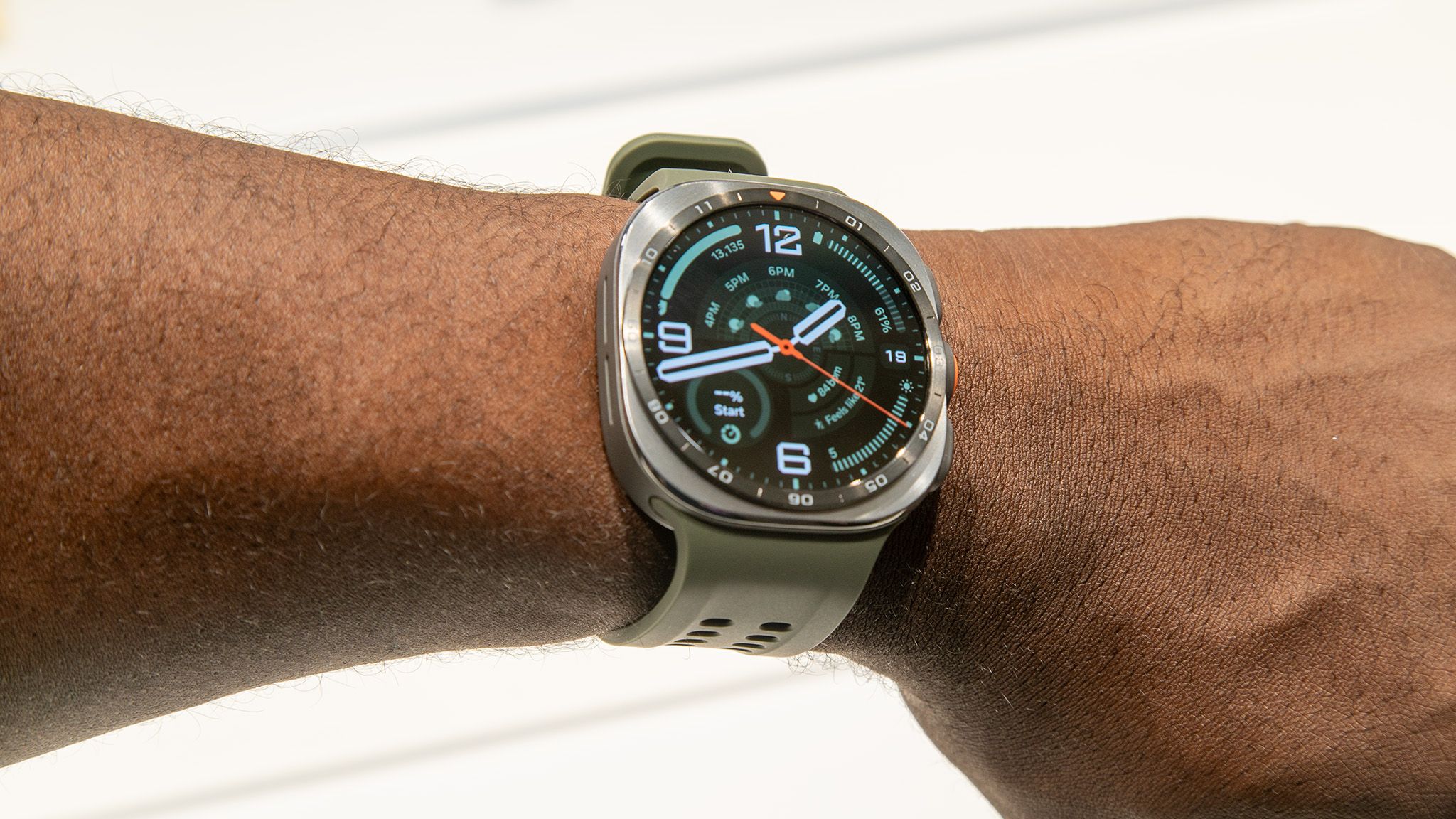
Apple, the dominant player in the global smartwatch market with its Apple Watch, has a more nuanced approach to software support. While Apple does not formally declare a fixed number of years for major OS updates for its smartwatches, historical data suggests that Apple Watch models typically receive watchOS updates for five to seven years. For example, the Apple Watch Series 3, released in 2017, received watchOS updates until 2022. However, this support often comes with performance limitations on older hardware. Samsung’s explicit five-year major OS upgrade commitment, coupled with five years of security updates, offers a clear and transparent promise to consumers that, in some ways, surpasses even Apple’s implicit longevity, particularly within the Android sphere.
The previous generation of Galaxy Watches offered four major Wear OS upgrades and five years of security patches. The extension to five major OS upgrades for the Galaxy Watch 9 and Ultra 2 represents a 25% increase in the guaranteed operating system update cycle, further solidifying Samsung’s leadership in this aspect within the Android ecosystem. This commitment directly translates to greater value for consumers, who can now expect their premium smartwatch investment to remain technologically relevant and secure for a significantly longer duration.
The Hardware Foundation: Powering Longevity with Snapdragon Wear Elite
The extended software support is not merely a policy decision; it is deeply rooted in significant hardware advancements. The new Galaxy Watch 9 and Galaxy Watch Ultra 2 are powered by Qualcomm’s latest Snapdragon Wear Elite chipset. This new processor is built on an advanced 3nm manufacturing process, a substantial leap forward from previous generations.
The 3nm process technology is critical for several reasons. Firstly, it allows for a higher transistor density, enabling more powerful computing capabilities within the same or even smaller physical footprint. Secondly, and perhaps more importantly for wearables, it drastically improves power efficiency. Qualcomm claims that the Snapdragon Wear Elite delivers up to 32% better performance compared to its predecessor. This combination of increased performance and enhanced power efficiency is fundamental to supporting a longer software lifecycle.
A more powerful and efficient chipset ensures that the device can comfortably handle future Wear OS iterations, which are likely to introduce more demanding features, improved graphics, and advanced AI capabilities. Older, less powerful hardware often struggles with newer software versions, leading to sluggish performance, reduced battery life, and a diminished user experience. By equipping its latest watches with cutting-edge silicon, Samsung is proactively addressing these challenges, guaranteeing that the Galaxy Watch 9 and Ultra 2 can deliver a smooth and responsive experience throughout their extended support period. The larger batteries across both models, another key upgrade mentioned during the launch, also complement the efficient chipset, contributing to overall improved endurance and a more robust foundation for long-term use.
Inferred Statements and Strategic Motivations
While Samsung did not explicitly elaborate on the extended software policy during the Galaxy Unpacked keynote, the decision can be logically inferred as a strategic move driven by several factors. Firstly, it aligns with a growing industry trend towards greater sustainability and product longevity. Consumers are increasingly aware of electronic waste and are demanding products that last longer, reducing the frequency of upgrades. By extending software support, Samsung is appealing to environmentally conscious consumers and reinforcing its own corporate social responsibility initiatives.
Secondly, this move serves as a powerful differentiator in a highly competitive market. In an era where hardware innovations can sometimes feel incremental, extended software support offers a clear, tangible benefit that directly impacts the value proposition for the consumer. It enhances customer loyalty and provides a compelling reason to choose a Samsung Galaxy Watch over competing devices, especially those with shorter update guarantees.
Furthermore, it strengthens Samsung’s broader ecosystem play. As users become more integrated into the Samsung ecosystem – encompassing smartphones, tablets, smartwatches, and other connected devices – the longevity of each component becomes more critical. A smartwatch that remains functional and updated for five years ensures that users stay within the Samsung fold for longer, increasing opportunities for cross-device sales and service subscriptions. This also contributes to a more consistent and reliable user experience across Samsung’s product range. The implicit message from Samsung is a commitment to providing a premium experience that endures, fostering trust and long-term customer relationships.
Broader Impact and Implications for the Smartwatch Market
The decision by Samsung to extend software support for its latest smartwatches carries significant implications for consumers, the broader smartwatch market, and the future trajectory of wearable technology.
Consumer Benefits:
- Enhanced Value for Money: For consumers investing $380 for the Galaxy Watch 9 or $700 for the Galaxy Watch Ultra 2, a five-year software commitment significantly extends the device’s usable lifespan, offering better return on investment. Users can expect to receive new features, performance enhancements, and critical security patches for half a decade.
- Improved Security: Consistent security updates are paramount in a connected world. Extended security support minimizes vulnerabilities, protecting user data and privacy from evolving cyber threats.
- Access to Latest Features: Major OS upgrades bring new functionalities, improved user interfaces, and access to the latest app capabilities, ensuring the watch remains fresh and relevant throughout its lifecycle.
- Reduced Electronic Waste: By encouraging users to keep their devices longer, Samsung contributes to reducing electronic waste, aligning with global sustainability efforts. This promotes a more circular economy for consumer electronics.
- Higher Resale Value: Devices with guaranteed long-term software support tend to retain their value better in the secondary market, offering another financial benefit to consumers.
Market Implications:
- Raising the Bar for Wear OS: Samsung’s move immediately puts pressure on other Wear OS manufacturers, including Google itself, to match or exceed this level of software commitment. This could lead to an overall improvement in software support policies across the Android wearable segment, benefiting all consumers.
- Strengthening Wear OS Adoption: A longer support cycle makes Wear OS devices more attractive, potentially leading to increased market share for the platform as a whole, challenging Apple’s dominance.
- Competitive Differentiation: This policy creates a clear competitive advantage for Samsung, distinguishing its smartwatches from many rivals that offer shorter support periods.
- Influence on Product Cycles: Manufacturers might need to design hardware with a longer software lifespan in mind, leading to more robust and capable devices from the outset.
Technological and Future Outlook:
- Hardware Longevity as a Design Priority: The need to support software for five years pushes hardware manufacturers to build more durable, future-proof components, from chipsets to displays and batteries. The 3nm Snapdragon Wear Elite chipset is a testament to this trend.
- Focus on Ecosystem Integration: Long-term software support reinforces the importance of a cohesive and enduring ecosystem. As smartwatches become more integrated with other smart devices, a consistent update policy ensures seamless connectivity and functionality across the entire user environment.
- Evolving Consumer Expectations: As extended software support becomes more common, it will likely become a standard expectation for premium consumer electronics, pushing manufacturers across various product categories to follow suit.
In conclusion, Samsung’s decision to provide five years of major Wear OS upgrades and security updates for the Galaxy Watch 9 and Galaxy Watch Ultra 2 is a significant development that transcends a mere feature announcement. It represents a strategic commitment to consumer value, sustainability, and market leadership. By leveraging advanced hardware like the Snapdragon Wear Elite chipset, Samsung is not only delivering powerful new devices but also promising an enduring, secure, and feature-rich experience that will set a new standard for the wearable industry for years to come. This move will undoubtedly influence future product development and consumer expectations across the entire smartwatch landscape.