Xiaomi 18 Pro and Pro Max Debut as the First Smartphones Powered by the Snapdragon 8 Elite Gen 6 with Innovative Dual-Display and Privacy Technology

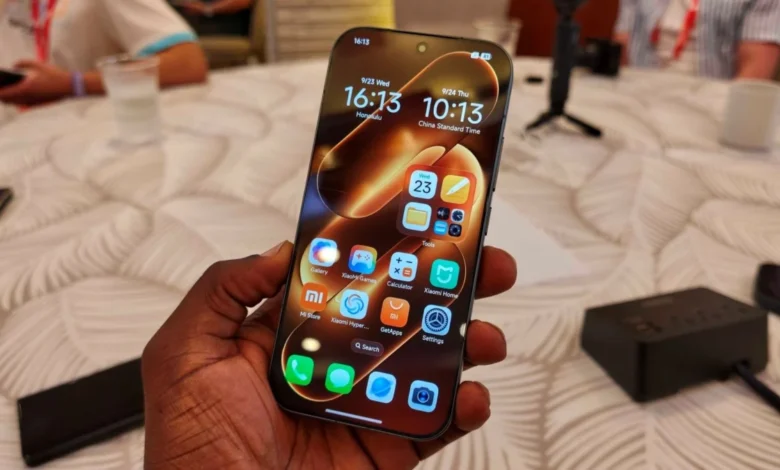
The global smartphone market has officially entered its next generational phase following the official launch of the Xiaomi 18 Pro and Pro Max in China. Unveiled concurrently with Qualcomm’s annual Snapdragon Summit, the new flagship devices have secured their place in mobile history as the very first commercial handsets to integrate the groundbreaking Snapdragon 8 Elite Gen 6 chipset. Offering massive silicon-carbon batteries, a distinctive secondary rear display panel, and an advanced hardware-level privacy screen, the Xiaomi 18 Pro series represents a significant engineering leap for the brand and signals major design trends for the broader mobile industry heading into the remainder of the year.
The Snapdragon 8 Elite Gen 6 Advantage
The primary headline surrounding the Xiaomi 18 Pro rollout is the inclusion of Qualcomm’s latest flagship silicon, the Snapdragon 8 Elite Gen 6. Built on an advanced sub-nanometer manufacturing node, the processor promises unprecedented efficiency gains, enhanced neural processing units (NPUs) dedicated to localized artificial intelligence tasks, and substantial graphical rendering improvements.
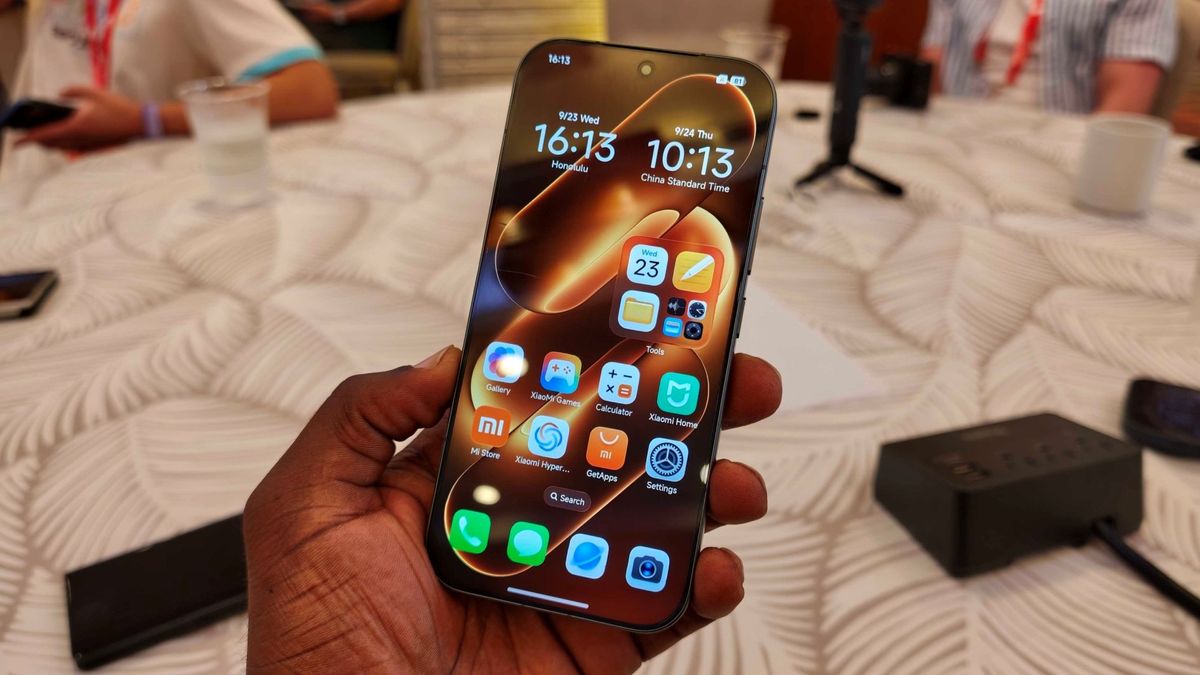
During early hands-on testing at the Snapdragon Summit, industry observers noted the chip’s ability to effortlessly manage power-intensive operations while maintaining thermal equilibrium. This efficiency is particularly crucial for the Xiaomi 18 Pro series, which must power not only a primary high-refresh-rate AMOLED panel but also a secondary, always-on rear display. Analysts attending the summit highlighted that Qualcomm’s focus on heterogeneous computing architecture allows the Snapdragon 8 Elite Gen 6 to delegate background tasks efficiently, translating into extended screen-on times despite heavy feature loads.
Design Evolution and Massive Battery Integration
Aesthetically, the Xiaomi 18 Pro and Pro Max maintain a design language closely related to their predecessors in the Xiaomi 17 Pro line. Characterized by a thick, boxy, and industrial chassis, the devices manage to balance substantial physical dimensions with a surprisingly lightweight feel in the hand. This counterintuitive ergonomic profile is largely attributed to advancements in battery chemistry.
The standard Xiaomi 18 Pro is equipped with a massive 7,000mAh silicon-carbon battery, while the larger Pro Max variant pushes capacity even further to an astonishing 8,500mAh. This represents a significant upward scaling of up to 1,000mAh compared to the previous generation. Silicon-carbon battery technology has rapidly become the preferred solution for flagship manufacturers seeking to pack denser energy reserves into standard smartphone form factors without exponentially increasing thickness or weight.
In terms of physical finishes, Xiaomi has retained a conservative palette for standard configurations, interspersed with standout artistic choices. The Galaxy Blue colorway, for instance, features a dynamic light-refractive finish that shifts tones when exposed to direct sunlight. Meanwhile, a transparent rear glass option—echoing design philosophies popularized by niche brands and philanthropic tech initiatives—offers a clear view of internal components, garnering significant attention from early adopters and tech journalists alike.
The Multifunctional Rear Display Panel
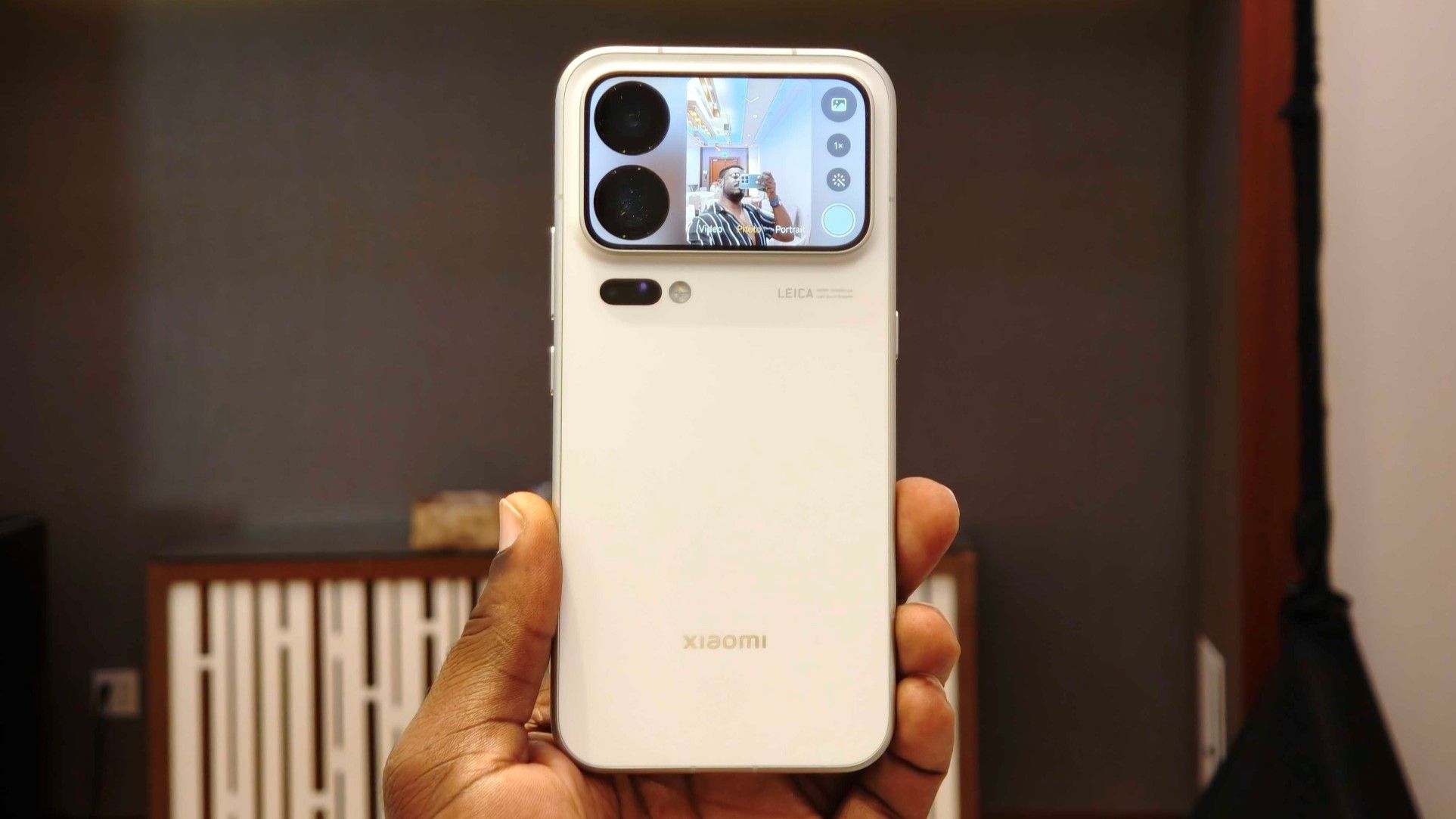
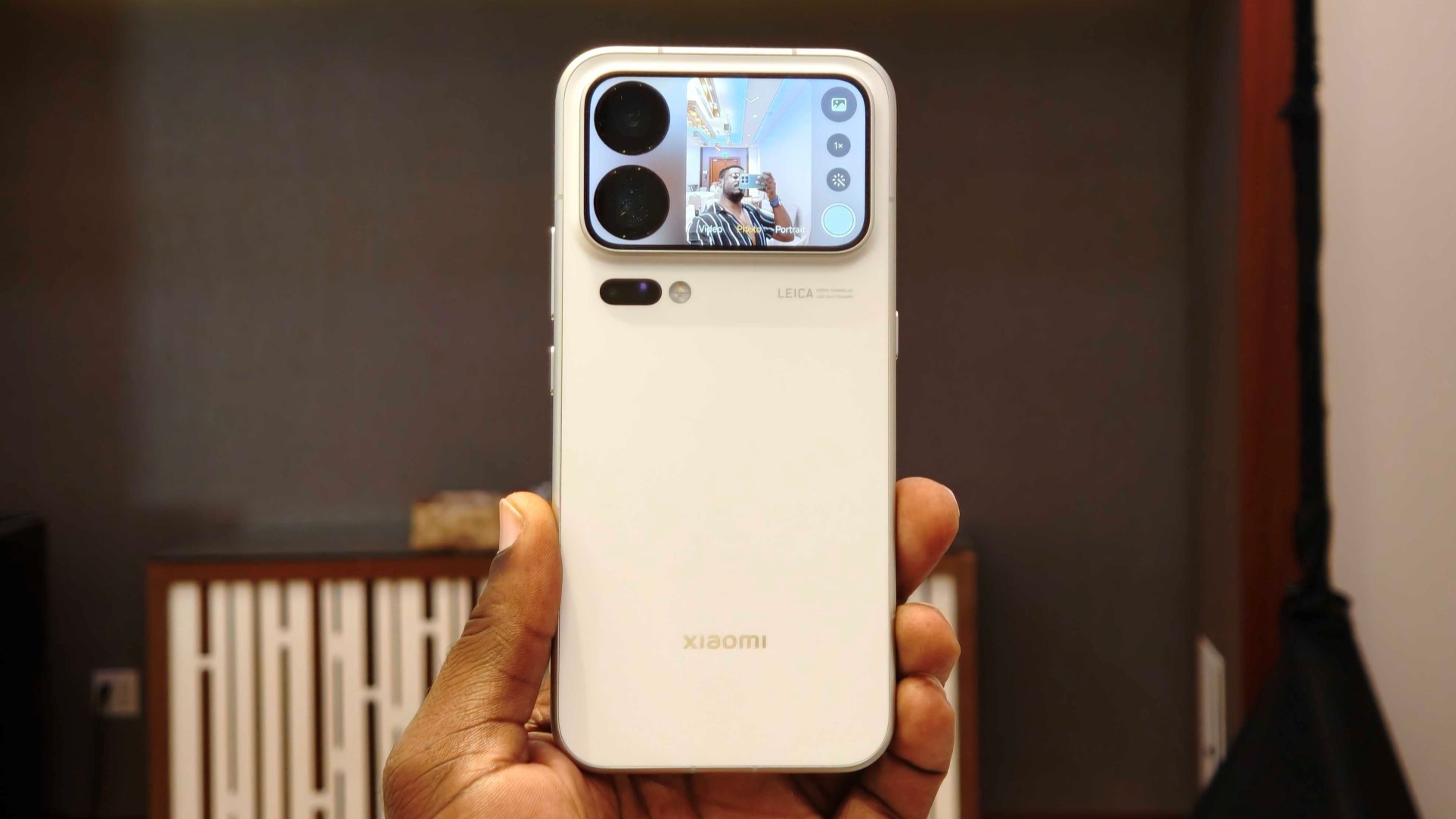
Perhaps the most visually arresting hardware feature of the Xiaomi 18 Pro series is the 2.7-inch secondary display seamlessly integrated into the rear camera island. Initially introduced in limited capacities in prior regional iterations, the implementation on the 18 Pro has been refined to offer genuine utility rather than functioning merely as a cosmetic novelty.
The auxiliary panel serves several distinct functions:
- Selfie Preview and Capture: Users can frame and capture high-resolution self-portraits using the device’s primary 200-megapixel rear camera sensors, bypassing the inherent compromises typically associated with front-facing punch-hole or under-display cameras.
- Notification Management and Quick Toggles: The display allows users to check incoming messages, control media playback, and toggle system settings without waking the primary, power-hungry main screen.
- AI Integration and Customization: Xiaomi has integrated specific artificial intelligence shortcuts directly onto the rear panel. Furthermore, users can select from a wide array of dynamic wallpapers and widgets to personalize the look of the camera module.
Industry analysts have drawn structural comparisons to the cover screens found on modern vertical folding smartphones, such as the Motorola Razr Ultra series. However, tech strategists point out that the Xiaomi 18 Pro offers these benefits within a traditional candy-bar smartphone architecture. This avoids the structural durability concerns, crease management challenges, and internal component trade-offs—such as reduced primary camera capabilities—that frequently plague foldable devices.
Advanced Privacy Display Technology
Beyond the secondary screen, the most technologically significant feature of the Xiaomi 18 Pro series is its proprietary Privacy Display technology. Following Samsung’s introduction of hardware-level viewing angle restriction on the Galaxy S26 Ultra, Xiaomi has deployed its own iteration, which industry experts suggest may surpass competing systems in real-world application.
Traditional software-based privacy filters typically apply a darkening tint over the screen, which degrades overall visual fidelity, color accuracy, and peak brightness. Xiaomi’s implementation relies on a custom sub-pixel arrangement engineered directly into the panel manufacturing process. This hardware-level approach restricts light dispersion at acute side angles, effectively shielding sensitive on-screen data from prying eyes on public transportation or in crowded environments while maintaining a crisp, vibrant viewing experience for the primary user.

Furthermore, Xiaomi’s software ecosystem expands the utility of the Privacy Display beyond simple full-screen text protection. The interface allows users to isolate privacy shielding to specific windows, enabling targeted concealment for split-screen multitasking or floating application layers.
Global Availability and Market Implications
Following its domestic debut in China, the Xiaomi 18 Pro series has been confirmed for a broader international rollout later in the year. While exact regional release dates and localized pricing structures remain unannounced by company executives, historical distribution patterns suggest that availability will span major markets across Europe, Asia-Pacific, and the Middle East. Industry watchers note, however, that a direct commercial release in North America remains unlikely due to regional carrier dynamics and market entry strategies.
The arrival of the Xiaomi 18 Pro and Pro Max establishes an aggressive benchmark for the remainder of the mobile hardware cycle. By combining the cutting-edge performance of the Snapdragon 8 Elite Gen 6, record-setting silicon-carbon battery densities, advanced optical sensor integration via secondary displays, and sophisticated privacy engineering, Xiaomi has positioned its flagship lineup as a formidable technological leader. Competitors in the Android ecosystem will face mounting pressure to match these hardware innovations as global consumer expectations for battery longevity and device versatility continue to escalate.