While the 2026 smartphone market has already seen the debut of several flagship heavyweights, the final quarter of the year is shaping up to be one of the most transformative periods in mobile technology history. As manufacturers pivot toward folding form factors, hardware-level AI integration, and a surprising resurgence of physical tactile interfaces, consumers are faced with a diverse array of options. This report outlines the confirmed and highly anticipated devices slated for release through the end of 2026 and into early 2027, focusing on their technical specifications, market positioning, and the broader implications for the industry.
The Apple Paradigm Shift: The iPhone Duo
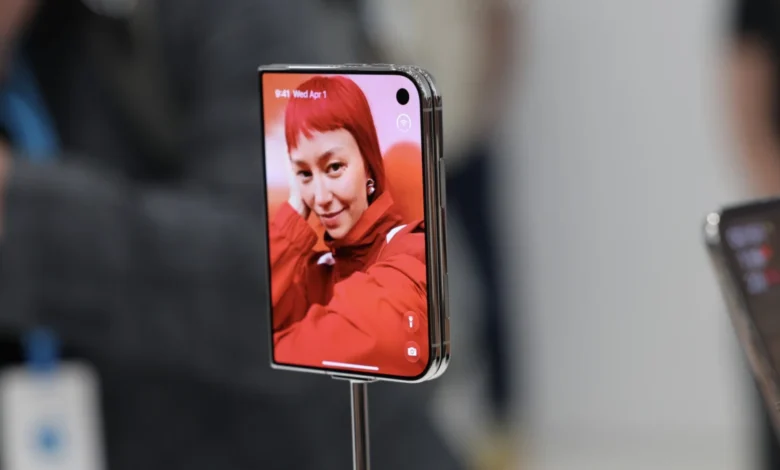
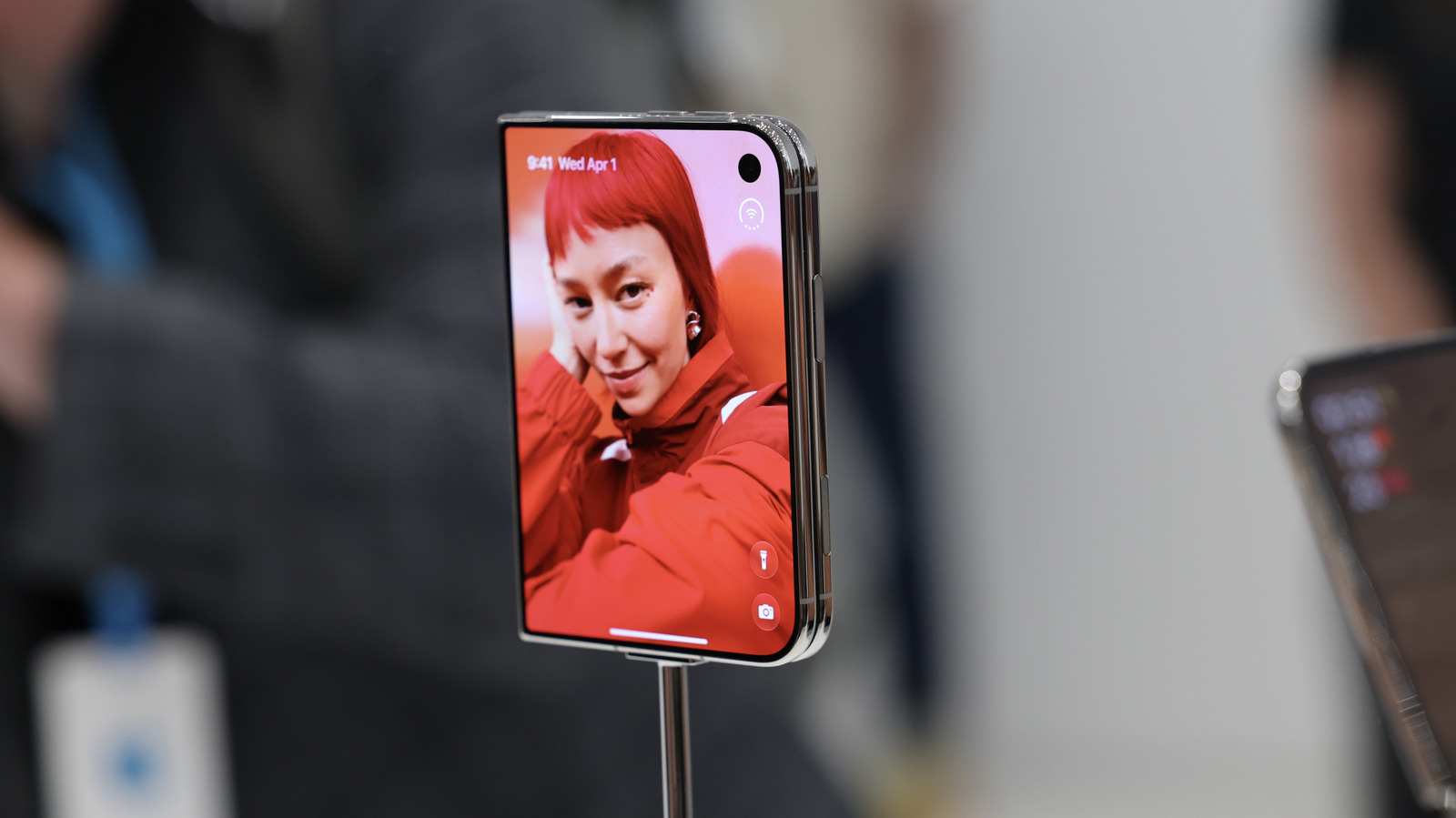
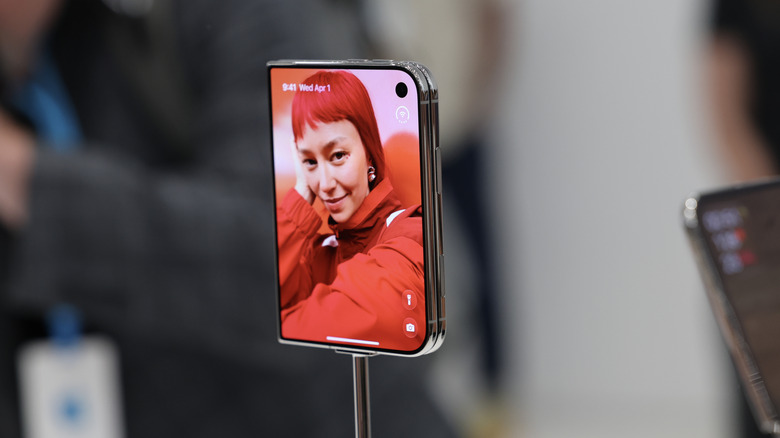
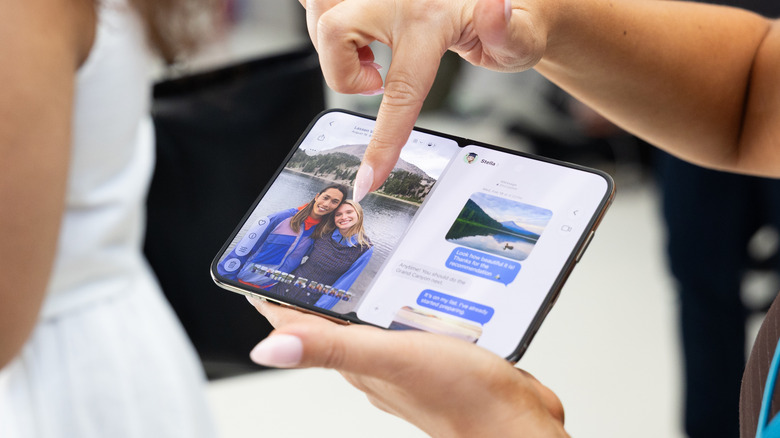
The most significant development in the smartphone sector this year is Apple’s official entry into the foldable market. After years of consumer speculation and patent filings, the Cupertino-based giant unveiled the iPhone Duo during its September event. The device is designed to bridge the gap between traditional handsets and tablet-like productivity, featuring a 5.4-inch outer cover screen that unfolds into a expansive 7.6-inch primary display.
Engineered with a chassis comprised of aerospace-grade titanium, reinforced ceramic, and specialized glass, the Duo incorporates a proprietary multi-part hinge mechanism designed to withstand extensive daily use without sacrificing IP68-rated water and dust resistance. Under the hood, the device utilizes the A20 Pro chipset, maintaining parity with the iPhone 18 Pro series. Despite the flagship performance, Apple has opted for a 48MP dual-camera system, likely to accommodate the internal space requirements of the dual-battery configuration. With a starting price of $1,999 for the 256GB model, the iPhone Duo represents a luxury tier within the Apple ecosystem, exceeding the cost of most professional-grade laptops. Preorders are scheduled to commence on October 16, 2026, with a retail launch set for October 23.
The Rise of the QWERTY Revival
A notable trend emerging in late 2026 is the functional rejection of the "all-screen" interface in favor of physical QWERTY keyboards. Driven by a desire for digital minimalism and tactile feedback, three specific devices are spearheading this movement.
The Clicks Communicator, following a lengthy development cycle since its initial announcement at CES 2026, is confirmed for a December shipping date. Far from being a mere accessory, the Communicator is a standalone smartphone featuring a 4.03-inch AMOLED display, 12GB of RAM, and a customizable notification system integrated into the power button. Originally conceived as a companion device, the current iteration includes a 50MP rear camera and 256GB of expandable storage, positioning it as a primary handset for productivity-focused users.
Similarly, the Unihertz Titan 2 Elite and the Minimal Phone 2 are targeting the niche market of users seeking to reduce screen-based distractions. The Titan 2 Elite, priced at $490 for the base model, provides a ruggedized, utilitarian design with a trackpad-enabled keyboard. These devices highlight a growing market segment that prioritizes ergonomics and longevity—evidenced by the Titan 2 Elite’s promise of security updates extending through 2031—over the hyper-specifications found in mainstream flagships.
Next-Generation Performance: Motorola and Qualcomm
Motorola is positioning its upcoming Signature 27 as a premier showcase for Qualcomm’s latest silicon. As one of the first devices to utilize the Snapdragon 8 Elite Extreme Gen 6 processor, the Signature 27 is engineered to address the thermal demands of high-end mobile computing. Motorola has confirmed that the device will include an advanced cooling architecture and a strategic audio partnership with Bang & Olufsen to differentiate its flagship offering.
The device is expected to debut globally before the end of 2026, featuring a significant hardware leap in its imaging department: a 200MP telephoto lens. By maintaining the previous 50MP primary sensor while drastically upgrading the zoom capabilities, Motorola aims to appeal to mobile photography enthusiasts. Furthermore, the commitment to seven years of OS support and the inclusion of native AI tools for multimedia generation suggests that Motorola is shifting toward a long-term software-as-a-service model for its flagship consumers.
Global Market Dynamics and the Import Landscape
The global smartphone landscape remains fractured, as evidenced by the release strategies of Xiaomi and OnePlus. Both companies are pushing the boundaries of hardware with the Xiaomi 18 Pro series and the OnePlus 16, yet neither currently offers these devices through official U.S. retail channels.
The Xiaomi 18 Pro and Pro Max represent the upper echelon of current mobile hardware, featuring 7,000mAh and 8,500mAh batteries respectively. The integration of 200MP triple-camera arrays and privacy-focused display technology places these devices in direct competition with the industry leaders in the Asian and European markets. However, the requirement for international shipping and the absence of domestic carrier support limits their accessibility for U.S.-based power users.
Similarly, the OnePlus 16, launching in China on October 12, represents a departure from the company’s former U.S.-centric strategy. With a display capable of 185Hz refresh rates and the inclusion of the Snapdragon 8 Elite Extreme Gen 6, the device is explicitly tailored for the mobile gaming market. The transition to UFS 5.0 storage technology underscores the trend of increasingly faster read/write speeds, which are essential for modern mobile gaming and on-device AI applications.
The 2027 Horizon: iPhone 18 Strategy
Looking beyond the current calendar year, the industry is already adjusting for a shifted release cadence from Apple. The base model iPhone 18 is projected for an early 2027 arrival, effectively decoupling its launch from the Pro and Duo product lines. This strategic change suggests that Apple is attempting to mitigate the 18-month product life cycle currently experienced by the iPhone 17.
Market analysts suggest that the iPhone 18 will likely be defined by internal architectural upgrades rather than radical design changes, citing rumors of a 9GB RAM capacity and the implementation of the proprietary C2 network chip. With component costs remaining volatile, industry observers expect a potential price hike, continuing the trend of increasing entry-level costs for standard Apple devices.
Industry Implications and Conclusion
The current crop of upcoming smartphones illustrates a bifurcation in the market. On one hand, companies like Apple, Xiaomi, and Motorola are pushing the limits of what a "pro" device can be—incorporating massive batteries, complex folding mechanisms, and elite-tier silicon. On the other, the rise of devices like the Clicks Communicator and the Minimal Phone 2 demonstrates a counter-cultural movement toward simplicity and hardware-level interaction.
For the consumer, the final quarter of 2026 offers a distinct choice: invest in the burgeoning technology of the foldable form factor, commit to the high-performance gaming and photography capabilities of the latest Snapdragon-powered flagships, or return to a tactile, keyboard-driven experience. As these devices hit the market, the primary challenge for manufacturers will be ensuring that software optimization keeps pace with the rapid innovation in physical hardware. With the official launch of the iPhone Duo, the foldable category has arguably crossed the chasm from experimental curiosity to mainstream flagship reality, setting the stage for a highly competitive 2027.