OLED MacBook Pro screens on-track amid talk of delayed launch and the upcoming touchscreen transition

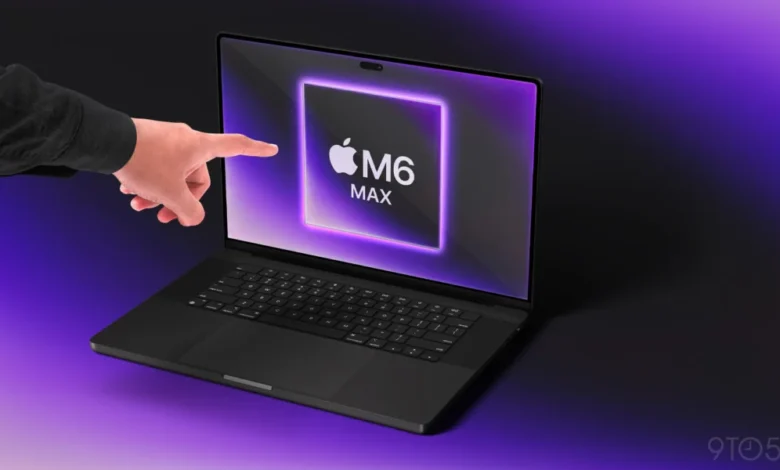
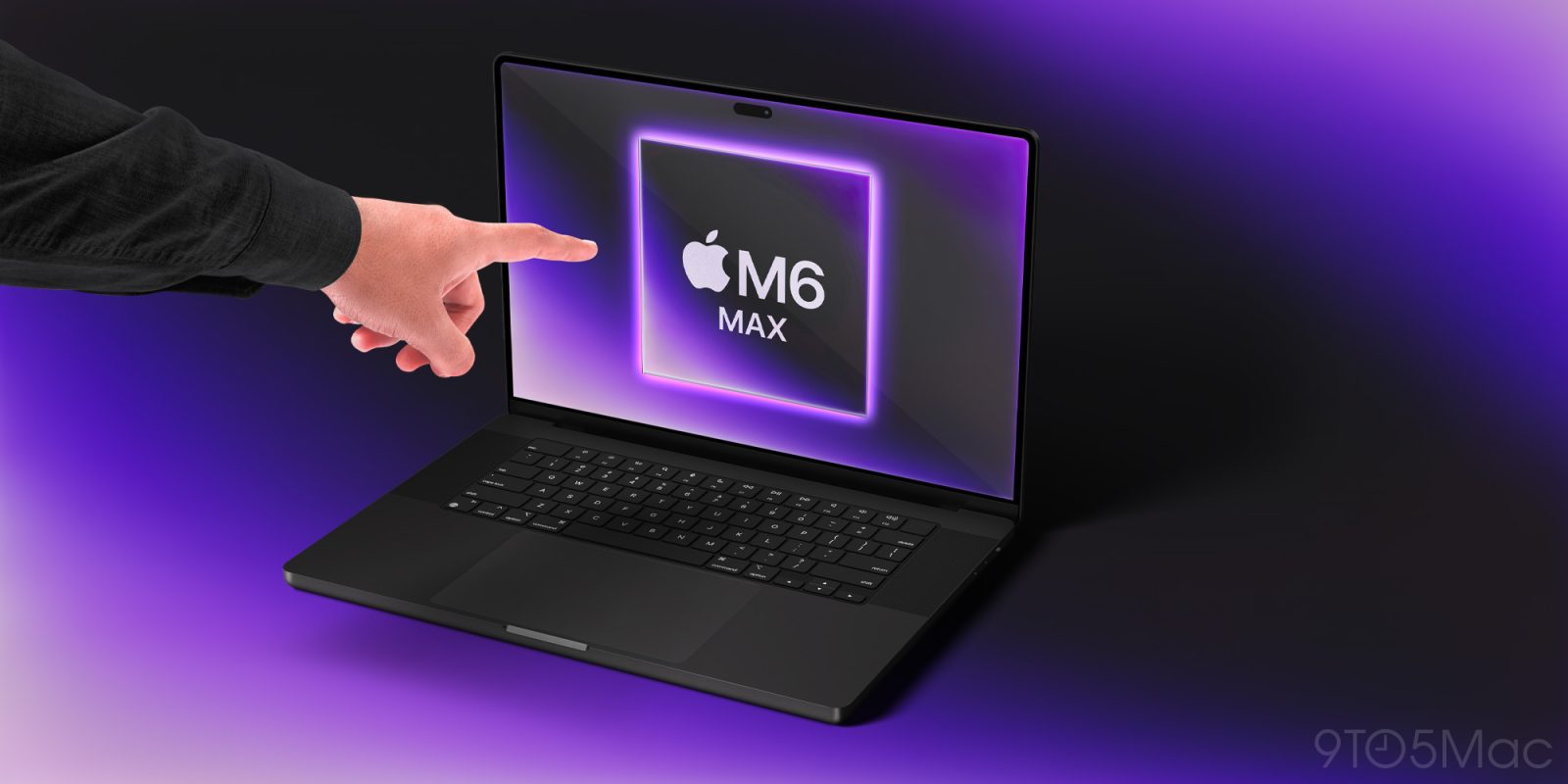
The landscape of professional computing is poised for a significant transformation as Apple prepares to host its highly anticipated "Pro and Tell" event on October 28, 2026. According to recent reporting by Bloomberg’s Mark Gurman, the centerpiece of this showcase will be the introduction of the first-ever touchscreen MacBook Pro models. These machines are not merely incremental upgrades; they represent a fundamental shift in Apple’s hardware philosophy, incorporating OLED display technology, the inclusion of the signature Dynamic Island, and a comprehensively re-engineered chassis designed to accommodate a tactile user interface.
The Financial Implications of the New Hardware Tier
The most striking aspect of the upcoming release is the projected pricing strategy. While the current M5 Pro-equipped MacBook Pro models have already faced market pressure following June 2026 price adjustments, the new touchscreen variants are positioned as a premium tier above the existing lineup. Industry insiders suggest that the 14-inch model will debut at a starting price of $2,899, with a corresponding 16-inch model likely beginning at $3,399.
This pricing strategy signals a departure from Apple’s traditional "replacement" cycle. Rather than phasing out the non-touch iterations, Apple reportedly plans to keep the current M5 Pro and M5 Max MacBook Pros in its retail inventory. This dual-track strategy acknowledges that while a subset of professional users demands touch-integrated workflows, a significant portion of the creative and enterprise market remains tethered to traditional, non-touch input methods. By maintaining the current stock, Apple avoids alienating the core base while simultaneously testing the market’s appetite for a more expensive, feature-rich hardware class.
If these price points hold, the new 14-inch touchscreen model will surpass the historic price of the 17-inch MacBook Pro introduced in 2006, which retailed for $2,799. Adjusted for inflation, that 2006 flagship would be significantly more expensive in today’s dollars, yet the psychological barrier of the $3,000 threshold for a standard 16-inch laptop is a threshold that few manufacturers have successfully navigated outside of high-end specialized workstations.
Engineering a Tactile Experience: Beyond the Screen
The integration of a touchscreen into a macOS device necessitated more than just a software update. Hardware engineers have been forced to reconsider the physical structure of the MacBook Pro. To support a touchscreen interface, the display hinge requires substantial reinforcement to prevent "screen wobble"—a common critique of early Windows-based touchscreen laptops.
Reports indicate that Apple has developed a specialized, high-tension hinge mechanism designed specifically for the weight and pressure sensitivity of the new OLED panels. Furthermore, the internal cooling architecture has been entirely reworked. By optimizing the airflow pathways through the hinge and the chassis, Apple aims to maintain the high performance required of the M5-series silicon while simultaneously reducing the overall weight of the machine. The result is a device that promises to be both thinner and more portable than its predecessors, despite the added complexity of the touch-sensitive display stack.
A Four-Year Trajectory: The Origin of the Touchscreen Project
The decision to introduce touch capabilities to the Mac was not an impulsive response to market trends but rather a calculated, multi-year project initiated approximately four years ago. Sources familiar with the project suggest that the mandate came directly from CEO Tim Cook, who reportedly cut through internal debates with a clear directive: "We should just do it."
This initiative was driven by John Ternus, who oversaw the development of the hardware. Internally, the project was framed as a necessary evolution. For years, Apple executives maintained that a touchscreen Mac would compromise the ergonomics of a laptop, famously referring to such devices as "toasters" in the past. However, as the market evolved, Ternus and other leadership figures recognized that touch interaction had become a "table stake" for modern computing. The internal consensus shifted to the belief that Apple had fallen behind in the laptop category regarding input versatility, and that the integration of OLED technology provided the perfect technical foundation to execute a touch-enabled interface that could satisfy both professional demands and general consumer expectations.
Chronology of the Mac Transition
- 2022–2023: Apple begins R&D into specialized touch-sensitive glass and OLED integration for larger, non-tablet displays.
- June 2026: Apple implements a broad, across-the-board price increase for its Mac and iPad portfolios to account for component cost inflation and supply chain shifts.
- October 25, 2026: Reports begin to coalesce regarding a "Pro and Tell" event, with rumors confirming the OLED touchscreen redesign.
- October 27, 2026: Mark Gurman confirms specific pricing tiers, suggesting a $2,899 starting point for the 14-inch model and a continuation of the existing non-touch inventory.
- October 28, 2026: The scheduled launch event, where preorders for the touchscreen models are expected to go live.
- November 6, 2026 (Projected): Initial availability and shipping for the new hardware, potentially concurrent with the broader rollout of the M6-powered Mac lineup.
Broader Impact and Industry Implications
The introduction of a touchscreen MacBook Pro shifts the competitive landscape of the premium laptop market. Apple is moving into direct competition with high-end Windows OEMs such as Dell and HP, which have long utilized OLED and touchscreen technology as primary differentiators. However, Apple’s advantage lies in the tight integration of its software ecosystem. The inclusion of the Dynamic Island, previously exclusive to the iPhone, suggests a deeper integration between macOS and mobile-centric design languages, potentially paving the way for a more unified experience across the Apple ecosystem.

The decision to maintain a dual lineup—touch and non-touch—is a prudent risk-mitigation strategy. By segmenting the professional market, Apple avoids the backlash that might occur if it were to force a design change on users who rely exclusively on keyboard and trackpad input. If the touch-enabled MacBook Pro proves successful, it is likely that the technology will eventually trickle down into the MacBook Air and lower-tier Pro models, following the same trajectory that the "Retina" display took over a decade ago.
Furthermore, the emphasis on OLED technology indicates that Apple is betting on visual fidelity as a key sales driver. OLED offers deeper blacks, higher contrast ratios, and better power efficiency than the current Mini-LED displays found in existing Pro models. For creative professionals in video editing and color grading, the upgrade may be justified by the display technology alone, with the touchscreen functionality serving as a secondary, albeit significant, bonus.
Market Reception and Future Outlook
While critics may point to the significant price increase as a potential hurdle, Apple has demonstrated historically that its professional user base is willing to pay a premium for high-quality, long-lasting hardware. The success of the M-series chips has already established a high performance floor for the brand, and the transition to touch-enabled, OLED-equipped units represents the next logical step in hardware innovation.
As the "Pro and Tell" event approaches, the focus remains on whether the software experience can match the hardware’s ambition. Apple has a long history of perfecting user interfaces, and the implementation of touch on macOS will likely be measured by its subtlety and its ability to enhance—rather than distract from—the productivity-focused workflows that have defined the MacBook Pro for decades. With orders potentially arriving in early November, the market will soon determine if this bold design pivot is the beginning of a new era for personal computing or a niche experiment in high-end luxury hardware.