Honor Shatters Android Tablet Industry Doubts with Record-Breaking 25.3% Growth in EMEA Despite Broad Market Decline

The global consumer electronics landscape has faced persistent scrutiny in recent years, with analysts frequently questioning the long-term viability of the standalone tablet market. However, newly released market intelligence data effectively challenges that narrative, revealing pockets of extraordinary resilience and expansion. According to a comprehensive report published by the International Data Corporation (IDC) covering the second quarter of 2026, the Android tablet sector in Europe, the Middle East, and Africa (EMEA) experienced an overall year-over-year shipment decline of 10.5%, bringing total regional volume down to 5.9 million units.
Despite this regional contraction, Chinese technology conglomerate Honor emerged as a dominant outlier. The brand defied prevailing downward trends by posting a massive 25.3% year-over-year increase in tablet shipments across the EMEA territory. This stellar performance not only positioned Honor as the fastest-growing major Android manufacturer in the region but also underscored a broader strategic shift in how smartphone heavyweights are successfully leveraging their established mobile ecosystems to capture adjacent hardware categories.
Market Dynamics and Regional Performance in Q2 2026
The broader Q2 2026 IDC report paints a complex picture of the EMEA hardware market. While heavy hitters like Samsung continue to maintain the lion’s share of total unit shipments across the territory, cumulative demand has undeniably cooled. Consumers are holding onto older devices longer, driven by economic uncertainties and incremental technological upgrades in previous generations.
Within this challenging environment, only a select few manufacturers managed to record positive growth. Alongside Honor’s market-leading 25.3% surge, Xiaomi registered a modest 3.4% year-over-year increase in tablet shipments. Other legacy players experienced varying degrees of contraction, aligning with the overall 10.5% market dip.
Industry analysts point to brand ecosystem maturity as the primary differentiator between struggling OEMs and thriving challengers. Daniel Goncalves, senior research manager at IDC, emphasized this transition in market dynamics. "Many of these recent challengers to Samsung’s dominance in the Android tablet space, such as Honor, have leveraged their established presence in the smartphone market to expand into tablets," Goncalves noted. By utilizing existing supply chains, retail partnerships, and cross-device software integration, companies like Honor have successfully persuaded consumers to invest in unified multi-device ecosystems.
The Role of Hardware Innovation: The MagicPad 4 Breakthrough
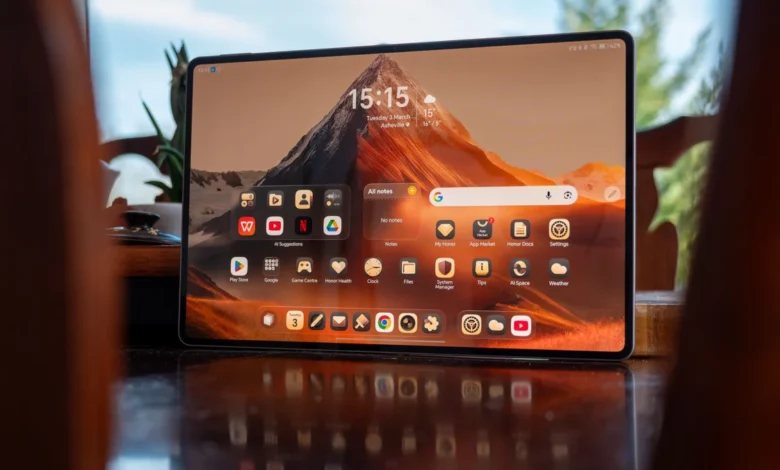
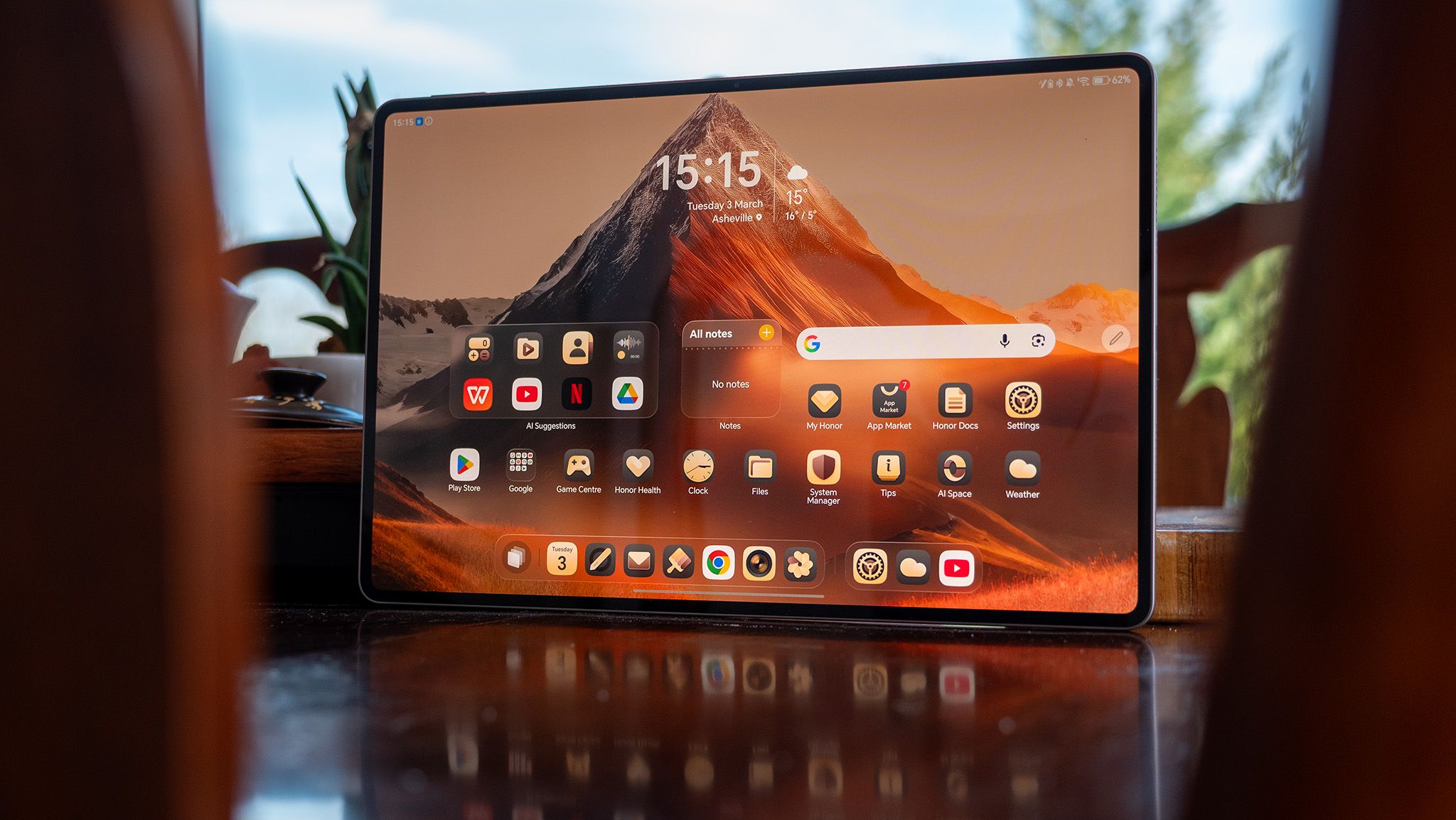
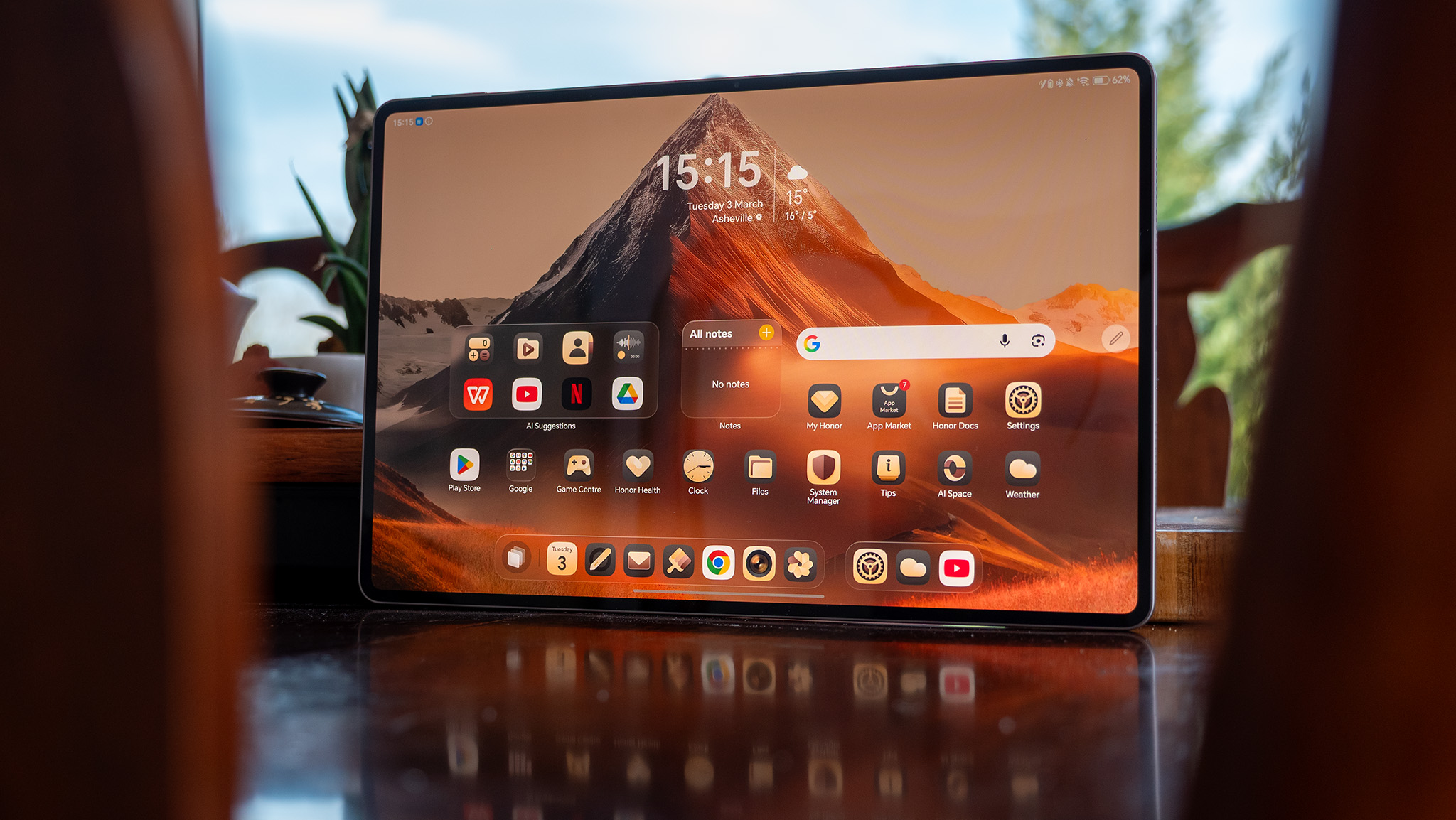
A crucial factor driving Honor’s recent market penetration is aggressive hardware innovation, particularly evident in its flagship tablet releases. The introduction of the Honor MagicPad 4 has served as a critical turning point for the brand’s consumer appeal, addressing long-standing complaints regarding mid-tier display technology in Android slates.
For years, manufacturers frequently compromised on tablet display panels to maintain aggressive price points, often relying on aging LCD technology that lagged far behind contemporary smartphones. Honor broke this mold with the MagicPad 4 by transitioning to a vibrant, high-brightness OLED panel. Furthermore, the company addressed a critical ergonomic and wellness concern by incorporating cutting-edge 5,320Hz PWM (Pulse Width Modulation) dimming. This ultra-high-frequency dimming significantly reduces flicker at low brightness levels, mitigating eye strain—a technical achievement that industry reviewers note is frequently overlooked by competitors.
By treating tablet displays with the same engineering rigor typically reserved for premium smartphones, Honor has elevated consumer expectations. The strategy demonstrates that demand for tablets is not inherently disappearing; rather, consumer interest responds strongly to meaningful technological advancements rather than superficial yearly refreshes.
Macroeconomic Pressures and the Interconnected Mobile Ecosystem
The resilience of the tablet sector must also be viewed through the lens of the broader mobile hardware economy. The second quarter of 2026 was marked by turbulence not just in tablets, but across the global smartphone market as well. Industry data from the same period indicated a 4% contraction in global smartphone shipments, largely exacerbated by an ongoing memory crisis, rising component costs, and cautious consumer spending ahead of the holiday shopping season. Even industry stalwarts like Samsung and Apple experienced relatively flat or modest growth figures—registering roughly 2% and 4% increases, respectively.
This interconnected hardware slowdown has forced manufacturers to rethink how tablets fit into the modern consumer’s digital life. Historically, tablets were viewed as standalone luxury consumption devices, sitting awkwardly between smartphones and traditional personal computers. Today, however, the proliferation of advanced foldables and sophisticated cross-device operating systems has blurred traditional category boundaries.
Consumers increasingly evaluate mobile devices based on ecosystem synergy—how seamlessly a phone, tablet, and PC share clipboards, notifications, and application states. Honor’s success suggests that users who remain committed to the Android ecosystem are actively seeking out companion devices that integrate flawlessly with their primary smartphones. When a manufacturer can provide a cohesive software experience alongside superior hardware features like advanced OLED displays and robust eye-care technology, consumers are evidently willing to invest despite broader macroeconomic headwinds.
Broader Industry Implications and Future Outlook
The Q2 2026 IDC data serves as both a warning and a roadmap for the consumer electronics industry. The overarching 10.5% decline in EMEA tablet shipments confirms that the era of passive, pandemic-era demand growth is definitively over. Manufacturers can no longer rely on baseline necessity to drive volume; replacement cycles are lengthening, and consumers are exercising greater discernment before making purchasing decisions.
However, Honor’s 25.3% surge proves that market contraction does not equate to market extinction. Brands that prioritize genuine innovation—such as display health technology, seamless cross-device connectivity, and competitive pricing structures—can successfully capture market share even in a shrinking pond. As the industry looks toward the remainder of the year and the critical holiday sales window, competing OEMs will likely need to accelerate their R&D investments in ecosystem integration and premium hardware features to prevent further erosion of their market footprint.
Ultimately, the data from EMEA suggests that the Android tablet market is undergoing a healthy consolidation phase. Speculation regarding the imminent death of the tablet format appears premature. Instead, the market is maturing, rewarding agile manufacturers who treat tablets not as isolated accessories, but as vital, interconnected nodes within a comprehensive digital ecosystem.