The Technical Overhaul
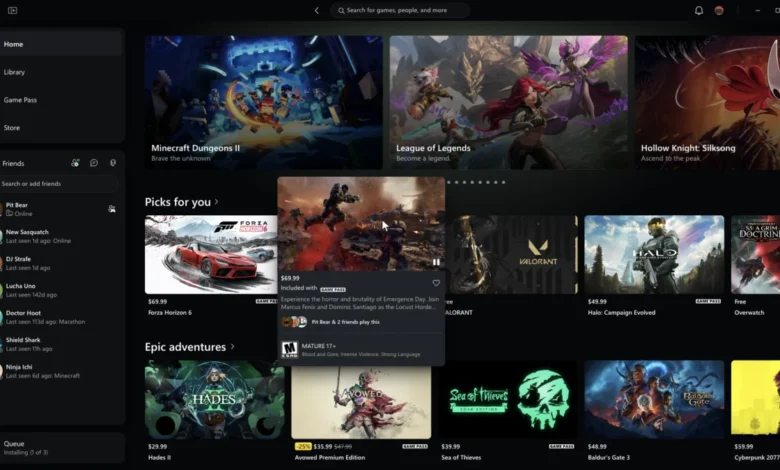
The update represents a comprehensive architectural shift for the Xbox PC app. Beyond the primary launch time optimization, Microsoft reports that key navigational elements—including the Home, Store, and Game Pass tabs—now load up to 50% faster. Furthermore, the internal windows used for managing settings, profile information, and game details have seen a 65% increase in responsiveness.
These metrics, while significant, are subject to variance based on individual user environments. Microsoft has noted that the actual performance gains will depend on a variety of factors, including system hardware specifications, network bandwidth, background process overhead, and the specific configuration of the Windows operating system. This update follows a broader trend in the software industry, where platform holders are increasingly prioritizing lightweight, high-performance interfaces to retain user engagement in a crowded market.
Historical Context and the Launcher Wars
The modern PC gaming ecosystem is characterized by a high degree of fragmentation, with users often juggling multiple digital storefronts and launchers, including Valve’s Steam, the Epic Games Store, EA App, Ubisoft Connect, and the Xbox app. For years, Steam has set the industry standard for responsiveness and feature depth, often leaving competing platforms struggling to match its perceived speed and reliability.
The current "arms race" for speed began in earnest as digital libraries grew in size and complexity, making heavy, resource-intensive launchers feel increasingly cumbersome. Earlier this year, the Epic Games Store attempted to distinguish itself by deploying a new, "vibe-coded" launcher update, which the company claimed outperformed Steam in cold-start metrics. However, this initiative was met with mixed reception, as the gaming community often prioritizes functional utility, library management, and social integration over marginal gains in launch speed.
The industry timeline is currently marked by a series of reactionary updates. Almost immediately after competitors touted their speed improvements, Valve deployed its own performance optimizations for the Steam client, effectively maintaining its market position by ensuring that its interface remained as fluid as possible. Microsoft’s latest move suggests a strategic realization that, to compete with the dominance of Steam, the Xbox app must be frictionless enough that it does not serve as a deterrent to users who might otherwise prefer a more streamlined experience.
Navigational and Social Enhancements
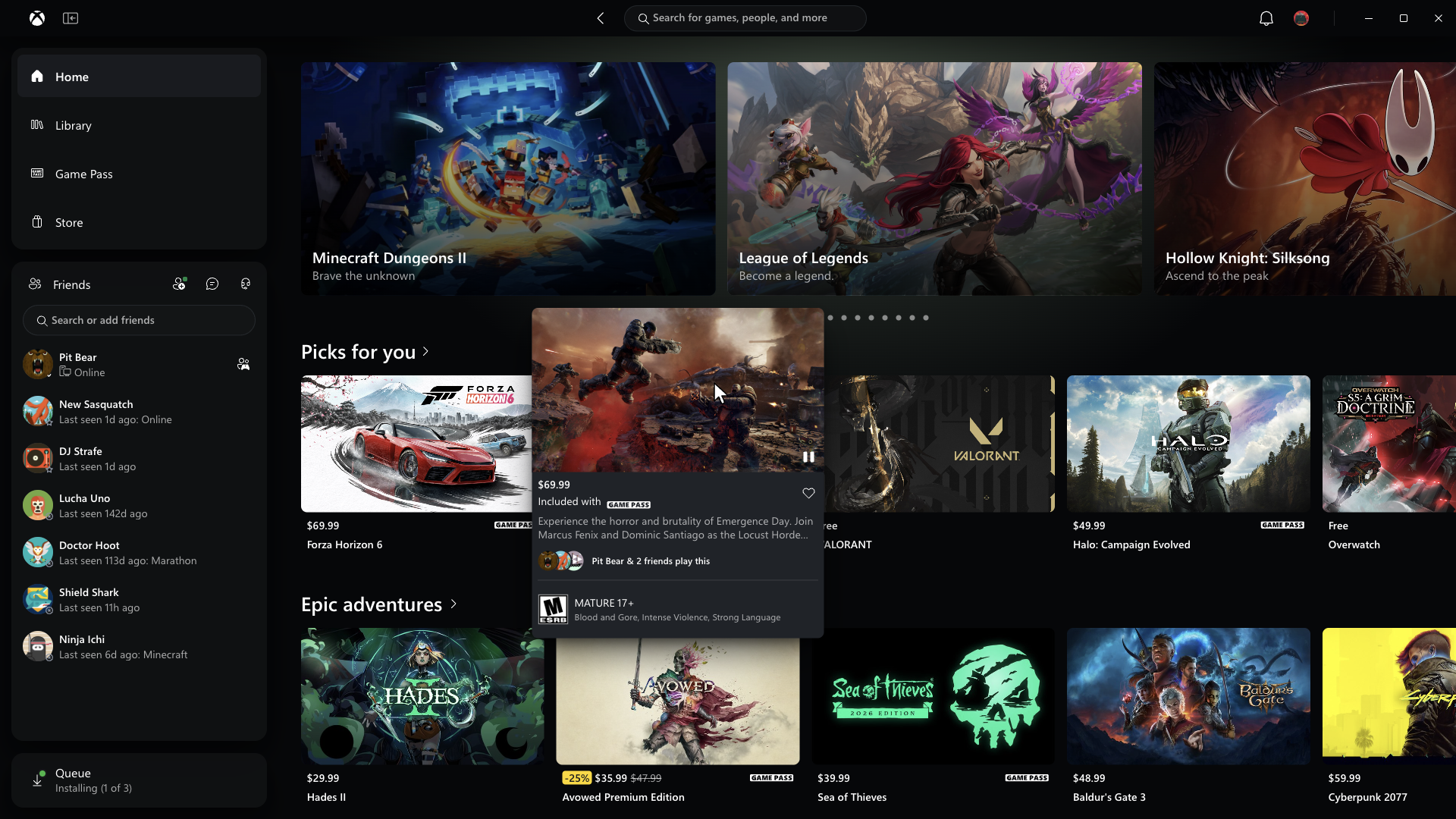
A major component of the latest Xbox update is the simplification of the user interface. Microsoft has overhauled the layout to improve discoverability and reduce the number of clicks required to access core functions. The library tab, which previously suffered from cluttered filtering options, has been streamlined with more intuitive, user-friendly sorting mechanisms.
Perhaps most significantly, the social and friends-list functionality—previously relegated to secondary menus—has been integrated into the primary navigational dashboard. By elevating these features to a more prominent position, Microsoft is attempting to mirror the social-first design philosophies that have made platforms like Discord and Steam successful. This shift is intended to facilitate easier coordination for multiplayer titles, such as Sea of Thieves or Forza Horizon, where social connectivity is a core component of the user experience.
Implementation and Insider Access
The updated software is currently in a restricted rollout phase, accessible only to those enrolled in the Xbox Insider program. Participation in this program requires users to download the Xbox Insider Hub via the Microsoft Store, after which they can opt into the testing branch of the application.
Microsoft has also announced that these improvements will extend beyond the standalone desktop app. The company is working on a "refreshed Xbox web experience" that aims to provide a unified look and feel across browsers and cloud gaming interfaces. This web-based overhaul will feature improved utilization of screen real estate, refined library management tools, and expanded accessibility options, including dedicated light, dark, and high-contrast visual modes.
Broader Industry Implications
The focus on "speed" as a marketing pillar is indicative of a broader shift in software development toward optimization and lean architecture. As PC hardware becomes increasingly powerful, the expectation for software responsiveness has risen in tandem. Users are less tolerant of "bloatware" that consumes significant system resources while providing limited utility.
However, industry analysts suggest that while speed is a necessary baseline for success, it is rarely the primary driver of platform adoption. For Microsoft, the challenge lies in the "walled garden" nature of its ecosystem. While the Xbox PC app is the gateway to the Xbox Game Pass subscription service, it must contend with the fact that many PC gamers treat Steam as their primary library manager. Improving the technical performance of the app is a prerequisite for broader adoption, but it may not be sufficient on its own to shift entrenched user habits.
Furthermore, the integration of social features highlights Microsoft’s strategy to treat the Xbox app not just as a store, but as a communication hub. By reducing the friction associated with finding and joining friends, Microsoft is positioning the app as a viable competitor to third-party communication tools. Whether this will successfully convert Steam users into primary Xbox app users remains to be seen, but the update represents a significant step toward narrowing the UX gap between the two platforms.
Future Outlook
As Microsoft moves toward a full public release of these updates, the metrics for success will likely be measured by user retention and the reduction of support tickets related to app stability and performance. The company’s commitment to iterating on the user interface—and its willingness to listen to feedback from the Insider community—suggests that further refinements are likely on the horizon.
For the average consumer, these changes signal a more mature approach to the Windows gaming experience. If Microsoft can continue to bridge the gap between its subscription-heavy model and the performance standards set by industry leaders, the Xbox app may eventually shed its reputation as a secondary utility, becoming a primary destination for PC players. For now, the focus remains on refinement, speed, and the gradual normalization of a more efficient, user-centric interface that prioritizes gaming over administrative overhead.
The race for the "fastest launcher" may be a point of contention among developers, but for the end user, it serves as a welcome trend toward better-optimized software. As the ecosystem continues to evolve, the distinction between high-performance gaming platforms will likely continue to blur, benefiting players who demand both speed and simplicity in their digital libraries.
Related posts: