Tainted Grail: The Fall of Avalon Offers a Compelling Alternative to The Elder Scrolls While a Beloved Franchise Remains in Limbo

The landscape of open-world, first-person RPGs, a genre indelibly shaped by Bethesda Game Studios’ The Elder Scrolls series, is a space often described as ripe for innovation and imitation. Yet, true contenders that capture the expansive freedom and immersive depth of titles like Skyrim remain surprisingly scarce. While Obsidian Entertainment’s Avowed is poised to enter this arena, the gaming community has largely looked to a less prominent, yet remarkably ambitious title, Tainted Grail: The Fall of Avalon, for a taste of that familiar, yet distinct, adventure. Having emerged from early access in May of last year, Tainted Grail has garnered considerable praise, a testament to the dedication of its relatively young development studio, Questline, in crafting a game of significant scale and intricate design.
A Dark Reimagining of Arthurian Legend
At its core, Tainted Grail: The Fall of Avalon presents a "dark reimagination" of Arthurian legends, deliberately eschewing the traditional romanticized interpretations for a grittier, more perilous vision of Avalon. The entirety of the game’s sprawling world is confined to the mysterious island of Avalon, a setting that immediately distinguishes it from the vast continental landscapes of its genre progenitors. This focused yet intricate world is divided into three distinct, meticulously crafted zones, a design choice that echoes the segmented exploration found in Avowed, suggesting a deliberate approach to pacing and environmental storytelling.
The gameplay loop of Tainted Grail offers a rich tapestry of activities that will feel immediately familiar to fans of the open-world RPG genre. Beyond the core tenets of dungeon crawling and overworld exploration, players are presented with a wealth of emergent gameplay opportunities. The ability to engage in activities such as fishing, farming, cooking, mining, and smithing weapons allows for a deep level of player investment in the game’s survival and crafting mechanics. Furthermore, the integration of spell mixing and the act of sketching in a player’s journal contribute to a sense of personal narrative and discovery. These diversions are not mere add-ons; they are woven into the fabric of the game, encouraging players to interact with the world on a granular level, fostering a sense of agency and connection to their character and their surroundings. The narrative itself is characterized by "morally ambiguous" choice-making, a hallmark of modern RPG design that challenges players to grapple with complex ethical dilemmas, further deepening the immersive experience.
Performance and Artistic Vision
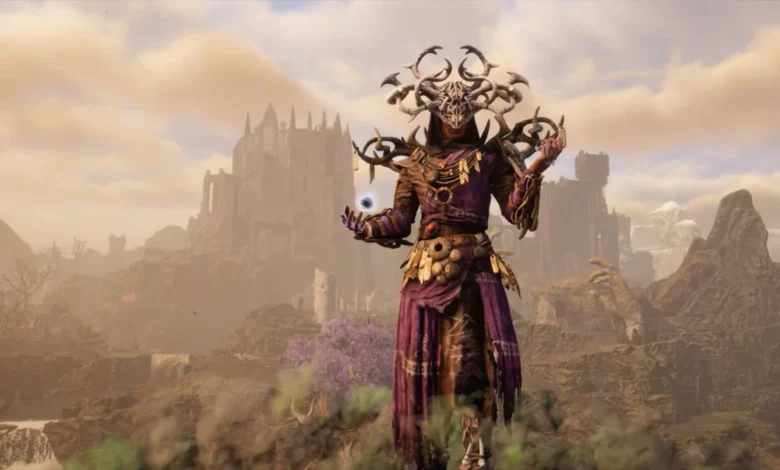
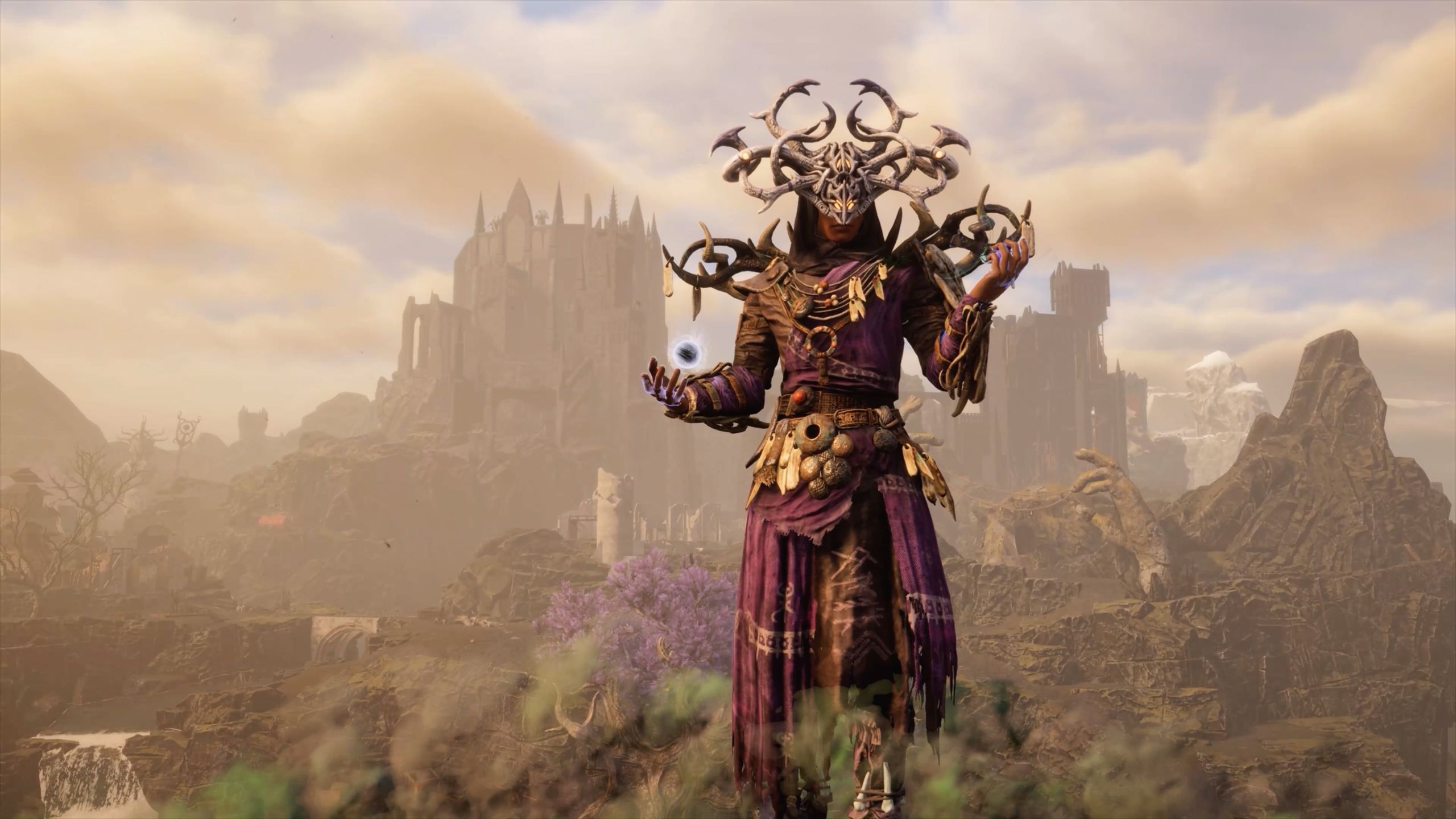
The game’s artistic direction is a striking departure from the more traditional fantasy aesthetics often associated with the genre. Tainted Grail adopts a significantly darker art style, one that has been described as a compelling hybrid of the brooding atmosphere of Dark Souls and the unique visual identity of Morrowind. This deliberate choice imbues the world with a palpable sense of dread and ancient mystery, setting it apart from the brighter, more heroic fantasy realms often depicted. While the game undeniably evokes the spirit of a first-person Bethesda RPG, it manages to introduce a wealth of original ideas, particularly in its approach to combat.
The combat system in Tainted Grail has been lauded for its elegance and tactical depth, a notable improvement over the often clunky melee mechanics found in some of its predecessors. With the 15-year anniversary of Skyrim’s release having passed, Tainted Grail’s more refined approach to real-time combat offers a fresh and engaging experience for players seeking a modern evolution of the genre. This is particularly evident in its melee engagements, which are described as being far more fluid and responsive.
For players who prefer gaming on the go, Tainted Grail has demonstrated commendable performance on the Steam Deck. While running at a frame rate generally oscillating between 30 and 45 frames per second, the game remains playable and visually coherent, a significant achievement for a title of its complexity on a portable device. This accessibility further broadens its appeal, allowing players to immerse themselves in its dark fantasy world regardless of their preferred platform.
A Timely Discount and Significant Content Update
With the highly anticipated release of the next installment in The Elder Scrolls saga remaining a distant prospect, Tainted Grail: The Fall of Avalon presents itself as an exceptionally compelling alternative for fans of the genre. The timing of its current offering is particularly opportune, as the game is available at a remarkable 50% discount on Steam, a price point that has not been observed previously. This significant price reduction makes it an even more attractive proposition for those on the fence, offering exceptional value for a game of its caliber. For prospective players seeking to sample the experience before committing to a purchase, the availability of a demo provides a valuable opportunity to explore its mechanics and atmosphere firsthand.
The substantial discount is not merely a marketing tactic; it coincides with the release of a major new patch and a free DLC drop, underscoring the developer’s ongoing commitment to the game’s post-launch support and expansion. This significant content update introduces a host of new features and enhancements, including the addition of new in-game items, a new "ultra+" graphics preset designed to push the boundaries of high-end PC hardware, and the introduction of new armor sets tailored for rangers and sorcerers. Furthermore, players can anticipate new magical implements in the form of new bows and wands, expanding their arsenal and magical capabilities. Perhaps most notably, the update reportedly includes a new romance option, adding another layer of personal connection and narrative depth for players to explore within the game’s intricate world.
Analysis of Implications and Broader Impact
The success and ongoing development of Tainted Grail: The Fall of Avalon carry significant implications for the broader RPG market. Firstly, it demonstrates that a smaller, independent studio can successfully tackle the ambitious scope and complexity of a genre typically dominated by AAA developers. The positive reception, particularly in contrast to the scarcity of direct Elder Scrolls competitors, suggests a strong appetite among players for well-crafted, immersive open-world experiences that offer unique twists on established formulas.
The game’s success also highlights the viability of exploring darker, more mature themes within fantasy settings. While The Elder Scrolls series has always incorporated elements of grit and moral ambiguity, Tainted Grail’s unapologetically bleak take on Arthurian legend carves out a distinct niche, appealing to a segment of the audience seeking more challenging and less escapist narratives. This can encourage other developers to venture into similar thematic territories, potentially broadening the creative horizons of the genre.
Furthermore, the continuous content updates and free DLC demonstrate a commitment to player engagement and long-term value. In an era where live-service games often dominate headlines, Tainted Grail’s approach of providing substantial free updates alongside significant sales can serve as a model for sustainable game development and community building. This strategy not only retains existing players but also attracts new ones, fostering a loyal player base that appreciates the ongoing investment in the game world.
The game’s positive performance on platforms like the Steam Deck also points to the growing importance of cross-platform compatibility and accessibility. As PC gaming hardware becomes more diverse, titles that can deliver a satisfying experience across a range of devices, from high-end desktops to portable consoles, are likely to see broader adoption and success.
Background and Chronology
The development of Tainted Grail: The Fall of Avalon has been a multi-stage process, beginning with its initial announcement and subsequent crowdfunding campaigns. The game was first revealed to the public in late 2018, generating early interest due to its ambitious premise and the established pedigree of the board game it is based on. A successful Kickstarter campaign followed, which not only secured funding but also allowed the developers to gauge and incorporate community feedback from an early stage.
The game entered Steam’s Early Access program in March 2023. This period allowed the development team to iterate on gameplay mechanics, address bugs, and incorporate player feedback before the full release. During Early Access, the game received several updates, gradually adding new content, refining existing systems, and improving performance.
The full, official release of Tainted Grail: The Fall of Avalon occurred on May 24, 2023. This marked the culmination of years of development and the transition from an early access title to a complete, polished experience. The reception at launch was largely positive, with critics and players alike praising its immersive world, engaging gameplay, and unique narrative.
In early 2024, the developer, Questline, announced a significant content update and free DLC. This update, which has recently been rolled out, includes the aforementioned new items, graphics preset, armor sets, weapons, and a new romance option. This ongoing post-launch support highlights the developer’s dedication to enriching the game and expanding its longevity.
Supporting Data and Market Context
The RPG market is a highly competitive and lucrative sector within the video game industry. The Elder Scrolls series, in particular, has achieved phenomenal commercial success, with Skyrim alone selling over 60 million copies worldwide since its release in 2011. This underscores the immense demand for expansive, single-player RPG experiences. However, the long development cycles for flagship titles in this genre mean that periods of dormancy are common, leaving a void that ambitious indie titles can fill.
While specific sales figures for Tainted Grail: The Fall of Avalon have not been publicly disclosed by Questline, the overwhelmingly positive Steam reviews (currently "Very Positive" with thousands of reviews) and the significant 50% discount indicate a strong player base and a successful market entry, especially for an independent studio. The fact that the game is now at its lowest ever price point on Steam suggests a strategic move to capitalize on current market interest and attract a wider audience, particularly in light of the new content drop.
The success of games like Tainted Grail also points to a growing trend in the indie development scene: the ability to leverage crowdfunding and early access to build a dedicated community and refine a product over time. This model allows for greater flexibility and responsiveness to player desires, often resulting in games that are deeply aligned with what their audience wants, a trait that has been a hallmark of the most beloved Elder Scrolls titles.
Official Responses and Developer Intent (Inferred)
While direct quotes from Questline regarding the recent update and discount are not available in the provided text, the actions themselves speak volumes about the developer’s intentions. The decision to release a substantial free DLC alongside a significant price reduction strongly suggests a two-pronged strategy:
- Player Appreciation and Community Building: Offering free content is a powerful way to reward existing players and demonstrate a commitment to the game’s long-term future. This fosters goodwill and encourages players to continue engaging with and advocating for the game.
- Market Penetration and Acquisition: The deep discount is a clear effort to attract new players who may have been hesitant to purchase the game at its full price. By making it more accessible, Questline aims to expand its player base and capitalize on the buzz surrounding the new content.
The inclusion of an "ultra+" graphics preset indicates a desire to cater to the high-end PC gaming market, showcasing the game’s visual fidelity and providing a benchmark for cutting-edge hardware. The addition of new romance options suggests an awareness of the importance of player relationships and narrative choices in RPGs, aiming to deepen the player’s emotional investment in the game’s world and characters.
The overall impression from these actions is that Questline is a studio dedicated to the continued growth and improvement of Tainted Grail: The Fall of Avalon, actively seeking to make it a benchmark for dark fantasy RPGs and a compelling alternative for fans of The Elder Scrolls.
Related posts: