The tremors of Microsoft’s extensive Xbox division layoffs, announced just two weeks ago, continue to reverberate through the gaming industry, with particular concern now focusing on the legendary id Software. While studio director Hugo Martin has publicly asserted that the iconic Doom and Quake developer remains a vital entity, a growing chorus of current and former employees paints a starkly different picture, one of significant disruption and disillusionment. Their accounts challenge Martin’s optimistic portrayal, suggesting that the cuts have profoundly impacted the core of the studio, jeopardizing its future creative output and its ability to deliver the groundbreaking experiences for which it is renowned.
Internal Dissent Surfaces Over Studio’s Direction
The central point of contention stems from Hugo Martin’s recent statements, which aimed to downplay the severity of the layoffs at id Software. He pushed back against narratives that depicted the studio as being relegated to a mere "support studio," a role that would fundamentally alter its identity and creative autonomy. However, this reassurance has been met with significant skepticism from those directly affected. Multiple anonymous sources, speaking to Game Developer, have revealed that a substantial portion of the team responsible for the critically acclaimed Doom (2016) was among those let go. These sources claim that approximately two-thirds of the Doom (2016) development cohort at id Software were laid off at the beginning of the month, including individuals described as "integral" to the veteran team’s success.
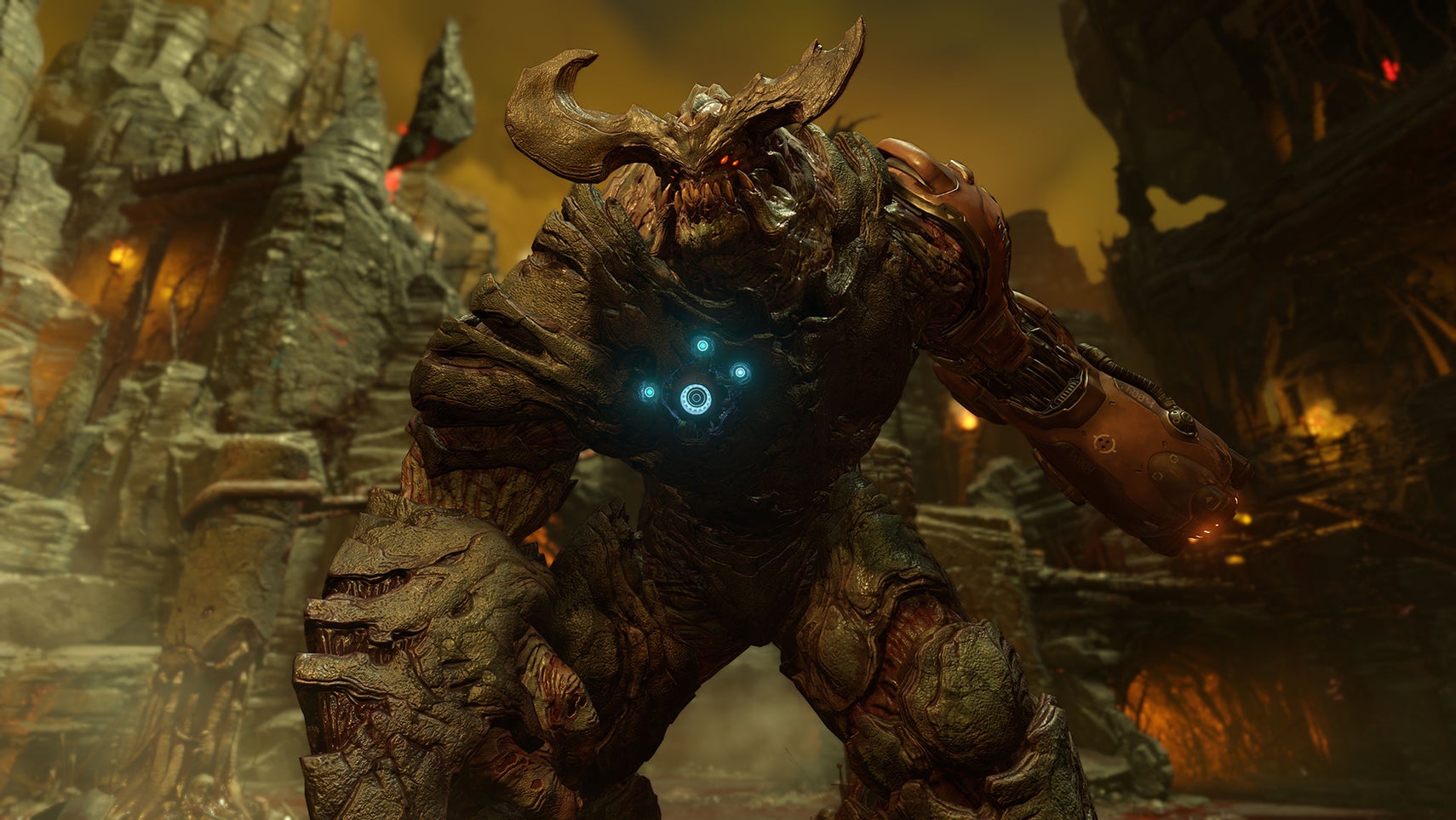
This internal discord is palpable, with one source directly stating, "I don’t agree with Hugo’s statement and many who were laid off were upset by those comments and saw it as viewing their contributions as insignificant to the success of our games. I’ve been a gamer my whole life. If you cut a stat in half everyone would call that nerfed. In truth the Doom team is half here, half thrown away." This sentiment underscores a feeling of betrayal and a perception that the studio’s most valuable assets—its experienced developers—have been undervalued and discarded. The analogy of a "nerfed" game stat powerfully conveys the sense of a significant diminishment of the team’s capabilities.
A Legacy Forged in Fire and Crunch
The current internal turmoil at id Software is inextricably linked to its recent history, particularly the challenging development of Doom (2016). Sources recall that a previous iteration of the game, often referred to as "Doom 4," was a catastrophic failure that nearly led to the studio’s demise. The revitalization of the franchise and the eventual triumph of Doom (2016) were not achieved easily. It reportedly took approximately seven years to bring the game to fruition, a period characterized by immense pressure and significant "crunch"—an industry term referring to periods of intense overtime required to meet development deadlines.
The sources lament that individuals who endured "an unsafe number of hours to make that happen" were among those laid off. This highlights a perceived lack of appreciation for the sacrifices made by these long-serving employees. The implication is that the very developers who were instrumental in rescuing the studio and delivering a monumental success have now been deemed expendable, a narrative that clashes sharply with the image of a stable and thriving development environment.

Historical Context: Cycles of Growth and Contraction
The current situation at id Software can also be understood within the broader context of its operational history. Another source pointed to a period of significant upheaval between 2010 and 2011, when the studio experienced "massive turnover and exodus." This era reportedly left id Software in a precarious state, necessitating a subsequent ramp-up in hiring and the eventual involvement of external studios to support the final stages of development for key titles.
This historical pattern suggests that id Software has navigated periods of both expansion and contraction. However, the current wave of layoffs, occurring under Microsoft’s ownership and within the broader restructuring of the Xbox division, raises questions about the long-term strategy for the studio. The concern is that a severely trimmed-down id Software may struggle to independently develop another triple-A shooter to meet Microsoft’s ambitious expectations, especially given the intense pressure and high stakes associated with flagship franchises like Doom and Quake.
Microsoft’s Xbox Restructuring: A Broader Trend
The layoffs at id Software are not isolated incidents but part of a wider, significant restructuring within Microsoft’s Xbox division. In early February 2024, Microsoft announced the elimination of approximately 1,900 jobs across its gaming division, impacting studios like Activision Blizzard, Bethesda, and Xbox Game Studios. This move followed Microsoft’s monumental acquisition of Activision Blizzard for $68.7 billion in October 2023, a deal that was expected to bolster Microsoft’s gaming portfolio but has also led to significant operational adjustments.

The justification provided by Microsoft Gaming CEO Phil Spencer for these cuts was a need to align costs with the company’s growth strategy, emphasizing a focus on long-term sustainability and investment in future projects. However, for the thousands of employees affected, the immediate reality is one of job loss and uncertainty. The impact has been felt across various departments, from publishing and marketing to game development itself. Studios such as Arkane Austin, Tango Gameworks, and Alpha Dog Games were entirely shuttered, while others, like Bethesda Game Studios, experienced significant reductions in staff.
The Future of Doom and Quake: Unclear Horizons
Despite the internal disquiet and the evident impact of the layoffs, there are indications that Microsoft remains invested in the future of id Software’s flagship franchises. The recent unveiling of Doom: The Dark Ages at the Xbox Games Showcase 2024, a new entry in the iconic series, suggests a continued commitment to the franchise. Furthermore, reports indicate that Xbox leadership is "very interested" in seeing more Doom and Quake games developed.
However, the ability of a potentially depleted id Software to deliver on these expectations independently is a significant question mark. The reliance on external studios for support, a strategy that has been employed in the past, might become more pronounced. The challenge for Microsoft will be to balance cost-saving measures with the preservation of id Software’s creative DNA and its capacity for innovation. The success of future Doom and Quake titles will likely depend on its ability to retain and attract top talent, foster a healthy development environment, and provide the necessary resources for ambitious projects.

Analysis: The Delicate Balance of Restructuring and Creativity
Microsoft’s strategic decisions regarding its gaming division are indicative of a broader industry trend towards consolidation and efficiency. The acquisition of Activision Blizzard was a bold move designed to solidify Xbox’s position in the market, but it has inevitably led to difficult choices regarding workforce and studio operations. The layoffs at id Software, while framed as part of a necessary realignment, raise critical questions about the long-term health of a studio renowned for its pioneering spirit and technical prowess.
The conflict between Hugo Martin’s public statements and the accounts of affected employees highlights the complexities of managing such significant organizational change. While leadership aims to project confidence and a clear path forward, the human cost of these decisions can create internal friction and damage morale. For a studio like id Software, where passion, dedication, and creative collaboration are paramount, maintaining a positive and supportive work environment is crucial for sustained success.
The coming months will be critical in determining the trajectory of id Software. Will the studio be able to rebuild and retain its core talent? Can it continue to innovate and deliver the visceral, high-octane experiences that have defined its legacy? The answers to these questions will not only shape the future of Doom and Quake but also offer insights into Microsoft’s broader strategy for cultivating and supporting its most prized game development studios in an increasingly competitive landscape. The narrative emerging from id Software is a cautionary tale about the challenges of large-scale corporate restructuring and its profound impact on the creative heart of a legendary game development studio.
Related posts: