Apple Keeps Palettes Unchanged for New M6 iMac Despite Rumors of Fresh Shades

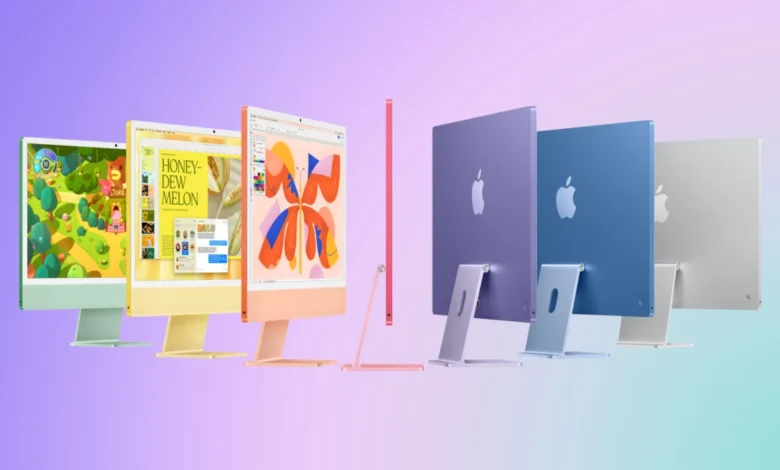
Apple has officially pulled back the curtain on its latest generation of desktop computers, introducing the new M6 iMac models to the global market. However, despite widespread industry speculation and pre-launch leaks suggesting that consumers would finally be treated to a completely overhauled color palette, the tech giant has opted to stick with familiarity. The newly announced M6 iMac retains the exact same seven color options that have defined Apple’s all-in-one desktop lineup for years, dashing hopes for fresh shades among enthusiasts looking for a vibrant workspace aesthetic.
Main Facts and Specifications of the M6 iMac
Priced starting at $1,499, the M6 iMac brings under-the-hood performance upgrades rather than external visual redesigns. At the heart of the new machine is Apple’s cutting-edge M6 system-on-a-chip, a processor that previously made its debut earlier in the year within the redesigned Mac mini. This next-generation silicon promises substantial leaps in both raw computational power and energy efficiency, handling intensive creative workflows, multitasking, and daily productivity tasks with ease.
Beyond the M6 processor, Apple has integrated several modern connectivity and hardware enhancements. The new desktop computer features a noticeably faster Solid State Drive (SSD), providing quicker boot times, rapid file transfers, and snappy application launching. Furthermore, the inclusion of Apple’s proprietary N1 networking chip brings state-of-the-art wireless capabilities to the desktop, supporting both Wi-Fi 7 and Bluetooth 6 standards. These upgrades ensure that the M6 iMac is future-proofed for modern home and office network infrastructures, offering lower latency and significantly higher data throughput.
True to Apple’s hardware ecosystem philosophy, the iMac continues to ship bundled with meticulously color-matched accessories. Buyers receive a matching Magic Keyboard, Magic Mouse (or optional Magic Trackpad), and braided USB-C charging cables that harmonize with the chassis color. Because the peripherals and cables are color-coordinated with the main unit, the choice of computer color carries more aesthetic weight for iMac buyers than it typically does for MacBook or Mac Pro purchasers, who often rely on more neutral, utilitarian desktop setups.
Chronology of the Release and Pre-Order Timeline
The road to the M6 iMac’s announcement has been marked by careful logistical planning and industry anticipation. The sequence of events leading up to the retail launch outlines Apple’s targeted approach to the late-2026 product cycle:
- Late August 2026: Industry analysts, notably Bloomberg’s Mark Gurman, report that the upcoming M6 iMac refresh would likely introduce "some new color options" to the established lineup, generating significant consumer buzz and speculation across tech forums.
- Mid-October 2026: Apple issues exclusive media invitations for an all-day product launch experience scheduled for Wednesday, October 28, in Los Angeles, signaling an imminent hardware drop.
- Sunday, October 18, 2026: Reports surface detailing Apple’s aggressive autumn hardware schedule, mapping out sequential Friday releases for multiple product categories throughout November.
- Tuesday, October 27, 2026: Apple officially announces the M6 iMac via a press release, clarifying that the exterior color lineup remains unchanged despite prior rumors.
- Wednesday, October 28, 2026: Media outlets participate in the hands-on launch experience in Los Angeles, evaluating the touchscreen MacBooks, updated iPad minis, and M6-powered Macs.
- Thursday, October 28, 2026: Official pre-orders for the M6 iMac open globally at 10:10 a.m. Pacific Time.
- Friday, November 6, 2026: The official retail launch and in-store availability begin, kicking off a busy month of anticipated Apple hardware rollouts.
The Color Debate: Expectation Versus Reality
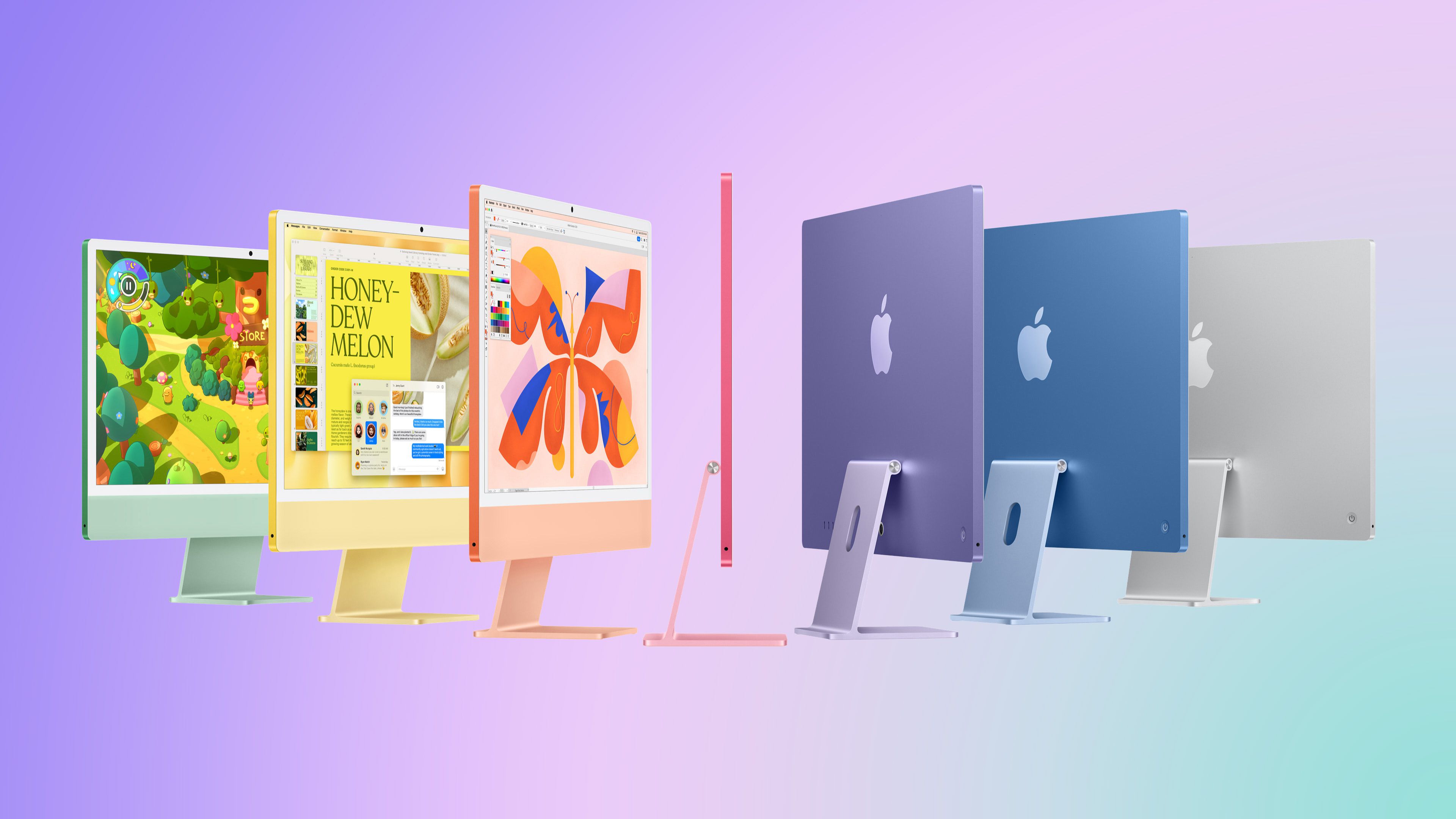
The decision to retain the existing color palette has sparked considerable discussion among Apple followers and design critics. To understand the current lineup, one must look back at the evolution of Apple’s vibrant desktop strategy. In April 2021, Apple revolutionized the consumer desktop market by introducing a radically thin iMac powered by the original M1 chip, available in seven distinct shades: green, yellow, orange, pink, purple, blue, and silver. This colorful philosophy drew deliberate parallels to the iconic 1998 Bondi Blue iMac G4, which saved the company from financial peril by injecting personality into personal computing.
In late 2024, Apple slightly refreshed the palette by applying richer, more vibrant saturations to the rear aluminum chassis of those same seven core colors, while keeping the pastel front-facing bezels relatively subdued to prevent visual fatigue during screen time. Naturally, when industry insiders hinted at new additions for the M6 generation—such as a deep space gray, a matte black, or perhaps a rich burgundy—prospective buyers anticipated a broader expansion of choices.
Instead, consumers must select from the familiar roster of green, yellow, orange, pink, purple, blue, and silver. While some consumers expressed mild disappointment over the lack of brand-new shades, market analysts note that maintaining a stable manufacturing pipeline for these specialized anodized aluminum finishes allows Apple to optimize supply chain costs and focus R&D budgets on internal performance metrics rather than cosmetic variations.
Broader Industry Impact and Market Implications
The release of the M6 iMac arrives at a critical juncture for the desktop personal computer market. As remote and hybrid work environments mature, consumer demand has shifted away from pandemic-era panic buying toward calculated, performance-driven upgrades. By anchoring the $1,499 starting price point while drastically boosting internal hardware capabilities—specifically through the M6 chip, faster SSD architectures, and Wi-Fi 7 compatibility—Apple is positioning the iMac as a long-term investment for creative professionals, educational institutions, and mainstream households alike.
Furthermore, the simultaneous rollout of complementary hardware, such as OLED-display MacBook Pros and refreshed iPad minis during the same autumn window, demonstrates Apple’s concerted effort to unify its entire hardware ecosystem under next-generation silicon standards. The integration of advanced networking components like Wi-Fi 7 also signals to enterprise and high-bandwidth home consumers that Apple’s desktop offerings are prepared to interface seamlessly with modern routers and smart home automation hubs, which are becoming increasingly prevalent in consumer tech ecosystems.
As pre-orders commence and retail shelves prepare for the November 6 launch, market observers will be watching closely to see whether the stability of the color palette impacts consumer demand or if the performance gains delivered by the M6 architecture far outweigh aesthetic considerations. For now, the iMac remains a colorful staple of Apple’s desktop lineup, proving that while hardware specs evolve rapidly, some classic design choices are built to endure.