Apple Enters the Foldable Market With the iPhone Duo: A $1,999 Leap Into Dual-Screen Mobile Computing

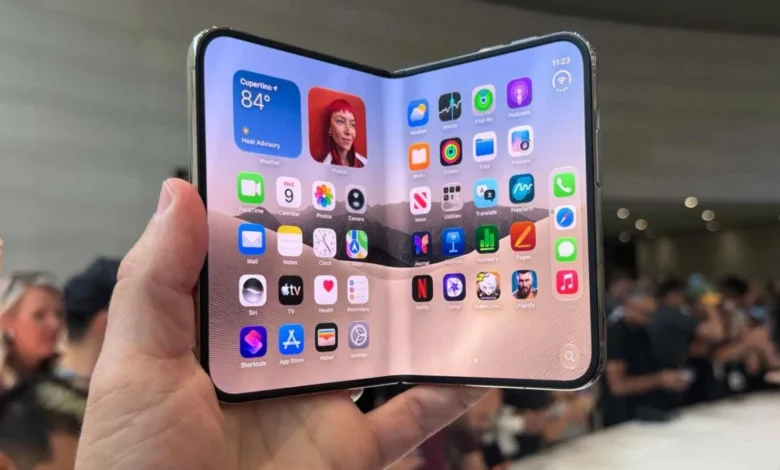
Apple has officially broken its silence on the foldable smartphone market with the announcement of the iPhone Duo, marking the Cupertino-based tech giant’s first commercial venture into dual-screen, folding hardware. Long anticipated by industry analysts and consumers alike, the device represents years of behind-the-scenes research and development aimed at overcoming the traditional hardware limitations of foldable displays, such as noticeable creases, structural fragility, and compromised software adaptation.
Priced starting at $1,999 for the baseline 256GB storage tier, the iPhone Duo positions itself at the apex of the ultra-premium smartphone market. Pre-orders are slated to begin on Friday, October 16, with official retail availability and shipping following a week later on October 23. While the device enters a maturing market currently anchored by competitors like Samsung, Google, and various Chinese manufacturers, Apple’s entry is expected to fundamentally shift consumer expectations and accelerate mainstream adoption of foldable technology.
Pricing, Storage Options, and Market Placement
The entry-level $1,999 price tag secures 256GB of onboard storage, placing the iPhone Duo $100 above Samsung’s flagship Galaxy Z Fold 8. For consumers requiring higher storage capacities, Apple offers several tiered configurations: 512GB for $2,199, 1TB for $2,599, and a massive 2TB tier priced at $3,199.
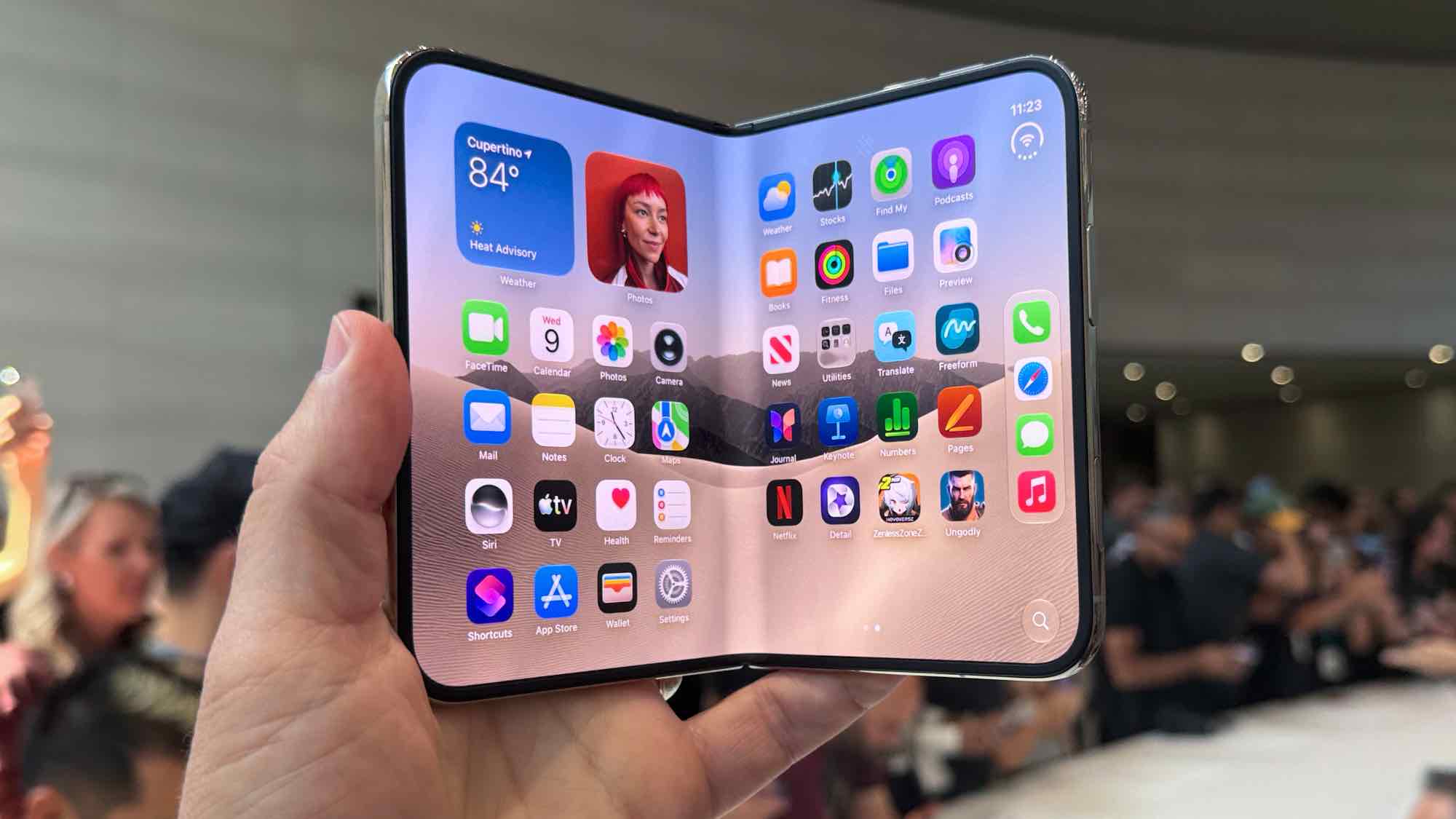
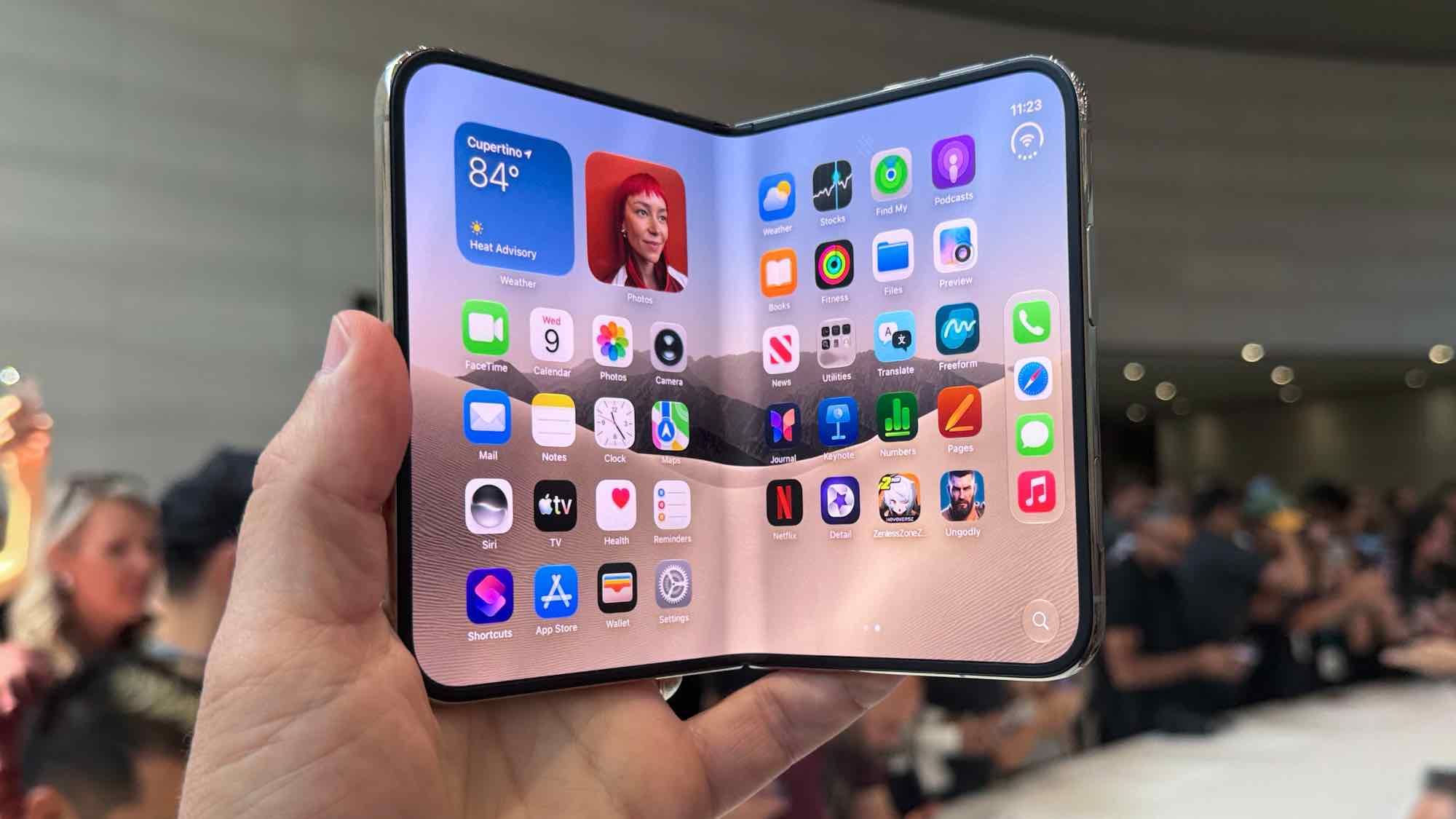
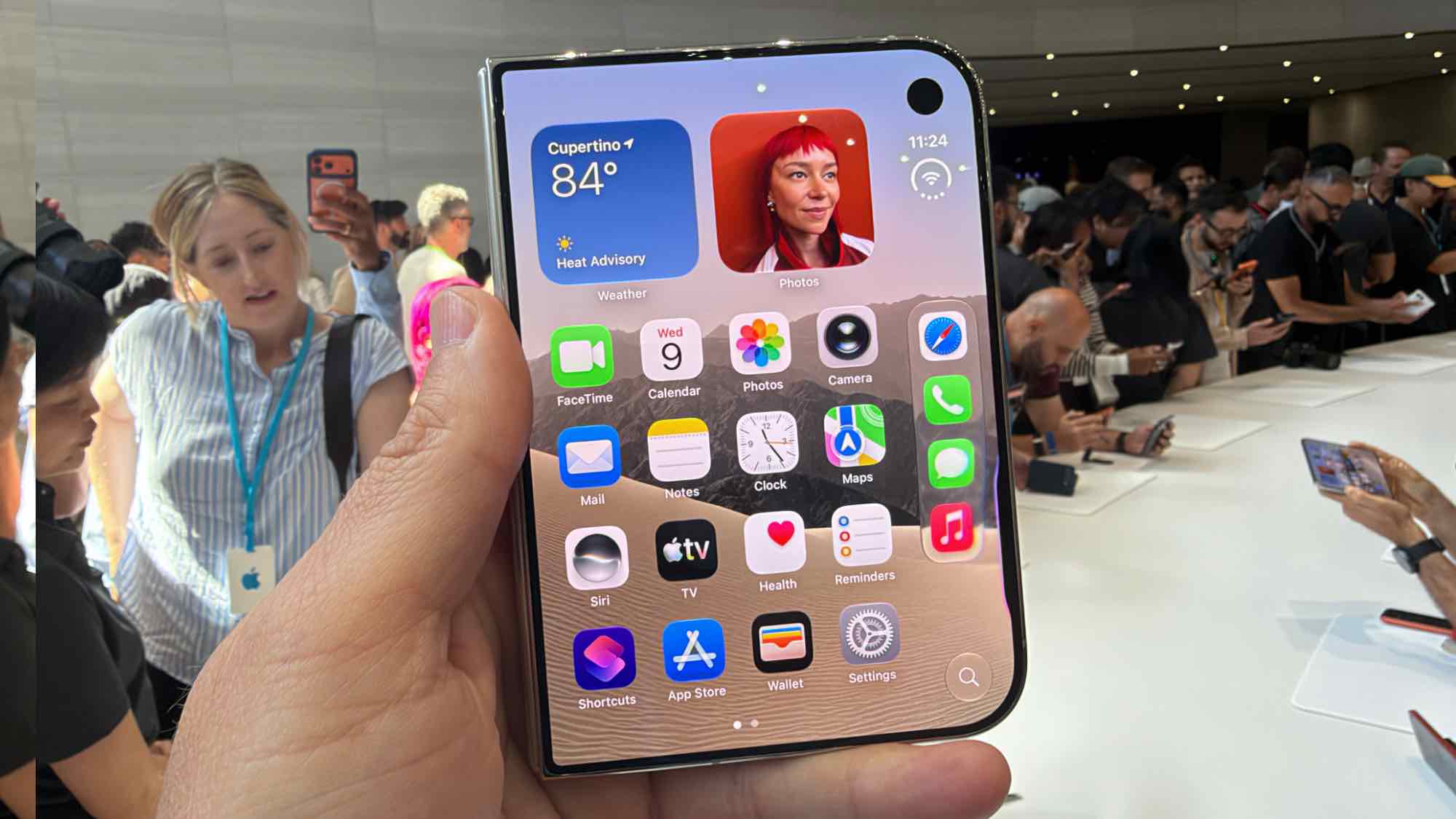
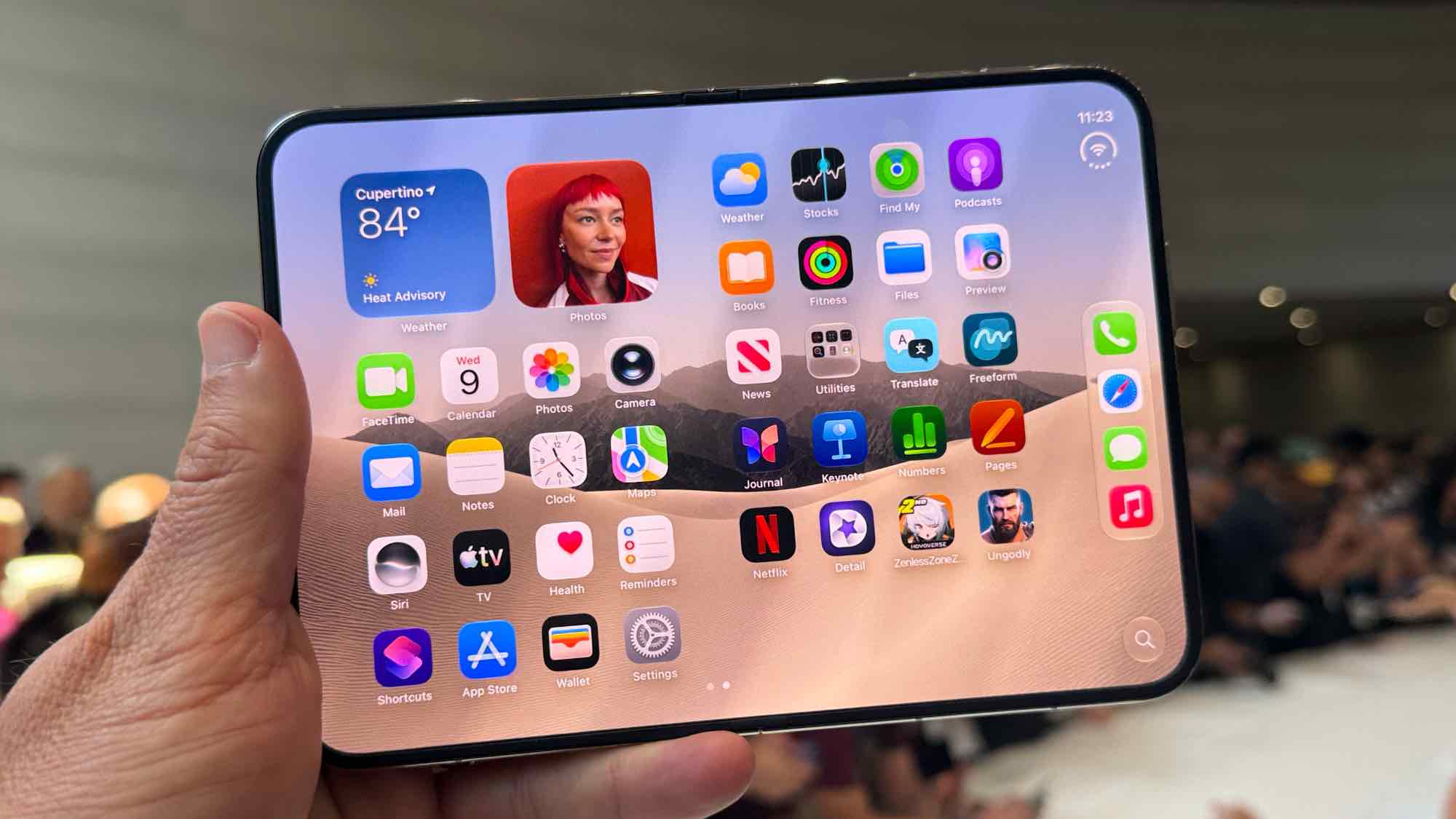
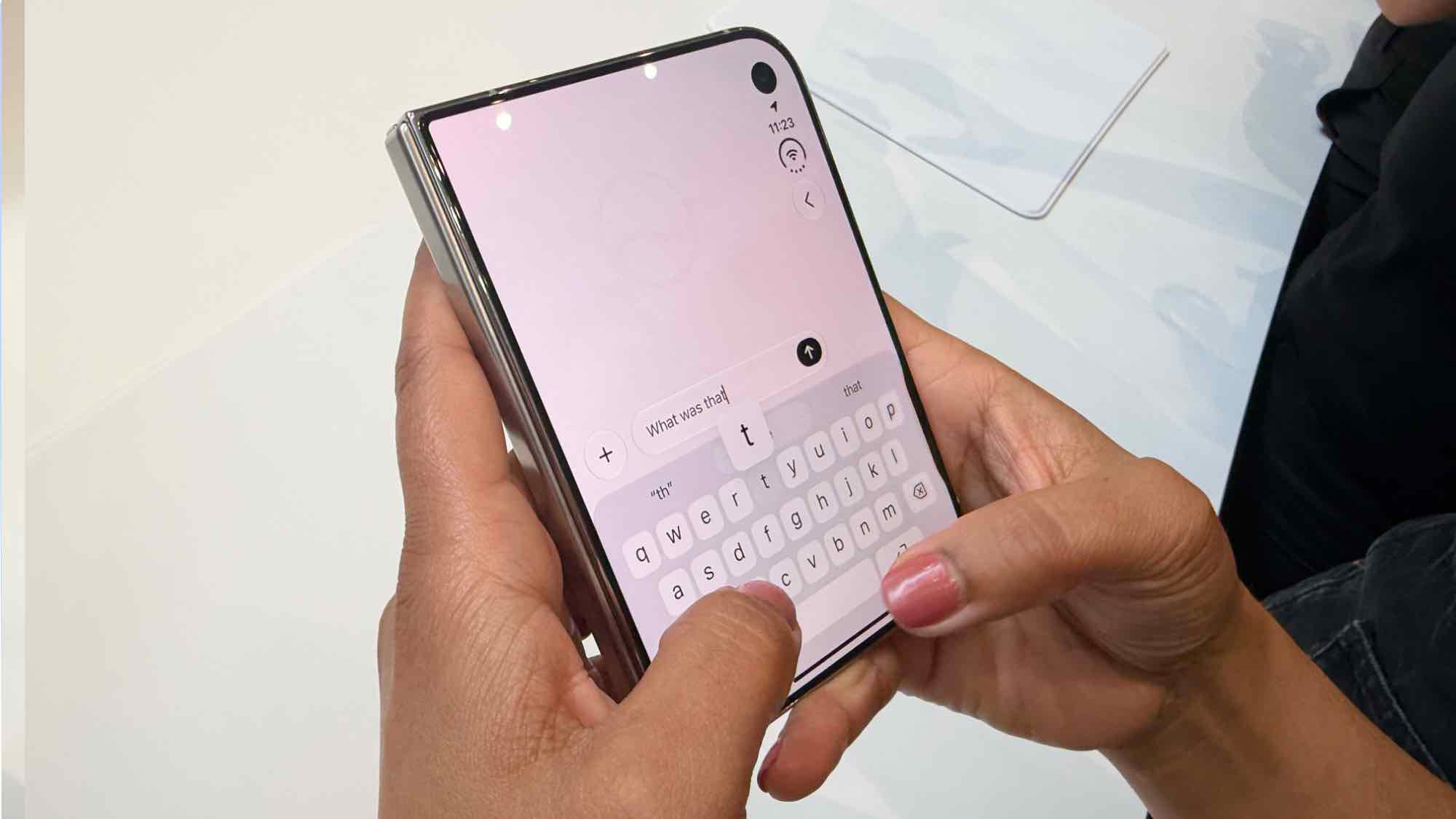
In terms of physical hardware specifications, the iPhone Duo features a 5.4-inch Super Retina XDR outer cover display with a resolution of 1,398 x 2,034, designed for comfortable one-handed operation. When unfolded, the device reveals a sprawling 7.6-inch Super Retina XDR main inner screen boasting a resolution of 1,878 x 2,670. Powered by Apple’s next-generation A20 Pro processor and backed by 12GB of RAM, the device is engineered to handle heavy multitasking, complex machine learning workloads, and high-end console-quality gaming via its upgraded 7-core GPU.
Chronology of Development and Industry Context
The path to the iPhone Duo has been characterized by intense speculation. For over half a decade, display manufacturers, patent filings, and supply chain leaks hinted that Apple was experimenting with foldable form factors. Competitors such as Samsung launched their first foldable devices in 2019, allowing Android manufacturers to iterate through multiple generations of hardware—refining hinges, reducing thickness, and improving cover screen usability—long before Apple deemed the technology ready for mass production.
Apple’s deliberate delay was reportedly driven by a refusal to compromise on durability and user experience. Industry insiders noted that early prototypes suffered from visible creases, inadequate battery life under dual-screen operation, and a lack of robust software ecosystems tailored for folding canvases. By taking a patient approach, Apple has entered the market with mature display technology, a custom-engineered hinge system, and a deeply integrated software suite designed to bypass the growing pains that plagued early foldable devices from rival brands.
Hardware Engineering, Durability, and Design
One of the most notable engineering achievements of the iPhone Duo is its display integrity. While a crease remains subtly visible under direct lighting at certain angles, Apple has successfully eliminated the tactile ridge, meaning users cannot feel the fold when running their fingers across the 7.6-inch inner canvas. Furthermore, the inner panel features a specialized nano-texture cover layer and a scratch-resistant coating that Apple claims is up to 40 percent stiffer than competing foldable screens on the market.
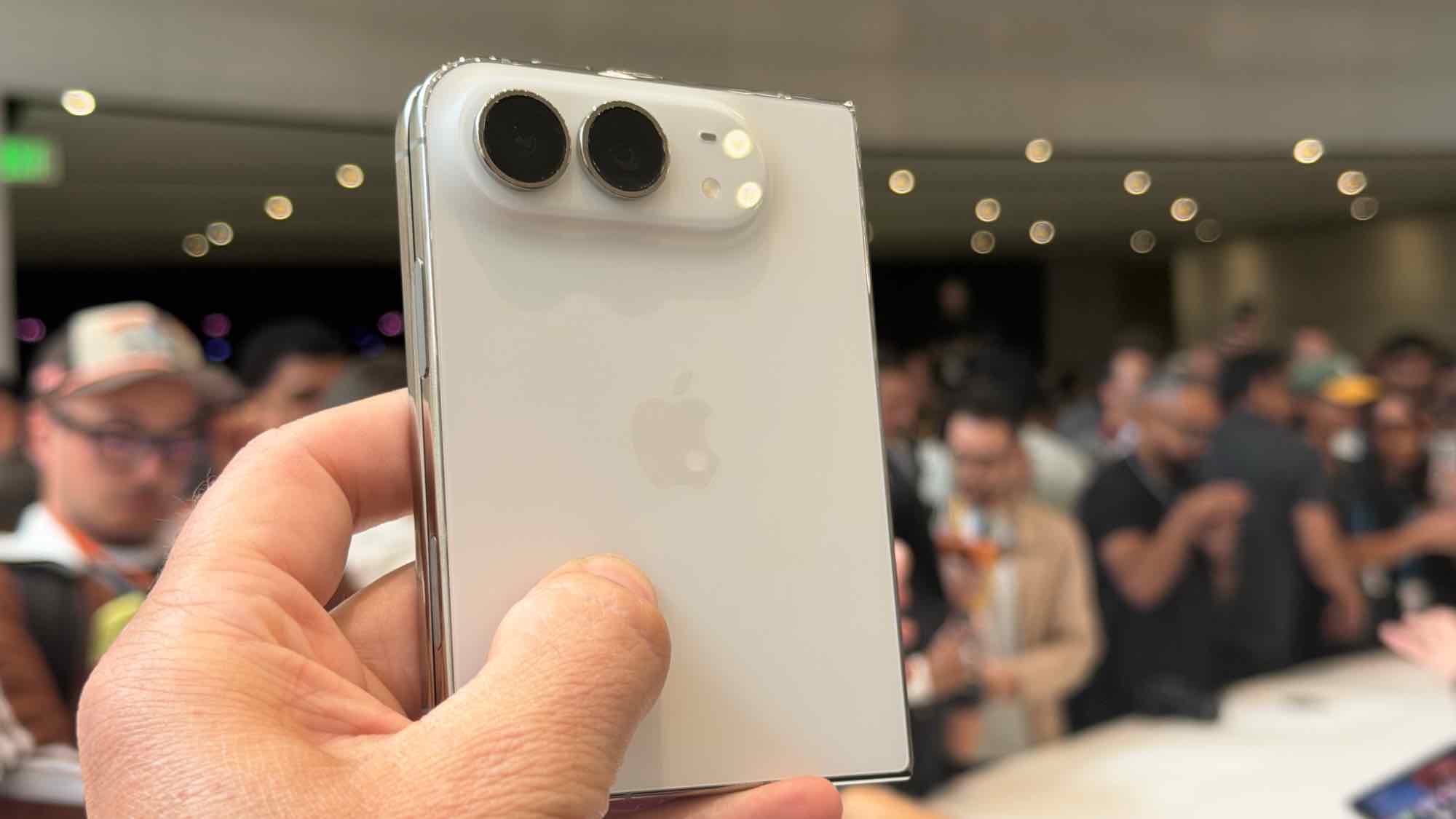
Durability has historically been a primary concern for foldable smartphones, particularly regarding dust and water ingress. The iPhone Duo addresses this head-on by achieving an IP68 dust and water resistance rating, outperforming competitors like the Samsung Galaxy Z Fold series, which typically lack formal dust protection. The structural chassis is constructed from Grade 5 titanium, complemented by Ceramic Shield glass on the rear panel and upgraded Ceramic Shield 2 on the outer cover display.
Despite these advanced materials, the iPhone Duo is notably heavier and thicker than some of its Android rivals. When fully unfolded, the device measures 5.2mm in thickness (164.6 x 117.8 x 5.2mm), compared to the Galaxy Z Fold 8’s 4.5mm profile. When closed, it measures 11.3mm thick and weighs 254 grams (8.96 ounces), making it heavier than the 201-gram footprint of Samsung’s competing device.

Camera Capabilities and Imaging Technology
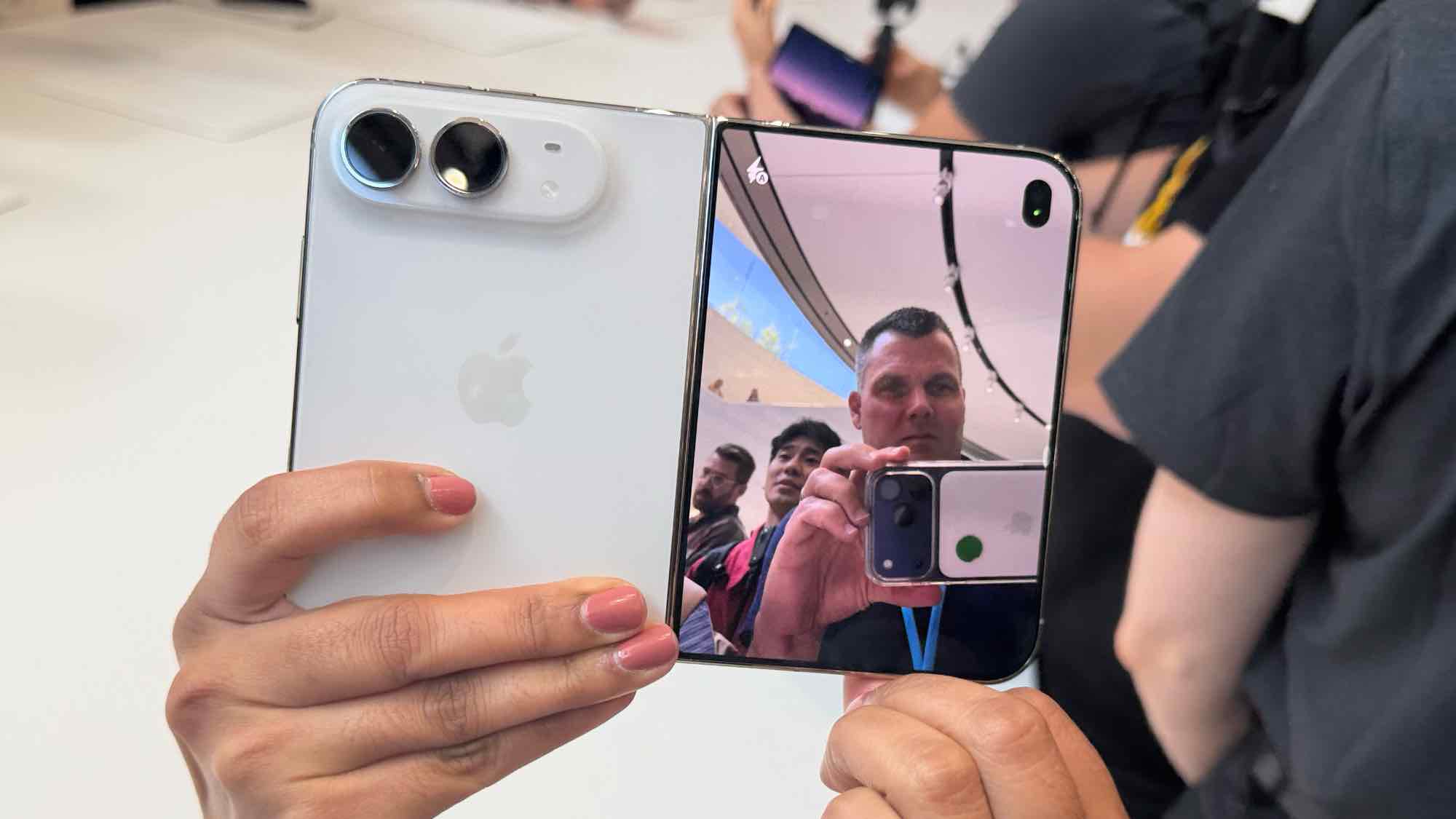
The camera array on the iPhone Duo diverges slightly from Apple’s traditional Pro smartphone lineup by omitting a dedicated physical telephoto lens. Instead, the rear module houses a 48-megapixel Fusion Main camera (f/1.6 aperture) capable of delivering "optical quality" 2-times telephoto shots through sensor cropping, alongside a 48-megapixel ultrawide camera (f/2.2 aperture) providing a broad field of view. Front-facing photography is handled by dual 24-megapixel cameras situated on both the cover and inner displays, with the inner camera cleverly designed to remain completely invisible beneath the display until activated.
Apple is heavily promoting the device’s flexible form factor as a new creative medium for content capture. Features such as "Smart Take" allow the device to autonomously snap photos when it detects that all subjects within the frame are in focus, removing the need for manual timers. Additionally, "Duo Preview" mirrors live viewfinder feeds onto the outer cover display, while "Kid Cue" utilizes on-screen animations to draw the attention of young children toward the camera during portrait sessions. Users can also conduct collaborative FaceTime calls where secondary participants can join using the outer display.
Software Ecosystem and Multitasking Integration
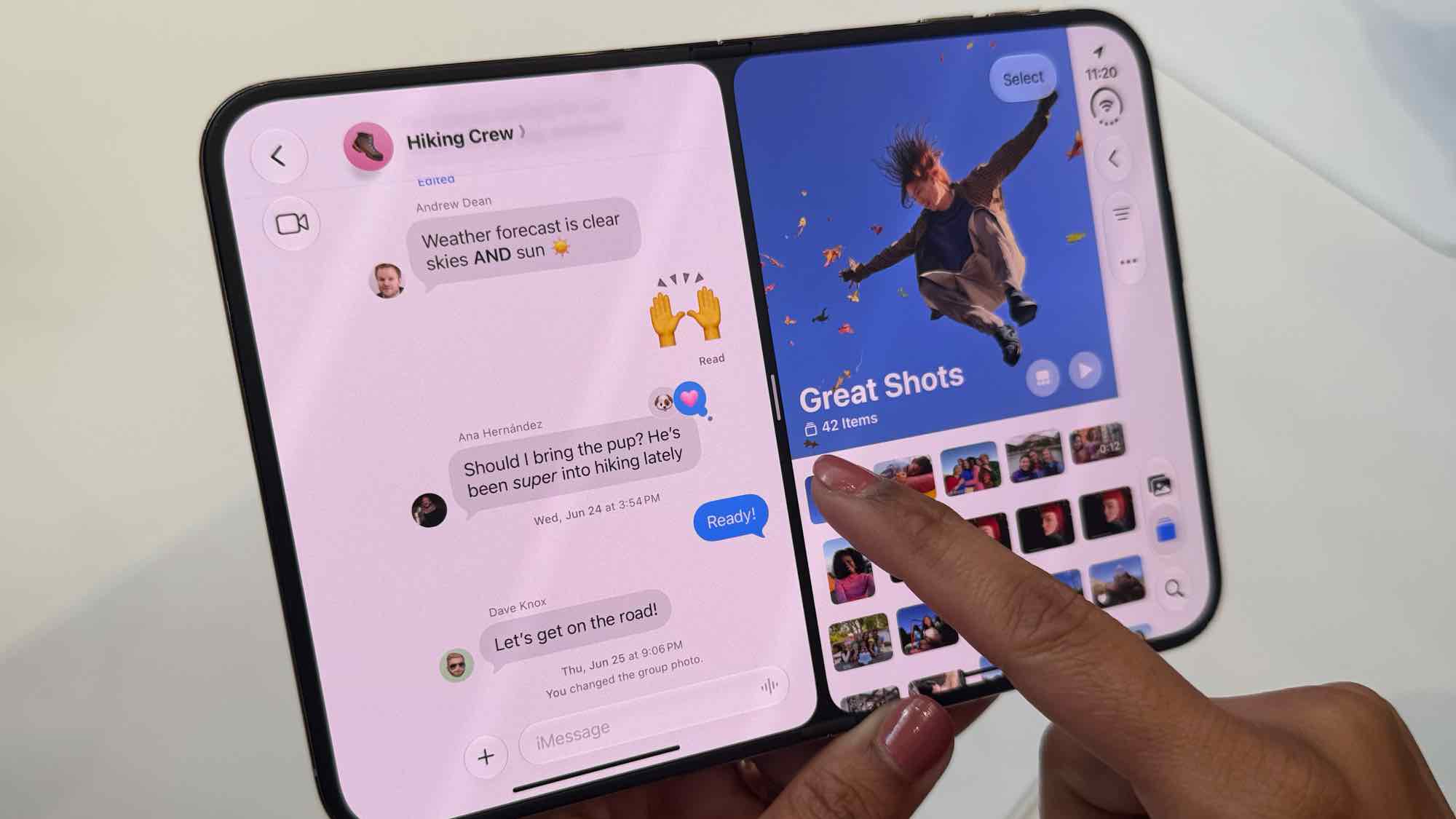
The software experience on the iPhone Duo represents a complete overhaul of iOS for folding form factors. Apple has systematically redesigned its native application ecosystem, relocating core control elements and navigation menus to the right side of the display for improved reachability.
Operating system behavior dynamically adjusts based on the physical angle of the device. When folded into a halfway position—often referred to as Flex View—applications like Netflix automatically reconfigure themselves, placing video playback on the upper half of the screen and playback controls on the lower half. Third-party developers have also begun optimizing major productivity tools, including Zoom and Slack, to leverage the expanded real estate.
Multitasking is executed through a gesture-based system. Users can launch secondary applications by dragging a window slightly upward and snapping it to either the left or right side of the inner display. Powering these fluid transitions is the A20 Pro chip, which Apple claims delivers up to 35 percent better sustained performance compared to the iPhone 17 Pro Max, aided by a custom internal vapor chamber for thermal dissipation.
Battery Life, Power Management, and Charging
To sustain two independent displays and high-performance processing demands, the iPhone Duo incorporates a dual-battery system engineered for all-day endurance. Apple’s official power metrics rate the device for up to 44 hours of continuous video playback utilizing the outer cover display, and up to 31 hours when utilizing the larger 7.6-inch main interior screen (totaling a 4,883 mAh capacity).
Rapid charging capabilities are supported via wired connections reaching up to 50% capacity in approximately 20 minutes using a compatible 35W adapter. Wireless charging via MagSafe and Qi2 standards allows users to recover 50% battery life in roughly 30 minutes.
Broader Industry Implications and Outlook
The commercial launch of the iPhone Duo is poised to validate the foldable smartphone category for the mainstream consumer market. While early adopters must contend with a steep $1,999 barrier to entry, a slightly heavier chassis, and the absence of a dedicated physical optical zoom lens, the device establishes a new benchmark for build quality, software refinement, and structural durability.
Industry analysts suggest that Apple’s entry will pressure competitors to accelerate their own innovations in dust resistance, crease reduction, and software optimization. Whether the iPhone Duo can justify its premium price point and capture significant market share from entrenched Android foldable manufacturers will be determined as units reach consumers and undergo rigorous, long-term real-world testing.