Black Forest Games Secures Independence from Embracer Group Through Management Buyout and Co-Founds Third Signal

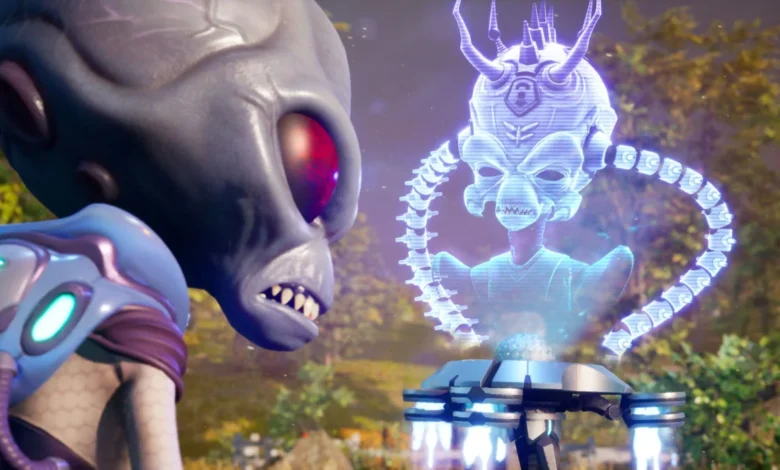
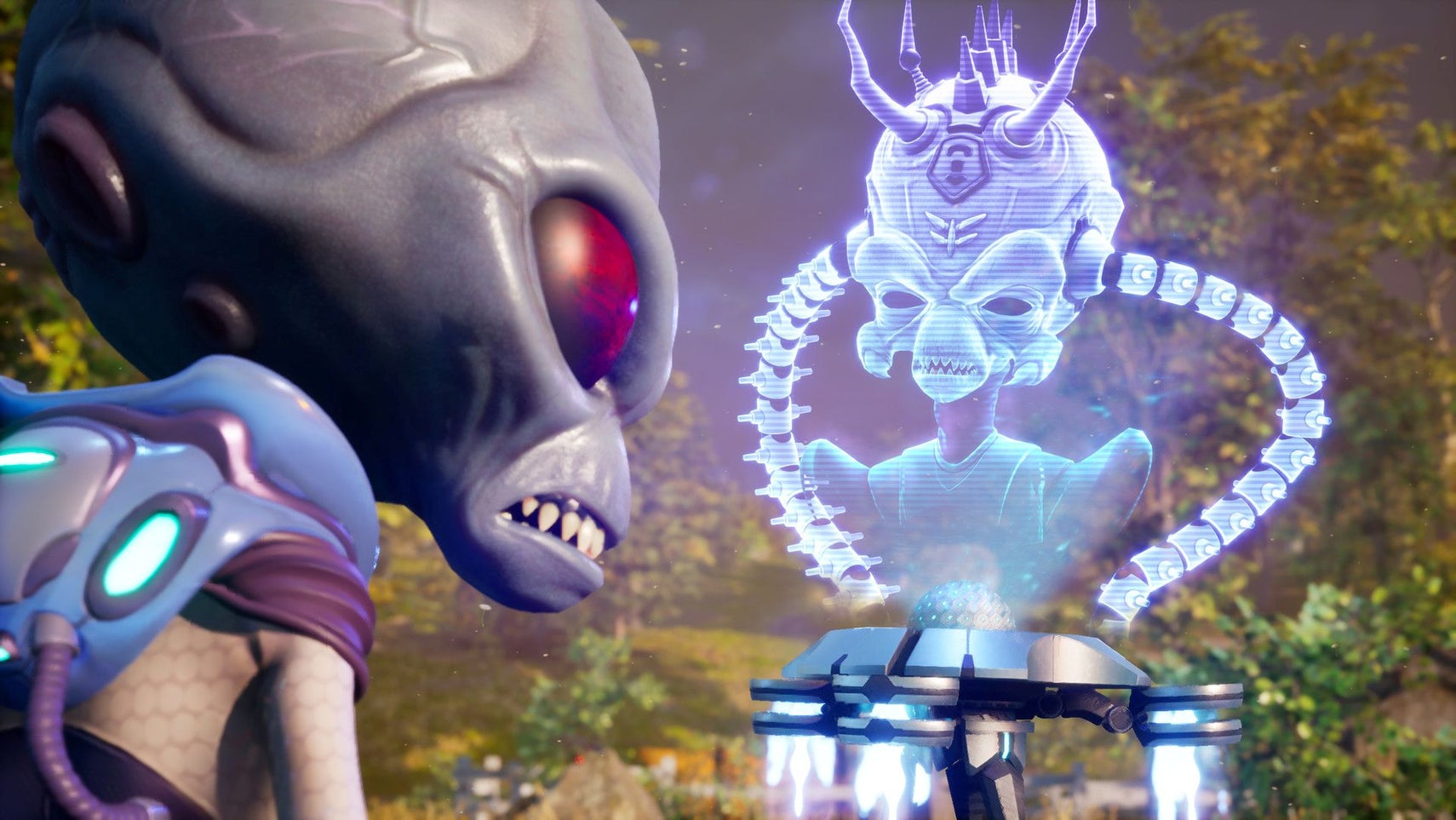
Black Forest Games, the German video game development studio widely recognized for breathing new life into the cult-classic Destroy All Humans franchise, has officially separated from its former corporate parent, THQ Nordic and the broader Embracer Group. Through a strategic management buyout, the studio has achieved complete structural independence. Following this corporate pivot, the leadership team wasted no time establishing Third Signal, a newly formed umbrella collective designed to support independent development studios by pooling operational resources, sharing expertise, and providing structural independence to mid-sized creative teams.
The departure of Black Forest Games marks another significant milestone in the ongoing, multi-year restructuring effort undertaken by the Embracer Group. This corporate realignment has reshaped the global video game landscape through a series of widespread divestments, studio closures, and asset sell-offs. For Black Forest Games, this transition represents a return to a more agile, developer-focused operational model, enabling the studio to chart its own path in an increasingly volatile industry.
Background Context and Corporate History
Founded originally as Spellbound Entertainment in 1994, the studio was based in Offenburg, Germany, before undergoing restructuring and rebranding as Black Forest Games in 2012. Over its decades-long history, the developer built a reputation for resilience and adaptability, working on a diverse array of projects ranging from strategy titles like Giana Sisters: Twisted Dreams to high-profile adaptations and remakes.
In August 2017, Black Forest Games caught the attention of THQ Nordic, becoming one of the earliest high-profile acquisitions by the rapidly expanding Embracer Group (then known as Nordic Games Holding). At the time, Embracer was executing an aggressive acquisition strategy, gobbling up intellectual properties, publishing labels, and development studios across North America and Europe. This unprecedented buying spree eventually brought massive industry pillars under the Embracer umbrella, including Dark Horse Comics, Middle-earth Enterprises (holding the rights to The Lord of the Rings), Crystal Dynamics, Eidos-Montréal, and Gearbox Entertainment.
However, the rapid expansion strategy ultimately proved unsustainable. In the fiscal year 2023–2024, a major $2 billion strategic partnership fell through at the eleventh hour, plunging Embracer Group into a severe financial crisis. This necessitated a massive internal restructuring program that involved widespread layoffs, the cancellation of dozens of unannounced video game projects, and the complete divestment of several recently acquired assets. Among the most notable casualties of this downsizing was the sale of Borderlands developer Gearbox Entertainment to Take-Two Interactive for $460 million in early 2024.
Against this backdrop of corporate instability, subsidiary studios like Black Forest Games faced mounting pressure to secure their long-term futures. The management buyout provides the German developer with the autonomy required to navigate the current economic climate without being subjected to the shifting quarterly financial demands of a publicly traded conglomerate.
Chronology of Key Events
The trajectory leading to Black Forest Games’ independence spans several defining operational phases:
- 1994: Spellbound Entertainment is established in Offenburg, Germany, laying the groundwork for what would eventually become Black Forest Games.
- 2012: Following financial difficulties, the studio is restructured and formally relaunched under the name Black Forest Games, releasing titles such as Giana Sisters: Twisted Dreams.
- August 2017: Embracer Group (via its subsidiary THQ Nordic) officially acquires Black Forest Games, integrating it into its burgeoning stable of European developers.
- 2020: Black Forest Games releases Destroy All Humans!, a full-scale remake of THQ’s 2005 original science-fiction action-adventure game, meeting with favorable commercial and critical reception.
- 2022: The studio follows up its previous success with the release of Destroy All Humans! 2: Reprobed, continuing the satirical, alien-invasion adventures of protagonist Cryptosporidium-137.
- 2023–2024: Embracer Group enters a deep financial crisis following the collapse of a major investment deal, triggering industry-wide restructuring, studio closures, and asset sales.
- Late 2024 / Early 2025: Black Forest Games negotiates and finalizes a management buyout from THQ Nordic and Embracer Group, securing its independence and co-founding the Third Signal initiative.
The Birth of Third Signal and Developer Autonomy
At the heart of Black Forest Games’ new chapter is the creation of Third Signal. Described as a developer-driven collective, Third Signal aims to combat the corporate homogenization and bureaucratic bloat that frequently plague modern AAA video game development. By providing participating indie studios with shared infrastructure, financial resources, and operational guidance, the collective hopes to foster sustainable environments where creative risks can flourish.

Andreas Tobler, Chief Executive Officer of Third Signal, emphasized the philosophy behind the new initiative in a formal press release accompanying the announcement. "Some of the best games of the last decade came from teams of 50, not 500," Tobler stated. "Black Forest Games is one of them, and the right studio to launch Third Signal. Our vision is to build a developer-driven group and give teams the independence, resources, and creative freedom to continue their creative legacy and bring their own ideas to life."
Industry analysts have noted that the mid-sized game development sector—often referred to as the "AA" space—has faced significant viability challenges in recent years. As production costs for top-tier AAA games skyrocket past $200 million per title, publishers have become increasingly risk-averse. Initiatives like Third Signal aim to bridge the gap by offering the financial stability of a larger corporate backing while preserving the nimble, creative culture typical of smaller independent studios.
Future Outlook for Destroy All Humans and Ongoing Partnerships
Despite splitting from THQ Nordic and the Embracer Group, Black Forest Games has confirmed that it will maintain a working relationship with its former parent company. While ownership of the Destroy All Humans intellectual property remains with THQ Nordic, the amicable nature of the buyout leaves the door open for future collaborations.
The Destroy All Humans franchise holds a unique place in gaming history. Originally launched by Pandemic Studios in 2005, the series earned a cult following for its irreverent humor, B-movie science-fiction pastiche, and chaotic open-world sandbox gameplay. Following the success of the first two games, the franchise experienced a steep decline in critical and commercial reception with sequels like Destroy All Humans! Big Willy Unleashed and Path of the Furon, which suffered from technical issues and shifting developer oversight.
Black Forest Games successfully revived consumer interest in the franchise through polished, faithful remakes that modernized the controls and visuals while retaining the anarchic, politically incorrect humor of the original titles. Although no official announcements have been made regarding a completely new entry or further remakes within the series, industry observers speculate that the positive working ties between Black Forest Games and THQ Nordic could pave the way for future projects involving the beloved alien protagonist, Cryptosporidium.

Broader Impact and Industry Implications
The management buyout of Black Forest Games is part of a broader, accelerating trend within the interactive entertainment industry. Across the globe, legacy studios that were acquired during the venture-capital and stock-market booms of the late 2010s are actively seeking ways to untangle themselves from large holding companies.
As corporate parents prioritize risk mitigation and strict profitability metrics, studio leaders are increasingly viewing management buyouts as a viable mechanism to regain creative control. For Black Forest Games, independence offers a shield against the sweeping layoffs and studio closures that continue to destabilize the broader gaming sector.
Ultimately, the formation of Third Signal and the successful buyout of Black Forest Games signal a potential shift toward decentralized, cooperative models of game development. By prioritizing team cohesion and creative autonomy over corporate expansion, the studio aims to demonstrate that mid-sized developers can not only survive but thrive in an evolving global market.
Related posts: