Tomb Raider: Catalyst Slips to 2028 as Amazon Games Navigates a Series of Development Hurdles

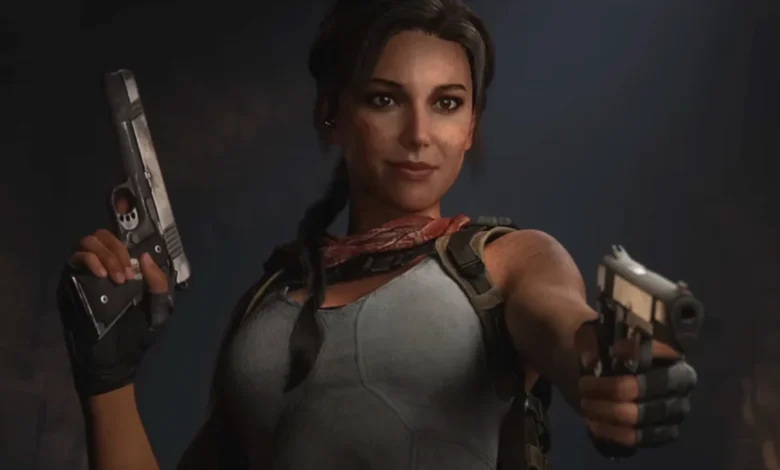
Amazon’s ambitious revival of the iconic Tomb Raider franchise is facing further significant delays, with the highly anticipated new entry, Tomb Raider: Catalyst, now slated for a 2028 release. This announcement, delivered with a notable lack of fanfare by Amazon’s head of gaming, Jeffrey Gattis, adds another layer of complexity to the company’s broader strategy in the interactive entertainment space. The delay for Catalyst, which was initially projected for a 2027 launch, follows earlier setbacks for another major Tomb Raider title and a series of other production challenges impacting both game development and the planned live-action adaptation.
Shifting Timelines and Strategic Realignments
The latest update on Tomb Raider: Catalyst came during a recent discussion between Jeffrey Gattis, Amazon’s head of gaming, and Chris Dring of The Game Business. In a conversation that touched upon Amazon’s expansive gaming portfolio and the recent relaunch of its Luna streaming platform, Gattis casually revealed the revised timeline. "We’ve obviously announced the two Tomb Raider titles: Atlantis comes 12th February next year and then we’ll follow on in 2028 with the next one," Gattis stated, referencing Tomb Raider: Legacy of Atlantis and the subsequent release of Catalyst.
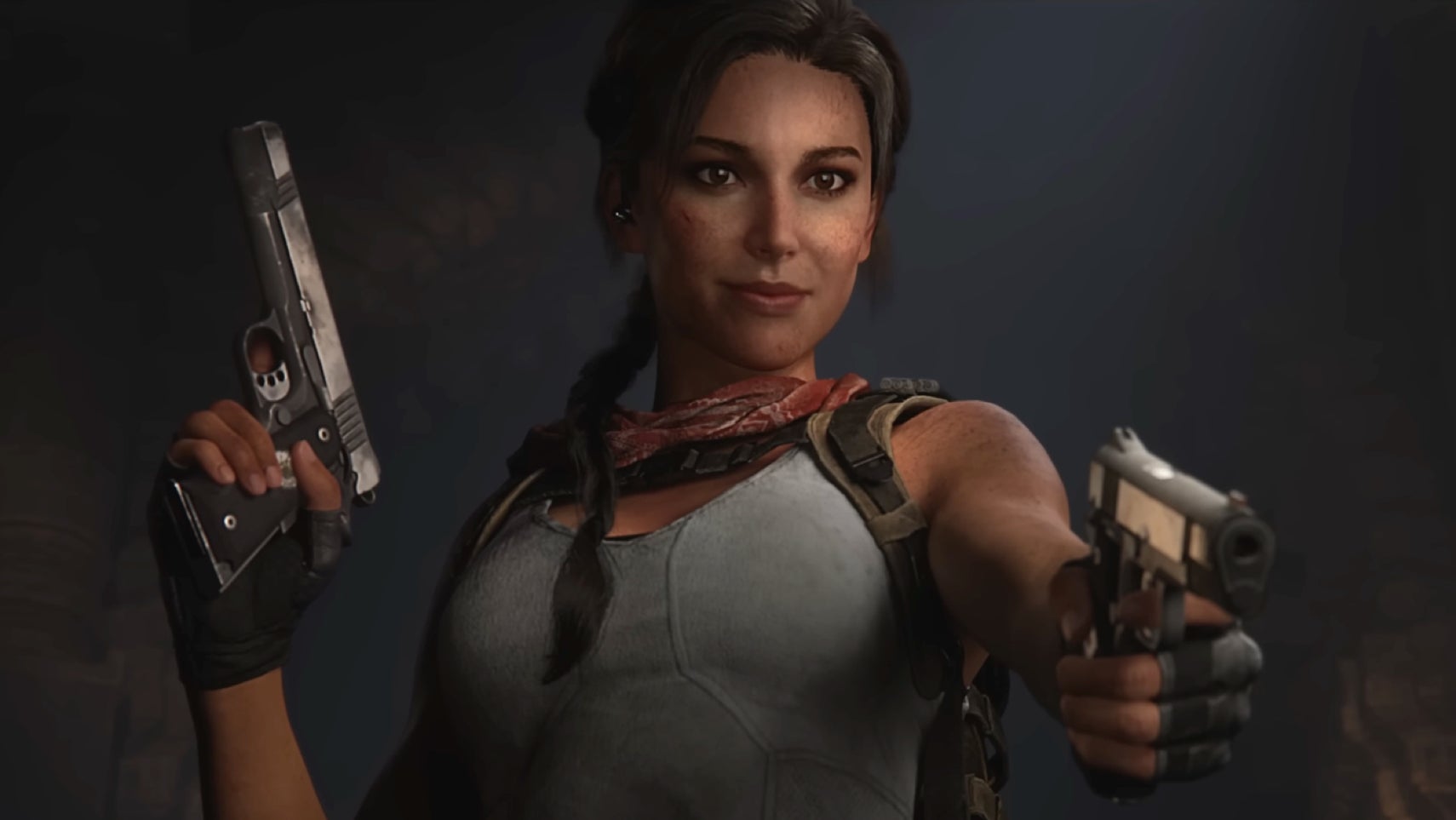
This statement confirms a substantial pushback for Catalyst, a project that had previously been earmarked for a 2027 release. The game, which promises to take Lara Croft on an archaeological expedition to India, represents a new narrative and setting for the long-running series. While the specific gameplay mechanics and plot details for Catalyst remain largely under wraps, its initial reveal at The Game Awards generated considerable excitement among fans eager for a fresh installment.
A Troubled Path for the Tomb Raider Revival
The delays and production issues plaguing Amazon’s Tomb Raider ventures underscore the inherent challenges in bringing such a beloved and established franchise into new forms of media. The partnership between Amazon Games and Crystal Dynamics, the current stewards of the Tomb Raider IP, was announced in 2022. However, it took until December of the following year for the full scope of their collaboration to be unveiled: two distinct Tomb Raider games.
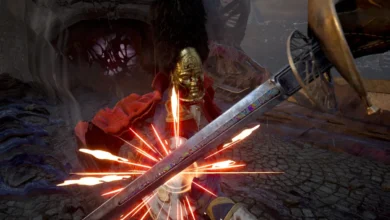
The first of these, Tomb Raider: Legacy of Atlantis, is intended to be a comprehensive, ground-up remake of the original 1996 PlayStation title. This project itself has experienced shifts in its release schedule. Initially slated for release this year, it was subsequently moved to February 2027. This adjustment, announced in June, potentially provides developers with additional time to refine the experience, addressing some early concerns that the game might feel less polished than expected, as noted by Eurogamer editor-in-chief Chris Tapsell, who described an early impression as "strangely double-A." The delay may also allow for the incorporation of feedback and further development to ensure the remake captures the spirit and quality expected by a discerning fanbase.
Catalyst’s Journey to India Delayed
Tomb Raider: Catalyst, the second game in the Amazon-Crystal Dynamics collaboration, is envisioned as an entirely new adventure for Lara Croft. Its planned setting in India promised a departure from previous locales and an opportunity to explore new cultural and historical backdrops. The game was expected to be a significant release for the current generation of consoles, with a planned launch for PlayStation 5, Xbox Series X/S, and PC in 2027. The confirmation of a 2028 release date for Catalyst, however, indicates that this new chapter in Lara’s saga will take considerably longer to materialize than initially anticipated. This extended development window suggests potential complexities in its creation, whether related to narrative design, technological implementation, or the overall scope of the ambitious project.
Broader Challenges Beyond Game Development
The gaming side of Amazon’s Tomb Raider initiative is not the only area experiencing turbulence. The live-action Amazon Prime TV show, intended to expand Lara Croft’s presence in the streaming world, has also faced significant production hurdles. Filming was temporarily halted earlier this year when lead actress Sophie Turner sustained a back injury on set. While reports indicate that production has since resumed, the incident highlights the logistical and personal risks inherent in large-scale television production.

Furthermore, the development of Tomb Raider: Legacy of Atlantis became a focal point of discussion in June when it was revealed that the game was being developed with the assistance of AI. Jeff Adams, Crystal Dynamics’ director of experience, explained that AI tools were utilized to help the team "get to [the] right answers faster." However, when pressed for further details by interviewers, Amazon’s PR representatives reportedly intervened, curtailing further discussion on the matter. This approach has fueled ongoing debates within the industry regarding the ethical implications and practical applications of artificial intelligence in game development, particularly concerning transparency with consumers and the potential impact on creative roles.
Studio Layoffs Amidst Development
Adding to the backdrop of these production challenges are persistent reports of layoffs at Crystal Dynamics. The studio, responsible for developing the new Tomb Raider games, has undergone multiple rounds of workforce reductions within the past year. In June, the company confirmed another wave of cuts, impacting approximately 20 employees. This marks the fourth instance of significant layoffs at Crystal Dynamics in less than twelve months. While the studio leadership has maintained that development on both the Legacy of Atlantis remake and Catalyst continues, these recurrent staffing changes can inevitably impact team morale, project momentum, and the overall stability of development pipelines. The cumulative effect of these issues – delays, production halts, and studio instability – paints a complex picture for the future of Amazon’s investment in the Tomb Raider franchise.
Analysis and Implications
The repeated delays and production issues surrounding Amazon’s Tomb Raider projects suggest a confluence of factors at play. The ambition to relaunch such a globally recognized IP across multiple media formats simultaneously is an inherently complex undertaking. The gaming industry, in particular, is characterized by lengthy development cycles, the need for significant technological innovation, and the constant pressure to meet fan expectations.
For Tomb Raider: Catalyst, the shift to a 2028 release date indicates that Amazon Games and Crystal Dynamics are prioritizing a thorough and polished final product over a rushed launch. This could be a strategic decision to avoid the pitfalls of releasing a game that doesn’t meet the high standards associated with the Tomb Raider name. The extended timeline might also be a response to the internal restructuring and the need to integrate new technologies or design philosophies.

The use of AI in game development, while presented as a tool for efficiency, also raises questions about the long-term creative direction and the potential for homogenization in game design. The limited transparency surrounding its application could alienate some segments of the player base, who often value the human element of game creation.
The recurring layoffs at Crystal Dynamics, while potentially a consequence of broader corporate restructuring or shifting project priorities, also raise concerns about the studio’s long-term stability and its capacity to sustain large-scale development projects. Such instability can lead to knowledge loss, impact team cohesion, and ultimately affect the quality and timely delivery of games.
The overall implication for Amazon’s gaming division is that building a robust and successful gaming portfolio is a marathon, not a sprint. The Tomb Raider franchise, with its rich history and dedicated fanbase, represents a significant opportunity, but its successful revival requires careful navigation of development complexities, strategic marketing, and consistent delivery of high-quality experiences. The current trajectory suggests that while Amazon remains committed to Lara Croft’s adventures, the path forward is proving to be more protracted and challenging than initially envisioned. The success of these ambitious undertakings will ultimately hinge on their ability to overcome these hurdles and deliver compelling experiences that resonate with a global audience. The coming years will be crucial in determining whether Amazon can effectively leverage the enduring appeal of Tomb Raider to establish a lasting presence in the competitive gaming landscape.
Related posts: