Xbox Leadership Strictly Denies Acquisition Rumors Amid Massive Corporate Restructuring and Studio Realignments

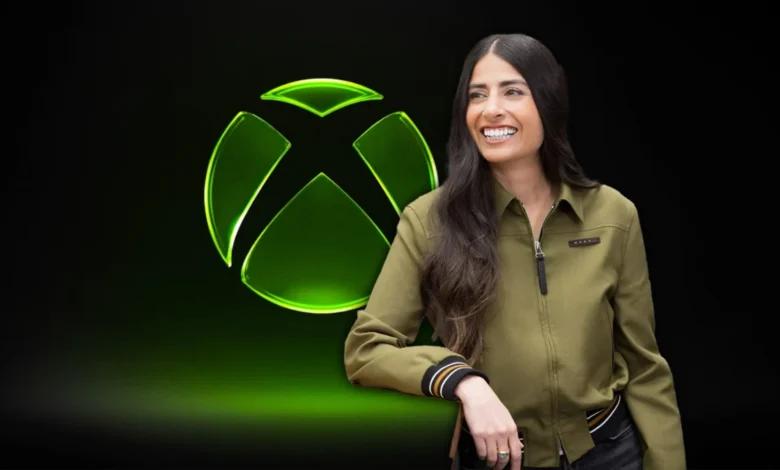
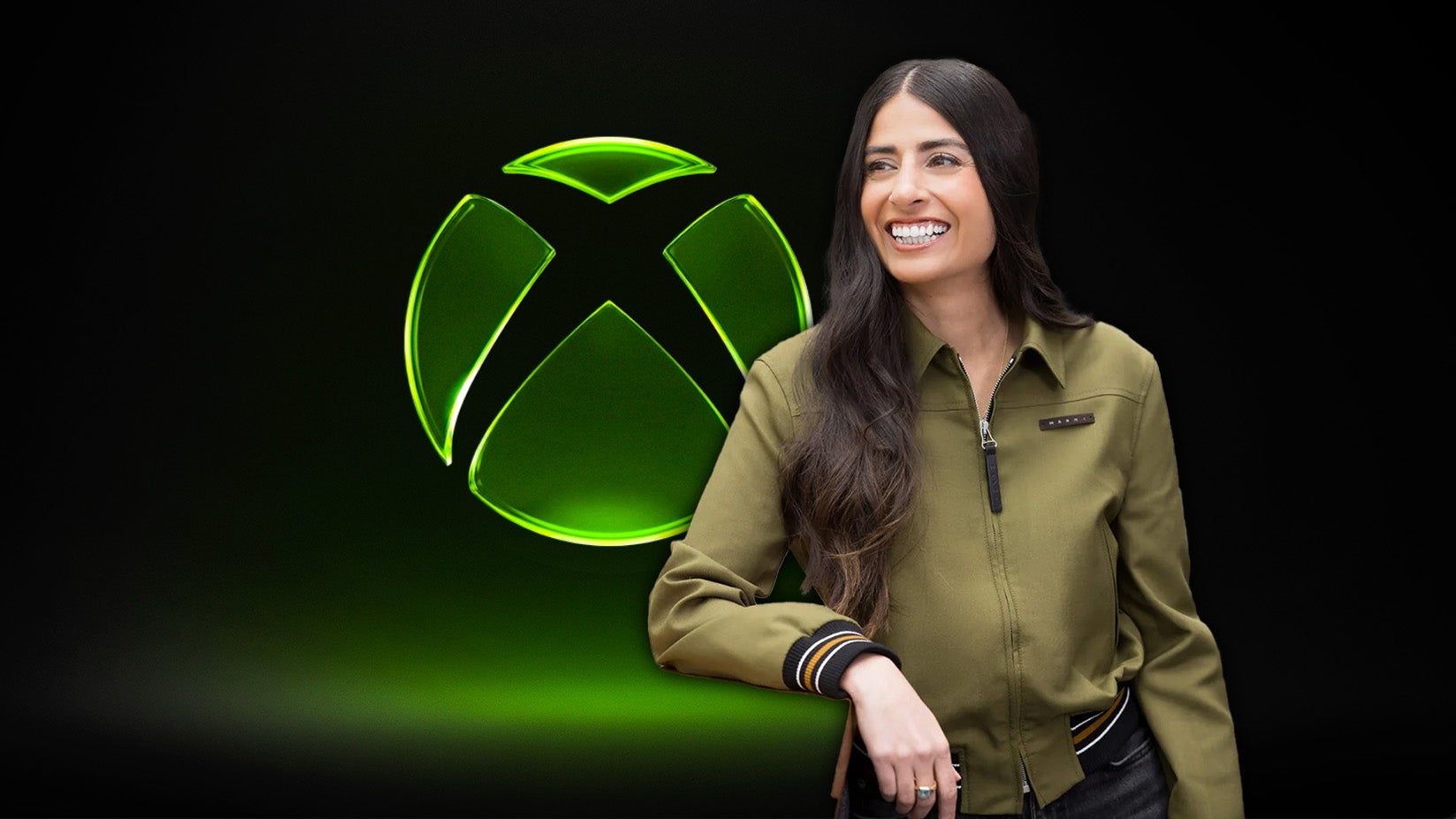
The video game industry has spent the better part of the year trying to decipher the chaotic, high-stakes maneuvers unfolding within Microsoft’s gaming division. With widespread layoffs affecting thousands of employees, long-standing internal first-party studios being spun off into independent entities, and foundational intellectual properties shifting hands among massive publishing umbrellas, speculation naturally reached a fever pitch. Market analysts and industry observers increasingly whispered about a potential divestment—suggesting that Microsoft might be trimming the fat to prepare Xbox for a complete sale or a massive corporate spin-off. However, Xbox Chief Executive Officer Asha Sharma has decisively stepped forward to quell those rumors, offering an unambiguous reassurance regarding the brand’s long-term future under its parent company.
Speaking candidly in a recent interview, Sharma addressed the rampant acquisition speculation head-on, delivering a crystal-clear message to the global gaming community, investors, and internal staff alike. "Xbox is not for sale," Sharma stated firmly, while elaborating on the organization’s current strategic trajectory. "We will do whatever it takes to set the company up for success, and we will look at the right partnerships, the right operating model and everything needed to achieve that."
While this definitive declaration eliminates the prospect of an outright acquisition by an external buyer, financial analysts note that Sharma’s choice of words leaves a narrow window open for future structural reconfigurations. Observers from major financial institutions point out that a spin-off into a distinct corporate entity closely tied to Microsoft—rather than a total sale to a third party—remains a theoretical possibility, though current internal actions show no indication of such a move in the immediate future. Reaffirming the deep-rooted corporate synergy, Sharma emphasized, "We’ve got a long way to go with Microsoft, and we’re going to take the long-term view."
Chronology of a Corporate Reset: The 2025–2026 Restructuring
To understand the intensity of the rumors surrounding Xbox’s future, one must examine the sweeping operational overhauls that have rattled the company over the past year. Xbox initiated a massive corporate "reset" designed to fundamentally streamline its business model, cut overhead, and redefine its multi-platform publishing strategy. Public disclosures and internal leaks indicate that this restructuring plan targets a staggering reduction of 3,200 jobs across various divisions, a workforce reduction scheduled to reach completion by the summer of next year.
The human and organizational cost of this reset has been profound. Early phases of the restructuring saw several marquee first-party studios transition out of direct corporate ownership to become independent developers. Highly regarded studios such as Double Fine, Compulsion Games, and Undead Labs were spun out, granting them operational autonomy while altering their formal relationship with Xbox Game Studios. Meanwhile, the futures of critically acclaimed developers like Hellblade creator Ninja Theory and Dishonored developer Arkane faced intense scrutiny, leaving fans and industry insiders anxious about the security and project pipelines of these storied teams.
Further complicating the corporate landscape, Xbox executed a series of radical structural reallocations earlier this month. In a move that stunned long-time industry watchers, the company handed overarching control of the legendary Halo franchise—historically the flagship anchor of the Xbox ecosystem—directly to Activision. Concurrently, legendary developer Rare and World’s Edge, the internal studio responsible for the Age of Empires franchise, were shifted under the direct operational purview of the Call of Duty publisher. In a parallel shift, Obsidian Entertainment was slotted beneath Bethesda, further consolidating development nodes.
Following these sweeping consolidations, the once-expansive roster of internal developers operating directly under the Xbox Game Studios umbrella has shrunk drastically. The core lineup now consists of only a handful of remaining heavy-hitters: The Coalition, known for the Gears of War series; Playground Games, driving the Fable and Forza franchises; Mojang, maintaining the eternal juggernaut Minecraft; InXile Entertainment, currently crafting Clockwork Revolution; and the skeletal remains of what was once 343 Industries, now operating under the Halo Studios banner.
Strategic Rationale and Market Implications
From an objective business perspective, the logic behind these drastic internal realignments invited widespread speculation regarding a potential sell-off. In modern corporate finance, streamlining a sprawling conglomerate by consolidating valuable intellectual properties under primary operational hubs often serves as a classic precursor to a divestiture. Attempting to sell off individual, isolated studios or dormant brands—such as Rare or various mid-tier development teams—presents immense logistical and valuation challenges. However, bundling those historic assets alongside massive, revenue-generating powerhouses like the Call of Duty franchise and its associated publishing apparatus creates an infinitely more attractive package for potential acquirers or investors.
Despite these compelling macroeconomic observations, Sharma’s recent statements provide much-needed clarity, signaling that Microsoft views Xbox not as an asset to be jettisoned, but as a core enterprise undergoing painful yet necessary surgery to ensure long-term viability in a rapidly evolving digital marketplace. The gaming industry has faced severe macroeconomic headwinds over the past three years, characterized by inflated development budgets, lengthening production cycles, shifting consumer habits favoring subscription models and live-service games, and a general cooling of post-pandemic venture capital and corporate spending.
By scaling back direct studio management and refocusing on high-impact strategic partnerships, Xbox is attempting to navigate a landscape where traditional console exclusivity models are continually being challenged by multi-platform distribution strategies. This reality is further evidenced by recent publishing maneuvers, such as Sharma securing a high-profile publishing deal with Kojima Productions for their upcoming action-stealth title, Physint. Notably, this partnership materialized swiftly after rival platform holder PlayStation reportedly pulled its funding from the project, demonstrating Xbox’s continued willingness to aggressively step in and secure major third-party relationships when strategic opportunities arise.
Looking Ahead: Upcoming Releases and Ecosystem Stability
As Xbox attempts to stabilize its operations and restore confidence among its core consumer base, the immediate future of the brand will heavily depend on the commercial performance and critical reception of its upcoming software lineup. The division is pinning significant hopes on the imminent release of Gears of War: E-Day, scheduled to debut next week, which aims to revitalize one of the platform’s most enduring and beloved franchises. Looking further ahead, InXile Entertainment’s steampunk role-playing game Clockwork Revolution, slated for release next year, remains one of the most anticipated high-profile console exclusives in the pipeline.
By publicly drawing a definitive line in the sand, Asha Sharma has attempted to insulate the brand from the destabilizing effects of speculative market gossip, allowing developers on the ground to focus entirely on bringing these major projects to completion. While the structural scars of the 3,200 job cuts and the massive studio realignments will take years to heal, the leadership’s message is unmistakable: Xbox remains firmly committed to weathering the industry’s current storms under the Microsoft banner, prioritizing structural adaptation over corporate exit strategies.
Related posts: