The Secret to Perfecting the iPhone Duo Experience Is a Surprising Accessory from PopSocket

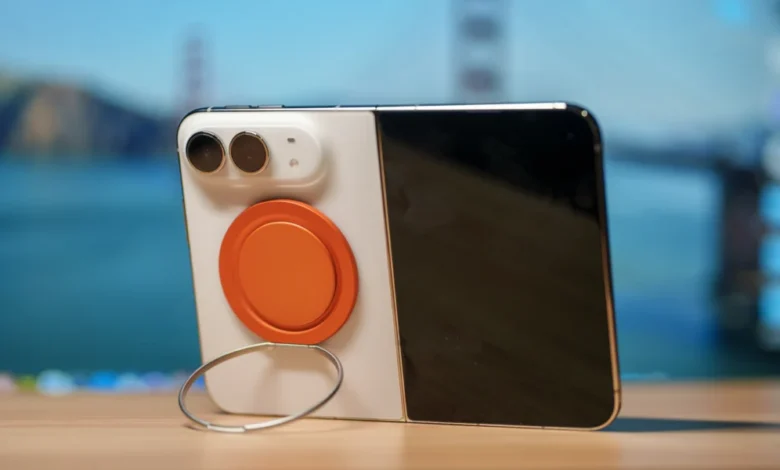
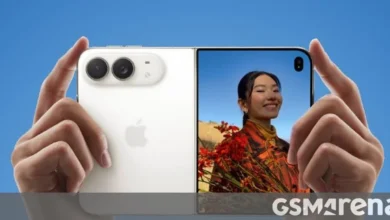
The release of the iPhone Duo marked a significant pivot in Apple’s mobile hardware strategy, introducing a foldable form factor that challenged existing standards for ergonomics and accessory compatibility. While the device has been praised for its expansive display capabilities and multitasking prowess, it has also introduced a unique set of challenges for users regarding peripheral support. Specifically, the weight distribution and structural footprint of the device have rendered many traditional MagSafe accessories—including official Apple folios and standard third-party kickstands—either functionally inadequate or aesthetically obtrusive.
As early adopters continue to integrate the iPhone Duo into their daily workflows, a recurring narrative has emerged among power users: the difficulty of finding a stable, low-profile, and reliable kickstand solution. Recent industry observations indicate that the PopSocket Low-Pro, an accessory originally engineered for standard rigid smartphones, has emerged as a surprisingly effective solution for the iPhone Duo’s unique mechanical constraints.
The Engineering Challenges of Foldable Mobile Hardware
To understand why a niche accessory like the PopSocket Low-Pro has become the de facto choice for many iPhone Duo owners, one must first examine the physical realities of the device. The iPhone Duo, when unfolded, presents a surface area significantly larger than its predecessors. This increased footprint complicates the physics of traditional magnetic stands.

Many users have reported that when the iPhone Duo is placed on standard MagSafe stands in an unfolded state, the device is prone to "drifting" or slipping. This is primarily due to the center of gravity shifting toward the left panel of the device, which exerts a torque that exceeds the holding capacity of many magnetic mounts currently on the market. Furthermore, the thickness of the device—measured at approximately 11.3mm when folded—makes it incompatible with many existing folio cases that were designed for the slimmer profile of the standard iPhone 16 or 17 series.
Chronology of the Accessory Gap
Following the launch of the iPhone Duo, the initial accessory market was saturated with products that largely failed to address these specific issues.
- Launch Window (Early Q4 2026): Apple introduced the official folio with an integrated kickstand, priced at $129. While aesthetically consistent with Apple’s design language, reviewers noted that the kickstand lacked the structural rigidity required to support the weight of the unfolded device. Additionally, the folio design obscured the outer display, limiting the device’s utility for quick notifications.
- Post-Launch Stabilization (Mid-Q4 2026): Third-party manufacturers attempted to bridge the gap with MagSafe wallets that doubled as stands. However, these proved too bulky for the back of the phone, often interfering with the device’s camera module or making it cumbersome to hold during one-handed use.
- Current Market Adaptation (Present): The discovery that the PopSocket Low-Pro—a device not explicitly marketed for the Duo—functions as a corrective tool represents a shift in consumer behavior. Rather than waiting for dedicated hardware, users are repurposing existing modular accessories to compensate for the design limitations of new form factors.
Technical Analysis of the PopSocket Low-Pro Integration
The efficacy of the PopSocket Low-Pro lies in its low-profile engineering and magnetic coupling strength. Unlike traditional, collapsible "accordion-style" PopSockets, the Low-Pro utilizes a recessed ring mechanism that sits flush against the rear chassis of the iPhone Duo.
From a structural standpoint, the accessory provides three primary benefits:

- Improved Leverage: By acting as a secondary anchor point, the ring allows for a more balanced distribution of the phone’s weight when used in conjunction with a MagSafe stand. Testing across multiple standard magnetic mounts indicates that the addition of the PopSocket provides the necessary friction and stability to prevent the device from rotating or slipping downward over extended periods of viewing.
- Minimized Bulk: Given that the iPhone Duo is already significantly thicker than traditional handsets, the addition of a bulky stand would detract from the user experience. The Low-Pro is designed to protrude less than the device’s native camera bump, allowing for a near-seamless pocket experience and preserving the ergonomic integrity of the device.
- Versatility: Beyond its role as a kickstand, the accessory retains its primary function as a grip. This is particularly relevant for the iPhone Duo, which, due to its increased width when unfolded, can be difficult to hold securely for long durations.
Market Implications and Consumer Trends
The success of the PopSocket Low-Pro in this specific context highlights a broader trend in the consumer electronics accessory market: the "modular workaround." As smartphones become more specialized—incorporating folding screens, advanced haptics, and complex camera arrays—the "one-size-fits-all" approach to accessories is becoming increasingly obsolete.
Industry analysts suggest that this creates a significant opportunity for manufacturers to focus on precision-engineered accessories that emphasize low-profile utility over aesthetic flash. For Apple, the challenge remains in providing first-party solutions that are as functional as they are premium. The current $129 price point for the official folio has drawn criticism for its lack of versatility, leading consumers to seek out $36–$40 alternatives like the PopSocket, which arguably offer higher value-per-dollar.
Economic and Availability Data
The PopSocket Low-Pro is currently available in a variety of colorways, reflecting a tiered pricing strategy based on demand and finish. Standard color options such as Navy, Gun Metal, Black, Electric Fuschia, Teal, Carbon Lattice, Mint, and Tortoise are priced at $40. Meanwhile, seasonal variations like Lilac and Orange are currently offered at a 10% discount, bringing the price point to approximately $36.
This pricing structure positions the accessory as an affordable, high-utility upgrade. For a device that retails in the premium flagship bracket, the relatively low cost of this accessory makes it an accessible fix for a significant ergonomic issue.

Broader Impact on Mobile Ergonomics
The integration of such an accessory underscores a fundamental reality of the current mobile hardware landscape: the hardware itself is no longer the sole determinant of the user experience. The ecosystem of accessories surrounding a device like the iPhone Duo is as critical as the internal specifications of the phone.
As Apple continues to iterate on the Duo line, the company may need to consider integrating more robust magnetic alignment systems or developing first-party accessories that utilize the increased surface area of the foldable chassis more effectively. Until then, the reliance on third-party, repurposable components will likely remain a hallmark of the foldable device experience.
For the average user, the takeaway is clear: the most effective solution to a hardware limitation is often found not in a device-specific product, but in a versatile, well-engineered tool that can adapt to the shifting geometry of modern mobile technology. By prioritizing functionality and form, manufacturers like PopSocket have managed to solve a problem that the device’s original architects may have overlooked, setting a new standard for how we interact with, support, and display our mobile devices in the evolving era of foldable screens.