Apple’s iPhone Duo and iPhone 18 Pro Debut Bring Long-Awaited Innovations While Borrowing Heavily From Android Pioneers

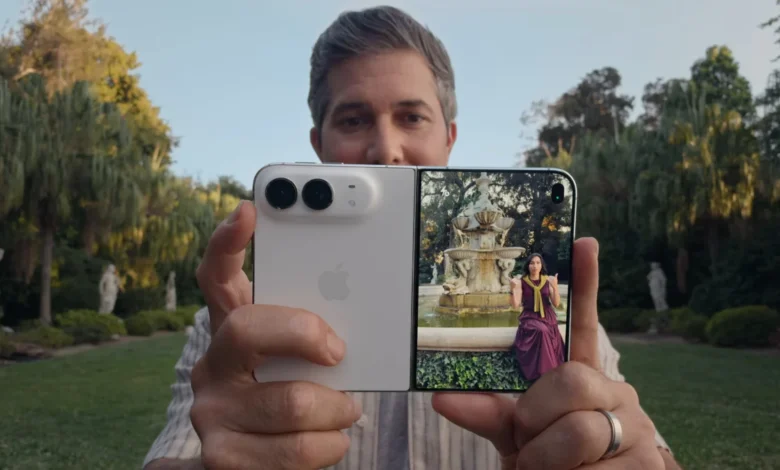
Apple Inc. officially unveiled its highly anticipated hardware lineup at its annual September 2026 launch event, introducing the iPhone 18 Pro series alongside the company’s very first foldable smartphone, the iPhone Duo. Held on September 9, 2026, the showcase marked a watershed moment for the Cupertino-based tech giant as it finally stepped into the foldable device category nearly a decade after Android manufacturers popularized the form factor. While the introduction of a foldable iPhone and advanced camera controls represents a significant evolution for Apple’s hardware ecosystem, industry analysts and technology reviewers quickly pointed out that many of the device’s headline features have long been staples of Samsung, Google, and Motorola flagships.
The launch event drew global attention from consumers, developers, and competitors alike, reigniting the ongoing debate over hardware innovation, software refinement, and feature adoption across the smartphone industry. As Apple enters uncharted territory with the iPhone Duo, examining the device’s feature set alongside the history of Android foldables reveals a familiar pattern of Apple observing market maturation before delivering its own polished iteration.
A Decade in the Making: The Evolution of the Foldable Smartphone Market
To fully contextualize the arrival of the iPhone Duo, one must look back at the developmental timeline of foldable smartphones. When Samsung Electronics introduced its original Galaxy Fold in 2019, the device was widely viewed as a fragile, exorbitantly expensive proof-of-concept. Early iterations suffered from durability concerns, prominent crease visibility, and software that struggled to adapt to changing screen dimensions.
However, over the subsequent seven years, Android original equipment manufacturers (OEMs) aggressively iterated on the concept. Google entered the market with the original Pixel Fold, while companies like Xiaomi, Oppo, and Motorola refined book-style and clamshell foldables year after year. By 2026, foldable devices had transitioned from niche enthusiast gadgets into mainstream productivity and entertainment powerhouses, capturing a meaningful share of the high-end smartphone market.
Apple’s deliberate hesitation to enter the market was consistent with its historical corporate strategy: rather than racing to be the first to commercialize a nascent technology, Apple typically waits for component supply chains to mature, manufacturing costs to optimize, and consumer demand to stabilize before introducing its own interpretation. The iPhone Duo is the culmination of this patient strategy, leveraging advanced engineering to deliver a foldable experience that aims to sidestep the early growing pains experienced by its Android competitors.
Design Language and Hardware Form Factor: The Passport-Style Approach
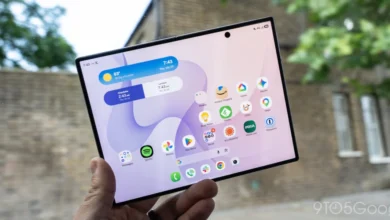
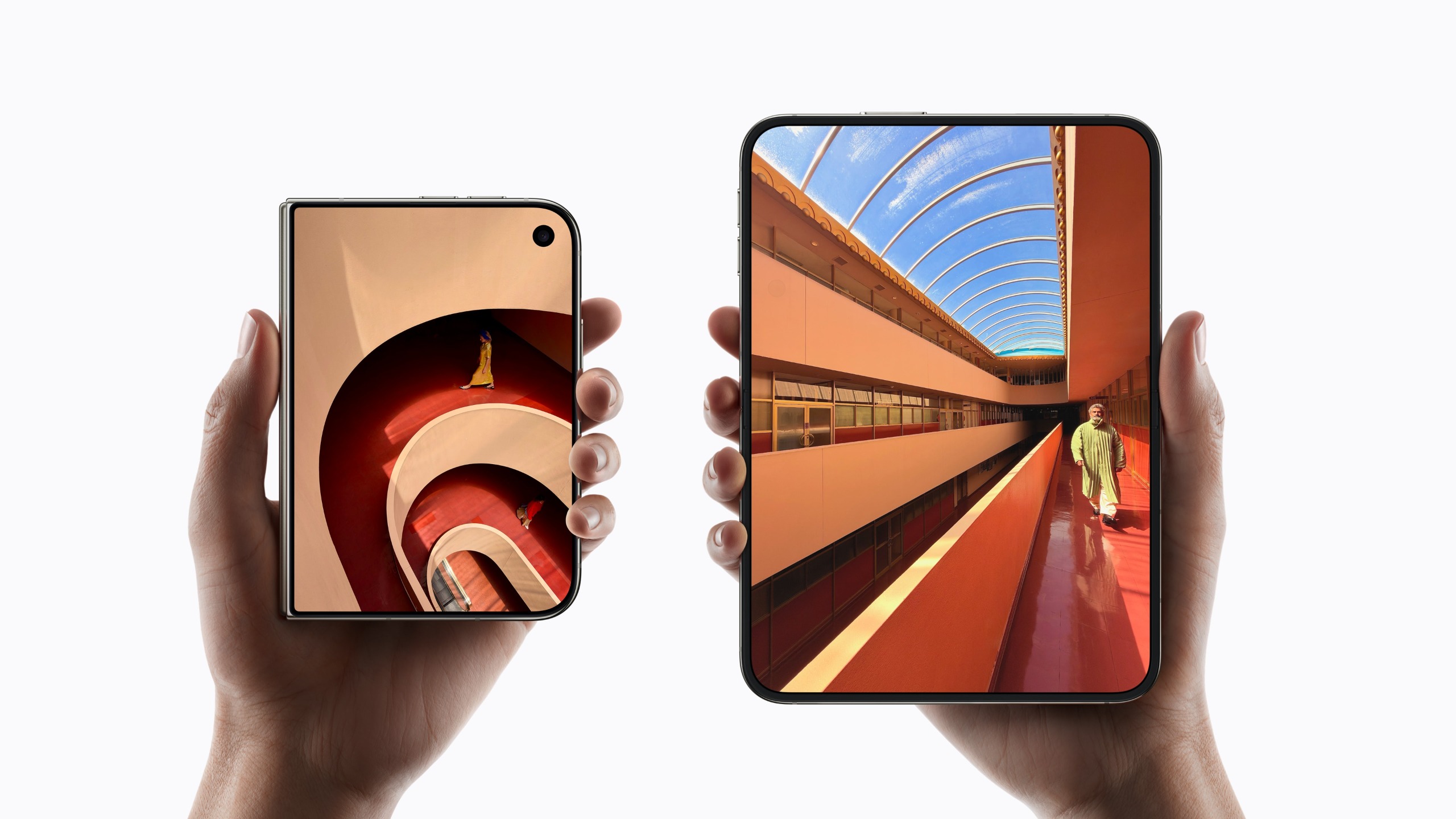
The iPhone Duo adopts a short, wide, passport-style form factor when closed, unfolding into a sprawling 7.6-inch tablet-sized inner display. This physical dimension choice immediately drew comparisons to Google’s pioneer Pixel Fold design, as well as Samsung’s Galaxy Z Fold 8 and Xiaomi’s 18 Fold, which was showcased at IFA 2026.
By opting for a wider cover display rather than the tall, narrow aspect ratios favored by early Galaxy Z Fold generations, Apple ensures that the outer screen remains fully usable for standard typing, messaging, and quick app navigation without requiring the user to unfold the device. Yet, this ergonomic advantage is far from novel. Google proved the viability of the wider cover display years prior, and the broader industry has largely converged on this standardized dimension for book-style foldables due to superior usability metrics.
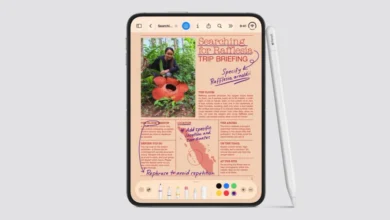
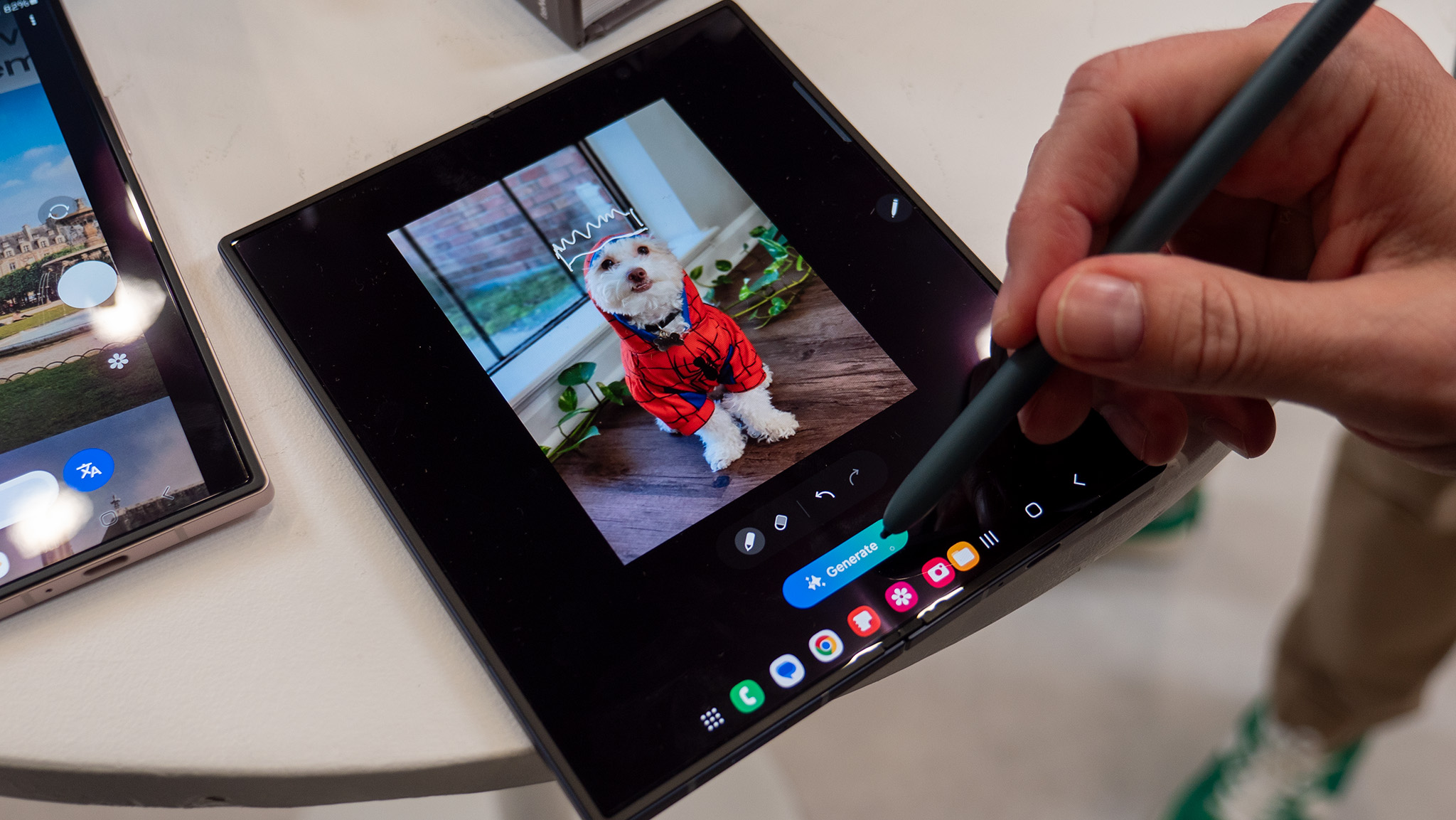
Furthermore, the iPhone Duo incorporates stylus support, enabling users to write, sketch, and navigate using the Apple Pencil on both the inner and outer screens. While this functionality enhances productivity for professionals and creatives, Samsung offered S Pen compatibility across multiple generations of Galaxy Z Fold devices before streamlining its hardware lineup, while brands like Motorola continue to support stylus inputs on select foldable models.
Another notable hardware inclusion is the under-display camera embedded within the inner flexible screen. Samsung utilized under-display camera technology across several iterations of its foldable line before pivoting away from the design choice due to compromises in selfie camera quality and visible sub-pixel grids. Industry observers remain eager to test whether Apple’s proprietary sensor-shielding and image-processing algorithms can overcome the historical optical limitations that plagued early under-display camera implementations.
Combating Glare: Anti-Reflective Display Coatings
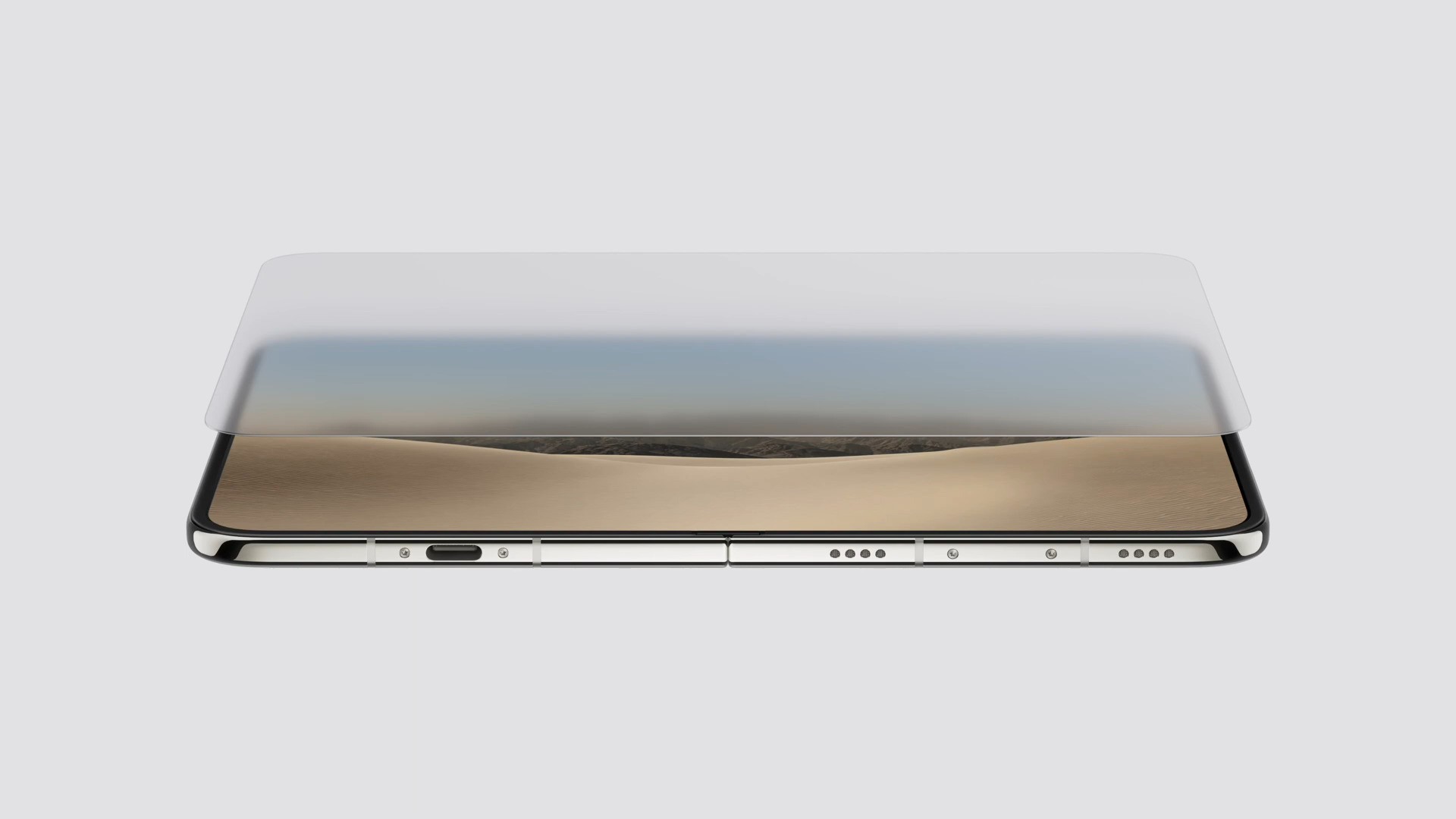
One of the most heavily promoted hardware advancements on the iPhone Duo is its specialized matte nano-texture finish applied to the 7.6-inch inner display. Flexible OLED screens inherently face challenges with ambient light reflection due to the multiple protective plastic and polymer layers required to permit bending. These reflections can wash out content, making outdoor viewing difficult.
Apple’s anti-reflective coating aims to mitigate this issue significantly. However, Samsung beat Apple to this precise consumer-facing milestone earlier in the year with the rollout of its Galaxy Z Fold 8 Ultra, which featured advanced low-reflection optical layers. While Apple’s nano-texture implementation may boast unique optical properties, the fundamental goal of reducing screen glare on foldable panels is an engineering hurdle that Android manufacturers have actively tackled for consecutive product cycles.
Flex Mode and Hinge Engineering
Unlike standard smartphones that remain rigid, the iPhone Duo’s sophisticated hinge mechanism allows the device to hold various intermediate angles. This capability—dubbed "Flex Mode" by Samsung years ago—enables users to prop the phone open on a flat surface for hands-free video calls, tripod-free photography utilizing the high-resolution rear camera array, or media consumption split across the upper and lower halves of the display.
Samsung has spent years refining Flex Mode, optimizing native applications and third-party software integrations to dynamically rearrange user interfaces when the device is half-folded. Apple’s software adaptations for angled viewing will undoubtedly feel polished and deeply integrated into iOS, but the underlying concept of structural articulation for software utility is a well-established paradigm in the Android ecosystem.
Professional Camera Controls Arrive on the iPhone 18 Pro
Shifting focus to the traditional candy-bar form factor, the iPhone 18 Pro series introduces a long-awaited software addition: "Pro Controls." For the first time natively within the stock iOS camera application, users are granted granular manual control over parameters such as physical or virtual aperture, shutter speed, ISO, and white balance.
For years, mobile photographers relying on Apple hardware had to depend on third-party applications like Halide or complex workaround shortcuts to achieve true manual exposure control. Conversely, Android flagship manufacturers—most notably Samsung with its Expert RAW suite and manual Pro modes—have provided advanced photographic adjustments natively for nearly a decade. The inclusion of Pro Controls on the iPhone 18 Pro signals Apple’s acknowledgment that its pro-tier user base demands traditional DSLR-like control over image capture, bridging a long-standing feature gap with premium Android devices.
Multitasking, App Pairs, and Dual View Software Integration
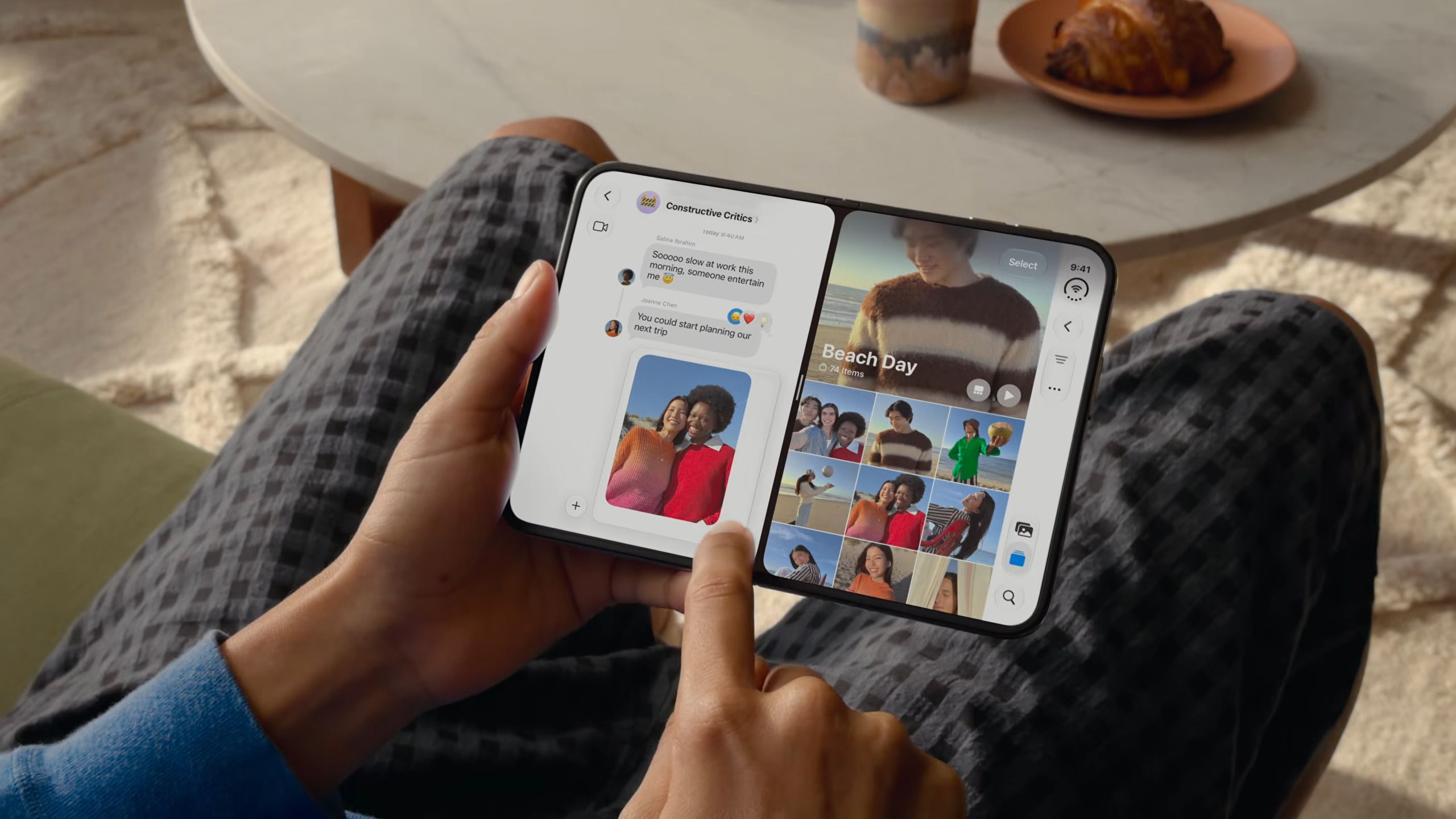
To maximize the expansive screen real estate of the iPhone Duo, Apple has introduced robust multitasking capabilities. Users can finally execute true split-screen multitasking, running two applications simultaneously side by side. Additionally, the operating system supports "App Pairs," enabling users to save customized combinations of two frequently used applications and launch them concurrently with a single tap.
Another notable software feature is Dual View, which allows the outer cover display to function as an active viewfinder for a subject while the photographer captures portraits using the primary rear camera array. These software tools are undeniably powerful additions to the iOS ecosystem, yet they closely mirror features that Motorola, Samsung, and other foldable pioneers have refined over successive software updates.

Market Implications and Industry Analysis
The launch of the iPhone Duo and iPhone 18 Pro series underscores a broader trend in the consumer electronics market: feature convergence. As smartphone technologies mature, the historical chasm between iOS and Android feature sets continues to narrow. When Apple adopts a technology that Android users have utilized for years, it frequently validates the category for the broader mainstream consumer market, often accelerating global adoption rates.
Financial analysts predict that the introduction of the iPhone Duo will stimulate a new wave of upgrade cycles, particularly among enterprise users and affluent tech enthusiasts who preferred to remain within the Apple ecosystem rather than migrating to Android foldables. However, the success of the device will ultimately hinge on pricing, long-term durability metrics—particularly regarding the crease and hinge longevity—and how effectively third-party developers optimize their applications for Apple’s unique screen aspect ratios.
As review units land in the hands of global media and rigorous benchmark testing begins, the true test will not merely be who invented a feature first, but whose execution delivers the superior user experience. For now, Apple’s 2026 hardware lineup proves that even the most fiercely guarded walled gardens are willing to embrace industry-standard innovations when market demand reaches a critical tipping point.