Salon brings museum-quality art to your Apple TV and transforms your idle living room display into a dynamic digital canvas

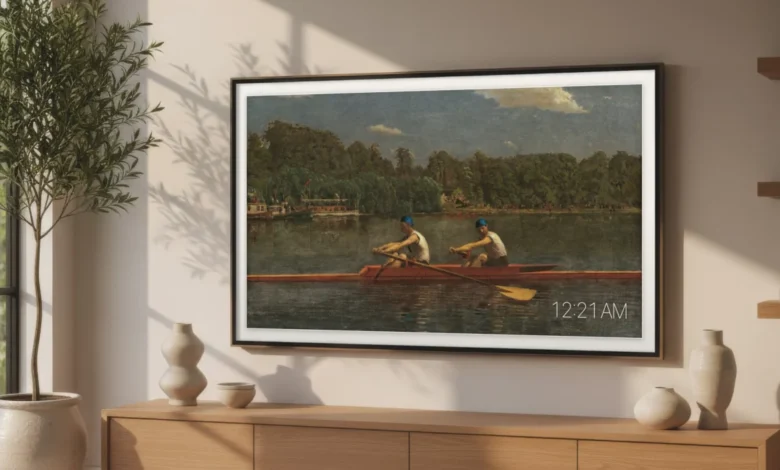
The modern living room is increasingly dominated by large-format, high-definition television displays that, for the majority of their operational lifespan, remain dormant. While contemporary smart televisions are often marketed as centerpieces of home decor, their primary utility is tethered to streaming media and gaming. When not in use, these screens typically revert to blank black rectangles or generic, repetitive system screensavers. A new independent application, Salon, aims to bridge the gap between high-end dedicated display hardware—such as the Samsung Frame—and the ubiquitous Apple TV ecosystem, effectively turning standard television panels into curated art galleries.
The Evolution of the Digital Frame
The concept of the "digital canvas" has gained significant traction over the last decade. As display technology has advanced, manufacturers have sought ways to integrate televisions more seamlessly into domestic interiors. The most prominent example of this movement is the Samsung Frame TV, which utilizes a specialized matte display and a dedicated art store to mimic the appearance of traditional oil paintings.
However, the hardware-centric approach to digital art has faced criticism from consumers regarding its cost, software limitations, and subscription-based revenue models. Many users who already own high-quality OLED or LED televisions have expressed frustration with being locked into proprietary ecosystems that require monthly fees to access basic functionality. Salon, developed by independent developer Rene, addresses these pain points by leveraging the existing tvOS platform to offer a software-based solution that prioritizes user choice and artistic freedom.

Development Origins and the Indie Ecosystem
The creation of Salon stems from a common developer trajectory: the identification of a functional gap in a crowded market. Following a personal experience with a major manufacturer’s hardware, the developer sought to create a more transparent, user-centric alternative. The project highlights a broader trend within the Apple developer community: a shift toward "vibe coding"—the creation of applications specifically designed to influence the atmosphere of a room rather than provide utility-based tasks.
tvOS has historically been an underutilized platform for third-party developers. While the App Store on the Apple TV is populated by major streaming services and utility apps, there has been a notable lack of high-quality, aesthetic-focused software. Outside of simplistic screen savers depicting aquariums or fireplaces, the platform has struggled to host sophisticated tools that cater to the "ambient computing" movement. Salon represents a departure from this norm, utilizing the powerful processing capabilities of the Apple TV 4K to render high-resolution imagery with precise color reproduction.
Functional Overview and User Experience
At its core, Salon functions as a high-fidelity image delivery system optimized for large-scale displays. The application provides access to a database of over 1,000 open-access paintings sourced from world-renowned museums. This curation process ensures that users have access to high-resolution files that maintain visual integrity when projected onto 65-inch or larger screens.
The application’s technical implementation focuses on customization. Users are not restricted to the provided gallery; they have the ability to import personal photography directly from iCloud. This feature effectively turns the television into a dynamic, shifting family album. Further customization options include:

- Border Integration: Users can overlay digital frames onto images, replicating the aesthetic of traditional physical framing.
- Edge-to-Edge Display: For a more modern, minimalist look, images can be scaled to occupy the entirety of the screen.
- Information Overlays: The application allows for the inclusion of a clock and date, providing a subtle, functional layer that does not detract from the visual art.
The user interface is designed to be unobtrusive, adhering to the design language of tvOS while remaining intuitive enough for casual users to navigate via the Siri Remote.
Market Context and Consumer Trends
The demand for "aesthetic computing" is supported by shifting consumer preferences. According to recent home decor and consumer electronics industry reports, there has been a measurable increase in interest regarding the intersection of technology and interior design. As televisions grow larger, their presence in a room becomes more significant, prompting homeowners to seek ways to mitigate the "black hole" effect of an inactive screen.
While dedicated digital frames from companies like Meural or Netgear exist, they often come with high price points and limited connectivity to existing home theater setups. Salon offers a competitive advantage by operating on hardware the consumer likely already owns. By charging a one-time purchase price of $9.99, the app also stands in contrast to the subscription-heavy models employed by larger hardware manufacturers, appealing to a demographic that prefers ownership over recurring licensing fees.
Technical Requirements and Compatibility
Salon is compatible with Apple TV units running tvOS 17 or later. This requirement ensures that the application can utilize the latest APIs for image rendering and memory management, which is critical for displaying large-format files without stutter or degradation. Because the app relies on the hardware’s internal storage and network capabilities, the performance is heavily contingent on the user’s local network speed and the specific model of the Apple TV—with the Apple TV 4K providing the most consistent results.

The developer has emphasized the importance of privacy, noting that the application processes personal photos locally via iCloud integration, a significant concern for users who are increasingly wary of cloud-based services that store user-uploaded data on external servers.
Broader Implications for Ambient Computing
The emergence of applications like Salon suggests a maturation of the Apple TV as a multi-purpose device. As Apple continues to explore smart home integration and ambient displays, the role of the television is likely to shift from a purely consumption-based device to a passive, interactive element of the domestic environment.
The success of indie applications on tvOS could also signal a shift in developer priorities. If more independent creators see success in the "lifestyle" segment of the App Store, it may lead to a more diverse ecosystem of apps that prioritize atmosphere and mental well-being over high-intensity engagement. This shift reflects a wider trend in the tech industry, where companies are beginning to prioritize "digital wellness"—the idea that technology should be able to disappear into the background when not actively required.
Future Outlook and Developer Vision
The trajectory for Salon involves continuous expansion of the available art database and potential refinements to the interface to better support higher resolution displays, such as 8K televisions, should they become more prevalent. Furthermore, the developer’s commitment to avoiding a subscription model serves as a case study for indie developers looking to build sustainable, trust-based relationships with their user base.

As the lines between art, home decor, and consumer electronics continue to blur, the value proposition of software that enhances existing hardware will only grow. Salon serves as an example of how independent development can address specific consumer frustrations by offering a refined, focused, and cost-effective alternative to proprietary hardware solutions. For the Apple TV owner looking to elevate the aesthetic of their living space, the application provides a compelling, low-barrier entry point into the world of digital art.
By prioritizing high-resolution accessibility and user-defined customization, Salon has effectively staked a claim in a niche but growing market, proving that the most impactful software does not always need to be the most complex. Instead, it must be the most attuned to the user’s environment and daily habits. As tvOS matures, it is likely that Salon will be viewed as part of a vanguard of applications that redefined the television as more than just a window to the internet, but as a permanent fixture of personal expression.