Android 17 QPR3 Beta 4 is rolling out to Pixel devices following the stable launch of QPR2

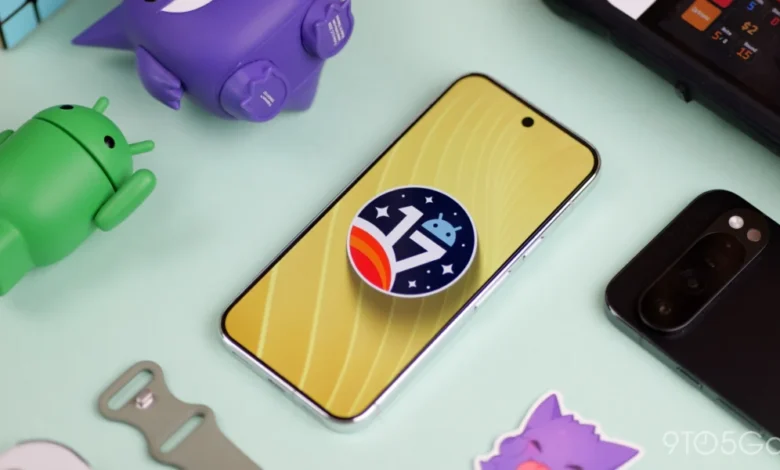
The mobile software landscape continues its rapid evolution as Google officially initiates the rollout of Android 17 Quarterly Platform Release (QPR) 3 Beta 4. This latest iteration arrives on the heels of the stable release of QPR2, marking a significant milestone in the ongoing refinement of the Android 17 operating system. As Google pushes toward the final stable build of the third quarterly update, the Beta 4 release serves as a critical stabilization phase for the wide array of Pixel devices currently supported under the Android Beta Program.
Understanding the QPR Development Lifecycle
To comprehend the significance of this update, one must first understand the structure of Google’s Android development cycle. A Quarterly Platform Release (QPR) is designed to deliver feature drops, performance optimizations, and critical security patches to Pixel users before they are integrated into the broader Android Open Source Project (AOSP) ecosystem. While major version numbers (like the jump from 16 to 17) introduce foundational architectural changes, QPRs are the engines of iterative improvement.
The progression from Beta 1 through the current Beta 4 indicates that the software has entered the "Platform Stability" phase. During this period, Google freezes the APIs and core behavior of the system, shifting the development focus almost exclusively to bug squashing, memory leak mitigation, and performance tuning. For users participating in the beta, this release represents the most refined version of the software before it enters the public stable channel.
Chronology of the Android 17 Development Cycle
The path to Android 17 QPR3 has been marked by a rigorous testing schedule. Following the initial public rollout of Android 17, the development team transitioned into the QPR series to address early feedback and introduce requested user-interface enhancements.
- Early QPR Development: Following the initial release of Android 17, Google established a feedback loop through the Android Beta Program, allowing developers and enthusiasts to report anomalies in the core system behavior.
- Stable QPR2 Launch: The recent release of QPR2 brought significant stability to the platform, setting the stage for the final polish required for the QPR3 update.
- Beta 1 through Beta 3: These earlier iterations focused on the integration of new features, including UI refinements, battery optimization algorithms, and refined notification management systems.
- Beta 4 Release: This current stage is characterized by a "near-final" build. It focuses on the last remaining edge-case bugs that could impede the experience on the diverse hardware configurations found within the Pixel lineup.
Expansive Hardware Support: A Testament to Longevity
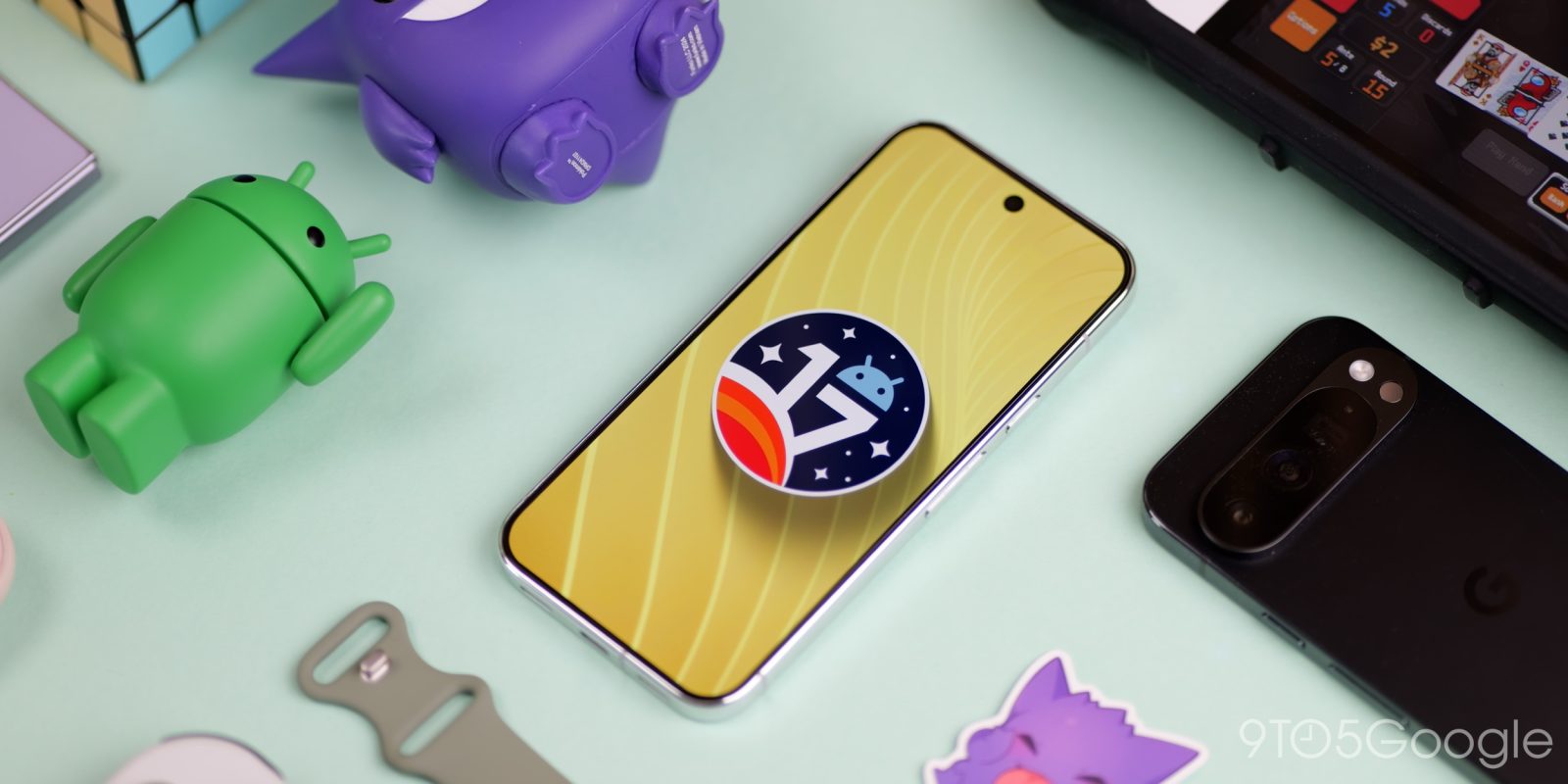
A notable aspect of the Android 17 QPR3 Beta 4 rollout is the sheer breadth of supported hardware. Google’s commitment to providing long-term software support for its devices is on full display here. The update encompasses a massive list of devices, reflecting the company’s strategy to maintain a unified software experience across several generations of hardware.
The list of supported devices includes:
- The Pixel 6 Series: Pixel 6a.
- The Pixel 7 Series: Pixel 7, 7 Pro, and 7a.
- The Pixel 8 Series: Pixel 8, 8 Pro, and 8a.
- The Pixel 9 Series: Pixel 9, 9 Pro, 9 Pro XL, 9 Pro Fold, and 9a.
- The Pixel 10 Series: Pixel 10, 10 Pro, 10 Pro XL, 10 Pro Fold, and 10a.
- The Pixel 11 Series: Pixel 11, 11 Pro, 11 Pro XL, and 11 Pro Fold.
- Tablets and Foldables: Pixel Tablet and the various folding iterations from the 9, 10, and 11 series.
The inclusion of the Pixel 11 series alongside the legacy Pixel 6a highlights the architectural consistency of the Android 17 codebase. By streamlining the kernel and system partition management, Google has managed to reduce the overhead typically required to maintain such a wide range of devices simultaneously.
The Role of User Feedback in the Beta Program
Google relies heavily on the Android Beta Feedback app to identify issues that may not appear in automated laboratory testing. By leveraging a diverse pool of real-world users, the company gains insights into how different hardware configurations interact with the OS under varying network conditions, storage loads, and application environments.
For those encountering issues within Beta 4, Google has reiterated the necessity of using the official feedback channel. The feedback app, accessible via the application drawer or the Quick Settings panel, automatically collects system logs, battery usage statistics, and memory dumps—all of which are essential for engineers to diagnose and resolve systemic crashes or performance bottlenecks. Additionally, the Android Beta community on Reddit serves as a secondary, peer-to-peer support network where users can cross-reference their experiences with others, helping to distinguish between software bugs and device-specific hardware issues.
Analysis: Broader Implications and Strategic Goals
The release of QPR3 Beta 4 is not merely about fixing bugs; it represents a strategic move to optimize the "Pixel experience." Google has faced increased competition in the smartphone market, where hardware differentiation is increasingly difficult to achieve. Consequently, the value proposition of the Pixel line has shifted toward software-led intelligence and consistent, timely updates.
1. Optimization of Thermal Management:
Data from previous beta feedback cycles suggests that thermal management is a primary focus for the Android 17 series. With the high-performance demands of the latest Tensor processors, ensuring that the software manages background processes efficiently is vital to preventing overheating during intensive tasks.
2. Enhancing the Foldable Experience:
With the proliferation of the Pixel Fold and Pro Fold models, Google has been refining its window management APIs. Beta 4 includes subtle adjustments to how apps transition between the folded and unfolded states, addressing issues related to screen continuity and aspect ratio handling.
3. Preparing for Future Feature Drops:
While this QPR is currently focused on stabilization, it also serves as a testing ground for infrastructure changes that will support future "Feature Drops." By hardening the system now, Google ensures that future feature additions can be deployed with minimal risk of introducing new stability regressions.

Technical Hurdles and Risk Mitigation
While Beta 4 is the most stable version to date, it is important to emphasize that it remains a pre-release build. Users choosing to install the update must be aware of the inherent risks, including the potential for data loss or application incompatibility. For the average user, Google continues to recommend staying on the stable branch. However, for power users and developers, the beta program is an essential tool for ensuring app compatibility and gaining early access to performance enhancements.
The deployment process via the Android Beta Program remains the standard. Once a user registers their device, the update is pushed via an Over-The-Air (OTA) delivery mechanism. This method is designed to be seamless, requiring minimal user intervention, yet it allows Google to push emergency patches rapidly if a critical vulnerability or system-breaking bug is discovered post-release.
Looking Ahead
As the industry moves toward the finalization of Android 17 QPR3, the focus will soon shift toward the next major development cycle. The consistency demonstrated by the current development team suggests that Google has successfully navigated the challenges of maintaining a modular, highly configurable operating system across a fragmented hardware ecosystem.
The current trajectory indicates that the final, stable version of QPR3 will likely be released to the general public within the coming weeks. For the users currently testing Beta 4, the primary objective is to continue providing detailed logs. Every report submitted through the feedback app reduces the probability of a widespread issue surfacing in the final stable build, thereby safeguarding the experience for the millions of users who rely on their Pixel devices for daily productivity, communication, and digital security.
In conclusion, the rollout of Android 17 QPR3 Beta 4 marks another step in the refinement of Google’s mobile strategy. By balancing the need for rapid iteration with the necessity of system stability, Google continues to define the standard for the Android experience, ensuring that its hardware offerings remain competitive and secure in an ever-changing technological environment. The continued participation of the community remains the cornerstone of this process, turning a complex software project into a collaborative effort that benefits the entire Android ecosystem.