The Rise and Global Market Evolution of Ugreen: A Deep Dive into the Chinese Electronics Powerhouse

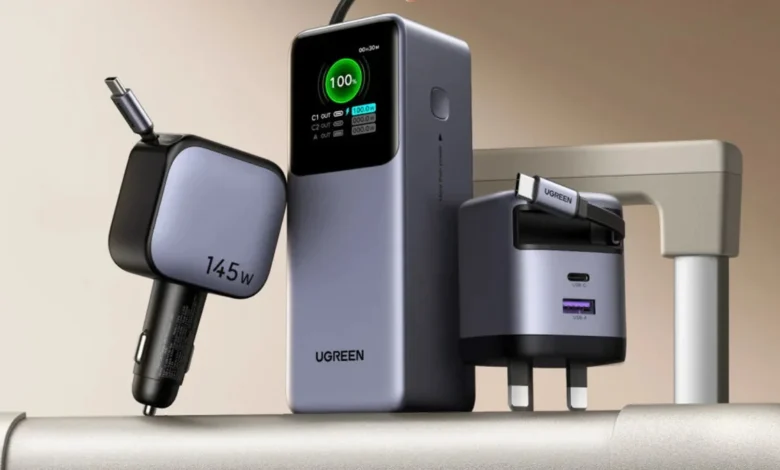
The ascent of Shenzhen-based Ugreen Group Limited from a niche e-commerce seller to a publicly traded multinational powerhouse represents one of the most significant success stories in the modern consumer electronics landscape. Known primarily for its expansive portfolio of chargers, high-speed data cables, power banks, and docking stations, Ugreen has solidified its position as a reliable alternative to first-party accessories. While many tech companies in the hardware space rely on opaque ownership structures, Ugreen maintains a transparent corporate profile, operating under the umbrella of Ugreen Group Limited, a firm that has successfully transitioned from a domestic Chinese startup to a publicly listed entity on the Shenzhen Stock Exchange.
Corporate Genesis and Strategic Growth
Founded in 2012 in the bustling tech hub of Shenzhen, Guangdong, Ugreen began its journey with a singular focus on connectivity solutions. At a time when the smartphone market was entering a period of hyper-growth, the demand for high-quality charging cables and data transfer accessories surged. Ugreen leveraged this market gap by prioritizing durable materials and performance-based engineering.
The company’s growth trajectory was inextricably linked to the rise of global e-commerce. By focusing its early marketing and sales efforts on Chinese platforms, Ugreen gathered the capital and consumer feedback necessary to pivot toward international markets. The turning point arrived just a few years after its inception when the company entered the Amazon marketplace. This move proved pivotal; Ugreen’s emphasis on value-for-money, combined with aggressive digital marketing, led to it being recognized as one of Amazon’s most popular brand sellers for two consecutive years. This success provided the foundation for an offline expansion that now spans over 10,000 physical retail locations worldwide, marking a rare and successful transition from pure-play e-commerce to an omnichannel retail model.
Leadership and Corporate Structure
Ugreen Group Limited is not a subsidiary of a larger conglomerate, but rather an independent entity currently led by co-founder and chairman Zhang Qingsen. The company’s governance structure is centralized yet public-facing, having achieved a major milestone in July 2024 with its initial public offering (IPO) on the Shenzhen Stock Exchange.
Financial transparency, as reported through the Chinese securities disclosure platform Cninfo, indicates that the company is tightly controlled by its original founders. As of mid-2026, Zhang Qingsen held a controlling 45.27% stake in the company, ensuring a consistent strategic direction. The company’s vice chairman, co-founder Chen Junling, maintains a significant 17% stake. This alignment of founder interests has allowed Ugreen to maintain a research-and-development-heavy culture, focusing on the design, production, and sale of advanced consumer electronics. The firm currently employs thousands, with a primary focus on internalizing production capabilities to control quality—a significant differentiator from competitors who rely entirely on white-label manufacturing.
Technological Innovation: The GaN Revolution
A key pillar of Ugreen’s recent reputation is its commitment to innovation, particularly in power management. The company made international headlines when it introduced what it billed as the world’s first 300W Gallium Nitride (GaN) charger. GaN technology has become the industry standard for high-performance, compact chargers, as it allows for significantly higher power density and thermal efficiency compared to traditional silicon-based components.
By spearheading the adoption of high-wattage GaN chargers, Ugreen signaled to the industry that it was moving beyond simple cable manufacturing into the realm of advanced power systems. This shift has allowed the company to compete directly with high-end laptop and smartphone accessory makers, catering to a professional demographic that requires fast, safe, and portable power delivery for multiple devices simultaneously.
The Significance of Apple MFi Certification
In the crowded market of third-party accessories, consumer trust is often built through certifications. Ugreen’s focus on Apple’s MFi (Made for iPhone/iPad/iPod) program serves as a critical quality signal for its customer base. MFi is a licensing program that requires third-party manufacturers to adhere to strict design and performance standards set by Apple.
Products carrying the MFi badge—such as Ugreen’s Lightning-to-USB-C cables and proprietary 3.5mm-to-Lightning adapters—must undergo rigorous testing at Apple-approved facilities. This certification is not a brand-wide endorsement; rather, it is granted on a per-product basis, meaning each specific accessory must meet the criteria for compatibility and safety. For consumers, this provides a "badge of honor" that differentiates Ugreen from uncertified, low-cost "knock-off" manufacturers that frequently flood online marketplaces. By consistently securing this certification, Ugreen has effectively mitigated the risks associated with non-compliant charging hardware, such as device overheating or data corruption, thereby insulating itself from the common pitfalls that often plague budget-tier electronics brands.
Market Impact and Future Trajectory
The broader implications of Ugreen’s market presence are twofold. First, the company serves as a case study for the "Shenzhen model" of tech evolution: moving from high-volume, low-margin production to a brand-conscious, high-quality manufacturing operation that values intellectual property and regulatory compliance.
Second, the company’s expansion into diverse categories—ranging from docking stations for workstation setups to compact accessories for mobile devices—suggests a long-term strategy of becoming an essential part of the consumer’s digital ecosystem. The shift toward higher-wattage power solutions and data-centric peripherals suggests that Ugreen is positioning itself to benefit from the ongoing demand for "work from anywhere" hardware.
However, the road ahead is not without challenges. As the consumer electronics industry faces increasing scrutiny over environmental impact and global trade regulations, Ugreen will need to balance its aggressive expansion with sustainability initiatives. Furthermore, as proprietary charging standards evolve—particularly with the widespread transition to USB-C across all consumer device categories—the importance of "Lightning-specific" MFi certification may wane, necessitating a pivot toward new certifications and standards.
Conclusion: Sustained Relevance in a Competitive Market
Ugreen has successfully navigated the transition from a localized Chinese startup to a global consumer electronics brand by prioritizing R&D, maintaining strict quality control, and securing prestigious industry certifications. By operating as a publicly traded company, it has invited the scrutiny and transparency that institutional investors demand, which in turn has bolstered consumer confidence. As the brand continues to diversify its product line, its ability to maintain its identity as a reliable, high-performance, and accessible manufacturer will remain its greatest asset. The company’s history of growth—from its early Amazon success to its leadership in GaN technology—suggests that it is well-equipped to adapt to the shifting sands of the global hardware market for years to come.