The retail footprint of Google continues to expand at a measured, strategic pace, with the technology giant confirming that its newest physical storefront is scheduled to open on November 6 at the Houston Galleria. This development represents a pivotal moment for Google’s hardware division, signaling a continued commitment to creating immersive, in-person experiences for consumers to engage with the Pixel ecosystem. Located at 5085 Westheimer Rd, Houston, TX 77056, the store will occupy a space within Texas’s largest and most prestigious shopping destination, positioning the brand squarely in a high-traffic hub of commerce and technology enthusiasts.
A Strategic Evolution in Physical Retail
For much of its history, Google operated primarily as a software and services company, with its hardware products sold through third-party retailers or its own digital storefront. The shift toward brick-and-mortar retail began in earnest as the company sought to emulate the high-touch customer experience provided by competitors like Apple. By establishing physical locations, Google aims to demystify its hardware, allowing users to handle the latest iterations of Pixel smartphones, Pixel Watches, and Nest smart home devices before making a purchase.
The Houston location is not an isolated experiment but part of a deliberate expansion plan. Following the successful openings in San Diego and the international debut in Tokyo earlier in 2026, the Houston Galleria store serves as a testament to the brand’s growing confidence in its physical retail model. This expansion is designed to provide localized support, including in-store repairs, device consultations, and community-focused workshops, which are increasingly vital as the complexity of smart home and wearable technology grows.
The Chronology of Google’s Retail Growth
The roadmap for Google’s physical stores has been characterized by a “slow and steady” approach. Unlike companies that opt for rapid nationwide scaling, Google has focused on selecting high-profile locations in major metropolitan areas that align with its target demographics.
- Initial Entry: The strategy began with test concepts and temporary pop-ups before the launch of the permanent flagship store in New York City.
- Regional Expansion: Building on early successes, the company moved into major hubs including Chicago and various California locations.
- The 2026 Surge: This year has seen an acceleration in physical presence. The San Diego opening earlier in the spring, followed by the groundbreaking launch in Tokyo—the first outside the United States—marked a shift from domestic testing to a global retail strategy.
- Texas Foothold: The Houston store follows the opening of a location in Austin last year, indicating that Google views Texas as a critical market for its hardware growth. By establishing a presence in both the state capital and its largest economic hub, Google is effectively capturing the growing tech-forward population of the Texas Triangle.
Understanding the Retail Ecosystem at the Galleria
The selection of the Houston Galleria is particularly significant. As a premier shopping center, the Galleria attracts a diverse range of shoppers, from luxury consumers to tech-savvy professionals. By situating itself in this environment, Google is not just selling hardware; it is positioning the Google Store as a lifestyle destination.
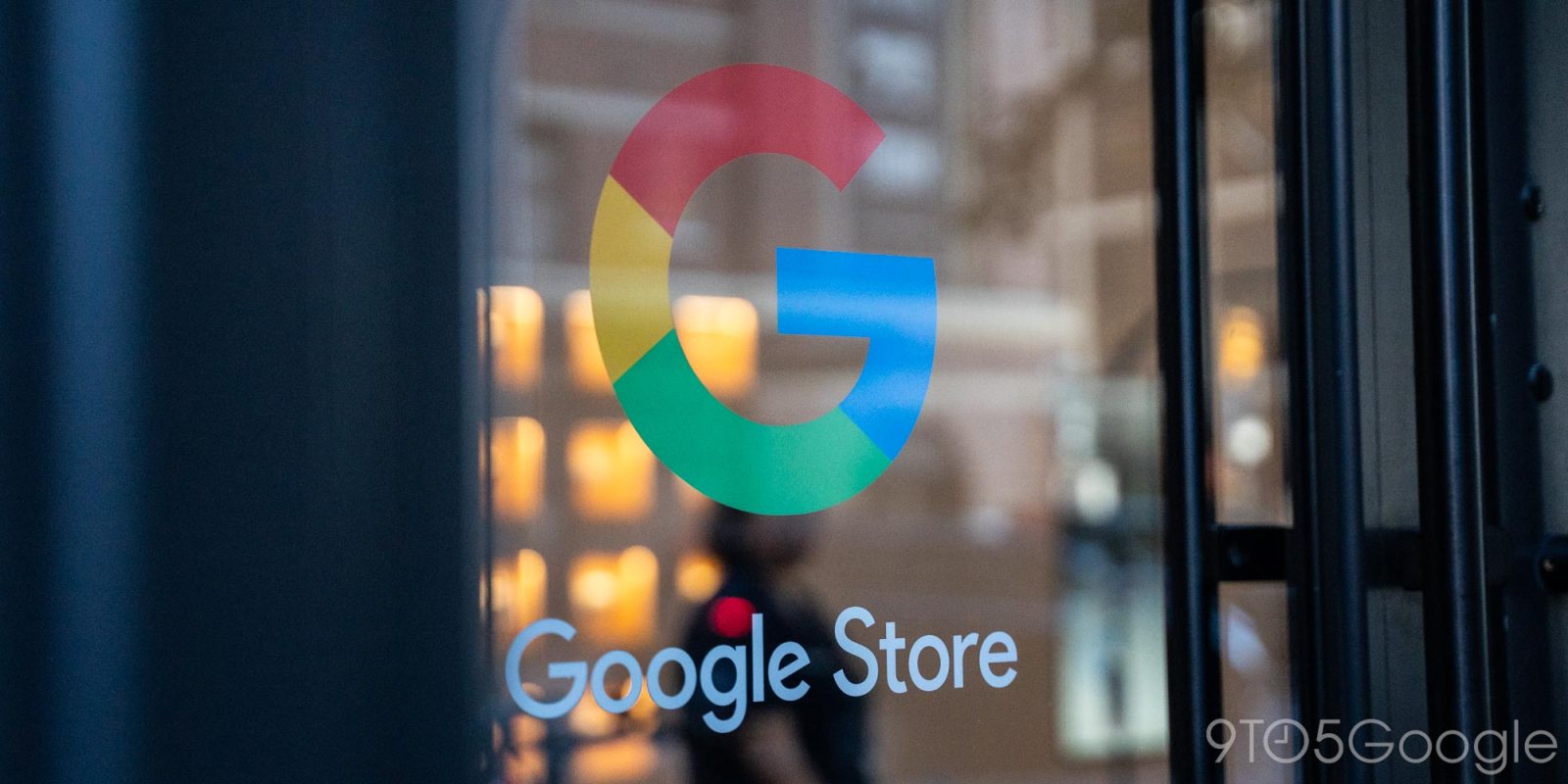
The store is expected to function as a multifunctional hub. Beyond retail transactions, it will serve as a customer service center where trained technicians can perform on-site repairs—a feature that significantly reduces the friction associated with hardware ownership. For many consumers, the ability to walk into a store and have a cracked screen replaced or a battery issue diagnosed by a qualified professional is a decisive factor in brand loyalty. Furthermore, the store will support the “click-and-collect” model, allowing customers to order products online and pick them up locally, further bridging the gap between Google’s digital presence and its physical footprint.
Data-Driven Retail Strategy
From an analytical perspective, Google’s move into Houston is supported by market data that highlights the increasing demand for “phygital” retail—a blend of digital convenience and physical interaction. Industry reports consistently suggest that while e-commerce continues to dominate the consumer electronics sector, customers are increasingly seeking physical retail spaces to validate high-ticket purchases.
For Google, the hardware division—which includes the Pixel line—has seen steady year-over-year growth in market share. The store serves as a physical showroom for this growth. By placing these stores in high-income, high-density areas, Google is maximizing its return on investment by ensuring that every square foot of retail space is utilized by a demographic that is already predisposed to investing in high-end consumer technology.
Additionally, the integration of smart home security cameras, thermostats, and speakers into a single, cohesive retail display allows consumers to see how Google’s ecosystem functions in a domestic setting. This experiential marketing is difficult to replicate through digital advertisements alone, providing a tangible competitive advantage.
Official Perspectives and Market Implications
While Google has remained characteristically understated regarding its internal sales targets for retail, spokespeople have previously emphasized that these stores are intended to be “community spaces.” By hosting workshops on photography, digital wellbeing, and smart home integration, the company is attempting to cultivate a loyal user base that views Google not just as a search engine, but as a holistic technology partner.
Industry analysts suggest that the Houston opening is a signal to competitors that Google is committed to the long-term viability of its hardware business. By investing in the high overhead costs associated with operating physical stores in major malls, the company is signaling that it is prepared to challenge the dominance of established players in the premium electronics market. This move effectively closes the gap in customer service and brand experience, which has historically been a point of contention for potential Android switchers.

Broader Economic and Community Impact
The establishment of a Google Store at the Galleria also carries local economic implications. Beyond the creation of retail and technical jobs, the presence of a global technology titan acts as a draw for other retailers and enhances the overall value of the shopping center. It signifies that Houston is viewed as a Tier-1 market for international technology companies.
Furthermore, the expansion into Houston reinforces the broader trend of tech companies decentralizing from their traditional Silicon Valley roots. By establishing a physical presence in Texas, Google is embedding itself further into the local economy, creating a more direct line of communication with its customer base in the Southern United States.
Looking Ahead
As of November 2026, with 12 stores now operating across the globe, the question remains: how fast will this expansion continue? While Google has not provided a definitive list of future locations, the trajectory suggests that the company is refining its model to be more scalable. The lessons learned in San Diego, Tokyo, and now Houston will likely inform the next phase of retail operations.
For the residents of Houston, the arrival of the Google Store marks a significant addition to the local tech landscape. It represents the maturation of Google’s hardware ecosystem and the company’s increasing focus on delivering a high-quality, end-to-end user experience. As the store opens its doors on November 6, it will stand as a physical manifestation of Google’s evolution from a digital service provider to a comprehensive consumer technology brand.
In conclusion, the opening of the Houston Galleria Google Store is more than a simple retail transaction. It is a calculated move to solidify brand presence, enhance customer support, and compete directly with top-tier hardware manufacturers. As the company continues to refine its strategy, these physical locations will likely serve as the primary interface between Google’s sophisticated software innovations and the daily lives of its consumers. The success of this location will likely determine the pace and scope of future retail developments for the company as it moves into the next fiscal year.