Google Classroom experiences widespread service disruption leaving educators and students unable to access virtual learning environments

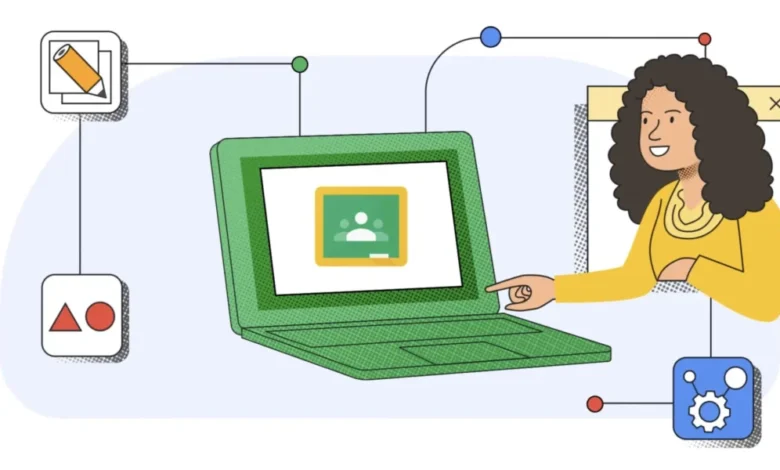
Google Classroom, the cornerstone of modern digital education for millions of students and educators worldwide, has encountered a significant service disruption this afternoon, effectively paralyzing the platform for a growing number of users. The outage, which began shortly after midday, has triggered a massive spike in user reports across monitoring services, marking one of the more notable technical failures for the platform in recent months. While the precise cause of the outage remains under investigation, the technical scope appears to be isolated to the Classroom interface, as other components of the Google Workspace ecosystem continue to function normally.
The Chronology of the Disruption
The incident first became apparent at approximately 12:33 PM ET, when automated monitoring tools, most notably Downdetector, began registering a surge in user reports. Within less than an hour, the volume of reports escalated from negligible levels to well over 500, a threshold that historically signals a widespread infrastructure issue rather than localized connectivity problems.
By 1:15 PM ET, reports from educators and students across various time zones began to corroborate the data from monitoring sites. Users attempting to log in to their respective classes reported persistent "500 Internal Server Error" messages, infinite loading loops, or the inability to authenticate their accounts through standard Google login portals.
For many schools, this disruption hit at a critical juncture in the academic day. In regions where classes were in session or where students were attempting to submit assignments ahead of early afternoon deadlines, the sudden loss of access caused immediate frustration. The localized nature of the outage—impacting Classroom while leaving services like Gmail, Google Docs, and Google Drive fully operational—suggests that the issue is likely rooted in a specific backend service or a synchronization bridge unique to the Classroom application.
Analyzing the Scope of the Technical Failure
The Google Classroom platform is a sophisticated ecosystem that relies on a complex web of services to facilitate document distribution, grade tracking, and real-time communication between teachers and students. Since the onset of the COVID-19 pandemic, which necessitated a rapid transition to remote learning, Google has significantly expanded the platform’s capabilities. Recent initiatives, such as the introduction of third-party add-ons, were designed to create a more integrated and versatile digital workspace.
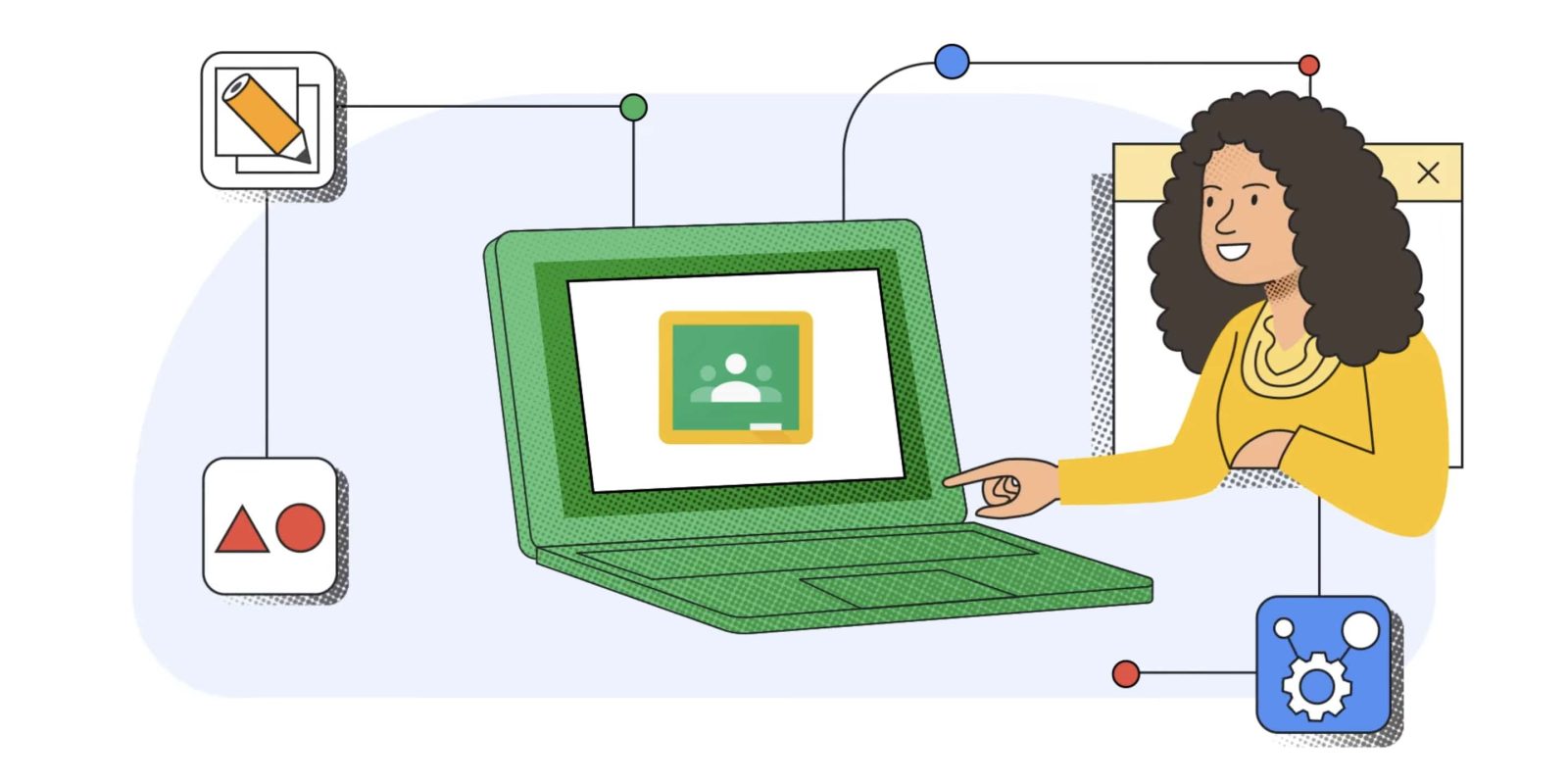
These integrations require seamless communication between Google’s servers and various external education technology platforms. While it is currently unknown whether a failure in one of these integration layers triggered the outage, the stability of the core Google Workspace suite provides a vital point of contrast. Because other tools, such as Google Drive and Calendar, remain stable, IT administrators at school districts across the country have been able to rule out broader identity provider issues or local network failures.
This specific segregation of the outage is somewhat unusual. Often, when Google infrastructure encounters a failure, it manifests as a broader degradation across the Workspace suite. However, the current event points toward a specific microservice failure within the Classroom architecture, possibly related to how the application manages session tokens or requests data from the underlying Classroom database.
Implications for Educational Continuity
The reliance on cloud-based learning management systems (LMS) has fundamentally shifted the classroom dynamic, but it has also introduced new vulnerabilities. When a platform as widely used as Google Classroom goes offline, the impact is instantaneous and, for many, disruptive to the pedagogical flow.
For teachers, the outage represents a loss of control over the digital environment. During the outage, instructors were unable to post updates, provide feedback on assignments, or host virtual links, effectively halting the remote portion of the curriculum. For students, particularly those in K-12 settings who depend on Classroom for daily lesson plans and assignment tracking, the outage created a sudden void in their academic responsibilities.
From an administrative perspective, the event highlights the fragility of relying on a single, centralized platform. While Google Classroom is highly regarded for its ease of use and cost-effectiveness, incidents like this underscore the necessity for contingency planning. Many school districts have already implemented "analog" or secondary backup systems for critical assignments, but the digital-first nature of modern schooling means that even a brief outage can create significant logistical friction.
Broader Context and Industry Standing
Google Classroom occupies a dominant position in the education technology market. Since its inception, it has evolved from a simple document-sharing tool into a comprehensive hub for academic interaction. The integration of third-party tools, which began in earnest in mid-2022, was a strategic move to fend off competitors like Canvas and Schoology by offering a more robust, "all-in-one" experience.

The timing of this outage is particularly notable given the continuous updates Google has been deploying to the platform. The company has been under pressure to maintain high levels of uptime, especially as schools move further into the digital age. In previous instances of large-scale outages, Google has typically provided timely updates through its official Workspace Status Dashboard. As of this report, the dashboard has been slow to reflect the gravity of the user reports, which is a common occurrence during the early stages of a developing technical crisis.
Industry Expert Analysis
Industry analysts suggest that outages of this nature are rarely the result of a single point of failure. Instead, they are often the result of "cascading failures"—where a minor glitch in one service triggers a chain reaction that overwhelms the capacity of the platform’s load balancers or database servers.
"Modern cloud services are essentially massive, distributed systems," says a systems architect familiar with enterprise cloud infrastructure. "Even a small update to a secondary service, like the module that handles third-party add-ons, can have unforeseen consequences on the primary application. When you see a spike like this, it usually points to a ‘poison pill’—a specific type of data or user request that the server doesn’t know how to handle, causing it to crash and then potentially crash the services around it."
Moving Forward: Recovery and Resolution
As of the latest update, Google has not released a formal statement detailing the root cause of the outage. Historically, once the service is restored, the company provides a preliminary incident report, often citing "internal server connectivity issues" or "service degradation" as the primary culprit.
For the millions of users currently affected, the immediate concern is the restoration of service. Given the scale of Google’s engineering capabilities, the outage is expected to be resolved in a matter of hours. The engineering teams at Google are likely currently running diagnostics to isolate the faulty code or server configuration that triggered the spike in errors.
In the aftermath, the incident will likely prompt a review of the platform’s load-balancing and redundancy protocols. While no system can guarantee 100% uptime, the expectation for a platform that serves the global educational community is a high degree of reliability. As schools become increasingly dependent on these digital infrastructures, the demand for transparency regarding these outages will only grow.

Frequently Asked Questions (FAQ) Regarding the Outage
-
Is this outage affecting all Google apps?
No, current data suggests that the outage is isolated to Google Classroom. Other Workspace apps, including Google Drive, Gmail, and Google Meet, appear to be functioning within normal parameters. -
How can I check if the service is back up?
Users are encouraged to monitor the official Google Workspace Status Dashboard. This is the most reliable source for information regarding service recovery. -
Should I try to clear my cache or cookies?
While IT support often suggests clearing browser cache during login issues, this is unlikely to resolve a server-side outage. It is recommended to wait until the service is officially marked as restored before attempting to troubleshoot individual account issues. -
Will my assignments be lost?
In most cases, server-side outages do not result in data loss. Once the servers are brought back online, student work that was successfully saved to the cloud should reappear. If an assignment was in the process of being submitted at the exact moment of the crash, it may be necessary to check with the instructor to confirm receipt.
As the situation develops, the focus remains on the swift restoration of services for students and teachers who rely on Google Classroom to facilitate their daily learning. The resilience of these digital platforms is essential to the modern academic experience, and this incident serves as a stark reminder of the complexities involved in maintaining a global, interconnected educational ecosystem.
For now, the technical teams at Google continue their work to mitigate the impact of this disruption, with users advised to remain patient as the platform returns to full functionality. Further updates will be provided as more information regarding the cause of the outage becomes available from official Google channels.