Clams serve as unconventional gardeners in ambitious effort to restore Long Island Sound eelgrass meadows

The ecological health of the Long Island Sound is undergoing a novel restoration experiment that leverages the natural behaviors of mollusks to re-establish vital seagrass populations. Environmentalists and marine biologists are currently deploying thousands of clams, each carrying a payload of eelgrass (Zostera marina) seeds, into the sound’s sediment. This unconventional “bio-engineering” approach aims to reverse a multi-decade decline in submerged aquatic vegetation that has left the region’s coastal waters vulnerable to erosion and biodiversity loss.
The Ecological Significance of Eelgrass
Eelgrass serves as a cornerstone species for temperate coastal ecosystems, providing essential services that ripple through the food web. These underwater meadows act as critical nurseries for juvenile fish and invertebrates, offering shelter from predators and a wealth of forage. Beyond their biological role, eelgrass beds are active agents of environmental stabilization. Their root systems bind coastal sediment, significantly mitigating erosion caused by tides and storm surges.
Furthermore, these plants function as natural filtration systems. By drawing in excess nutrients—often the byproduct of agricultural runoff and residential fertilizer use—eelgrass helps prevent harmful algal blooms and maintains water clarity. As they photosynthesize, they also act as carbon sinks, sequestering atmospheric carbon in the sediment, and oxygenate the surrounding water column. Despite these benefits, the Long Island Sound has experienced a catastrophic loss of this habitat. Records indicate that since the 1930s, eelgrass coverage in the region has plummeted by more than 90 percent, a decline driven by warming waters, increased turbidity, and nitrogen loading.
Chronology of a Failed Paradigm and a New Strategy
For years, traditional restoration efforts—which often involved manual planting or the use of heavy seeding anchors—met with limited success. The harsh, high-energy environment of the Long Island Sound often uprooted young shoots before they could establish a robust rhizome network.
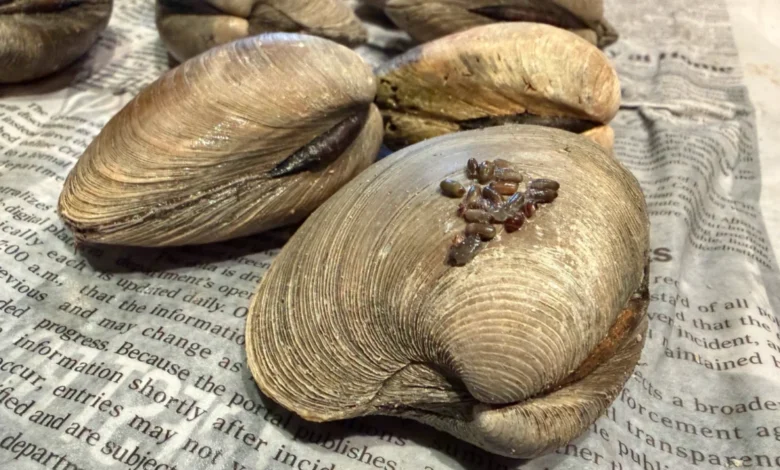
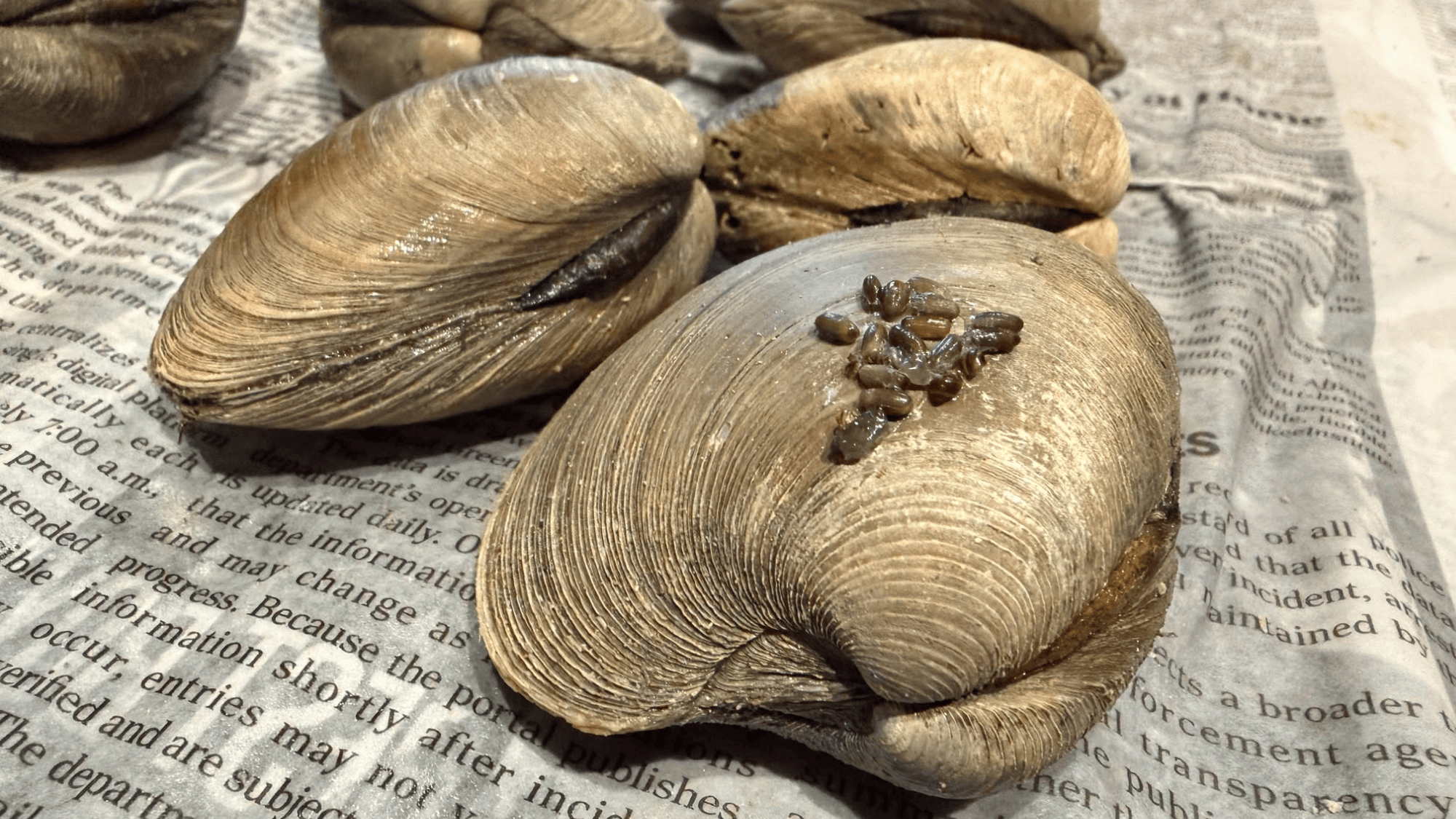
In 2025, the environmental organization Save the Sound, in collaboration with the Submerged Aquatic Vegetation Engineers Environmental (SAVE), shifted its focus toward a biomimetic solution. The methodology, originally proposed by Robert Vasiluth, relies on the clam’s natural instinct to burrow. By attaching eelgrass seeds to the exterior of a clam, the organism acts as a biological tractor. Once placed on the seafloor, the clam instinctively digs into the substrate to seek protection, effectively burying the attached seeds at an optimal depth for germination.
The results of the initial 2025 pilot program were promising, with drone imagery analysis revealing a 178 percent increase in local eelgrass meadow coverage. While this growth represents a significant victory, researchers remain cautious, noting that long-term viability requires a three-year observation window to ensure the plants reach maturity and successfully reproduce.
The Evolution of Deployment Technology
The success of this project hinges on the mechanics of seed attachment. Initially, the research team utilized adhesives commonly employed in coral reef restoration. However, field observations led to iterative improvements. Maria Rosa, a biologist at Connecticut College, discovered that using wet rice paper—a biodegradable, non-toxic material—significantly improved germination rates.
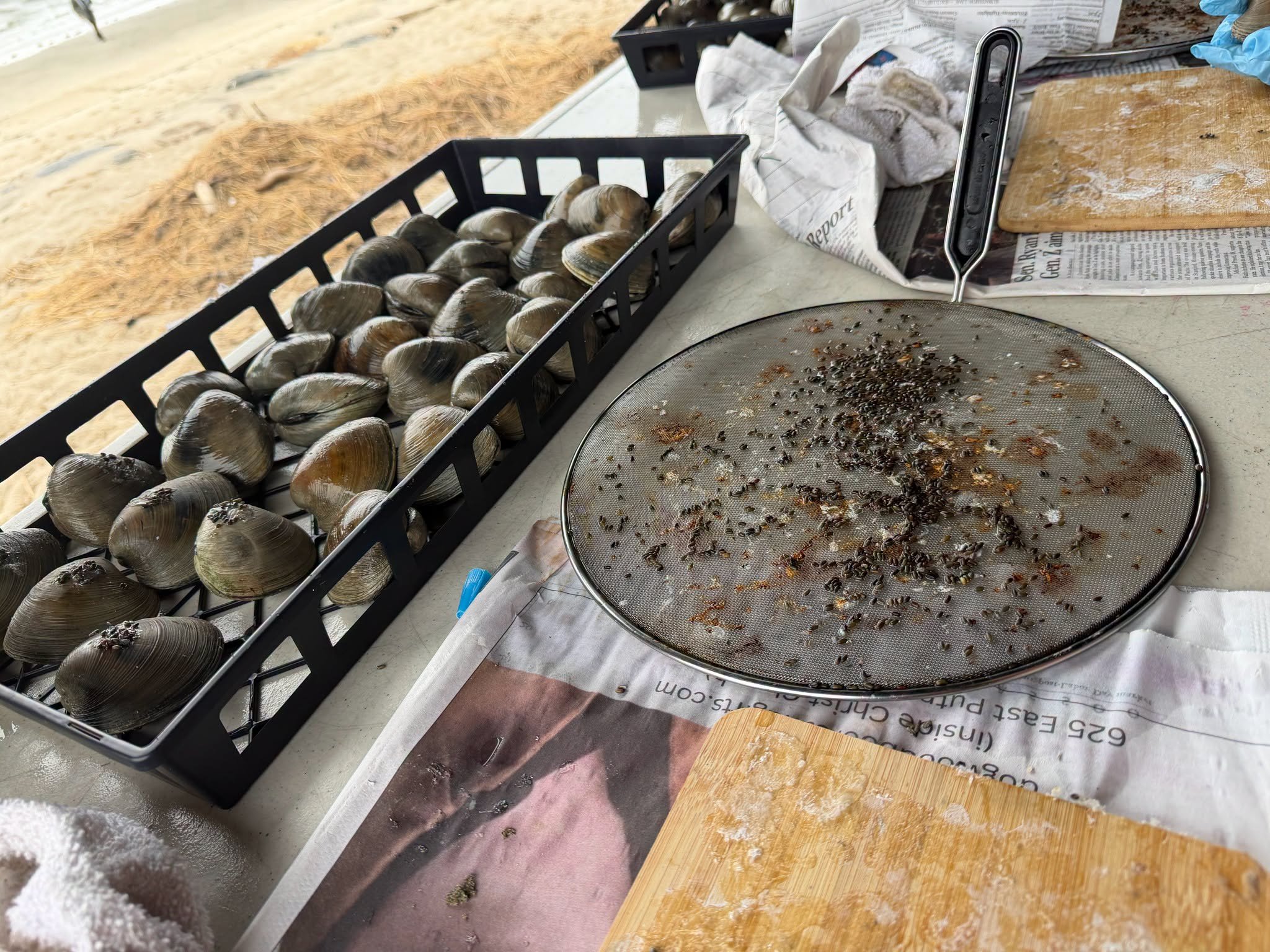
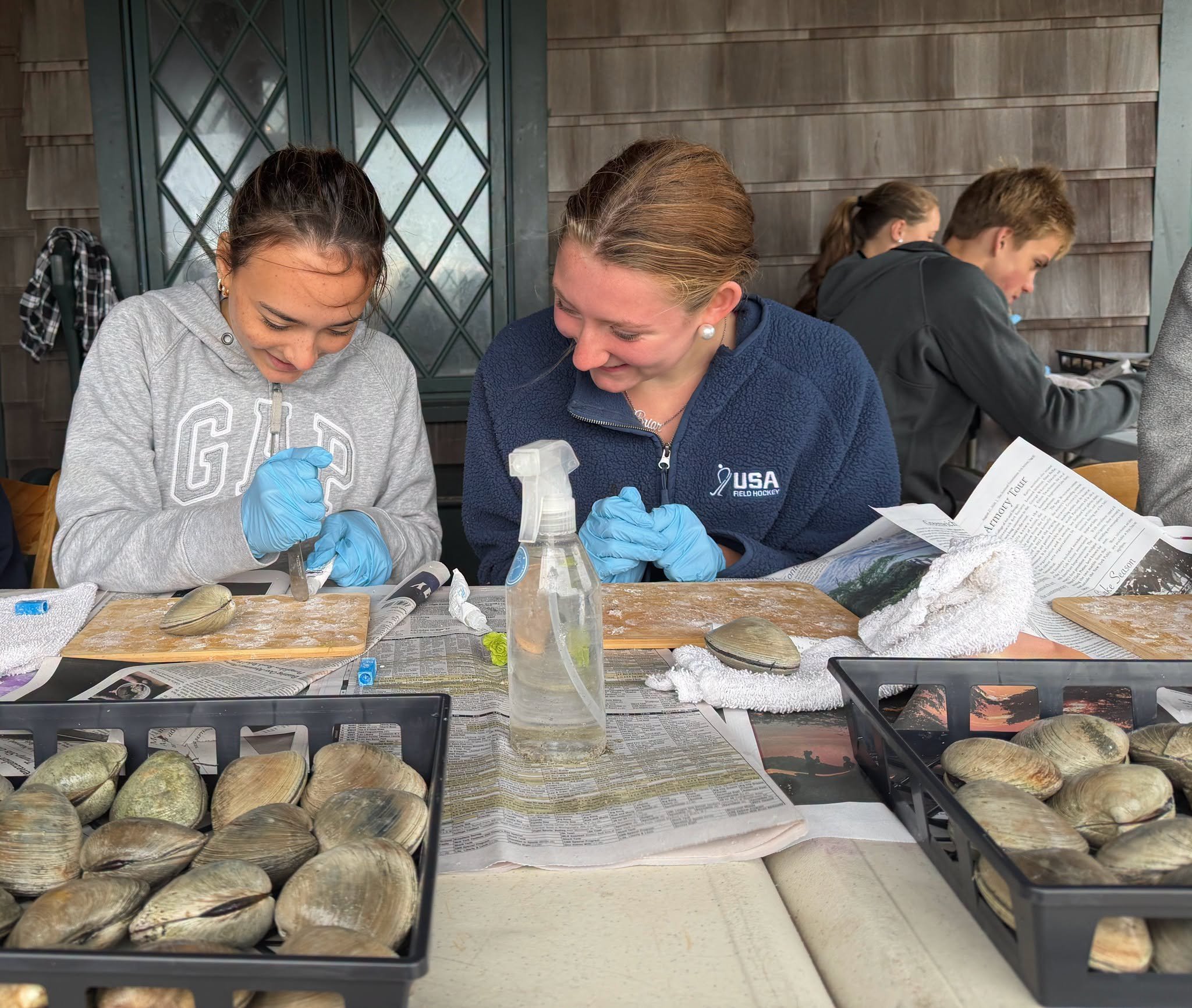
By October 2026, the deployment strategy had become increasingly sophisticated. To address issues with seed retention during the descent to the seafloor, the team developed a “pocket” technique. This involves placing 10 to 20 seeds atop a clam, securing them with a small ring of reef-safe glue, and covering the cluster with a dampened rice paper stamp. The paper keeps the seeds moist and protects them from currents until they reach the bottom, where the paper dissolves, allowing the seeds to germinate within the protective environment created by the clam’s burrowing activity.
Scale and Scope of the 2026 Season
The current restoration push is the most aggressive to date. Save the Sound has set a target of deploying 10,000 clams loaded with approximately 300,000 eelgrass seeds throughout the 2026 season. This scale is necessary to counteract the fragmented nature of the existing meadows and to increase the probability of successful cross-pollination among the emerging plants.
Bill Lucey, the Long Island Soundkeeper, emphasized that while the methodology is technically sound, the environmental variables remain complex. "We are observing incredible generation, but we have to be patient," Lucey noted. "The actual method of putting clams out and having them act as the planting mechanism really works, but we need to see these beds persist through various seasonal stressors before we can fully declare the system self-sustaining."
Broader Implications for Marine Restoration
The use of clams as planting vehicles represents a shift toward low-energy, nature-based engineering in coastal management. By utilizing the existing behavioral patterns of native fauna, restoration ecologists can reduce the labor costs and physical disruption associated with human-led replanting efforts.
If this method continues to demonstrate success, it could serve as a model for other coastal regions struggling with seagrass decline. Similar habitats in the Chesapeake Bay or the Pacific Northwest, which face parallel challenges regarding water quality and loss of seagrass, are observing the Long Island Sound project with interest. The potential for scaling this technology—perhaps through the use of mechanical dispersal systems that release seeded clams in designated restoration zones—is a subject of ongoing academic and professional debate.
Scientific Analysis of Restoration Challenges
While the "clam-gardener" method is innovative, it is not without challenges. The success of the seeds depends heavily on the health of the clams themselves. Predators, such as crabs or rays, may disturb the deployment sites, and the clams must be native species that are well-adapted to the specific sediment composition of the chosen sites to ensure they burrow effectively.
Moreover, the restoration of eelgrass is only one piece of a larger puzzle. Even if the plants successfully take root, the long-term survival of the meadows is contingent upon the broader management of the Long Island Sound watershed. Reductions in nitrogen discharge from wastewater treatment plants and the curbing of stormwater runoff remain the primary drivers of water quality improvement. Without addressing the root causes of the original degradation, any restoration effort—no matter how innovative—faces an uphill battle against the pressures of urbanization and climate change.
Nevertheless, the data gathered by the Save the Sound team provides a rare, tangible success story in marine conservation. By bridging the gap between biological behavior and engineering, the project offers a blueprint for how human intervention can support, rather than dominate, the recovery of degraded marine habitats. As the 2026 season progresses, the scientific community will be watching closely to see if these small, bivalve-driven efforts can scale into a permanent, thriving ecosystem that helps secure the future of the Long Island Sound.