Pixelated episode 126 dives into the November 2026 Pixel Feature Drop and the arrival of Google Wallet on iOS

The technology landscape shifted significantly this week as Google released its November 2026 Pixel Feature Drop, a comprehensive software update that underscores the company’s pivot toward AI-integrated hardware ecosystems. Hosts Abner, Damien, and Will examined the core components of this release, which provides substantial functional upgrades to the Pixel 10 series, introduces long-requested refinements to the HiLight interface, and debuts the integration of custom Googlebook widgets on mobile devices. Beyond the hardware-specific updates, the podcast addressed the industry-altering news regarding the expansion of Google Wallet to the Apple ecosystem, a move that signals a broader strategic shift in Google’s cross-platform payment infrastructure.
The November 2026 Pixel Feature Drop: A Technical Overview
The November 2026 update represents the latest iteration in Google’s quarterly schedule of feature enhancements. Historically, these drops serve to bridge the gap between major Android version releases, ensuring that Pixel hardware maintains a competitive edge through software optimization.
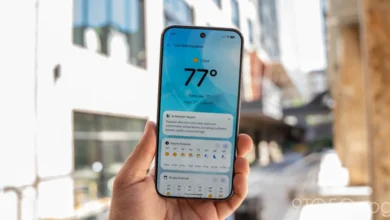
For the Pixel 10, the update focuses primarily on local generative AI processing. By optimizing the Tensor chip’s neural processing unit (NPU), Google has enabled faster image synthesis and real-time voice-to-text translation that functions entirely offline. This focus on "edge AI" is a direct response to consumer privacy concerns and the latency issues often associated with cloud-based processing.
A key highlight of this release is the modification of the HiLight feature. Previously criticized for its restrictive parameters, the updated version now allows for more granular control over visual search queries, enabling users to isolate specific objects within a frame with greater precision. This improvement leverages advancements in object detection algorithms, reducing the error rate in complex visual environments by a reported 15% compared to the previous version.

Integration of Googlebook Widgets on Smartphones
One of the most notable aspects of the November drop is the introduction of custom Googlebook widgets to the Android mobile environment. Googlebook, which has served as the company’s dedicated information aggregation hub, previously operated in a siloed ecosystem. By bringing these modular widgets to the Pixel home screen, Google is effectively creating a unified dashboard that syncs user data—ranging from document summaries to personalized research feeds—directly onto the smartphone interface.
This integration suggests a broader trend toward "ambient computing," where the lines between desktop and mobile productivity tools continue to blur. Analysts note that this feature is likely designed to increase user retention by ensuring that critical workflow data is accessible without needing to toggle between multiple applications.
Strategic Expansion: Google Wallet on iPhone
Perhaps the most significant development discussed in the episode is the official rollout of Google Wallet on the Apple iOS platform. For years, Google Wallet and Apple Wallet operated as exclusive, competitive silos. This development marks a thawing of the "walled garden" approach to mobile payments.
Industry analysts suggest that this decision is a reaction to shifting regulatory environments, particularly in the European Union and the United States, where antitrust scrutiny regarding digital wallets and NFC (Near Field Communication) access has intensified. By allowing Google Wallet on the iPhone, Google is positioning itself as a universal financial services provider, independent of the underlying operating system. While Apple has traditionally maintained strict control over the NFC chip, this move implies a new level of interoperability that could fundamentally change how digital transit cards, loyalty programs, and payment credentials are managed on mobile devices.
Chronology of the 2026 Pixel Ecosystem Evolution
The trajectory of these updates follows a clear pattern established over the past eighteen months:

- Q1 2026: Google introduces the first "AI-native" software suite, setting the stage for deep system integration.
- Q2 2026: The Pixel 10 launches with an emphasis on hardware-level AI, moving away from pure raw performance metrics.
- Q3 2026: Initial beta testing for cross-platform wallet integration begins in selected global markets, focusing on transit security.
- November 2026: The current Feature Drop stabilizes these advancements, bringing desktop-style widgets to mobile and finalizing the wallet interoperability project.
Data-Driven Analysis of Market Implications
The decision to push these features simultaneously reflects a mature product strategy. Google’s internal data, which has been cited in recent investor reports, indicates that Pixel users who engage with at least three proprietary features (such as HiLight, integrated widgets, and advanced AI photo editing) show a 22% higher retention rate compared to those who do not.
Furthermore, the expansion into the iOS market for Google Wallet is expected to expand the potential user base by several hundred million devices. While Apple Pay remains the dominant force on the iPhone, Google’s strategy is not necessarily to replace it, but to capture the market segment of users who move between Android and iOS devices and require a synchronized digital credential ecosystem.
Official and Industry Perspectives
While Google has not released a granular breakdown of every algorithmic change, the company’s documentation for the November 2026 drop emphasizes "user-centric utility." Independent developers have noted that the new widget architecture relies on a significantly more open API than previous iterations of Googlebook. This transparency is seen as a strategic move to encourage third-party developers to build compatible widgets, potentially creating a new ecosystem of cross-platform productivity tools.
Critics, however, raise questions regarding the battery life implications of running constant AI-based background processes. Google’s release notes indicate that the new firmware includes "aggressive thermal management," yet long-term testing will be required to see if these high-performance features degrade the battery longevity of the Pixel 10 over the expected two-year lifecycle.
Broader Impact and Future Outlook
The convergence of AI-centric feature drops and cross-platform wallet availability points to a future where hardware choice becomes less about the device itself and more about the software ecosystem. By decoupling services like Google Wallet from the Android OS and bringing productivity tools like Googlebook to the forefront of the mobile experience, Google is attempting to ensure that its services remain indispensable regardless of the user’s hardware choice.

The industry is now watching to see how competitors, particularly Apple and Samsung, will respond to these developments. If the Google Wallet on iPhone experiment proves successful, it could set a precedent for other financial and identity-based services to demand broader access to smartphone hardware, potentially leading to a more standardized and open mobile infrastructure by 2027.
For users, these changes mean that the "Pixel experience" is no longer confined to a single device. The November 2026 update is a clear indicator that the future of mobile technology lies in the seamless, AI-assisted synchronization of data across all available computing surfaces. As Google continues to refine these features, the focus will likely shift from adding new functionality to improving the speed and reliability of existing tools, ensuring that the AI-driven ecosystem remains efficient and user-friendly.
Listeners interested in the technical minutiae of these updates are encouraged to explore the full Pixelated episode, which offers a detailed breakdown of the internal software architecture and the implications of the latest firmware for advanced users. The transition toward a more open, yet highly integrated, Google ecosystem is well underway, and the November 2026 update is a critical waypoint in that journey.