Apple Expands Siri Camera Mode and Visual Intelligence Integration to Supported iPads in iPadOS 27.3 Beta

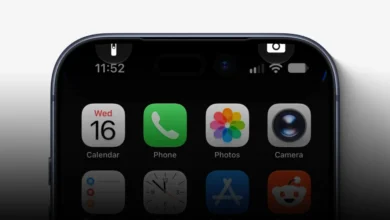
Apple has officially commenced the beta testing cycle for iPadOS 27.3, bringing a notable functional expansion to its tablet lineup by introducing the dedicated Siri mode within the native Camera application. Initially deployed earlier this year via iOS 27 for eligible iPhone models starting with the iPhone 15 Pro, this specialized camera mode streamlines user access to Apple’s advanced Visual Intelligence tools. With the rollout of the iPadOS 27.3 developer and public betas, the capability is now extending to a broad array of modern iPad Pro, iPad Air, and iPad mini hardware configurations, marrying software intelligence with the precision of the Apple Pencil.
The feature’s arrival on iPad hardware bridges a gap between Apple’s smartphone and tablet operating ecosystems, allowing users to leverage contextual computing directly through their camera viewfinders. While Visual Intelligence functions were already accessible on supported iPads through alternate system pathways, embedding the capability directly into the native Camera app as a dedicated Siri tab significantly reduces friction. Users can now capture imagery and instantly parse visual data, streamlining workflows for students, professionals, and everyday consumers alike.
Hardware Compatibility and System Requirements
The expansion of the Siri camera mode is strictly tied to Apple’s modern silicon architecture, mirroring the hardware gating seen during the initial rollout on the iPhone. To utilize the feature on iPadOS 27.3, users must operate specific hardware iterations equipped with Neural Engine capabilities robust enough to process real-time visual recognition tasks locally or via cloud-backed Apple Intelligence infrastructure.
According to release notes accompanying the initial iPadOS 27.3 beta build, compatible devices include all iPad Pro and iPad Air models powered by the M1 chip or newer variations. Additionally, the feature extends to select compact tablet configurations, specifically supporting iPad mini models powered by the A17 Pro and A20 Pro chips. Older iPad generations lacking these specified processors are excluded from the native Camera app integration, ensuring performance standards and processing thresholds remain consistent across supported devices.
Integration with the Apple Pencil
One of the defining aspects of the Siri camera mode implementation on the iPad platform is its native integration with the Apple Pencil. While iPhone users rely entirely on touch inputs and onscreen gestures to interact with Visual Intelligence data captured through the viewfinder, iPad users gain a granular layer of control afforded by the stylus.
When operating in Siri mode within the Camera app, users can capture a photograph of their immediate surroundings and subsequently utilize the Apple Pencil to physically circle, highlight, or select specific objects within the frame. Once an item is isolated via the Apple Pencil, Visual Intelligence immediately initiates a query to surface contextual information, identify landmarks, translate text, look up product specifications, or retrieve calendar and contact data related to the visual subject. This stylus-driven workflow transforms the iPad camera into an interactive canvas, merging physical observation with digital inquiry.
Chronology of the Feature Rollout
The integration of Visual Intelligence into Apple’s native camera software has followed a deliberate, multi-stage deployment schedule across the company’s hardware ecosystem throughout the year.
The journey began during Apple’s Worldwide Developers Conference (WWDC) earlier in the year, where the company outlined the foundational framework for iOS 27 and iPadOS 27, emphasizing deeper generative AI integration and ambient computing assistants under the banner of expanded Siri capabilities.
In June, following the initial developer preview phases, Apple officially introduced the Siri tab within the iPhone Camera app starting with the iPhone 15 Pro and subsequent generation handsets. This initial smartphone deployment served as the proving ground for the interface, allowing engineers to monitor performance, latency, and user adoption rates.
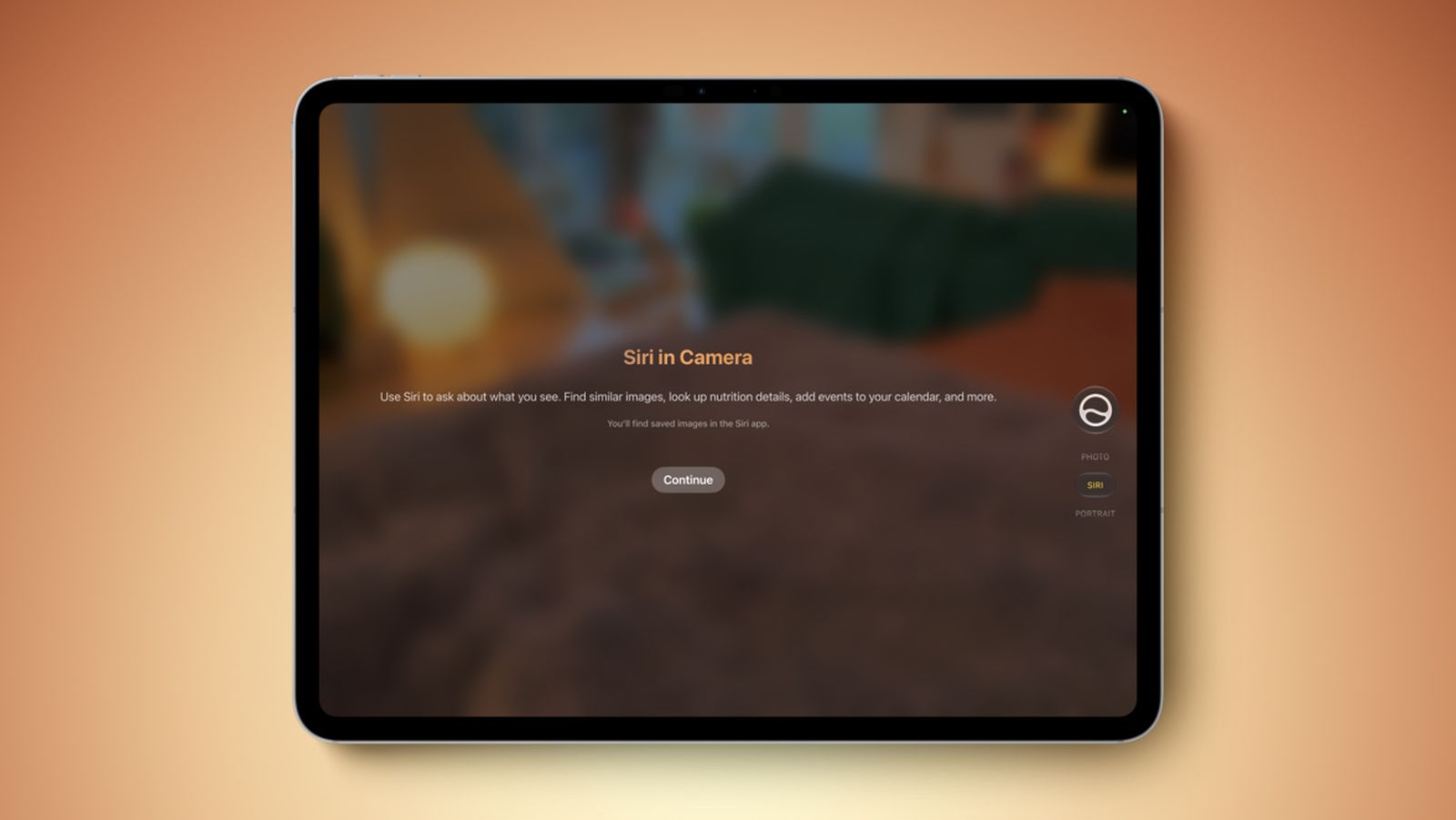
Following months of incremental updates—including the deployment of iOS 27.2 in late October, which focused heavily on expanding conversational memory for Siri AI, cross-device continuity, and messaging suggestions—Apple turned its attention toward closing the feature parity gap on tablets. On November 3, Apple seeded the first beta builds of iOS 27.3 and iPadOS 27.3 to developers and public beta testers, formally introducing the Siri camera mode to the iPad ecosystem. Industry analysts and software trackers anticipate that the official public release of iPadOS 27.3 will occur in December, following a standard four-to-six-week beta validation period.
Broader Context: The Evolution of Apple Intelligence and Siri
The introduction of the Siri camera mode on iPads arrives amid a broader, company-wide transition toward ambient intelligence. Over the past year, Apple has systematically updated its hardware and software portfolios to embed advanced machine learning features deeply into daily use cases.
Recent hardware announcements, such as the fourth-generation Apple TV 4K powered by the A19 chip and equipped with robust Siri AI support, demonstrate Apple’s commitment to a unified ecosystem experience. Simultaneously, software updates like iOS 27.2 have expanded Siri’s conversational context retention, enabling the assistant to recall past dialogs, cross-reference recommendations, and synthesize information across disparate native applications.
By bringing Visual Intelligence directly into the Camera app via a dedicated Siri tab, Apple is repositioning the camera from a traditional optical capture tool into an active contextual sensor. Rather than simply recording a scene for posterity, the device acts as an active interpreter of the physical world. For iPad users—who frequently use the larger tablet form factor for productivity, design, education, and field work—the ability to point the camera at complex diagrams, foreign signage, or architectural elements and immediately query the system using an Apple Pencil represents a substantial workflow enhancement.
Fact-Based Analysis of Implications
The deployment of iPadOS 27.3 and its associated camera features carries several implications for developers, enterprise users, and the consumer tablet market.
From a developer perspective, the expansion underscores Apple’s insistence on hardware standardization. By restricting advanced machine learning and visual search features to devices equipped with M-series processors (M1 and newer) or advanced A-series chips (A17 Pro, A20 Pro, and A19 variants), Apple continues to incentivize hardware upgrades while ensuring that software performance does not falter on legacy silicon. This hardware boundary creates a clear tier of capability within the active user base, signaling that future software iterations will increasingly rely on advanced on-device neural processing units (NPUs).
For enterprise and educational sectors, the combination of a large-screen tablet interface, Apple Pencil precision, and instant visual querying offers tangible utility. Classrooms and corporate environments often utilize iPads for interactive media consumption and documentation. The ability to instantly analyze visual data, extract text, and query information without switching between third-party applications or manual search engines reduces cognitive load and operational friction.
Market reception to the ongoing refinements in iOS and iPadOS 27 cycles has generally been favorable, particularly as Apple addresses initial feature fragmentation between iPhones and iPads. While Visual Intelligence was functionally present on iPads prior to this update, the absence of the dedicated Camera app shortcut was a minor point of friction for users accustomed to the iPhone’s streamlined interface. The forthcoming December release of iPadOS 27.3 will effectively resolve this parity issue, standardizing the user experience across all primary touch devices in the Apple ecosystem.
Next Steps for Beta Testers and General Availability
As of today, registered developers and public beta participants enrolled in the Apple Beta Software Program can download and install the iPadOS 27.3 beta via the standard system settings menu by navigating to Settings, General, and Software Update.
As with all pre-release software, early adopters are advised to back up their devices prior to installation, as beta builds may occasionally exhibit software instability, third-party application incompatibilities, or reduced battery efficiency. Apple is expected to iterate through several developer and public beta builds over the coming weeks, refining performance metrics, addressing telemetry reports, and optimizing battery drain associated with continuous camera-based neural processing before pushing the final, stable build to the general public in December.
Related posts: