Samsung Galaxy Z Flip 9: Future Uncertain as Discontinuation Rumors Emerge Amidst Market Shifts

Following the recent official unveiling of the Samsung Galaxy Z Flip 8, attention has rapidly shifted to its successor, the purported Galaxy Z Flip 9. However, unlike previous years where speculative leaks focused on next-generation specifications or design innovations, current whispers within the industry point towards a more fundamental question: the very existence of the Z Flip 9 and the potential discontinuation of Samsung’s popular clamshell foldable line. This unexpected narrative introduces significant uncertainty into the future of a device that has, for years, defined a segment of the nascent foldable smartphone market.
The Discontinuation Rumor and Its Origins
The most prominent and unsettling rumor surfaced prior to the Galaxy Z Flip 8’s announcement, suggesting that the eighth iteration might indeed be the last in Samsung’s long-running Flip series. This claim originated from Ice Universe, a leaker with a notable track record for accuracy concerning unreleased devices. While such leaked information always carries a degree of uncertainty – potentially stemming from internal discussions where the idea was merely explored rather than a definitive corporate decision – its source lends it considerable weight within tech circles. The initial cryptic message provided little detail beyond "The Samsung Galaxy Z Flip 8 is likely to be Samsung’s last small folding product," yet it has ignited widespread discussion among consumers and industry analysts alike.
Market Dynamics and Shifting Strategies
The speculated reasoning behind such a drastic strategic shift is multifaceted, primarily revolving around evolving market conditions and potentially waning sales performance of the Flip series relative to other form factors. The global smartphone market, while mature, continues to see dynamic shifts, particularly within the premium and innovative segments like foldables. Samsung, as a pioneer in this space, constantly evaluates its product portfolio to align with consumer demand and competitive pressures.
One significant factor is the emergence and growing prominence of smaller, "book-style" foldables. Historically, Samsung’s Z Fold series occupied the larger, tablet-like foldable niche, while the Z Flip offered a compact, fashion-forward clamshell experience. However, the market has begun to see new entrants and evolving designs that blur these lines. The introduction of a "new smaller Galaxy Z Fold 8," as mentioned in initial reports, could signal a strategic pivot by Samsung towards consolidating its foldable offerings around the book-style form factor, even if it means sacrificing the clamshell design. This could be driven by a perception that book-style foldables offer a more compelling blend of productivity and entertainment, potentially appealing to a broader premium audience.
The foldable smartphone market, while still a niche, has shown remarkable growth. According to reports from firms like Counterpoint Research, the global foldable smartphone market is projected to grow significantly in the coming years, with shipments potentially reaching tens of millions annually. While the Flip series initially captured a substantial portion of this market due to its more accessible price point and nostalgic appeal, the landscape is becoming increasingly competitive. Brands like Motorola (with its Razr series), Oppo (Find N Flip), and Honor have all launched their own clamshell foldables, intensifying the competition and potentially eroding Samsung’s dominant market share in the segment. If Samsung perceives diminishing returns or a plateau in innovation potential for the Flip form factor, reallocating resources to more promising areas becomes a logical business decision.
A Look Back: The Evolution of the Z Flip Series
The Samsung Galaxy Z Flip line has been instrumental in popularizing foldable technology since its debut in early 2020. Launched shortly after the original Galaxy Fold, the Z Flip offered a more refined, fashion-conscious, and notably more durable foldable experience. Its clamshell design resonated with consumers seeking a compact device that could easily slip into a pocket or small purse, harkening back to the beloved flip phones of the early 2000s.
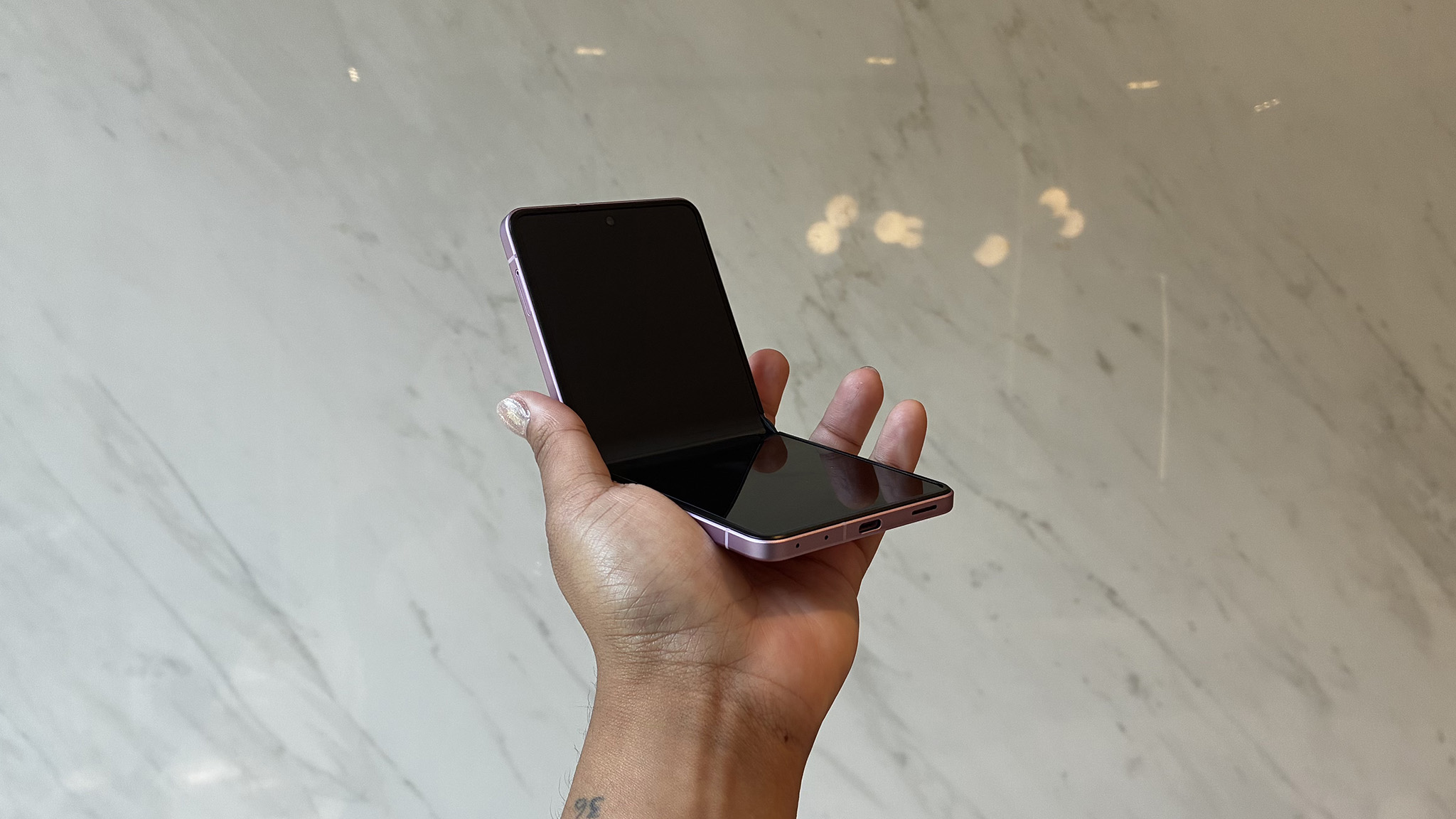
Each subsequent generation brought incremental yet significant improvements. The Z Flip 3 introduced IPX8 water resistance, a crucial durability upgrade, and a larger, more functional cover screen. The Z Flip 4 focused on battery life and hinge durability. The Z Flip 5 dramatically expanded the cover screen, transforming it into a much more versatile external display, reducing the need to open the phone for quick tasks. The Z Flip 8 further refined the design, reducing thickness and integrating advanced battery technology. Over these eight generations, the Z Flip evolved from a novelty to a genuinely compelling smartphone, carving out a distinct identity within Samsung’s expansive mobile portfolio and helping to legitimize the foldable category. Its appeal often stemmed from its unique blend of style, portability, and innovative technology, making it a strong contender for users seeking something different from traditional slab smartphones.
Projected Timeline and Availability (If It Continues)
Should Samsung decide to proceed with the Galaxy Z Flip 9 despite the current rumors, its announcement would likely adhere to Samsung’s established product launch cadence. Historically, Samsung has utilized a mid-to-late summer window for its major foldable and wearable announcements. This pattern suggests that a potential Galaxy Z Flip 9 would be unveiled around July 2027. This timing allows Samsung to capture early back-to-school and pre-holiday season sales, strategically positioning its premium devices in the market. This consistent annual refresh cycle has allowed Samsung to steadily introduce new features and improvements, maintaining consumer interest and competitiveness.
Pricing Pressures and Market Positioning
One of the Z Flip’s most compelling selling points has always been its relative affordability compared to its larger, more expensive Z Fold counterpart. This pricing strategy made foldable technology accessible to a wider audience, contributing significantly to its market penetration. However, the economic climate and global supply chain dynamics are exerting upward pressure on electronics prices.
Analysts predict a continued rise in the cost of crucial components such as RAM and storage, partly fueled by the surging demand from the AI data center boom. As AI models become more complex and data-intensive, the need for high-performance memory and storage solutions escalates, driving up prices across the board. Should these trends persist, a price increase for the Galaxy Z Flip 9 would be almost inevitable. Such an increase, while perhaps necessary for Samsung to maintain profitability, could severely undermine the Z Flip’s value proposition. If the Z Flip 9’s price approaches that of a traditional non-folding flagship or even begins to overlap significantly with the entry-level Z Fold models, its distinct advantage as a "more affordable foldable" could erode, spelling trouble for the line’s commercial viability. Consumers might then question the trade-offs, particularly if competing traditional flagships offer superior camera systems or battery life at a similar or lower price point.
Anticipated Innovations and Design Enhancements (Assuming Continuation)
If the Z Flip line does indeed continue with a ninth iteration, several areas are ripe for innovation and refinement, building upon the advancements seen in the Z Flip 8 and other Samsung devices.
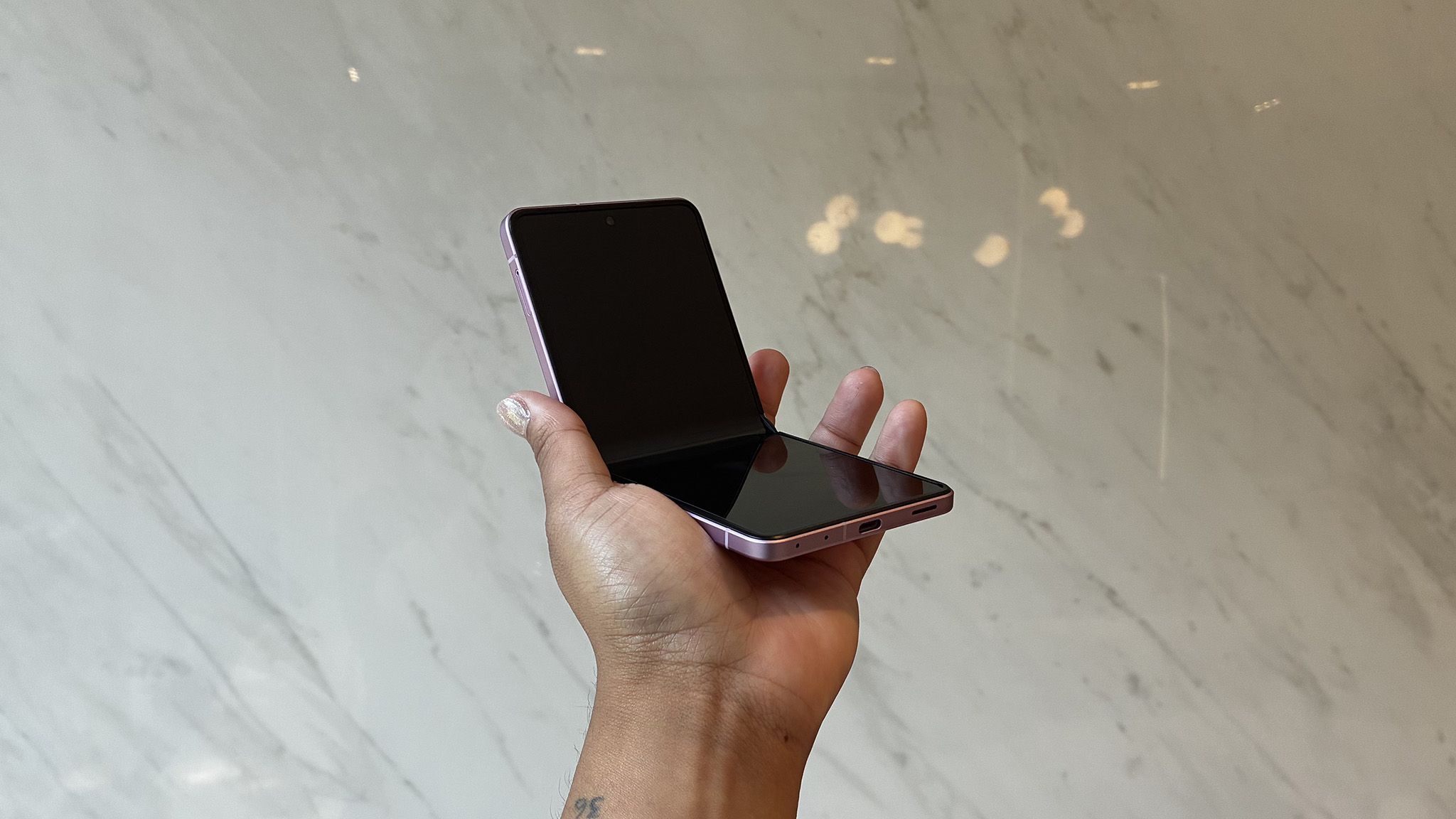
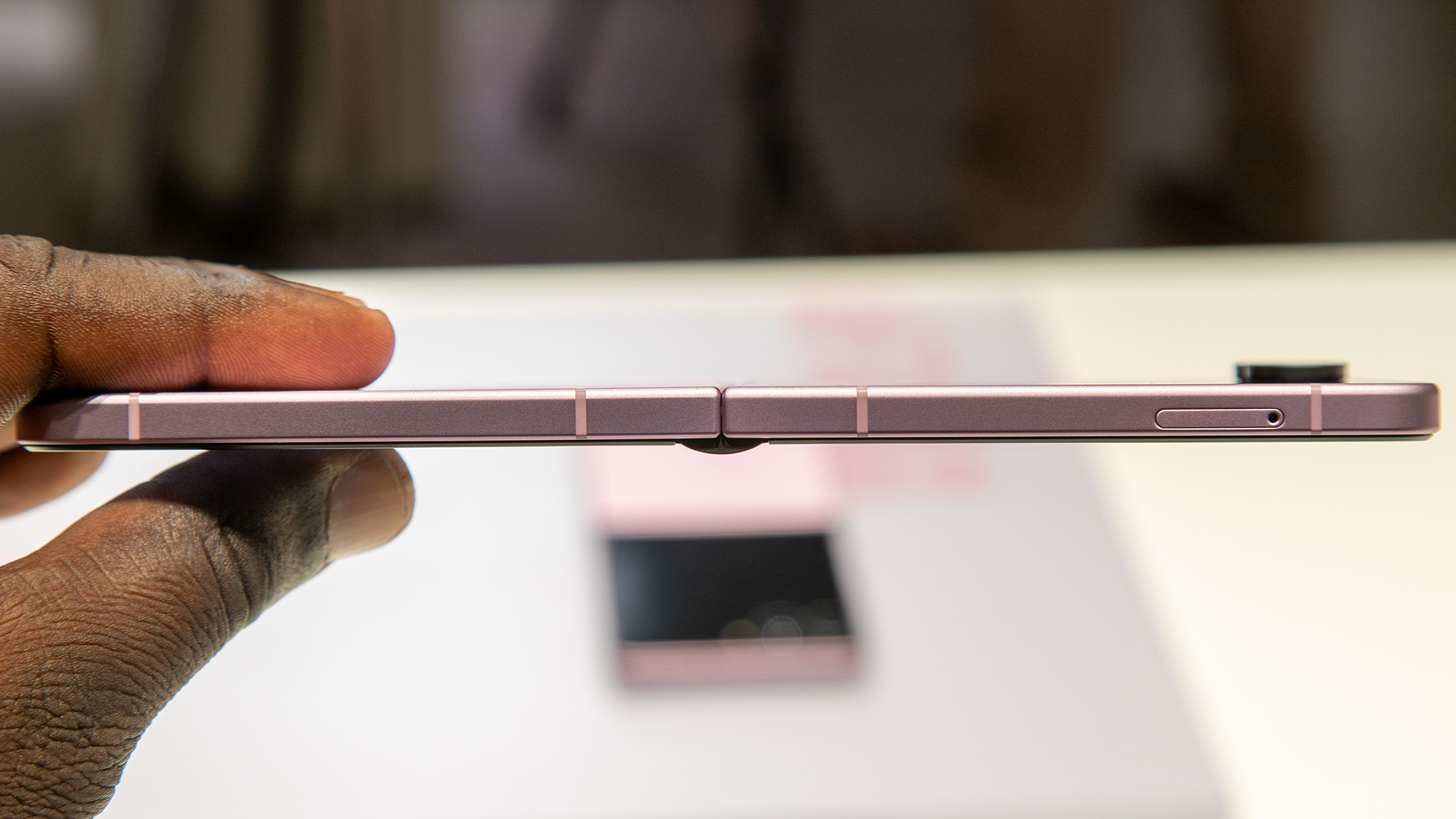
- Form Factor and Durability: The Z Flip 8 reportedly achieved a thinner profile, and a Z Flip 9 would likely continue this trend towards a sleeker, more pocketable design. Samsung’s advancements in battery technology, particularly the integration of silicon-carbon (reportedly 5% silicon content in the Z Flip 8’s batteries), are key to this. This material allows for increased battery capacity within a smaller physical footprint, directly enabling thinner and lighter phones without sacrificing endurance. Furthermore, Samsung’s recent use of titanium screen protection in the Z Fold 8 series significantly reduced the visibility and feel of the inner display crease. A Z Flip 9 would greatly benefit from similar or further refined hinge and screen technologies to minimize the crease, enhancing the user experience and the phone’s premium feel.
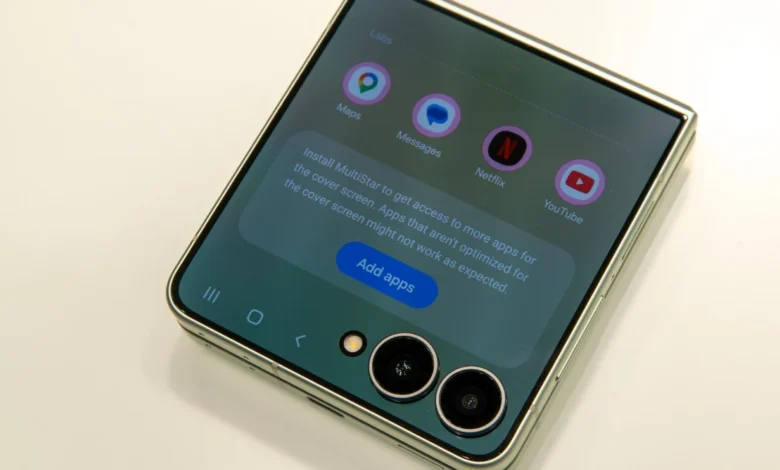
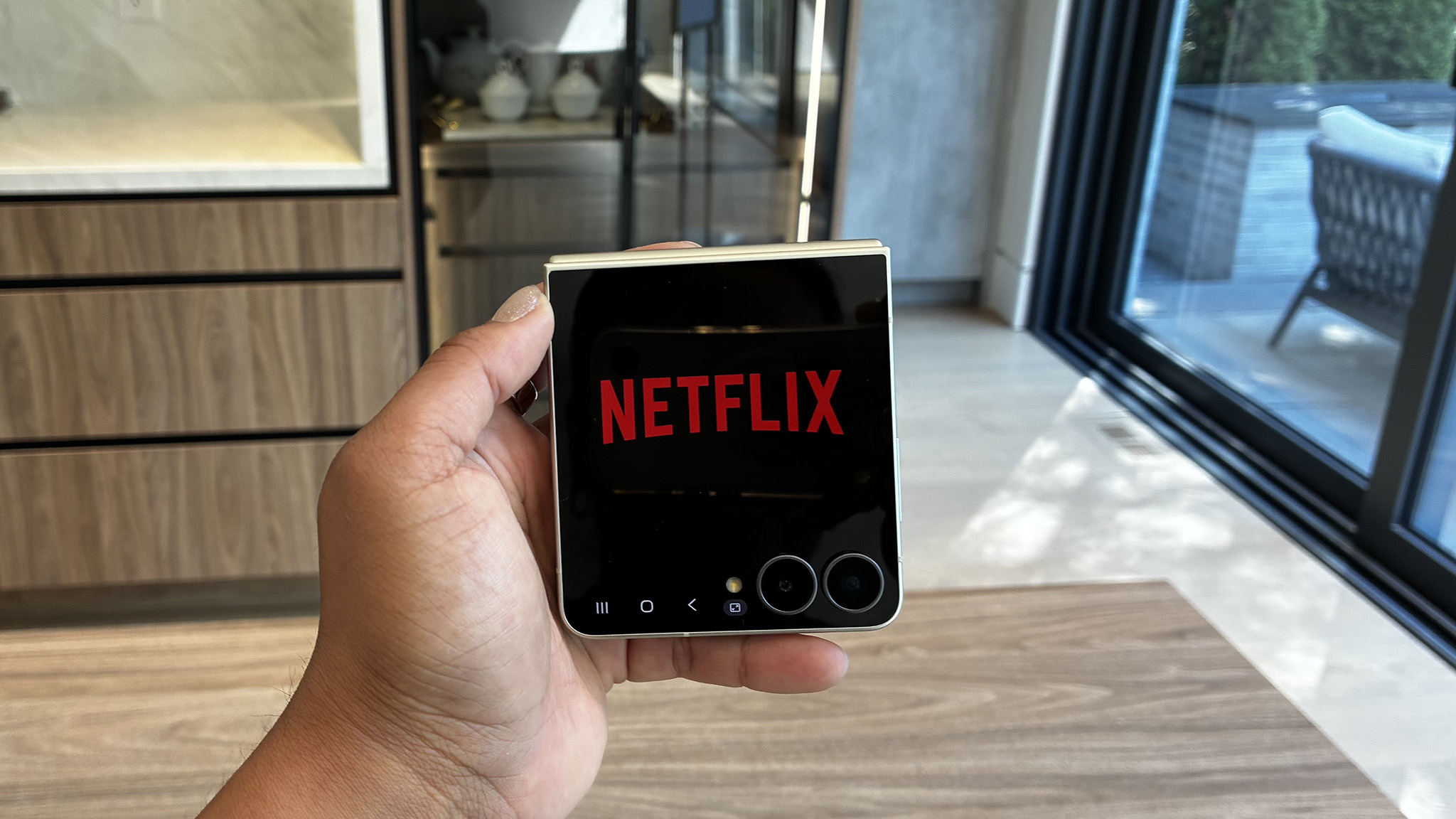
- Display Technology: The Z Flip 8’s cover display already occupies the entire front of the phone when closed, making significant physical changes to its size or shape unlikely for a Z Flip 9. Instead, enhancements would likely focus on functionality, refresh rates, brightness, and software integration to make the external screen even more versatile. For the main internal display, beyond crease reduction, two critical areas require attention:
- Privacy Display: Rumors suggest that the Galaxy S26 Ultra’s "Privacy Display" technology might propagate to other Samsung phones in 2027, including premium foldables like a potential Z Flip 9. This technology could offer advanced viewing angles or content masking features, enhancing user privacy in public settings.
- PWM Rate: Samsung has faced criticism for its Pulse Width Modulation (PWM) rates, a method used to dim OLED screens, which can cause eye strain for some sensitive users. Rivals have made significant strides in improving PWM frequencies for better eye comfort. A Z Flip 9 would need to address this, adopting higher PWM rates or DC dimming solutions to remain competitive in eye care features.
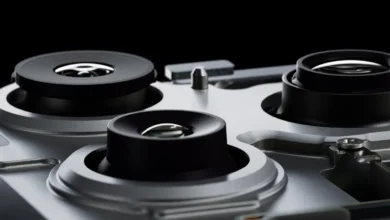
- Camera System: One persistent area where flip-style foldables generally lag behind their non-folding flagship counterparts is the camera system. Most flip phones, including the Z Flip series, typically feature a main wide-angle camera and an ultrawide lens. While these are versatile, the absence of a dedicated telephoto camera limits the device’s photographic capabilities, particularly for optical zoom. For a Z Flip 9 to truly compete as a premium device at its expected price point, integrating a "Pro-level zoom" telephoto lens would be a highly anticipated and welcome upgrade, bringing it closer to the imaging prowess of traditional flagships. This would significantly enhance its appeal to photography enthusiasts who value both portability and advanced camera features.
Statements and Industry Reactions
As is customary with pre-release rumors, Samsung has not issued any official statements regarding the potential discontinuation of the Galaxy Z Flip line or the specifics of the Z Flip 9. The company typically maintains a strict policy of not commenting on speculation. However, the implications of such a move would resonate widely across the industry. Competitors in the clamshell foldable market, such as Motorola, Oppo, and Honor, would likely view this as both a potential opportunity to capture Samsung’s market share and a cautionary tale about the segment’s long-term viability. Analysts would scrutinize Samsung’s strategic rationale, looking for signals about the broader future of foldable technology and which form factors are poised for sustained success.
Broader Implications for the Foldable Market
The potential discontinuation of the Galaxy Z Flip line would mark a pivotal moment for the foldable smartphone market. Samsung has been a leading innovator and market driver in this space, and the Z Flip, in particular, democratized foldables to some extent. Its departure would:
- Reduce Competition and Innovation: With Samsung, a major player, exiting the clamshell segment, competition might decrease, potentially slowing down innovation in this specific form factor.
- Shift Market Focus: It would strongly signal Samsung’s intent to concentrate its foldable efforts primarily on the book-style Z Fold series, potentially encouraging other manufacturers to follow suit or to double down on their own clamshell offerings to fill the void.
- Impact Consumer Choice: Consumers who value the compact, fashion-forward design of the Z Flip would have fewer options from leading brands, potentially forcing them to consider less established competitors or revert to traditional slab phones.
- Validate "Book-Style" Foldables: If Samsung believes the future lies more with the Z Fold’s versatility, it would lend significant weight to the argument that larger, tablet-like foldables offer a more compelling long-term value proposition for the premium market.
In conclusion, while the Samsung Galaxy Z Flip 8 has just made its debut, the conversation has already pivoted to a potentially uncertain future for its successor. The confluence of expert leaks, evolving market preferences, and rising component costs places the Galaxy Z Flip 9 in a precarious position. Whether Samsung chooses to continue refining its popular clamshell foldable or strategically reallocates its resources, the coming year promises to be critical in shaping the landscape of foldable smartphones. Industry observers and consumers alike will be closely watching for further rumors, leaks, and, ultimately, official announcements that will clarify the destiny of the beloved Z Flip series.