Best Buy’s "Black Friday in July" Sale Offers Significant Discounts on Top-Tier Televisions

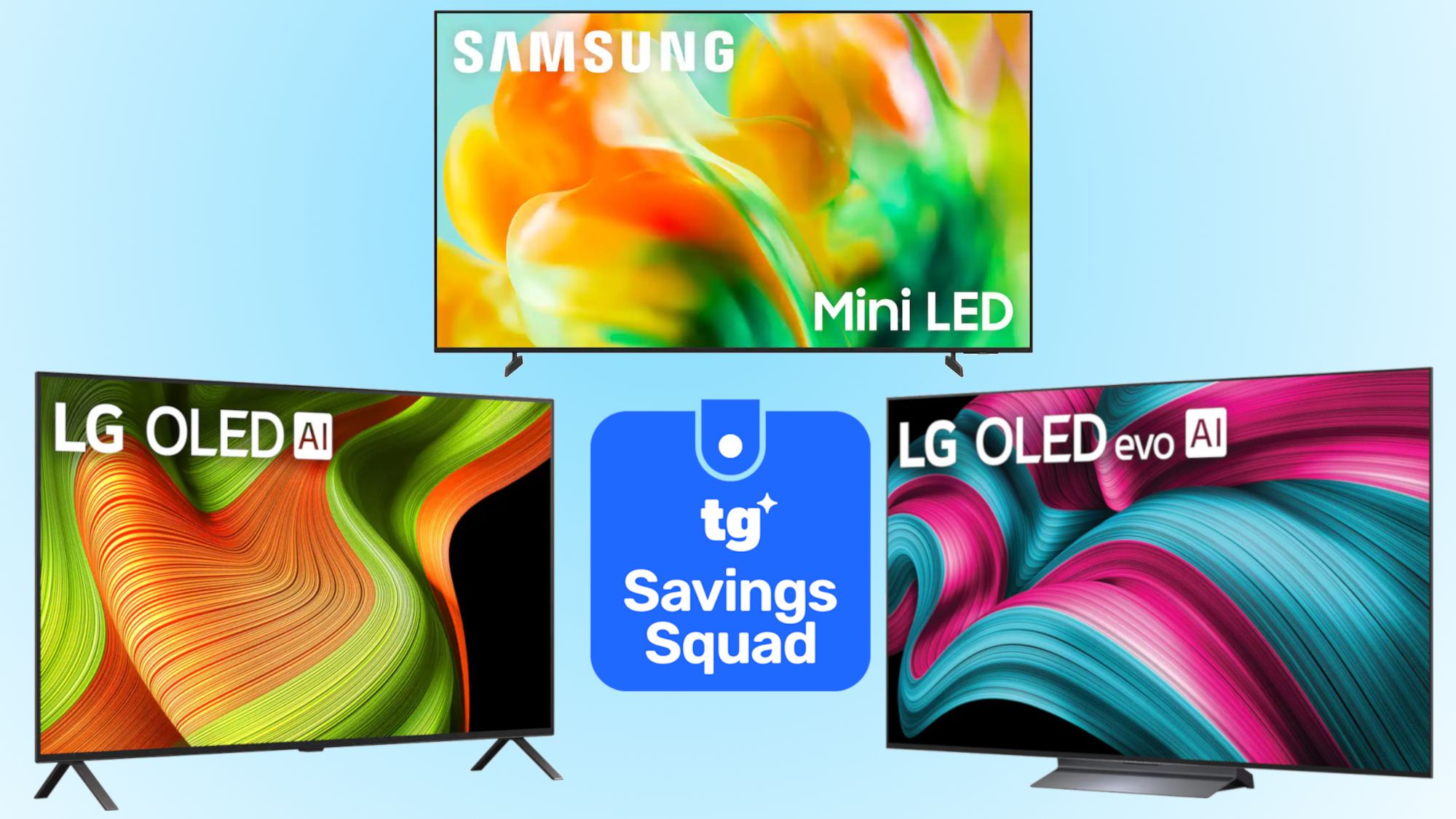
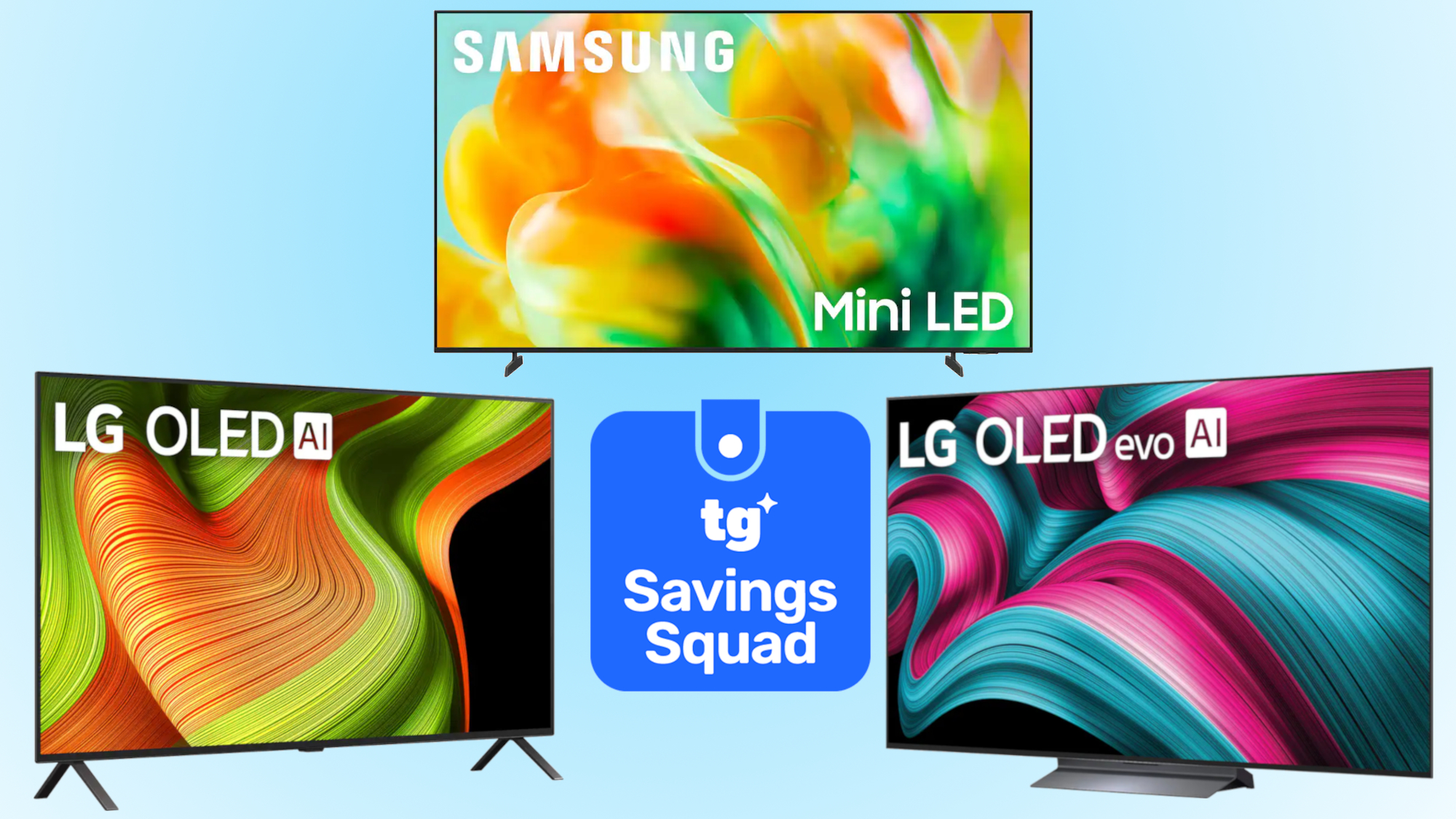
The period between the late spring holidays and the year-end shopping frenzy often sees a lull in major technology sales, with substantial discounts on televisions becoming a rarer commodity. However, large retailers periodically inject excitement into the market with significant price reductions, and Best Buy’s current "Black Friday in July" sales event stands as a prime example. This mid-year promotion presents a substantial opportunity for consumers to acquire high-quality televisions, including OLED, QLED, and advanced LED models, at considerably reduced prices.
Michael Desjardin, a Senior Editor for TVs at Tom’s Guide, has leveraged his extensive experience in evaluating and testing consumer electronics to identify the most compelling offers within Best Buy’s limited-time event. With over a decade of professional television testing, including previous tenures at Reviewed and USA Today, Desjardin’s analysis aims to guide consumers through the extensive listings and highlight models that represent both superior performance and exceptional value. His expertise, honed through rigorous lab testing of popular television models from leading manufacturers, provides a credible foundation for these recommendations.
Understanding the "Black Friday in July" Phenomenon
The concept of "Black Friday in July" sales, while seemingly counterintuitive, has become an established retail strategy. Originating as a way for retailers to stimulate sales during a traditionally slower retail period, these events leverage the anticipation and deal-seeking behavior associated with the traditional Black Friday in November. For consumers, it offers an early opportunity to secure significant savings on major purchases, particularly high-ticket items like televisions, before the intense competition and potential stock shortages of the holiday season.
Retailers often use these mid-year sales to clear out older inventory, introduce new models with introductory pricing, or simply to drive foot traffic and online engagement. Best Buy, a major electronics retailer in the United States, has consistently participated in this trend, offering a diverse range of products, with televisions frequently being a focal point due to their high consumer interest and significant price points. The timing of these sales can also align with specific events, such as the lead-up to major sporting events or the release of highly anticipated streaming content, further incentivizing purchases.
Key Takeaways from Best Buy’s Current TV Deals
Desjardin’s review of Best Buy’s "Black Friday in July" event focuses on identifying televisions that have not only been subjected to rigorous testing but also represent outstanding value at their current discounted prices. The selection process involves a deep dive into product specifications, performance metrics, and real-world testing data. This approach ensures that the recommended models are not merely budget-friendly but also offer a superior viewing experience, encompassing picture quality, smart features, and overall user satisfaction.
The article highlights the presence of deals across various television technologies:
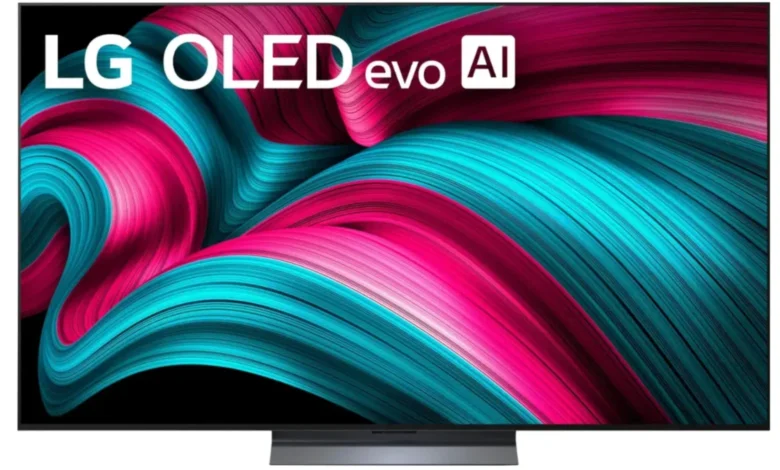
- OLED TVs: Renowned for their perfect black levels, infinite contrast ratios, and exceptional color accuracy, OLED televisions are often considered the pinnacle of display technology for home viewing. Discounts on these premium models during the sale represent a significant opportunity for enthusiasts to upgrade their home theater experience. Brands like LG and Samsung are prominent players in this segment, with their latest iterations often featuring advancements in brightness, processing, and gaming capabilities.
- QLED TVs: Developed by Samsung and adopted by other manufacturers, QLED (Quantum-dot Light Emitting Diode) technology utilizes quantum dots to enhance color volume and brightness. These TVs offer a compelling alternative to OLED, particularly for users who prioritize high peak brightness for well-lit rooms or for HDR content. The "Black Friday in July" event is likely to feature discounts on various QLED models, ranging from entry-level to high-end configurations.
- RGB LED TVs: This category encompasses a broad spectrum of LED-backlit televisions that utilize different lighting technologies to achieve varying levels of picture quality. While often more budget-friendly, advancements in LED technology, such as Mini-LED backlighting, have significantly improved contrast and black uniformity, bringing them closer to the performance of premium panels. Deals on these models offer accessible entry points into high-definition entertainment.
Desjardin’s role as a seasoned reviewer means that his recommendations are grounded in a comprehensive understanding of how these different technologies perform under various conditions. His ability to "separate the wheat from the chaff" is crucial in a market saturated with options, ensuring that consumers are directed towards televisions that will genuinely enhance their viewing experience rather than simply offering a superficial discount.
The Rigorous Process of Television Evaluation
The process of testing and reviewing televisions is a meticulous undertaking that goes beyond superficial observations. It involves a combination of standardized testing procedures and subjective evaluation of real-world content. For a television to be considered top-performing, it must excel in several key areas:
- Picture Quality: This is the most critical aspect, encompassing factors such as contrast ratio, black levels, peak brightness, color accuracy, color volume, motion handling, and upscaling capabilities. Specialized equipment is used to measure these parameters precisely. For instance, achieving deep blacks and bright whites simultaneously is a hallmark of high-end displays, crucial for impactful HDR content.
- HDR Performance: With the widespread adoption of High Dynamic Range (HDR) content, a TV’s ability to display a wider range of colors and contrast is paramount. This involves evaluating its support for formats like HDR10, Dolby Vision, and HLG, as well as its capacity to reproduce the intended dynamic range of the content.
- Gaming Features: For gamers, features such as low input lag, high refresh rates (120Hz and above), Variable Refresh Rate (VRR) technologies (like FreeSync and G-Sync), and Auto Low Latency Mode (ALLM) are essential for a smooth and responsive gaming experience. The integration of these features has become increasingly important with the advent of next-generation gaming consoles.
- Smart TV Platform: The user interface and responsiveness of a TV’s smart platform significantly impact the overall user experience. This includes the ease of navigation, the availability of popular streaming applications, and the speed at which the system operates.
- Sound Quality: While many users opt for external sound systems, the built-in audio of a television is still a relevant factor, especially for casual viewing. Evaluations consider clarity, volume, and the presence of bass.
- Design and Build Quality: Aesthetics, thinness of bezels, stand stability, and the overall construction of the television contribute to its perceived value and integration into a living space.
Desjardin’s familiarity with these metrics, coupled with his hands-on experience with numerous models, allows him to identify deals on televisions that have already proven their mettle in independent testing. This is a critical distinction from simply highlighting the most heavily discounted items, which may not offer a satisfactory viewing experience.
Broader Implications for Consumers and the Market
The "Black Friday in July" sales event at Best Buy has significant implications for consumers seeking to upgrade their home entertainment systems. The availability of discounts on high-performance televisions during a period typically devoid of such promotions democratizes access to premium technology. For instance, a high-end OLED TV, which might typically be priced out of reach for many consumers, can become a more attainable purchase when offered at a substantial discount.
This trend also reflects the evolving dynamics of the consumer electronics market. Manufacturers are increasingly releasing new models throughout the year, and retailers are adapting their promotional calendars to align with consumer spending patterns. The success of these mid-year sales events can influence future retail strategies, potentially leading to more frequent and varied promotional periods.
From an economic perspective, these sales events can stimulate consumer spending during slower periods, providing a boost to the retail sector. For manufacturers, it offers an avenue to manage inventory and maintain sales momentum between major seasonal shopping periods.
Looking Ahead: The Ever-Evolving TV Landscape
The television market is characterized by rapid technological advancement. New display technologies, enhanced processing capabilities, and improved smart features are continually being introduced. As highlighted by the presence of OLED, QLED, and advanced LED options in Best Buy’s sale, consumers now have a wider array of choices than ever before, each with its own set of advantages.
The expertise of reviewers like Michael Desjardin becomes increasingly valuable in navigating this complex landscape. By focusing on models that have undergone rigorous testing, consumers can be assured that their investment will yield a superior viewing experience, regardless of the specific technology. The "Black Friday in July" event at Best Buy, therefore, represents not just an opportunity for savings, but a chance to acquire cutting-edge home entertainment technology backed by expert recommendation.
The inclusion of "Quick Links," "My Favorite Black Friday in July TV Deals," and "More from Tom’s Guide" sections within the original article structure suggests an intent to provide readers with immediate access to specific information and further resources. While the rewritten article aims for a more cohesive narrative, the underlying principle of guiding the reader towards valuable content remains. The author’s personal background, noting his experience and interests, adds a layer of credibility and relatability, emphasizing that the recommendations are made by an informed and passionate individual. This blend of technical expertise and personal insight is a valuable asset in consumer electronics journalism.