Spotify expands AI DJ customization to include diverse voices and user-controlled commentary settings


Spotify has officially announced a significant evolution of its AI-powered DJ feature, introducing a suite of new customization options that allow Premium subscribers to tailor their listening experience with greater precision. The update, rolled out globally to markets where the feature is currently active, marks a departure from the "one-size-fits-all" approach to AI-generated radio, offering a diverse array of voices and, for the first time, granular control over the frequency and intensity of the DJ’s spoken commentary.
The expansion includes seven new English-language voice profiles—featuring a variety of British, American, Irish, Australian, and Indian accents—alongside two new Spanish-language voices. Perhaps most notably for long-time users who have expressed concerns over the feature’s interruption patterns, Spotify has introduced a "Low Chatter" toggle. This setting effectively silences the DJ between song transitions, limiting the AI’s input to essential interactions such as initiating a new session or acknowledging user-requested changes to the playlist.
The Evolution of the Spotify AI DJ: A Chronological Overview
The AI DJ feature is the result of years of research into generative voice technology and large language model integration. Since its inception, Spotify has consistently iterated on the product to bridge the gap between algorithmic music recommendations and the human touch of terrestrial radio.
The journey began in earnest with the product’s initial rollout, which utilized OpenAI’s generative technology to curate a "personalized radio station." The goal was to provide listeners with a context-aware guide that could explain why certain tracks were being played, whether they were nostalgic favorites or new releases tailored to specific listening habits.
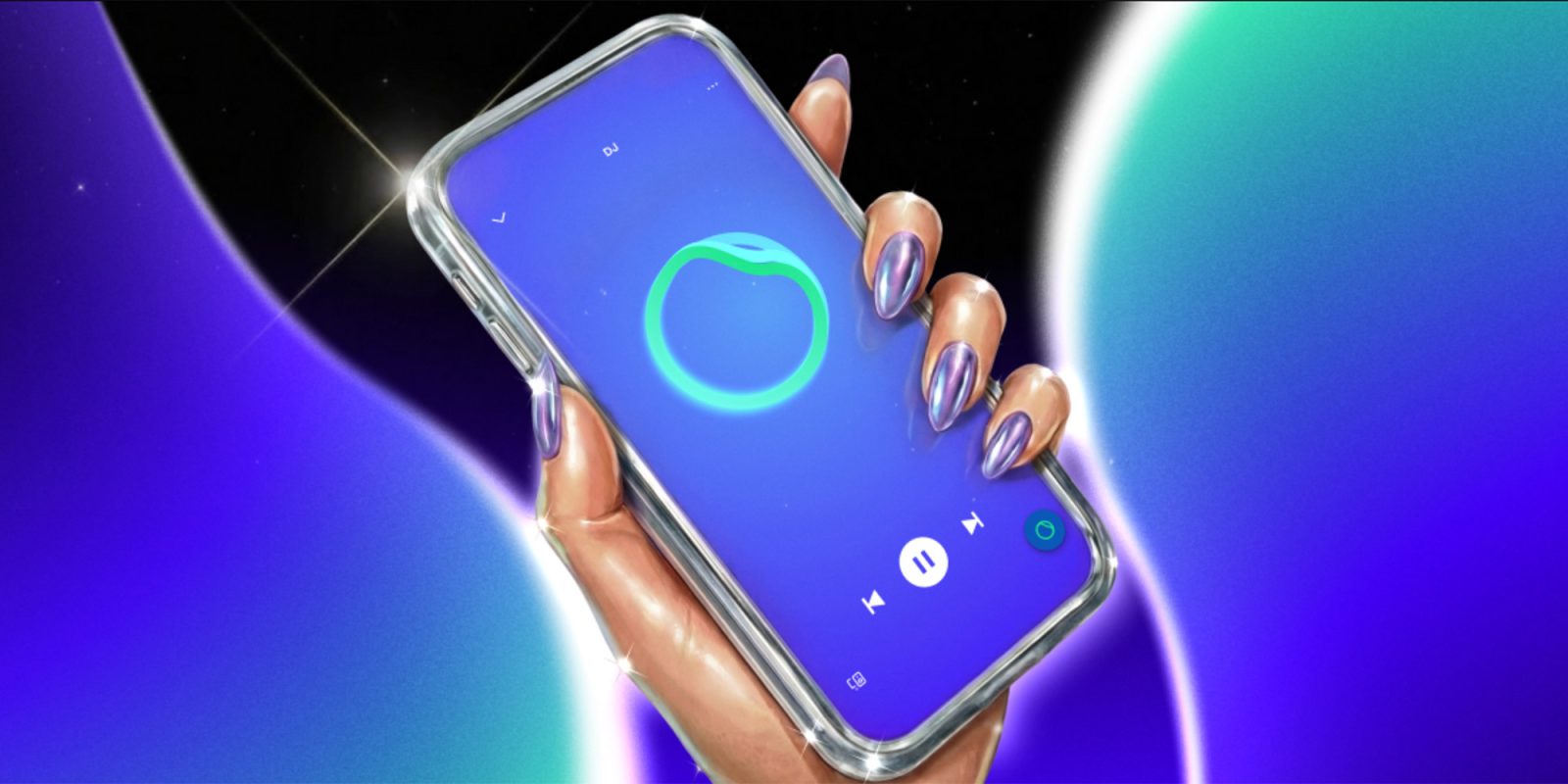
In May 2025, the platform introduced a major upgrade: the "Interactive DJ." This version shifted the feature from a passive listening experience to a dialogue-driven one, allowing users to provide real-time feedback and text-based requests. This was a critical juncture in the technology’s lifecycle, as it required the AI to process natural language input and adjust its musical selection mid-stream. By October 2025, Spotify expanded this interactive capability to Spanish-speaking users, signaling an intent to localize the experience for a broader international audience.
The momentum continued into 2026. In May of that year, the company announced a massive geographic expansion, bringing the AI DJ to over 75 countries and adding support for French, German, Italian, and Brazilian Portuguese. This aggressive scaling demonstrated Spotify’s confidence in the technology’s stability and its role as a key differentiator in the increasingly competitive music streaming market. The current update, released in November 2026, represents the first phase of "personalization-at-scale," where the user is finally given the steering wheel to control the aesthetic and behavioral characteristics of their digital companion.
Technical and User Experience Implications
The integration of diverse accents—including Indian, Australian, and Irish—is a significant technical milestone. Synthesizing these specific regional dialects requires not only high-fidelity text-to-speech (TTS) engines but also cultural nuance in the way the AI pronounces artist names, song titles, and local slang. By providing a wider palette of voices, Spotify is addressing the psychological phenomenon where listeners find comfort and familiarity in voices that mirror their own linguistic environment.
The "Low Chatter" setting is equally significant from a product design perspective. User feedback data consistently highlighted a divide in the subscriber base: while some users appreciated the "radio-like" context provided by the DJ, others found the frequent interjections disruptive to their flow state or deep-work sessions. By providing a binary toggle, Spotify is effectively bifurcating the experience into "Host Mode" and "Curated Mode." This flexibility is essential for maintaining retention; it acknowledges that the ideal listener experience is not static and changes depending on the user’s current activity, be it a commute, a workout, or a focused office environment.
Market Context and Strategic Importance
Spotify’s investment in the AI DJ is part of a broader industry trend toward "generative personalization." In a market saturated with streaming platforms that offer near-identical catalogs of music, the value proposition has shifted toward discovery tools. Spotify’s "Discover Weekly" and "Release Radar" set the gold standard for algorithmic curation, but the AI DJ represents a move toward "humanizing" that data.

By making the AI more customizable, Spotify is positioning itself against other major tech players that are heavily invested in voice assistants and generative audio. However, unlike general-purpose voice assistants (such as Siri or Alexa), Spotify’s AI is hyper-focused on the intersection of musicology and personality. The company’s ability to leverage its massive, proprietary dataset of listening habits—billions of streams, skips, likes, and follows—gives its AI a distinct advantage in predicting what a user wants to hear next.
From a financial perspective, the move is calculated to boost Premium engagement. Retaining subscribers in a mature streaming market requires high-value, exclusive features that increase the "stickiness" of the platform. By allowing users to configure the AI to their specific personality preferences, Spotify increases the likelihood that subscribers will spend more time within the app, thereby deepening the company’s data pool and strengthening its ad-targeting capabilities.
Official Response and Future Outlook
In a statement posted to the company’s For the Record blog, the development team emphasized that the goal of these updates is to foster a deeper, more personal connection between the listener and the music. "We’ve heard the feedback loud and clear," the announcement noted. "Whether you want a DJ who talks you through the history of your favorite genre or one who stays in the background and lets the music do the talking, we are giving you the tools to create your perfect listening environment."
Industry analysts observe that this move is likely just the beginning of a broader trend in generative audio interfaces. Future iterations of the Spotify AI DJ could potentially include collaborative modes, where the DJ acts as a bridge between multiple users in a shared listening session, or perhaps integration with real-world concert scheduling to notify users of upcoming local performances by their favorite artists.
As the technology stands, the ability to switch between nine distinct voices and control the level of commentary sets a new industry standard for interactive audio. It moves the conversation away from "Will AI replace human DJs?" and toward "How can AI enhance the individualized listening experience?"

Analytical Conclusion
The expansion of Spotify’s AI DJ customization features is a measured, data-driven response to the diverse preferences of a global user base. By addressing the "chatter" issue and diversifying the voices available, Spotify is effectively reducing the friction associated with its most advanced feature.
While critics might argue that AI-generated personalities cannot replicate the organic spontaneity of a human radio host, the objective utility of the feature—specifically its ability to contextually curate a blend of familiar tracks and new discoveries—remains unmatched. As the platform continues to refine these AI capabilities, the differentiator will likely be the quality of the "curatorial personality."
For the average listener, the update serves as a reminder that the streaming wars are no longer just about who has the most songs, but who has the most intuitive, personalized, and adaptive interface. By allowing the AI to be as present or as invisible as the user desires, Spotify has successfully transformed a high-tech experiment into a customizable utility, ensuring its relevance in the daily routines of its millions of Premium subscribers worldwide.
The update is currently rolling out to users across all supported regions. As of this writing, users can access these new settings directly through the DJ card within the Spotify app, where a new configuration menu allows for the selection of voice profiles and the toggling of the commentary frequency. The company has indicated that it will continue to monitor user behavior and feedback, potentially adding even more voices and linguistic options in the coming quarters.