The Architecture of the Google System
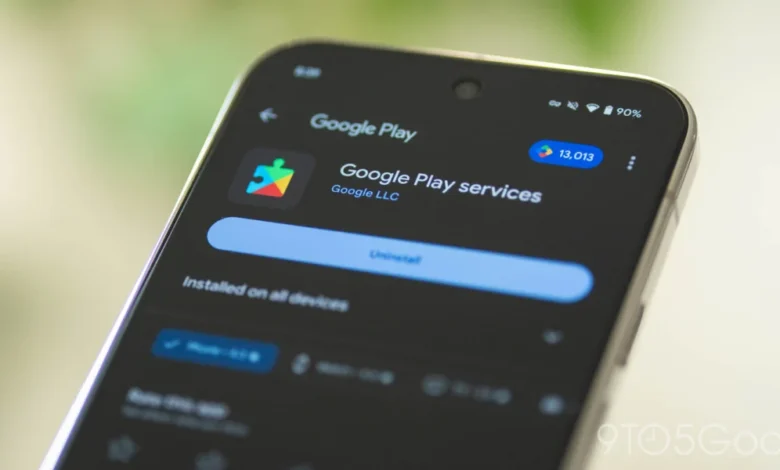
To understand the significance of these updates, it is necessary to recognize the scope of the "Google System." This collection of services operates as the backbone of the modern Android experience. It encompasses essential components such as Google Play services, the Google Play Store, Android WebView, and Private Compute Services, among others.
The strategy behind these frequent, modular updates is rooted in Google’s commitment to maintaining a consistent user experience across a fragmented hardware landscape. Whether a user is operating a budget-tier tablet or a flagship smartphone, these background services bridge the gap, ensuring that security protocols are uniform and that new APIs are available for third-party developers to leverage.
Chronological Overview of October 2026 Updates
The October 2026 release cycle was characterized by a steady cadence of updates, rolling out in weekly intervals. This approach allows Google to monitor stability and gather telemetry data to ensure that new code does not negatively impact battery life or device performance.
Early October: Infrastructure and Developer Foundations
The month commenced with updates to core components on October 1, 2026, with Android System Intelligence reaching version B.29 / C.7. This component is pivotal for powering on-device machine learning features, such as smart text selection, live captioning, and context-aware suggestions. By refining this service, Google continues to push for localized AI processing, which enhances user privacy by keeping sensitive data on the device rather than sending it to the cloud.
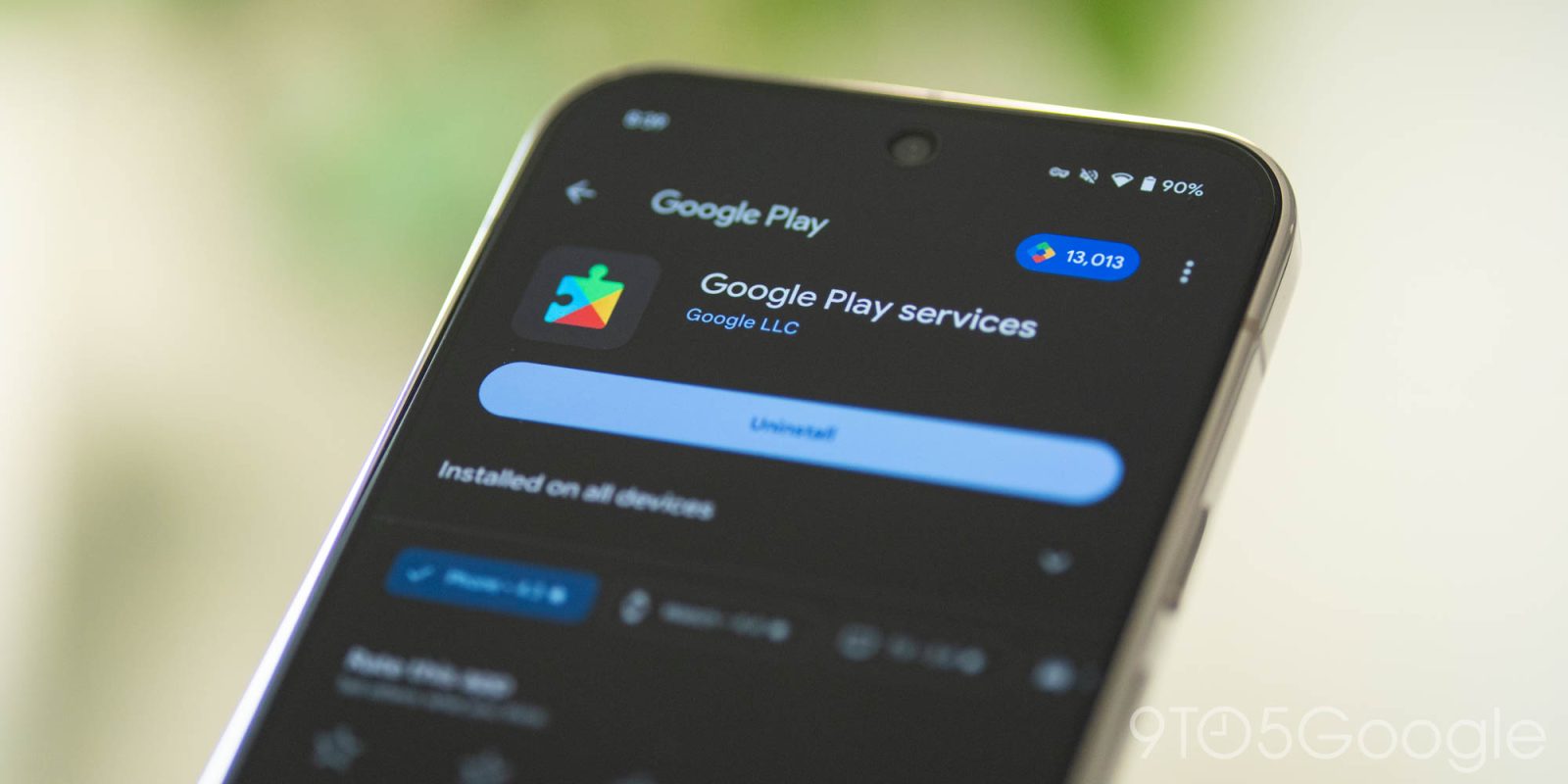
Following this, the October 5 releases included Google Play services v26.39 and Play Store v53.5. These updates focused heavily on the underlying infrastructure for developer services and security. Updates in this tier are frequently invisible to the average user, yet they are vital for maintaining the integrity of the Google Play Protect environment, which scans apps for malicious behavior.
Mid-October: Refining Connectivity and Security
As the month progressed, the updates on October 12 (Play services v26.40, Play Store v53.6) and October 19 (Play services v26.41, Play Store v53.7) shifted focus toward connectivity and wallet functionalities. These releases are critical for the seamless interaction between Android devices and IoT hardware. As smart home integration becomes more prevalent, the stability of the connectivity protocols—managed through these system updates—becomes the difference between a reliable user experience and intermittent failure.
The update to Android WebView v156, released on October 7, represents another critical pillar of these releases. Because a vast majority of Android apps utilize WebView to render web content, keeping this engine updated is essential for both performance optimization and closing security vulnerabilities that could otherwise be exploited through malicious web pages.
Late October: Final Monthly Refinements
The final updates of the month occurred on October 22 and 26, culminating in the release of Android WebView v157, Google Play services v26.42, and the Private Compute Services B.31 / C.9. The inclusion of Private Compute Services in the final update cycle underscores Google’s ongoing commitment to the "Privacy Sandbox" initiative. By isolating sensitive compute tasks, Google aims to provide a robust framework that allows developers to innovate while strictly limiting the data accessible to third-party applications.
Implications for Users and Developers
The implications of these monthly release notes are twofold. For the average consumer, these updates often arrive in the background, requiring little to no interaction. However, they are the silent engine behind the longevity of an Android device. By receiving consistent updates to Google Play services, a user’s phone effectively remains "current" even if it no longer receives full Android OS version updates.
For developers, these changelogs are essential reading. Each update introduces or modifies APIs that dictate how apps interact with the system. For instance, changes to the Google Play Store’s backend often influence how apps are discovered, installed, and updated, directly impacting the revenue and engagement metrics of the mobile app economy.
Strategic Significance of the Google System
The "Google System" model represents a paradigm shift in how mobile operating systems are maintained. In the early days of Android, a security vulnerability required a full firmware update from the OEM (Original Equipment Manufacturer). This process was notoriously slow, often taking months or resulting in "abandonware" for older devices.

By moving these components into the Google Play system, the company has effectively reclaimed control over the security and functionality of the platform. This move has been widely lauded by cybersecurity experts, as it provides a streamlined path for patching high-severity vulnerabilities across nearly all active Android devices globally.
How to Manage Updates
While these updates are designed to be automatic, users who wish to verify their device status can navigate through their settings. On most devices, this involves opening the Settings application, selecting the "Google" menu, and navigating to the "All services" tab. Under "Privacy & security," users can find "System services" to check for the latest versions. It is important to note that, as specified in the release notes, the presence of a feature in a changelog does not guarantee immediate availability. Google frequently employs "staged rollouts," where features are enabled for a small percentage of users before being expanded to the global population. This conservative approach mitigates the risk of widespread bugs, ensuring that system stability remains a priority.
Broader Industry Context
The release of these October 2026 updates occurs within a broader context of increasing regulatory scrutiny and market competition. As global regulators continue to examine the dominance of mobile operating systems, Google’s ability to demonstrate a secure, transparent, and user-centric update model is vital.
Furthermore, the integration of increasingly sophisticated AI capabilities—powered by updates like the aforementioned Android System Intelligence—positions Android as a leader in on-device artificial intelligence. By iterating on these components monthly, Google ensures that its ecosystem remains competitive against rival platforms that may not have the same level of granular control over their system architecture.
Conclusion: A Continuous Evolution
The October 2026 Google System Release Notes offer a glimpse into the constant, behind-the-scenes evolution of the Android platform. While these updates rarely grab headlines in the same way as a new smartphone launch or a major Android version release, they are the foundation upon which the entire mobile experience is built.
By consistently refining connectivity, security, and developer infrastructure, Google maintains a platform that is secure, functional, and capable of supporting the next generation of mobile applications. As we look toward future updates, it is evident that the modular nature of the Google System will remain the primary vehicle for delivering the innovation and security that users have come to expect from the Android ecosystem. Whether it is a minor tweak to the Wallet API or a significant update to the underlying WebView engine, each release contributes to the overall resilience of the platform in an increasingly complex digital landscape.
Related posts: