IQOO 16 and iQOO Pad Ultra Full Specifications Leak Just Hours Before Official Launch Event

The consumer electronics industry is bracing for yet another major hardware unveiling as comprehensive specifications for the upcoming iQOO 16 smartphone and iQOO Pad Ultra tablet have surfaced online. Released less than twenty-four hours before the scheduled official launch event, the extensive data leak originated from the prominent and historically reliable industry insider Digital Chat Station via the Chinese social media platform Weibo. This eleventh-hour disclosure has effectively stripped away the remaining mystery surrounding iQOO’s flagship product ecosystem, offering technology analysts, mobile gamers, and consumers a meticulous breakdown of what to expect from the brand’s next-generation hardware lineup.
The leak arrives at a critical juncture for the competitive mobile market, where manufacturers are increasingly under pressure to deliver uncompromising performance, advanced thermal management, and cutting-edge display technologies. By detailing the internal components, exterior builds, and specialized gaming architecture of both the iQOO 16 and the iQOO Pad Ultra, the leaked documentation provides a clear window into the strategic direction of the brand as it seeks to capture a larger share of the performance-driven consumer segment.
Main Facts and Hardware Overview
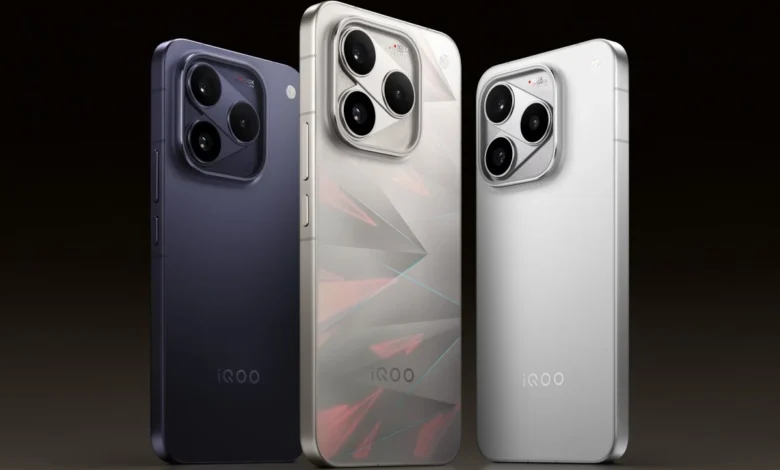
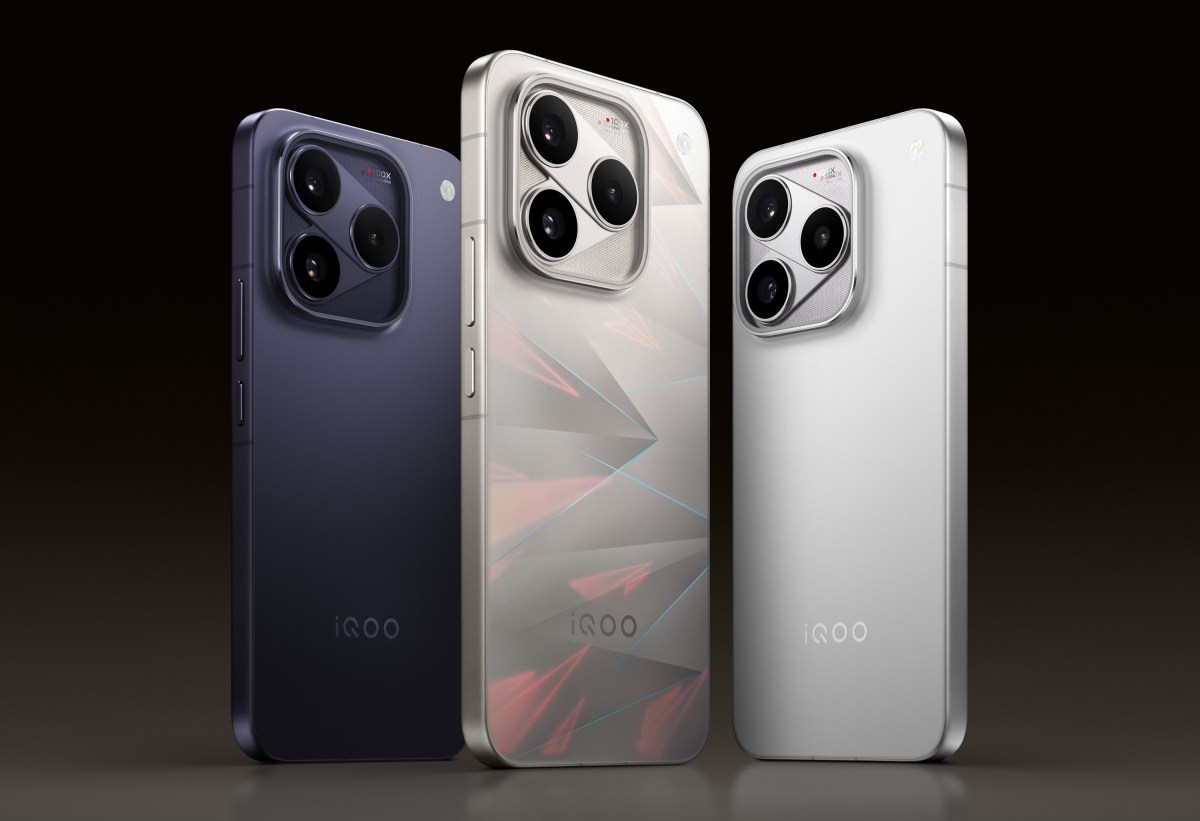
According to the leaked details, the iQOO 16 is positioned as a powerhouse flagship device designed to push the boundaries of mobile computing and photography. At the core of the smartphone is the newly introduced Snapdragon 8 Elite Extreme Gen 6 chipset, a processor engineered to handle intensive computational tasks, advanced artificial intelligence operations, and high-frame-rate gaming. This powerful silicon is further augmented by iQOO’s proprietary Q4 self-developed gaming chip, a specialized co-processor intended to optimize graphics rendering, stabilize frame rates, and reduce power consumption during extended gaming sessions.
The visual interface of the iQOO 16 centers around a 6.85-inch Samsung M16 "LEAD" OLED display. This panel supports a "2K+" resolution and an ultra-smooth 165Hz refresh rate, catering directly to users who demand fluid motion clarity and vibrant color reproduction. Security and biometric authentication are handled by an advanced ultrasonic in-display fingerprint scanner, which offers faster and more reliable unlocking capabilities compared to traditional optical sensors, even under wet or oily conditions.
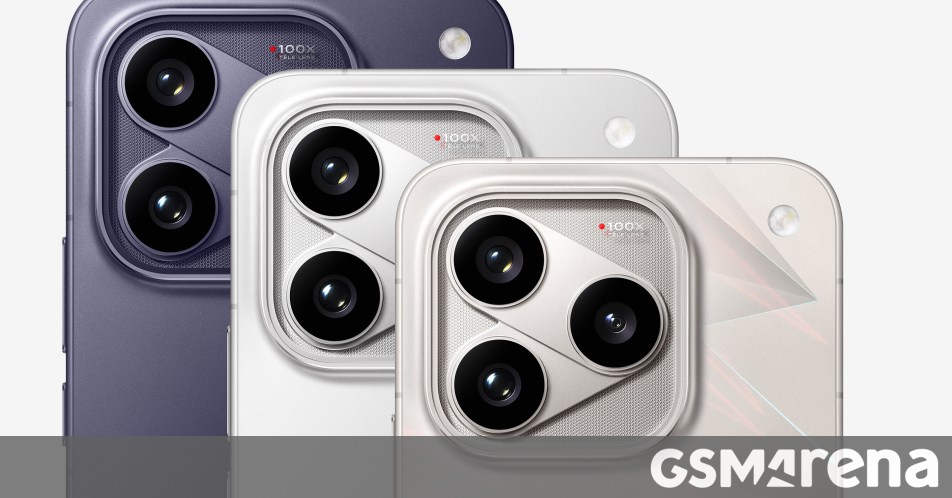
In the imaging department, the iQOO 16 adopts a versatile triple-camera configuration on the rear. The primary shooter utilizes a 50-megapixel sensor built upon a large 1/1.3-inch optical format, which is expected to capture exceptional detail and low-light performance. Accompanying the main sensor is a 50-megapixel ultrawide-angle lens for expansive landscapes and group photography, alongside a 50-megapixel periscope telephoto camera featuring a 3x optical zoom mechanism powered by Sony’s IMX882 sensor. For self-portraits and video conferencing, the device incorporates a 32-megapixel front-facing camera housed within a discrete punch-hole cutout.
Powering this extensive array of hardware is an exceptionally large 8,400 mAh battery, a capacity that far exceeds the industry standard for traditional flagship smartphones. This battery supports 100W wired fast charging for rapid replenishment, as well as 40W wireless charging capabilities. Additional hardware features include a dual-axis vibration motor for tactile feedback, symmetrical stereo speakers for immersive audio output, USB 3.2 support for high-speed data transfer, and robust IP68 and IP69 ratings, ensuring top-tier resistance against dust and high-pressure water ingress.
Parallel to the smartphone reveal, the leaked specifications for the iQOO Pad Ultra outline a similarly ambitious tablet designed for productivity and mobile entertainment. The Pad Ultra features an 8.8-inch OLED display with a 2304×1440 resolution, a 16:10 aspect ratio, and a matching 165Hz refresh rate. Performance is similarly driven by the Snapdragon 8 Elite Extreme Gen 6 system-on-chip and the Q4 gaming co-processor. To maintain sustained performance under heavy thermal loads, the tablet integrates a built-in large-sized cooling fan. Audio and tactile feedback are addressed via symmetrical stereo speakers and dual X-axis vibration motors. Despite housing a massive 9,020 mAh battery with 66W wired charging support, the tablet maintains a remarkably slim profile, measuring just 5.74mm in thickness and weighing a mere 298 grams.
Chronology of Events and Pre-Launch Leaks
The path leading up to the imminent official launch of the iQOO 16 and iQOO Pad Ultra has been marked by a carefully orchestrated drip-feed of official teasers, followed by rapid and comprehensive leaks from independent industry sources. The timeline of events began weeks prior when iQOO officially registered and teased the development of its next-generation ecosystem, hinting at advanced gaming capabilities and redesigned chassis aesthetics.
As the launch date drew closer, iQOO initiated a formal marketing campaign across various digital platforms, confirming specific details regarding the official unveiling date, color variants, and initial design teasers through authorized channels. These teaser campaigns strategically built anticipation by highlighting aspects such as the display technology and the integration of next-generation processing silicon.
However, the controlled narrative of the marketing campaign was significantly expanded upon when industry insider Digital Chat Station published the full, unvarnished specifications on Weibo. This leak bypassed the traditional promotional timeline, effectively providing the public with the complete technical datasheet less than twenty-four hours before the scheduled global or regional premiere. Such extensive pre-launch disclosures have become increasingly common in the modern consumer electronics landscape, where supply chain visibility and early prototype testing often result in the premature publication of confidential product specifications.
Supporting Data and Comparative Context
A rigorous examination of the leaked specifications reveals how the iQOO 16 and iQOO Pad Ultra stack up against contemporary industry standards and previous-generation hardware. The inclusion of an 8,400 mAh battery in a smartphone represents a significant departure from standard flagship design parameters, where battery capacities typically hover between 4,500 mAh and 5,500 mAh to maintain manageable weight and thickness. By engineering a device that accommodates a substantially larger energy reservoir while retaining advanced charging protocols—such as 100W wired and 40W wireless power delivery—iQOO is addressing one of the primary pain points for heavy mobile users and gamers: battery longevity under sustained high-performance workloads.
Similarly, the adoption of the Samsung M16 "LEAD" OLED panel with a 165Hz refresh rate places the iQOO 16 at the bleeding edge of mobile display technology. While a 120Hz refresh rate remains the industry benchmark for mainstream flagships, the push toward 165Hz reflects a targeted effort to capture the mobile esports and competitive gaming demographic, where lower input latency and heightened motion smoothness provide tangible advantages.
On the tablet front, the iQOO Pad Ultra’s physical dimensions present an impressive engineering feat. Packing a 9,020 mAh battery, an active cooling fan, and high-performance silicon into a chassis that is only 5.74mm thick and weighs 298 grams requires advanced thermal architecture and structural material selection. This positions the Pad Ultra as a direct competitor in the high-performance portable gaming and productivity tablet sector, challenging rivals that often compromise on battery capacity or active cooling to achieve similarly slim profiles.
Official Responses and Corporate Silence
As is standard industry practice following major pre-launch leaks, representatives from iQOO and its parent corporate entities have maintained an official silence regarding the accuracy of the leaked data published by Digital Chat Station. Corporate communication channels have continued to focus exclusively on the final countdown to the official launch event, encouraging consumers and tech enthusiasts to tune into the live broadcast for verified pricing, availability, and official feature confirmations.
Industry analysts note that while such leaks can disrupt carefully planned marketing timelines, they frequently generate substantial organic engagement and public discussion across social media platforms and technology forums. Because the leaked specifications originate from a source with a proven track record of accurate hardware reporting, the market has largely accepted the data as a reliable preview of the impending announcement, altering consumer expectations and setting high performance benchmarks that the official presentation must now validate.
Broader Impact and Market Implications
The impending release of the iQOO 16 and iQOO Pad Ultra carries several significant implications for the broader smartphone and tablet market. First and foremost, the integration of the Snapdragon 8 Elite Extreme Gen 6 chipset alongside specialized gaming co-processors underscores the ongoing convergence of mainstream flagship mobile devices and dedicated gaming hardware. Manufacturers are increasingly realizing that consumers desire devices capable of seamlessly transitioning from professional productivity tools to uncompromising gaming platforms without visible compromises in design, camera versatility, or battery life.
Furthermore, the emphasis on robust physical durability—exemplified by the IP68 and IP69 ratings on the iQOO 16—signals a growing consumer demand for resilience against extreme environmental conditions, moving beyond standard water resistance to include high-pressure fluid protection. This trend suggests that future flagship devices will face higher expectations regarding structural integrity and longevity.
In the tablet sector, the iQOO Pad Ultra’s inclusion of an active cooling fan within an ultra-thin chassis challenges traditional thermal design limitations. If the device successfully manages heat dissipation without introducing excessive acoustic noise or structural bulk, it could establish a new engineering standard for high-performance compact tablets, compelling competing brands to rethink their internal thermal layouts.
Ultimately, the comprehensive leak of the iQOO 16 and iQOO Pad Ultra has elevated market expectations for the official launch event. As the industry awaits the final confirmation of pricing, regional availability, and software ecosystem features, the technical foundation outlined by these leaked specifications points toward a highly competitive product cycle aimed at users who prioritize raw computational power, advanced display metrics, and enduring battery performance.