The Evolution of iOS 27: A Refined Ecosystem
Since its initial unveiling, iOS 27 has undergone rigorous testing, having moved through seven developer beta builds and five public iterations. This testing phase underscores Apple’s commitment to stability, particularly as the company shifts its primary development focus toward "polishing" the user experience and optimizing system-wide performance. While the operating system will extend support to a broad range of hardware—spanning 30 distinct iPhone models—the company has signaled that not all legacy devices will retain full compatibility, reflecting the increasing hardware demands of advanced features like Apple Intelligence and the new "Liquid Glass" interface.
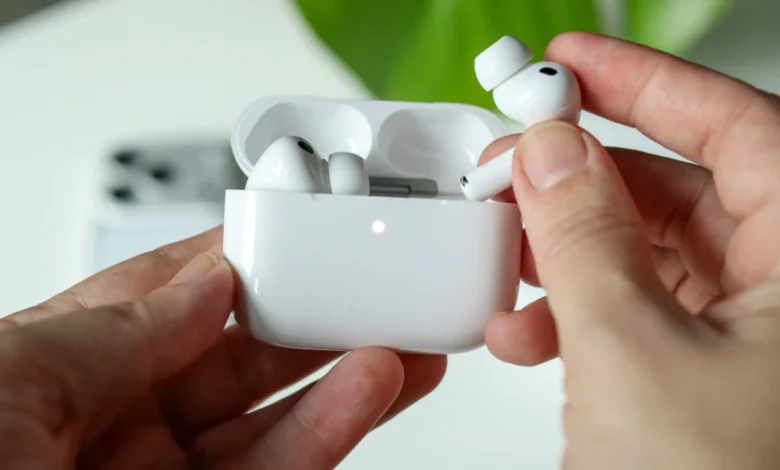
The upcoming software update serves as a critical bridge between standard mobile usage and the future of ambient computing. By prioritizing the integration of Siri, Apple Intelligence, and granular audio controls, Apple is positioning the AirPods not merely as a listening device, but as a central component of an intelligent, reactive interface.
Redefining Audio Customization: The H2 Chip Advantage
The most highly anticipated addition to the audio suite is the introduction of a three-band custom equalizer (EQ). For years, users have been constrained by Apple’s "Adaptive EQ," which utilizes computational audio to adjust frequencies based on the fit of the ear tips. While this served the general public well, audiophiles and power users have long clamored for manual control.
With iOS 27, users of H2-chip-enabled devices—specifically the AirPods 4, AirPods Pro 2, AirPods Pro 3, and the latest AirPods Max 2—will gain the ability to independently adjust lows, mids, and highs. This update requires both the latest firmware for the headphones and the installation of iOS 27 on the host device. Industry analysts suggest that this shift is a strategic response to competitive pressure from high-end audio manufacturers who have offered app-based EQ customization for years. By baking this functionality directly into the iOS settings menu, Apple is effectively mitigating the need for third-party audio apps, thereby tightening the "walled garden" around its audio ecosystem.
Streamlining the Interface and New Gestures
Apple is also performing a significant overhaul of the AirPods settings menu. Previously, managing various modes—such as Transparency, Noise Cancellation, and Adaptive Audio—required navigating fragmented sub-menus. The new centralized control panel consolidates these features into a single, intuitive interface. A notable inclusion is the addition of dedicated volume sliders for each noise-management mode, allowing for a more nuanced audio environment that can be tuned on the fly.
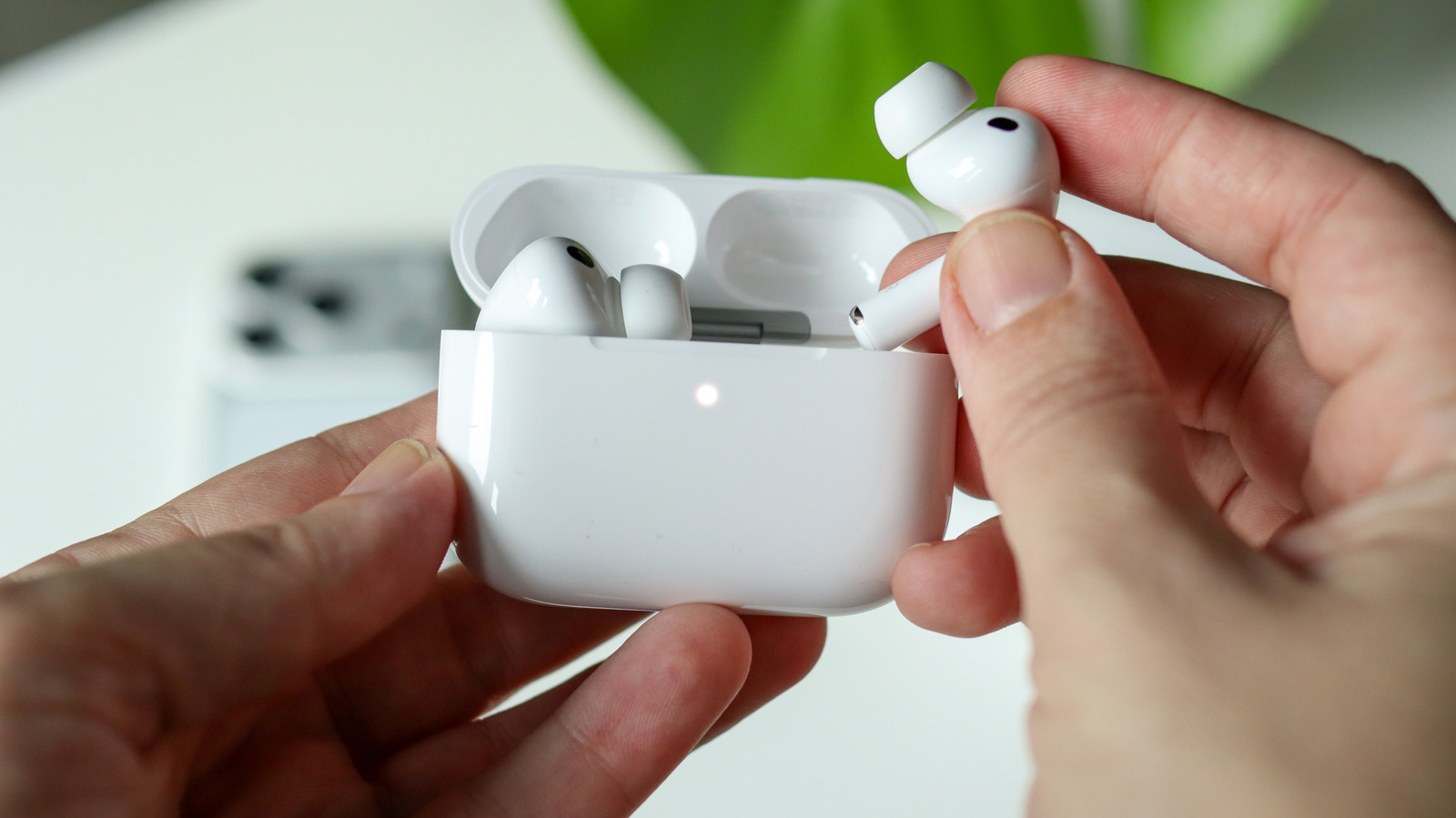
Beyond the interface, Apple is expanding its gesture-control repertoire. Building upon the head-tracking technology introduced in iOS 18—which allows users to answer or decline calls with a nod or shake of the head—iOS 27 introduces camera-triggering capabilities. Users will soon be able to use the stems of their AirPods to initiate a shutter command on the iPhone’s camera app, a feature likely designed to complement the rumored inclusion of sensors or cameras in future generations of AirPods.
Accessibility and Health Integration
The scope of iOS 27 extends into critical accessibility and health domains. For users who are deaf or hard-of-hearing, Apple is introducing "Name Recognition," a feature that leverages the processing power of the iPhone to alert users via their AirPods when their specific name is spoken in a social or professional setting.
Furthermore, the integration with GymKit has been expanded. While previously limited to broader exercise metrics, the new firmware allows for direct synchronization between the AirPods 3 heart-rate sensors and the iPhone’s Health app. This, combined with "Precision Finding" capabilities for AirPods 3 when paired with a watch running watchOS 27, indicates a move toward more granular health monitoring within the ear.
Hardware Compatibility and the Upgrade Cycle
The divergence in feature support across the AirPods lineup creates a distinct hierarchy of utility. The H2 chip remains the "gold standard" for the new software update. Owners of older AirPods models will receive the refined settings menu and certain Siri integration features, but the high-end audio customization will remain exclusive to the H2-equipped fleet.
Market experts view this as a deliberate strategy to incentivize the replacement of aging hardware. With the AirPods 4 and Pro 3 established as the current benchmarks, the software-gated features are likely to drive a significant "refresh" cycle among users who have held onto first or second-generation hardware. For those operating with older devices, the decision to upgrade will increasingly hinge on whether the granular audio control and Siri AI integration outweigh the costs of new hardware.
Broader Implications for Apple Intelligence
The rollout of "Apple Intelligence" via iOS 27 is perhaps the most significant structural change for the company this year. When paired with the new AirPods, this AI architecture promises a more conversational and context-aware Siri. Because the processing is anchored in the silicon of the host device—specifically the iPhone 15 series and later, or any Mac with M-series or A18 Pro chips—the AirPods effectively become an extension of a much larger, localized intelligence network.
This integration addresses a common critique of the "AirPods experience": the disconnect between voice commands and the actual execution of complex tasks. By streamlining the interaction path, Apple is attempting to solve the friction points that have led some users to abandon the platform in favor of competing ecosystem-agnostic earbuds.
Industry Context and Future Outlook
The release of iOS 27 comes at a time when the wearable audio market is nearing saturation. Competition from brands like Sony, Bose, and Sennheiser has centered on superior noise cancellation and codec flexibility. By focusing on deep-OS integration, Apple is attempting to shift the competitive advantage away from pure hardware specifications toward a more cohesive, software-driven experience.
The upcoming "Surprise and Shine" event in September will be the true test of this strategy. With the expected launch of the iPhone 18 Pro, the spotlight will be on how seamlessly these new features perform in real-world scenarios. If the beta feedback is any indication, the stability of the system and the depth of the new audio controls will likely serve as the primary marketing pillars for the autumn release.
In summary, iOS 27 is more than just a standard mobile update; it is a tactical refinement of Apple’s most successful wearable line. By standardizing controls, enhancing accessibility, and leaning into the processing power of the H2 chip, Apple is ensuring that the AirPods remain the primary point of entry for its burgeoning AI-integrated ecosystem. Whether these changes are enough to satisfy the demands of power users and retain the loyalty of the broader base remains to be seen, but the trajectory is clear: Apple is betting that a more intelligent, more personal, and more customizable audio experience is the key to maintaining its dominance in the portable technology sector for the remainder of the decade.