Samsung Galaxy S27 Series Rumors Point to Major Camera and Battery Overhauls

Following an eventful period marked by significant announcements at the recent Galaxy Unpacked event in July 2026, where Samsung unveiled its latest innovations, the technology giant is already the subject of intense speculation regarding its next generation of flagship smartphones, the Galaxy S27 series. Emerging reports suggest that Samsung is exploring substantial changes to core components, including a potential shift from its proprietary ISOCELL camera sensors to Sony’s imaging technology for the standard Galaxy S27 and S27 Plus models, alongside ongoing tests for advanced silicon-carbon battery solutions across the lineup. These developments, if realized, could represent a pivotal strategic realignment for Samsung in its highly competitive mobile division.
Shifting Camera Strategy: A Potential Pivot to Sony
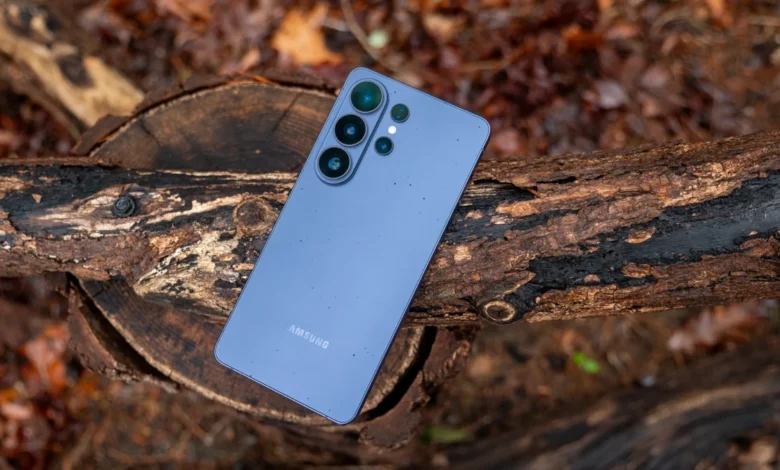
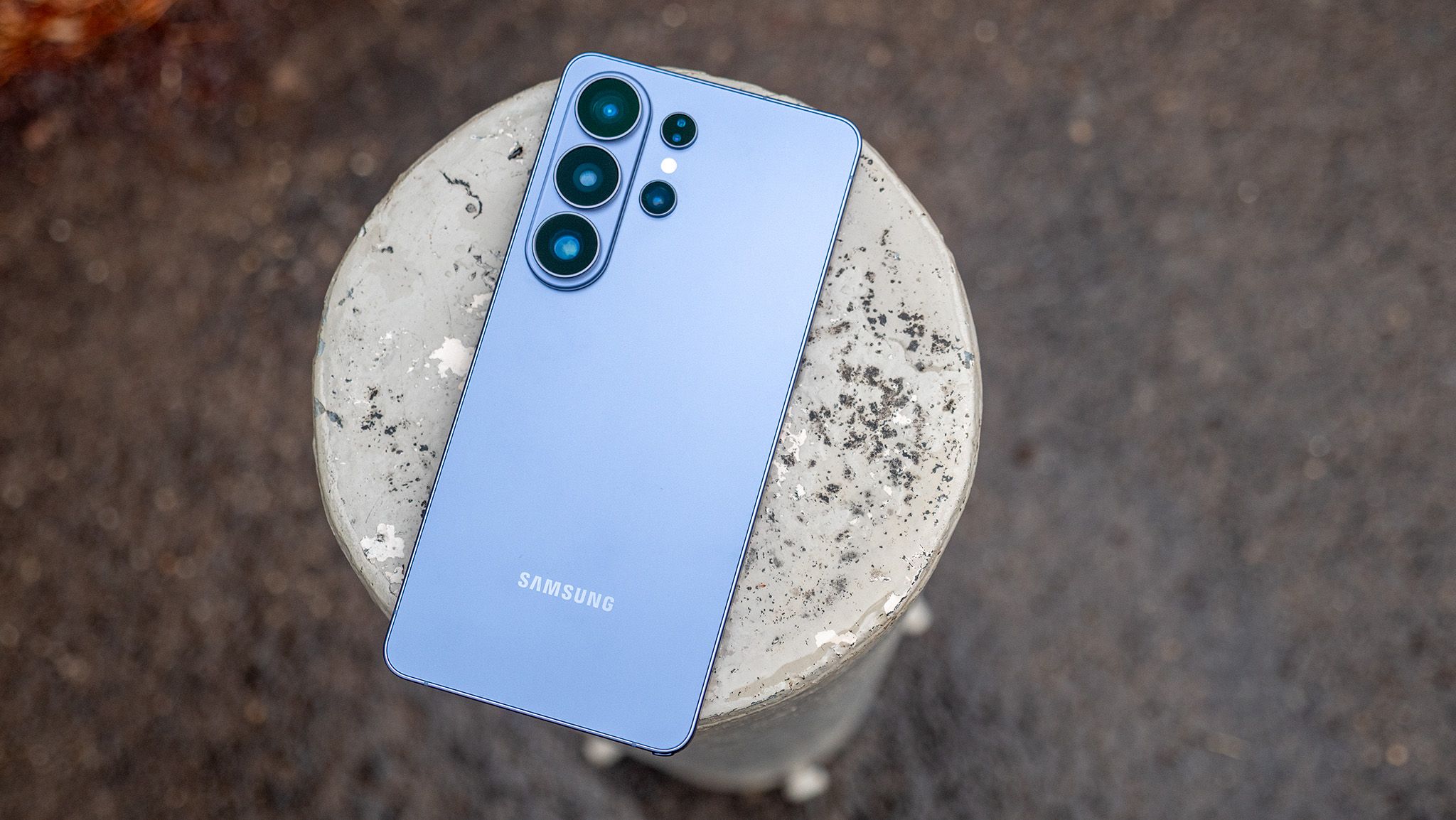
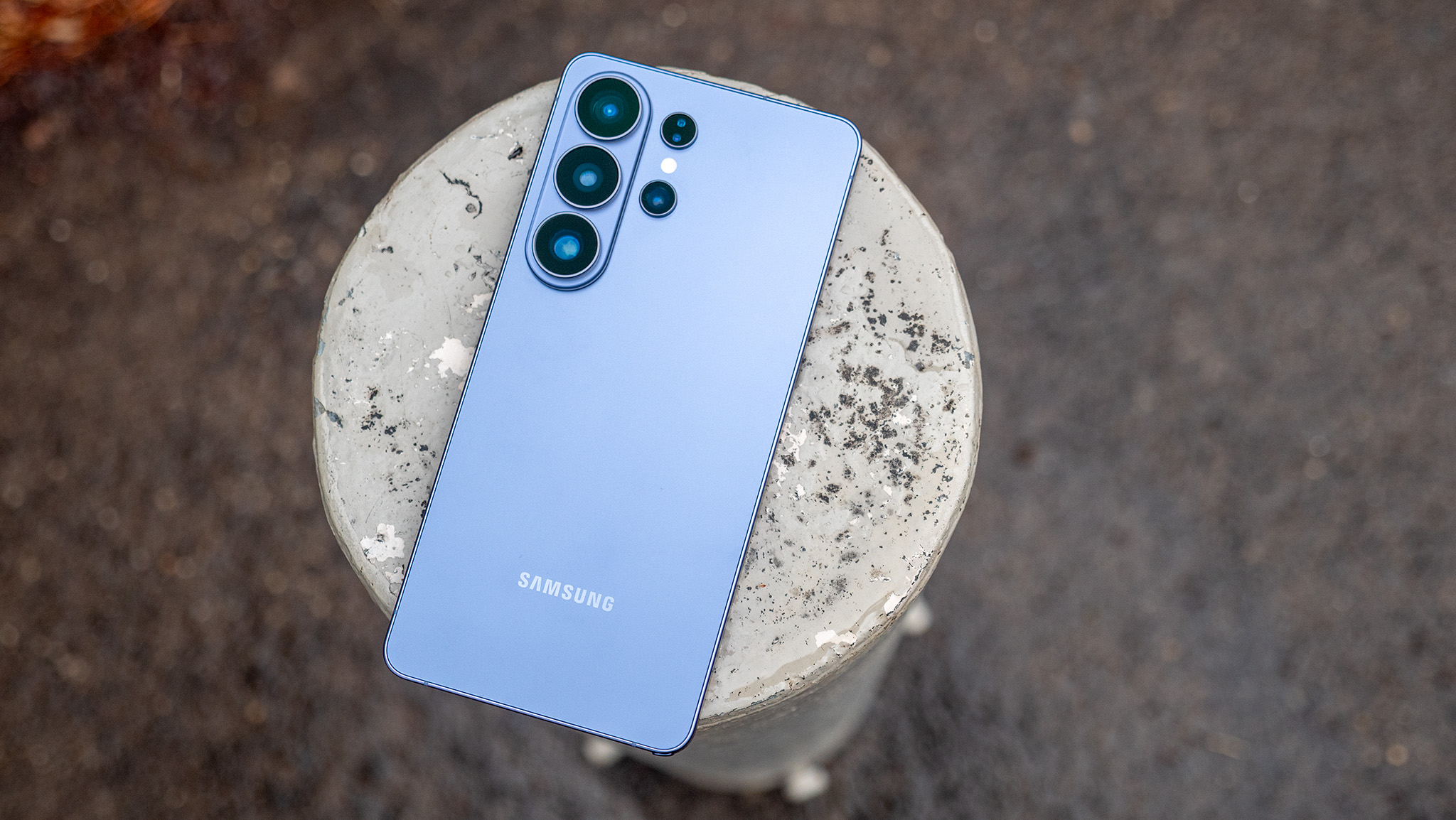
One of the most compelling rumors centers on a fundamental change in the camera module supplier for the upcoming Galaxy S27 and Galaxy S27 Plus. According to a report by Galaxy Club, a Dutch technology publication, citing unnamed sources, Samsung is actively testing Sony camera sensors for the main camera of these devices. This would mark a significant departure from Samsung’s long-standing tradition of primarily utilizing its in-house ISOCELL sensors across its flagship range, particularly for the main shooter. The report indicates that early tests are focused on a 50-megapixel sensor from Sony.
Samsung has historically invested heavily in its ISOCELL technology, pushing boundaries with high-megapixel counts, such as the 108MP and 200MP sensors featured in recent Galaxy S Ultra models. This internal development has allowed Samsung to tightly integrate hardware and software, optimizing image processing within its ecosystem. However, the smartphone camera market is fiercely competitive, with rivals often leveraging Sony’s highly regarded IMX series sensors, which are praised for their low-light performance, dynamic range, and overall image quality. A potential switch to Sony could signal Samsung’s intent to elevate the photographic capabilities of its standard and Plus models to new heights, potentially addressing areas where its ISOCELL sensors might have faced criticism or simply seeking to gain a competitive edge.
The decision to opt for a 50-megapixel sensor, even if from Sony, is noteworthy. While higher megapixel counts often dominate marketing narratives, many industry experts argue that sensor size, pixel binning capabilities, and advanced image processing algorithms contribute more significantly to overall image quality, especially in challenging lighting conditions. A well-optimized 50MP sensor with a larger physical size and superior pixel architecture can often outperform a higher-megapixel sensor with smaller individual pixels. This move could allow the S27 and S27 Plus to deliver exceptional image quality without necessarily chasing the extreme megapixel counts reserved for the Ultra variant. Such a strategic differentiation could allow Samsung to offer distinct camera experiences across its S-series lineup, catering to varying consumer preferences and price points. The implications extend to manufacturing and supply chain management, potentially diversifying Samsung’s component sourcing and fostering resilience against disruptions.
Advancing Battery Technology: The Silicon-Carbon Frontier
Beyond imaging, the Galaxy S27 series is also rumored to be at the forefront of Samsung’s battery technology advancements. Tipster Lanzuk, known for insights into Samsung’s plans, claims on Naver (a Korean platform) that silicon-carbon battery technology is currently "undergoing application testing" for the next generation of Samsung phones. This innovative battery chemistry represents a significant leap from traditional graphite-anode lithium-ion batteries. Silicon anodes can store significantly more lithium ions than graphite, theoretically leading to a higher energy density. This means a silicon-carbon battery could pack more power into the same physical volume or offer the same capacity in a smaller, lighter package.
Samsung has been a prominent player in the battery market, both as a manufacturer and consumer. The company has a complex history with battery technology, most notably the Galaxy Note 7 recall, which underscored the critical importance of battery safety and reliability. Since then, Samsung has adopted a cautious yet progressive approach, focusing on incremental improvements and rigorous testing. The current reports suggest a more ambitious push towards advanced battery solutions.
Crucially, Lanzuk’s report notes that the battery capacity has "supposedly not increased" yet in these early tests. This detail is important to consider. In the initial stages of integrating new technology like silicon-carbon, manufacturers often prioritize stability, safety, and core performance before optimizing for maximum capacity. The focus might first be on proving the viability of the technology within the device’s thermal and structural constraints. Furthermore, even without an increase in raw milliamp-hour (mAh) capacity, silicon-carbon batteries can offer tangible benefits. Their higher energy density could lead to more efficient power delivery, potentially resulting in longer real-world usage times, or enable faster charging rates without compromising battery health as severely as conventional batteries.
The adoption of silicon-carbon battery tech is not entirely new territory for Samsung. The company’s latest foldables, unveiled at the recent Galaxy Unpacked event, already feature this advanced battery chemistry. This integration in the foldables serves as a practical testing ground, allowing Samsung to gather real-world data on performance, longevity, and safety before a broader rollout to its more high-volume S-series flagships. While these foldable batteries have received praise for their improved performance, some critics note that their overall capacity still lags behind certain competitors, particularly Chinese brands that have aggressively pushed the boundaries of battery size and charging speeds. Samsung’s move with the S27 series indicates a sustained effort to close this gap and deliver a more robust power experience for its users.
An Expanding Ecosystem: The S27 Series and the ‘Pro’ Model
The rumors surrounding the Galaxy S27 series extend beyond just component upgrades, hinting at a potential restructuring of the lineup itself. While the S27 and S27 Plus might see a camera sensor shift, the top-tier Galaxy S27 Ultra is reportedly set to continue with Samsung’s ISOCELL technology, specifically the ISOCELL HP6 sensor, maintaining a formidable 200-megapixel resolution. This differentiation strategy would ensure the Ultra model retains its position as the pinnacle of Samsung’s camera technology, catering to users who prioritize the absolute highest resolution and most advanced photographic features.
Adding another layer of intrigue is the persistent rumor of a fourth model joining the S27 family: the "Galaxy S27 Pro." Positioned as a "mini-Ultra," this model could bridge the gap between the Plus and Ultra variants, offering a premium experience with camera capabilities closer to the Ultra but perhaps at a more accessible price point. Reports suggest the S27 Pro could feature "entirely new sensors," distinct from both the Sony sensors in the base models and the ISOCELL HP6 in the Ultra. This could imply a customized sensor solution, perhaps an optimized ISOCELL variant or another third-party sensor, designed to offer a unique photographic experience that balances performance and cost.
Expanding the S-series lineup to four models—Standard, Plus, Pro, and Ultra—would represent a significant strategic move for Samsung. It could allow the company to capture a broader segment of the premium smartphone market, offering more choices to consumers with varying needs and budgets. However, it also presents challenges, such as potential market fragmentation, the risk of cannibalizing sales between models, and increased complexity in manufacturing and marketing. The success of a "Pro" model would depend heavily on its ability to carve out a distinct identity and value proposition that clearly differentiates it from its siblings.
The Rumor Mill: Sifting Through Early Information
It is crucial to contextualize these reports within the typical development cycle of a flagship smartphone. Samsung usually unveils its Galaxy S series in January or February, meaning that the S27 series is likely in its advanced prototype and testing phases approximately six to eight months before its anticipated launch. At this stage, various hardware configurations are often evaluated, components are sourced from multiple suppliers, and performance benchmarks are rigorously assessed.
Sources like Galaxy Club and tipsters such as Lanzuk have established reputations for providing accurate insights into unreleased Samsung products. However, their information, particularly concerning components in early testing, should be treated with a degree of caution. The phrase "undergoing application testing" for batteries and "being tested" for camera sensors highlights the provisional nature of these developments. Manufacturers frequently test multiple options before finalizing specifications for mass production. Factors such as cost-effectiveness, supply chain stability, integration challenges, and final performance metrics all play a role in the ultimate decision-making process. The statement that "nothing is finalized" regarding battery capacity further underscores that these are early-stage considerations rather than confirmed features.
Strategic Maneuvers in a Competitive Market
These rumored changes reflect Samsung’s ongoing strategic maneuvers in a fiercely competitive global smartphone market. The company faces intense pressure from Apple in the high-end segment, while an array of Chinese manufacturers—including Xiaomi, Huawei, Honor, and OnePlus—continually push innovation in areas like charging speeds, battery capacity, and camera technology. Google, with its Pixel series, also continues to refine its computational photography, setting high benchmarks for imaging software.
A potential shift to Sony camera sensors for specific S27 models could be aimed at enhancing Samsung’s raw imaging hardware capabilities, particularly where Sony’s expertise might offer a distinct advantage. This could translate into improved image quality that resonates more strongly with consumers, helping Samsung maintain or grow its market share against rivals. Similarly, the widespread adoption of silicon-carbon battery technology across the S27 series, even if initial capacity numbers remain stable, would signal Samsung’s commitment to advancing power efficiency and potentially improving overall user experience through faster charging or more consistent performance over time.
For users, these changes could mean more diverse and refined product offerings. The S27 and S27 Plus could offer a compelling camera experience focused on quality rather than just megapixel count, while the Ultra would continue its pursuit of raw photographic power. The rumored "Pro" model could provide a sweet spot for many, combining premium features without the Ultra’s price tag. Industry analysts suggest that Samsung’s exploration of diverse component suppliers and advanced battery technologies reflects a strategic imperative to maintain its competitive edge in a rapidly evolving smartphone market, where innovation in camera capabilities and power efficiency are key differentiators. These moves indicate a proactive approach to addressing market demands and technological trends, aiming to reinforce Samsung’s leadership position.
Official Stance: Silence Amidst Speculation
As is customary for upcoming, unannounced products, Samsung has not issued any official statements or comments regarding these speculative reports. The company typically maintains strict confidentiality around its product development until official launch events, often held in the early months of the year for its Galaxy S flagship series. This silence is standard practice in the industry, allowing manufacturers to control the narrative and build anticipation for their official product unveilings.
Looking Ahead: Anticipation Builds for the Galaxy S27 Series
The flurry of rumors surrounding the Samsung Galaxy S27 series paints a picture of a company poised for significant innovation. From a potential pivot in camera sensor suppliers for certain models to the broader adoption of advanced silicon-carbon battery technology and the possible expansion of the lineup with a "Pro" variant, these reports indicate that Samsung is not resting on its laurels. The strategic implications of these rumored changes are far-reaching, potentially influencing Samsung’s market positioning, its competitive response to rivals, and ultimately, the user experience offered by its next generation of flagship smartphones. As the anticipated launch window for the Galaxy S27 series draws closer, consumers and industry observers will be keenly watching for further developments and official confirmations of these transformative upgrades.