Apple Mac Pricing and Market Dynamics in the Face of Global Memory Shortages

In recent years, the Apple MacBook lineup has evolved from a premium-tier niche into a highly competitive value proposition. By streamlining the Apple Silicon transition and introducing more accessible entry points, the company managed to capture a broader demographic of students, professionals, and budget-conscious consumers. However, this period of relative affordability has hit a significant roadblock. As of late June 2026, Apple has implemented a series of broad price increases across its Mac and iPad portfolios, largely driven by a sustained, industry-wide shortage of high-bandwidth memory and flash storage components. Despite these upward adjustments, the MacBook remains a compelling choice within the broader computing ecosystem, though consumers must now navigate a more complex landscape of value and hardware longevity.
The Global Semiconductor Context
The current price hikes are not an isolated incident but rather a symptom of deeper structural challenges within the global supply chain. Throughout 2025 and into the first half of 2026, the electronics industry has faced a "memory crunch." As AI-integrated hardware—ranging from servers to personal computers—demands increasingly large amounts of unified memory, the supply of LPDDR5X and related high-speed memory modules has tightened.
Market analysts note that the cost of raw materials for NAND flash and DRAM has surged by approximately 18% year-over-year. For a company like Apple, which relies on high-volume, high-margin hardware, these costs are difficult to absorb without affecting the bottom line. Consequently, the June 25, 2026, price adjustment serves as a strategic realignment to maintain profit margins while managing a constrained supply of components.
Chronology of the 2026 Price Realignment
The shift in Apple’s pricing strategy follows a predictable, yet concerning, trajectory for the consumer:
- Q1 2026: Initial reports emerge regarding tightening supply chains for specialized semiconductor components. Apple maintains existing pricing, betting on supply stabilization.
- April 2026: Analysts observe rising secondary market prices for refurbished units, suggesting a potential supply deficit.
- June 2026: Apple officially updates its pricing structure across the MacBook and iPad lines, citing increased manufacturing and logistics costs.
- July 2026: Consumer sentiment shifts as buyers weigh the utility of current hardware against the rising cost of entry-level and mid-range configurations.
Evaluating the MacBook Air
The MacBook Air has long served as the primary gateway into the Apple ecosystem. Prior to the introduction of the MacBook Neo, the Air occupied the budget-conscious slot, though it now sits firmly in the mid-market. The 13-inch and 15-inch models remain industry benchmarks for thin-and-light performance, offering features such as MagSafe charging, P3-wide color gamuts, and high-fidelity webcam systems with Center Stage integration.
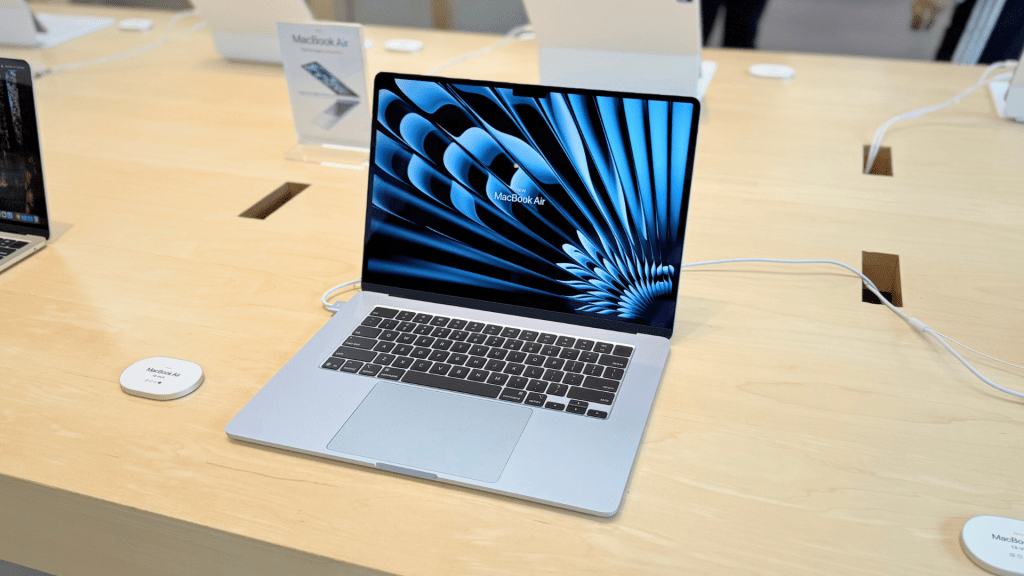
While the price hike has made the MacBook Air less accessible for those on a strict budget, its value proposition remains strong when compared to the volatility of the Windows-based laptop market. The 15-inch variant, in particular, provides a unique form factor that remains largely unchallenged by competitors in terms of battery efficiency and thermal management. For users requiring a balance of portability and screen real estate, the Air is likely to remain the default choice for the foreseeable future.
The MacBook Neo: A Strategic Entry Point
Introduced as a disruptive product, the MacBook Neo represents Apple’s attempt to capture the sub-$700 market segment. Priced at $699, it effectively democratized access to the macOS environment. While the device features the A18 Pro chip—an architecture originally designed for mobile platforms—it provides performance that is more than sufficient for general office work, web browsing, and media consumption.
To reach this price point, Apple made deliberate trade-offs. The device includes 8GB of unified memory and a more streamlined port selection. However, the build quality and the Retina display remain consistent with Apple’s premium standards. For those unwilling to pay the premium for an M-series Pro or Max machine, the Neo offers a path to entry that avoids the pitfalls of low-quality budget laptops. Currently, the most effective way to secure a deal on the Neo is through Apple’s official refurbished store, where units are typically discounted by $100 to $120. Every refurbished unit undergoes a rigorous testing process and carries the same one-year warranty as a new device, ensuring that the "like-new" experience is not just a marketing claim but a standard of operation.

High-End Computing: The MacBook Pro Transition
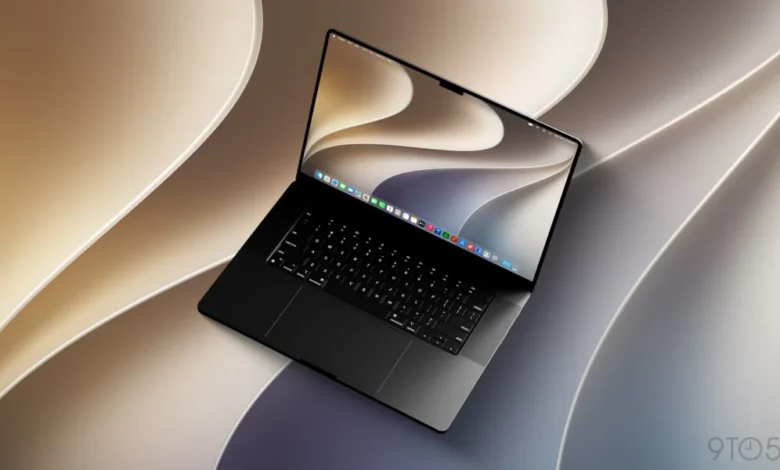
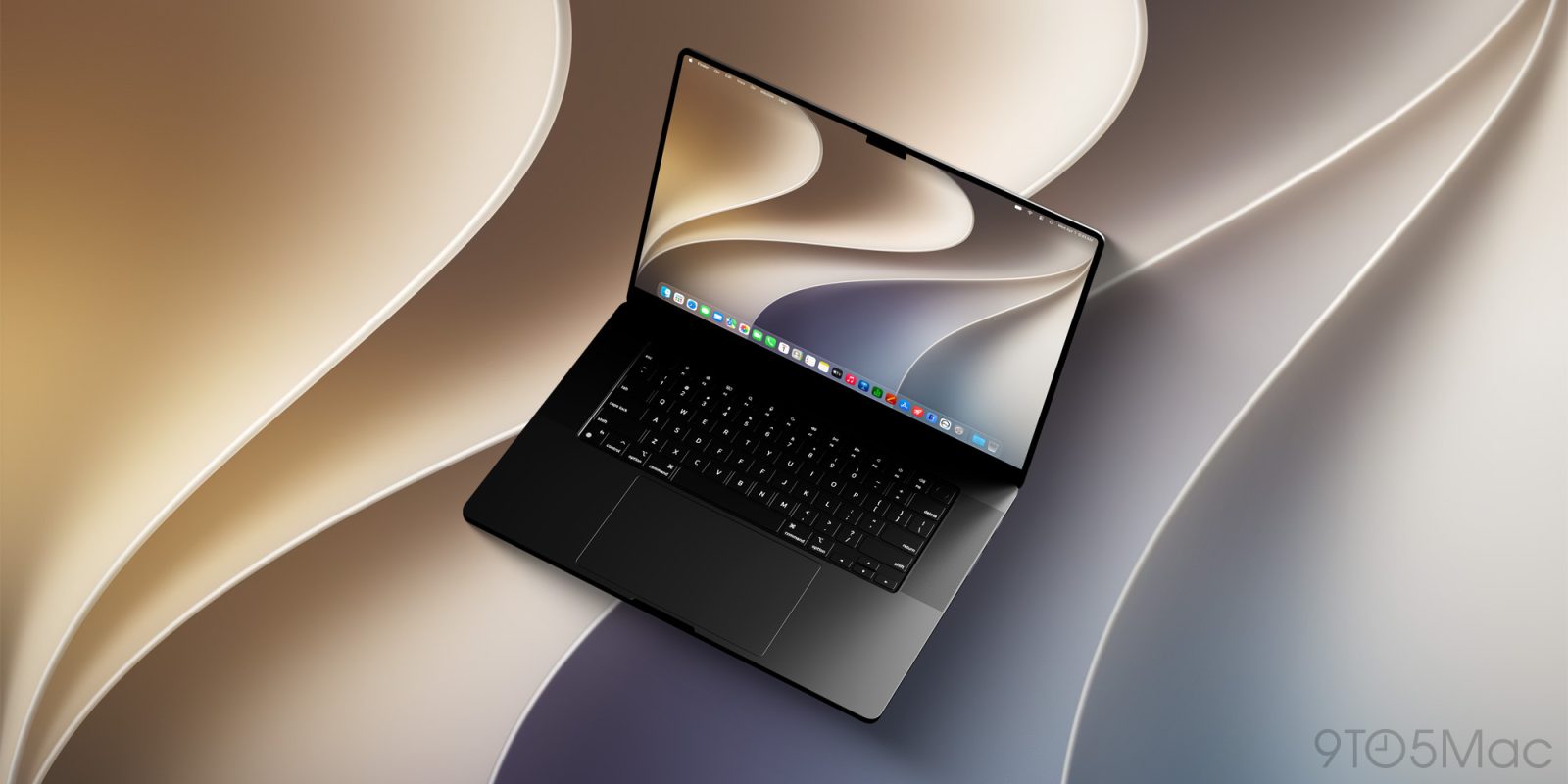
At the top of the hierarchy, the MacBook Pro continues to cater to power users, creative professionals, and software engineers. However, this segment is currently in a state of flux. Industry reports suggest that Apple is preparing a major hardware refresh for late 2026, which is expected to include the integration of OLED panels, potential touchscreen functionality, and a thinner chassis design.
This expected redesign will likely be tethered to the debut of the M5 Pro and M5 Max chipsets. For potential buyers, this creates a classic "wait vs. buy" dilemma. If an immediate upgrade is necessary, the current M4-based MacBook Pro models are still exceptionally powerful, representing the pinnacle of current mobile computing performance. However, for those who can afford to wait, the upcoming fall cycle may introduce technological shifts that render current flagship models obsolete faster than previous generations.
Broader Economic Implications
The decision by Apple to raise prices is indicative of a broader trend in the consumer electronics sector. Manufacturers are moving away from the "race to the bottom" pricing models that characterized the early 2020s. Instead, there is a renewed focus on hardware longevity and ecosystem integration.
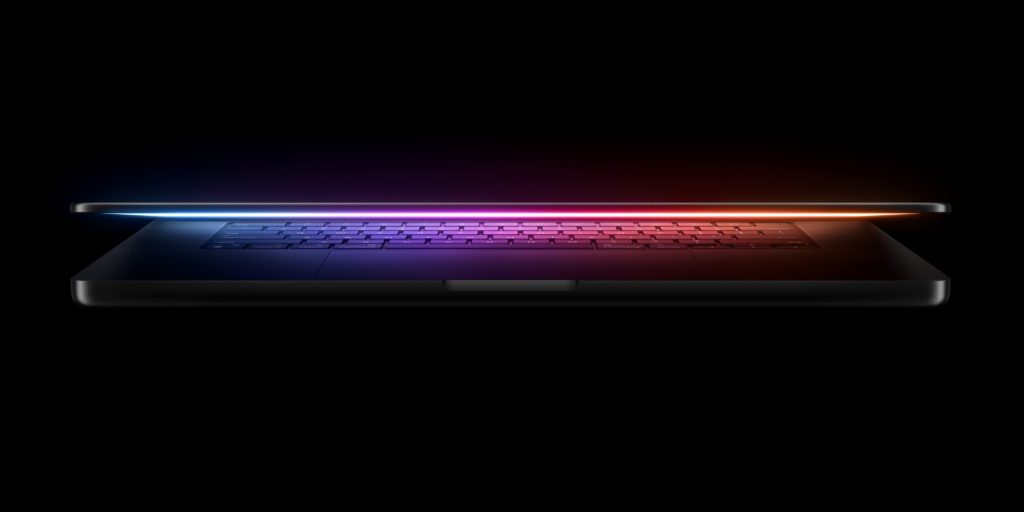
From an economic perspective, the current situation highlights the fragility of global supply chains. Even a dominant player like Apple, which exerts significant control over its component procurement, is not immune to the realities of commodity scarcity. The shift also suggests that the "cheap computing" era may be cooling off, with manufacturers favoring higher-margin products that can better absorb the volatility of raw material costs.
Consumer Guidance and Future Outlook
For the average consumer, the current market climate necessitates a more calculated approach to hardware purchases:
- Prioritize Longevity: Given the price increases, purchasing a machine with slightly more RAM or storage than currently needed is becoming a more prudent financial decision to ensure the device remains viable for 5–7 years.
- Explore Refurbished Channels: As new prices climb, Apple’s official refurbished store has become an essential tool for mitigating cost. The quality control associated with these units effectively minimizes the risk usually associated with used electronics.
- Timing is Critical: For those looking at the MacBook Pro, the proximity to a major platform shift (the anticipated M5 generation) makes it advisable to wait unless an immediate professional need exists.
- Analyze Real-World Utility: The introduction of the MacBook Neo has simplified the "entry-level" decision. If the primary use case is administrative or academic, the Neo is a vastly more cost-effective choice than a base-model MacBook Air.
In conclusion, while the recent price hikes across the MacBook line are a response to unavoidable market pressures, the hardware ecosystem remains robust. Apple’s transition toward higher-efficiency chips and modular internal design has allowed it to maintain performance levels that still exceed those of many contemporary competitors. Despite the increased financial barrier to entry, the long-term value—defined by software support, resale value, and component reliability—continues to position the Mac as a stable investment for the modern user. As the industry moves into the second half of 2026, the focus will undoubtedly shift toward how the rumored M5 generation will redefine the expectations of power and efficiency in the laptop market.