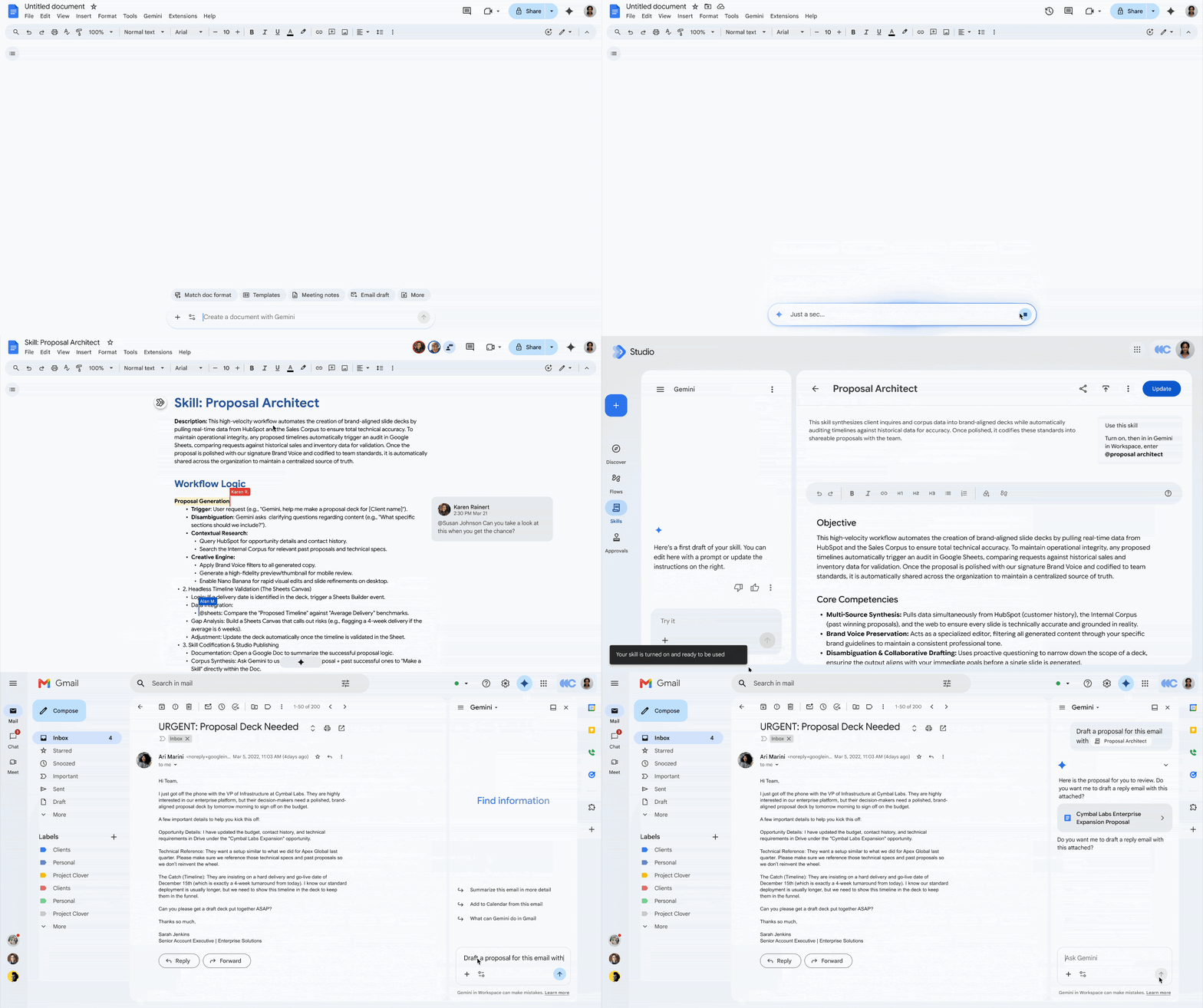
Google Antigravity launches on Android to power developer workflows on the upcoming Googlebook

The landscape of professional software development is undergoing a seismic shift as Google officially brings its agent-first development platform, Antigravity, to the Android ecosystem. Ahead of the highly anticipated retail launch of the Googlebook, the company has released a native version of the Antigravity application via the Google Play Store. This strategic move signals Google’s commitment to establishing the Googlebook not merely as a consumer device, but as a robust, high-performance workstation for developers who increasingly rely on autonomous AI agents to manage complex coding environments.
The Evolution of Antigravity: From I/O 2026 to Mobile Integration
Antigravity first entered the public consciousness during the Google I/O developer conference in May 2026. At that event, Google introduced version 2.0 of the platform, framing it as a “dedicated mission control” for the modern software engineer. Unlike traditional integrated development environments (IDEs) that serve primarily as text editors or compilers, Antigravity functions as an orchestration layer. Its core utility lies in its ability to allow developers to steer, monitor, and customize autonomous AI agents that perform background tasks—ranging from unit testing and dependency management to complex refactoring and deployment orchestration.
Prior to the Android release, Antigravity was strictly limited to desktop environments, specifically macOS, Windows, and Linux. The transition to a native Android application marks a pivotal moment in Google’s hardware strategy. By bringing the platform to the Googlebook’s proprietary operating system, Google is effectively bridging the gap between mobile flexibility and desktop-grade development power. The native application, currently listed as version 2026.09.23.988012583, is designed to interface directly with the Linux environment embedded within the Googlebook architecture, enabling users to create, test, and deploy applications without exiting the native environment.
Chronology of the Platform’s Rollout
The trajectory of Antigravity reflects a rapid development cycle characteristic of Google’s current AI-first mandate.
- May 2026: Antigravity 2.0 is unveiled at Google I/O, emphasizing agentic workflows.
- Summer 2026: Google expands the platform’s compatibility, refining the desktop experience for Linux and macOS users.
- September 2026: Ahead of the Googlebook commercial launch, the Android version of Antigravity appears on the Google Play Store.
- Late 2026/Early 2027 (Projected): Industry analysts expect further integration with Google’s cloud infrastructure and Gemini-based coding assistants.
This timeline demonstrates a condensed development schedule. By releasing the application weeks before the hardware hits store shelves, Google is allowing early adopters and enterprise developers to familiarize themselves with the platform’s interface and capabilities, ensuring that the software ecosystem is mature by the time the Googlebook becomes a household item in the professional sector.
Technical Implications and Feature Parity
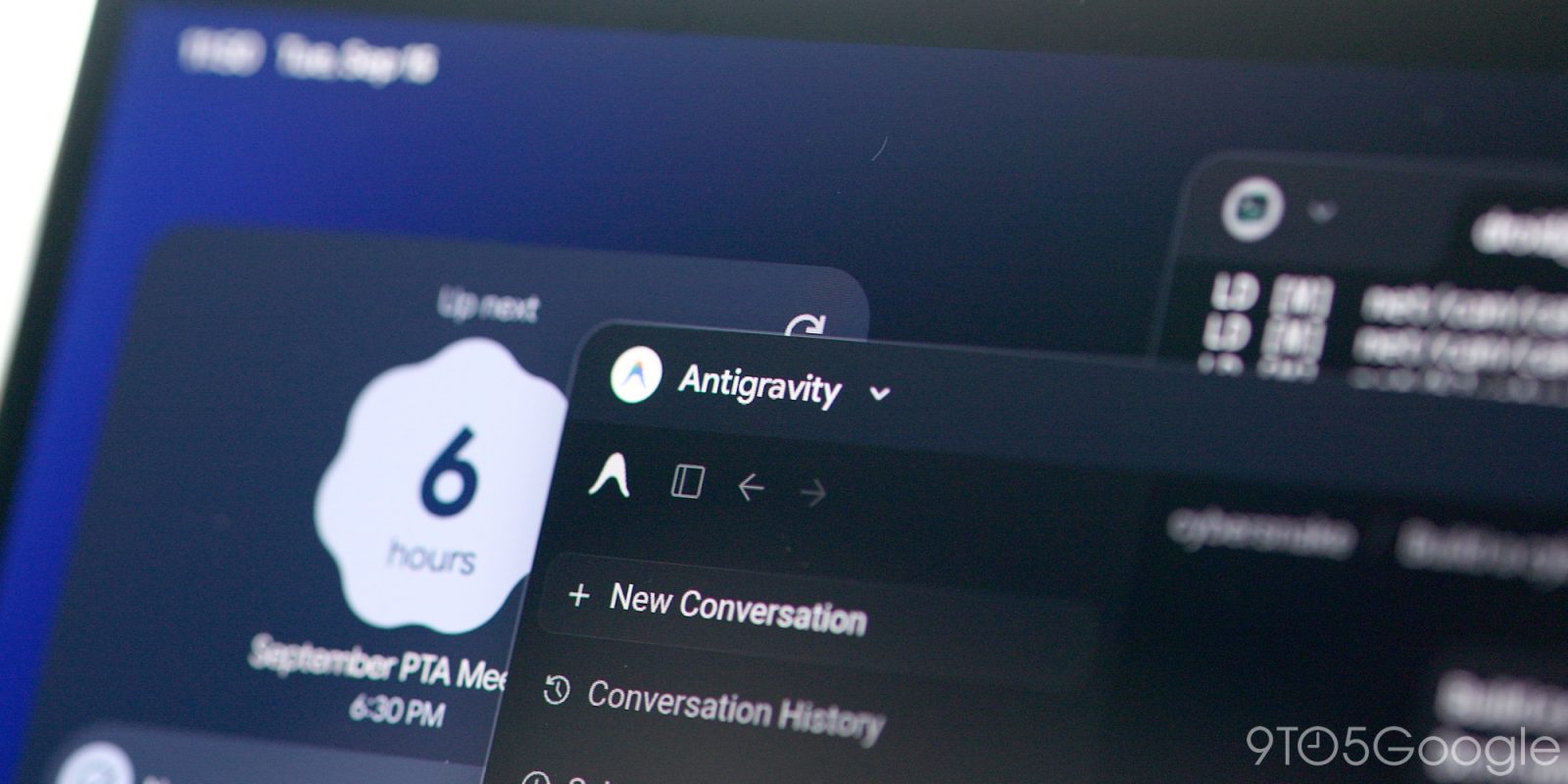
The arrival of the app (package name: com.google.android.apps.antigravity) on the Play Store brings a native interface that mirrors its desktop predecessors. However, questions remain regarding feature parity. Historically, desktop development tools are updated on a weekly basis, incorporating the latest models and API hooks. While the Android interface provides a seamless experience for those working on Googlebook hardware, it is currently unclear if the mobile version will receive these incremental updates with the same cadence as the desktop versions.
Furthermore, the design language of the application appears optimized for the larger display real estate afforded by the Googlebook. While Google has not explicitly restricted the app from tablets or foldable devices, the interface is not explicitly tailored for smaller, handheld phone screens. This suggests that Google views the Googlebook as the primary vehicle for this software, rather than a general-purpose Android utility.
For developers, the platform offers significant flexibility. Beyond the official native application, the Googlebook also supports the installation of the Linux-based version of Antigravity. This is part of a broader strategy to ensure developers can access their preferred tools, including industry-standard alternatives such as Claude Code and OpenAI’s Codex, through the Googlebook terminal. By providing a CLI (Command Line Interface) for Antigravity, Google acknowledges that professional developers prefer a multi-faceted approach to their workflow, favoring terminal control alongside graphical agent management.
The Role of Agentic AI in Modern Development
The integration of Antigravity into the Googlebook ecosystem is not merely a software update; it is an acknowledgment of the "agentic" shift in programming. Traditional programming requires the developer to write every line of code. Antigravity changes this paradigm by placing the developer in the role of an architect or manager. The "agent" handles the heavy lifting of implementation, allowing the developer to steer the direction of the project.
This shift is corroborated by industry data from 2026, which indicates that over 40% of professional software developers are now utilizing some form of autonomous agent to assist with routine coding tasks. By embedding this capability into the very hardware of the Googlebook, Google is positioning its new laptop as the premier device for this new class of worker. The ability to deploy directly from the Googlebook—leveraging the device’s underlying Linux environment—means that the time between an idea and a production-ready application is significantly reduced.
Market Context and Strategic Outlook
Google’s decision to prioritize Antigravity on the Googlebook suggests a two-pronged strategy. First, it aims to secure a competitive edge in the enterprise and developer markets, where Apple and specialized Linux workstations have long held sway. Second, it serves as a showcase for the capabilities of Googlebook OS.

Industry analysts observe that Google is attempting to create a "walled garden" that is actually an "open field." By allowing the installation of third-party tools like Claude Code while simultaneously pushing its proprietary Antigravity platform, Google is attempting to create an ecosystem that is both highly compatible with existing standards and deeply integrated with its own AI infrastructure.
If the Googlebook succeeds in capturing even a small percentage of the professional developer market, it will likely be because of this seamless integration between the OS and the agentic development suite. The ease with which a user can move from a terminal command to a visual agent dashboard represents the next iteration of the workstation.
Broader Impact and Future Considerations
The impact of this launch will likely be felt in the coming months as the first wave of Googlebook devices reaches professional software engineering firms. If the platform proves stable and the agentic capabilities continue to evolve, it may force competitors to rethink their own approaches to IDE design.
Moreover, the availability of Antigravity on the Google Play Store ensures that the tool is accessible to a wider audience than a traditional niche enterprise software package. While it is currently designed for the Googlebook, the potential for expansion into the broader Android tablet ecosystem exists, should the demand arise.
As Google moves forward, the primary challenge will be maintaining the high-frequency update cycle required to stay ahead in the rapidly evolving AI sector. If the Android application can keep pace with the weekly updates provided to the Linux and macOS versions, Google will have created a compelling reason for developers to migrate their workflows to the Googlebook platform.
In conclusion, the launch of Antigravity for Android is a significant milestone that highlights Google’s vision for the future of development. By focusing on agentic workflows and native hardware integration, the company is aiming to redefine what a workstation can be in the era of artificial intelligence. Whether this translates into a broader shift in the developer market remains to be seen, but the intent—and the infrastructure—are clearly in place.