Russia’s United Shipbuilding Corporation Unveils Advanced Underwater Robotics to Revolutionize Maritime Maintenance and Energy Operations

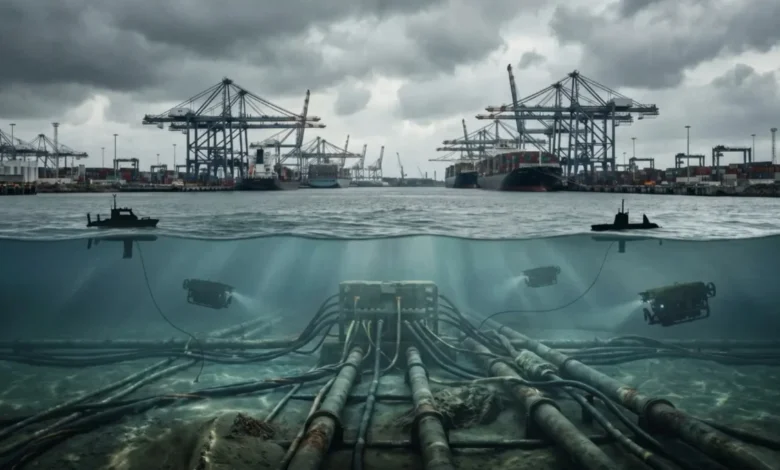
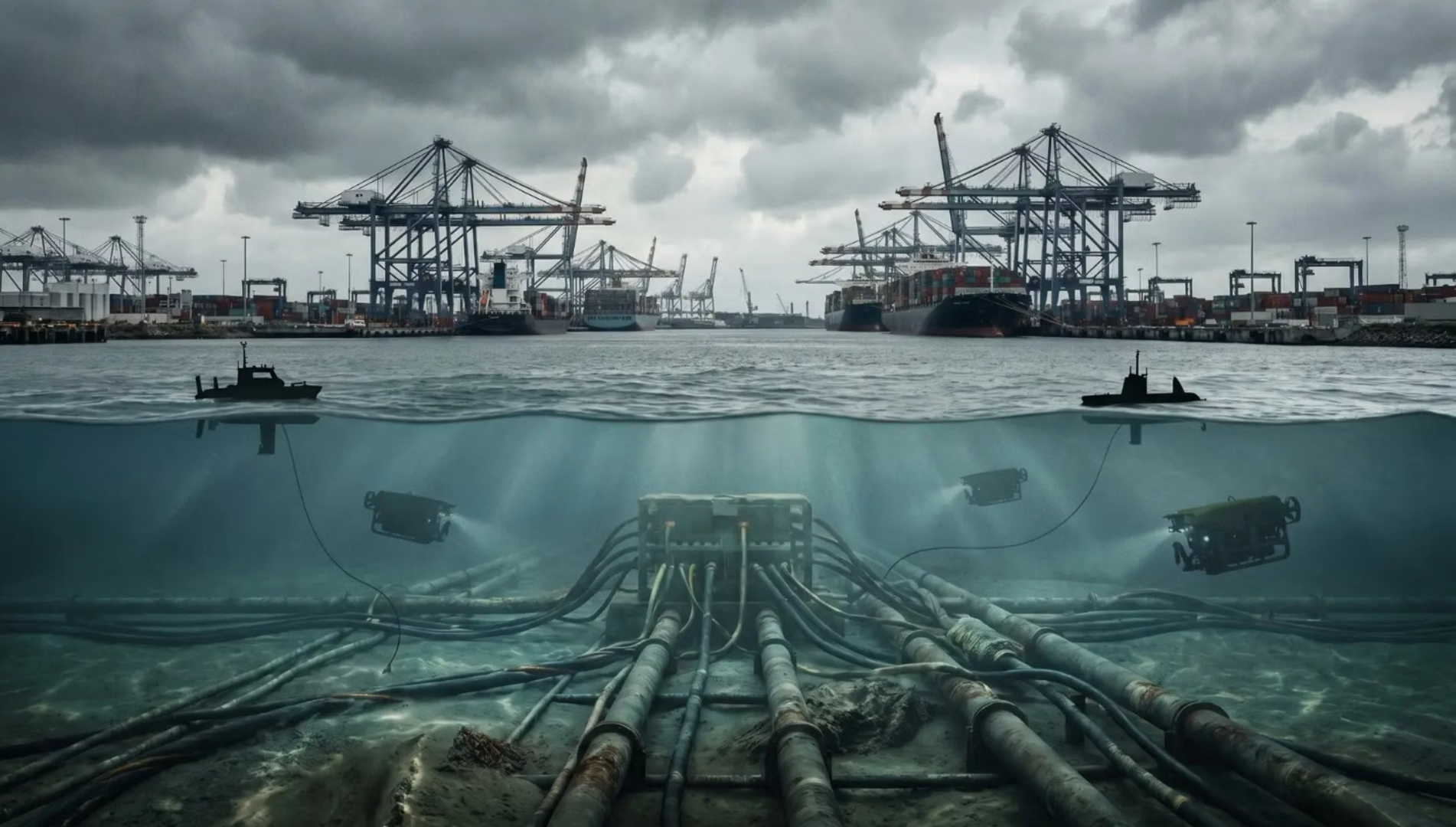
The United Shipbuilding Corporation (USC), Russia’s state-owned shipbuilding giant, has unveiled an ambitious new portfolio of underwater robotic systems designed to fundamentally transform maintenance, repair, and monitoring protocols for the nation’s energy and maritime sectors. The unveiling occurred during a high-profile industry conference in St. Petersburg, where the corporation presented a series of autonomous and semi-autonomous underwater vehicles (AUVs) and remotely operated vehicles (ROVs) intended to bolster domestic technological sovereignty in marine robotics. This development marks a strategic pivot for the Russian shipbuilding industry, which has historically relied on external supply chains for high-end subsea diagnostic equipment.
The Rationale Behind the Shift to Autonomy
The core objective of USC’s new initiative is to mitigate the substantial economic impact of operational downtime at offshore oil and gas facilities. Industry data indicates that when a critical failure occurs at an offshore platform, the process of mobilizing a support vessel—often traveling from distant ports—can take anywhere from 96 to 336 hours. This delay is frequently exacerbated by unpredictable maritime weather conditions and complex logistics scheduling.
By shifting toward "resident" marine robotic complexes—systems permanently stationed at or near critical infrastructure—USC aims to reduce these response windows from days to mere hours. The corporation’s internal projections suggest that this rapid-response model could curtail financial losses associated with drilling platform downtime by up to 85%. Furthermore, by offloading approximately 80% of routine inspection and minor maintenance tasks to these autonomous systems, USC hopes to minimize the reliance on manned dive teams, thereby increasing safety and reducing the operational expenditure associated with long-range support ship deployments.
Technological Architecture and Software Integration
A significant differentiator for the new USC initiative is the development of a unified software architecture that serves as the central nervous system for its robotics suite. Rather than relying on fragmented tools for navigation, sonar processing, and structural diagnostic streaming, the new platform integrates artificial intelligence (AI) to synchronize these functions in real-time.
The AI-driven software is designed to automate the classification of structural integrity issues. During routine inspections of ship hulls, rudders, or propulsion assemblies, the robotic units are capable of identifying potential defects and streaming high-definition video feedback to human supervisors. This capability provides vessel owners with actionable data long before a ship arrives at a dry dock, enabling shipyards to procure necessary materials and allocate specialized labor in advance. This "pre-arrival intelligence" is intended to eliminate the guesswork that often plagues standard repair cycles, potentially accelerating the turnaround time for maritime maintenance by several days.
Expanding the Portfolio: From Logistics to Defense
While subsea inspection is the immediate priority, USC’s vision extends to a broader ecosystem of uncrewed marine solutions. At the St. Petersburg conference, the company also demonstrated uncrewed surface vessels (USVs) designed for high-efficiency logistics runs and extensive hydrographic survey missions. These surface units are engineered to operate in tandem with underwater counterparts, creating a multi-domain monitoring network along Russia’s extensive coastline.
The presentation also touched upon concepts for harbor and port defense, specifically utilizing modular, deployable barriers composed of nets and booms to protect sensitive maritime zones. Perhaps most ambitious is the company’s research into seismic exploration swarms. USC officials conceptualized a network where up to 1,000 individual robotic devices operate in a synchronized, distributed architecture to conduct large-scale geological surveys. While the specific algorithmic mechanisms for coordinating such a large-scale swarm remain under development, the intent is clear: to scale the technology into a mass-producible, low-cost asset for the energy exploration market.
Economic and Strategic Implications
The shift toward domestically produced marine robotics carries profound implications for the Russian maritime economy. For decades, the global offshore energy sector has been dominated by a handful of international firms providing specialized ROV services. By localizing the production of these systems, USC is attempting to insulate the Russian energy industry from the volatility of international sanctions and global supply chain disruptions.
The transition to serial production is identified by the company as its primary long-term hurdle. To succeed, USC must balance the high technical specifications required for deep-sea operations with the necessity of cost-efficient manufacturing. If the corporation successfully achieves serial production, it could fundamentally alter the competitive landscape for maritime services in the Arctic and the Caspian Sea, regions where environmental conditions make traditional, human-led maintenance particularly expensive and hazardous.
Industry Context and Future Outlook
The introduction of these systems occurs within a broader global trend of "digitalization at sea." Across the industry, firms are moving toward remote-controlled, autonomous, and digital-twin-based maintenance models. USC’s entry into this space suggests that Russia intends to be a significant player in the race to automate maritime logistics.
However, the success of these systems will depend on their reliability in extreme conditions. The North Sea, the Arctic, and other key areas for Russian energy interests present significant technical challenges, including extreme hydrostatic pressure, freezing temperatures, and high-salinity corrosion. Experts noted that while the demonstration models displayed in St. Petersburg show significant promise, the true test will be the transition from prototype testing to full-scale deployment in active, high-pressure environments.
As USC moves forward, the integration of these robots into existing maritime infrastructure will likely follow a phased approach. Initial deployments are expected to focus on high-traffic ports and critical offshore platforms where the return on investment through reduced downtime is most immediate. As the software platform matures and the fleet of uncrewed vessels expands, the corporation anticipates a cascading effect on operational efficiency across the entire maritime supply chain.
Conclusion and Strategic Trajectory
The United Shipbuilding Corporation’s recent technological reveal signals a shift in focus toward high-tech, AI-enabled maritime infrastructure. By prioritizing the development of a unified software platform and a robust, scalable fleet of underwater and surface robots, USC is positioning itself to capture a significant portion of the burgeoning market for automated marine services.
If the promised 85% reduction in downtime and the capability to handle 80% of routine inspections are achieved in real-world scenarios, the project will represent a major milestone for the Russian shipbuilding industry. The commitment to serial production and cost-conscious design principles suggests that USC is not merely experimenting with robotics, but attempting to standardize a new, more efficient mode of maritime operation. As the global energy sector continues to demand greater efficiency and lower environmental risk, the deployment of such robotic systems may well become the standard for offshore maintenance in the coming decade.
The focus now shifts to the engineering division’s ability to scale these prototypes. With the stated goal of achieving widespread serial production, the company is expected to continue its research and development efforts, likely iterating on the navigation and AI capabilities demonstrated in St. Petersburg to ensure the systems can perform reliably without constant human intervention. The industry will be watching closely as these technologies move from the display floor to the challenging, unpredictable depths of the ocean.