Apple has officially entered the foldable smartphone arena with the introduction of the iPhone Duo, marking the company’s first major product category expansion in years. While competitors such as Samsung, Google, and Huawei have spent the better part of the last decade iterating through successive generations of book-style and clamshell foldables, Apple has deliberately taken a patient, measured approach. Rather than rushing to capture early market share with unrefined hardware, Cupertino has spent years developing a device that aligns with its stringent internal standards for durability, display technology, and software integration.
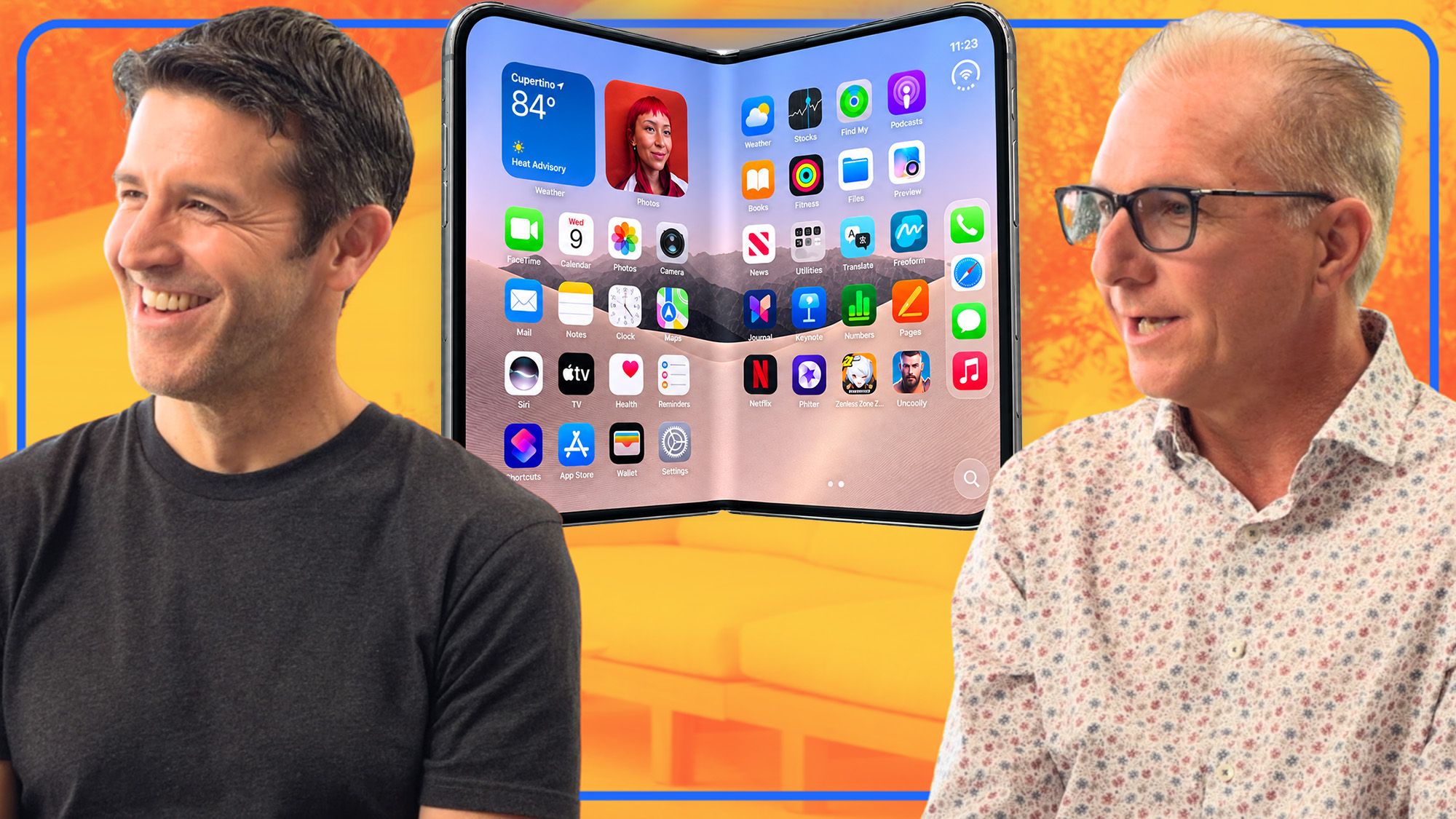
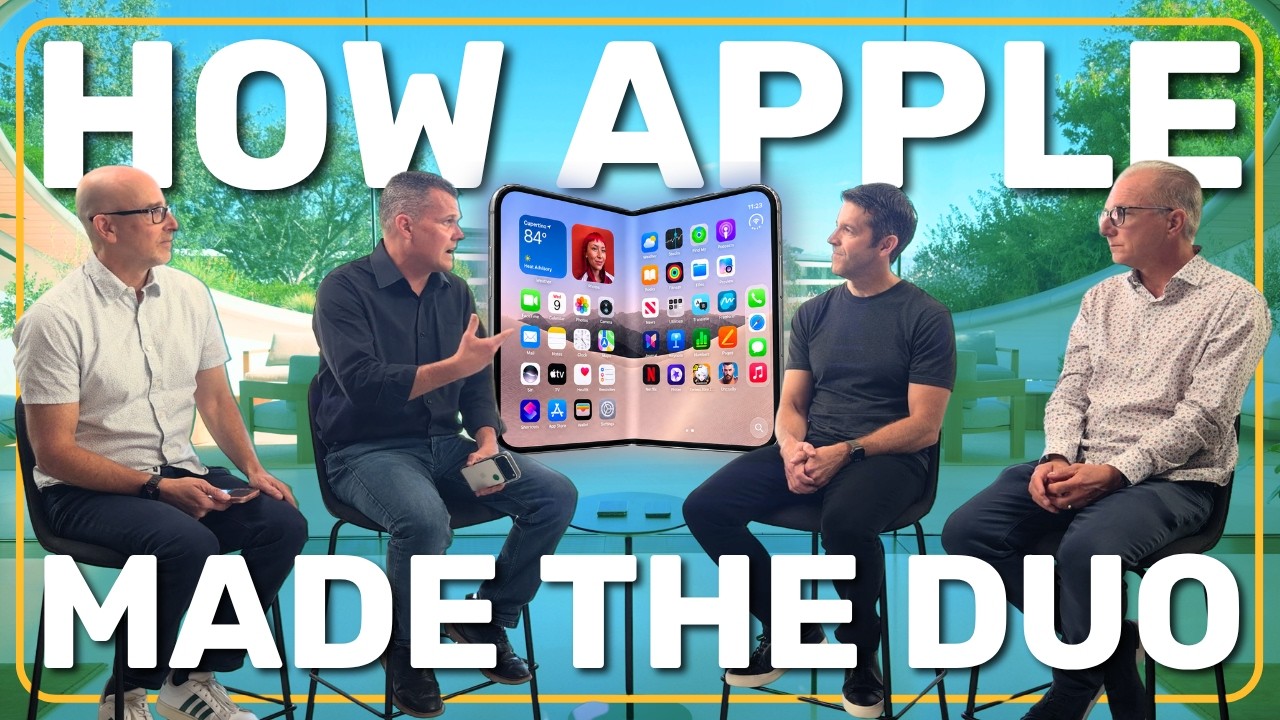
Slated for an official release in October with a starting price of $1,999, the iPhone Duo enters a mature but fragmented foldable market. During a joint interview with Apple CEO John Ternus and Senior Vice President of Worldwide Marketing Greg "Joz" Joswiak, company leadership emphasized that the Duo is not merely a reaction to Android competitors, but an intentional convergence of hardware engineering and a heavily customized software ecosystem.
Chronology of the Foldable Market and Apple’s Delayed Entry
The commercialization of foldable smartphones began in earnest around 2019, when early pioneers introduced flexible OLED panels to consumers. For years, critics questioned whether Apple would cede ground in the ultra-premium tier as Android manufacturers refined hinges, reduced chassis thickness, and improved cover-screen usability. Throughout this period, Apple maintained silence regarding its hardware roadmap, adhering to its historical strategy of letting nascent technologies mature before offering a polished consumer alternative.
Internally, Apple’s engineering teams were tackling fundamental pain points that plagued first-generation Android foldables: visible and tactile display creases, fragile polymer screens prone to scratching, and fragmented application support. By leveraging proprietary display innovations initially designed for desktop and tablet hardware, Apple spent years perfecting a mechanism that could withstand rigorous daily use. The result is a passport-style device featuring a 7.6-inch main display that aims to redefine user expectations of what a foldable mobile device can achieve.
Hardware Engineering and the Nano-Texture Innovation
One of the most notable engineering achievements of the iPhone Duo is the near-total elimination of the display crease—a persistent aesthetic and functional flaw in competing foldable handsets. Apple achieved this milestone by adapting its proprietary nano-texture display technology, which previously debuted on the Mac Studio Display and subsequently migrated to high-end iPad Pro and MacBook Pro models.
Unlike standard glass, the nano-texture surface diffuses ambient light to eliminate glare and reflections while providing a uniform matte texture across the flexible polymer panel. According to John Ternus, traditional plastic foldable surfaces often feel wavy, wrinkly, or cheap to the touch. By engineering a specialized version of the nano-texture process optimized for flexible polymer substrates, Apple has created a viewing surface that is visually flat, pleasant to the tactile senses, and engineered for high durability. Combined with IP68 water and dust resistance, the iPhone Duo bridges the gap between delicate concept hardware and rugged everyday utility.
Ecosystem Optimization and iOS 27 Integration
Hardware is only one component of Apple’s strategy; software optimization remains central to the company’s product philosophy. Historically, Android foldables have suffered from a fragmented application ecosystem where many third-party apps merely scale up smartphone interfaces, resulting in awkward whitespace and poor layout utilization.
To prevent this issue, Apple initiated early collaborations with major software developers—including Netflix, Slack, and Zoom—to ensure that key applications are fully optimized for both the cover display and the expansive 7.6-inch internal screen ahead of the October launch. Greg Joswiak compared the software strategy to the original iPad launch in 2010, noting that Apple deliberately avoided turning the device into an oversized phone.

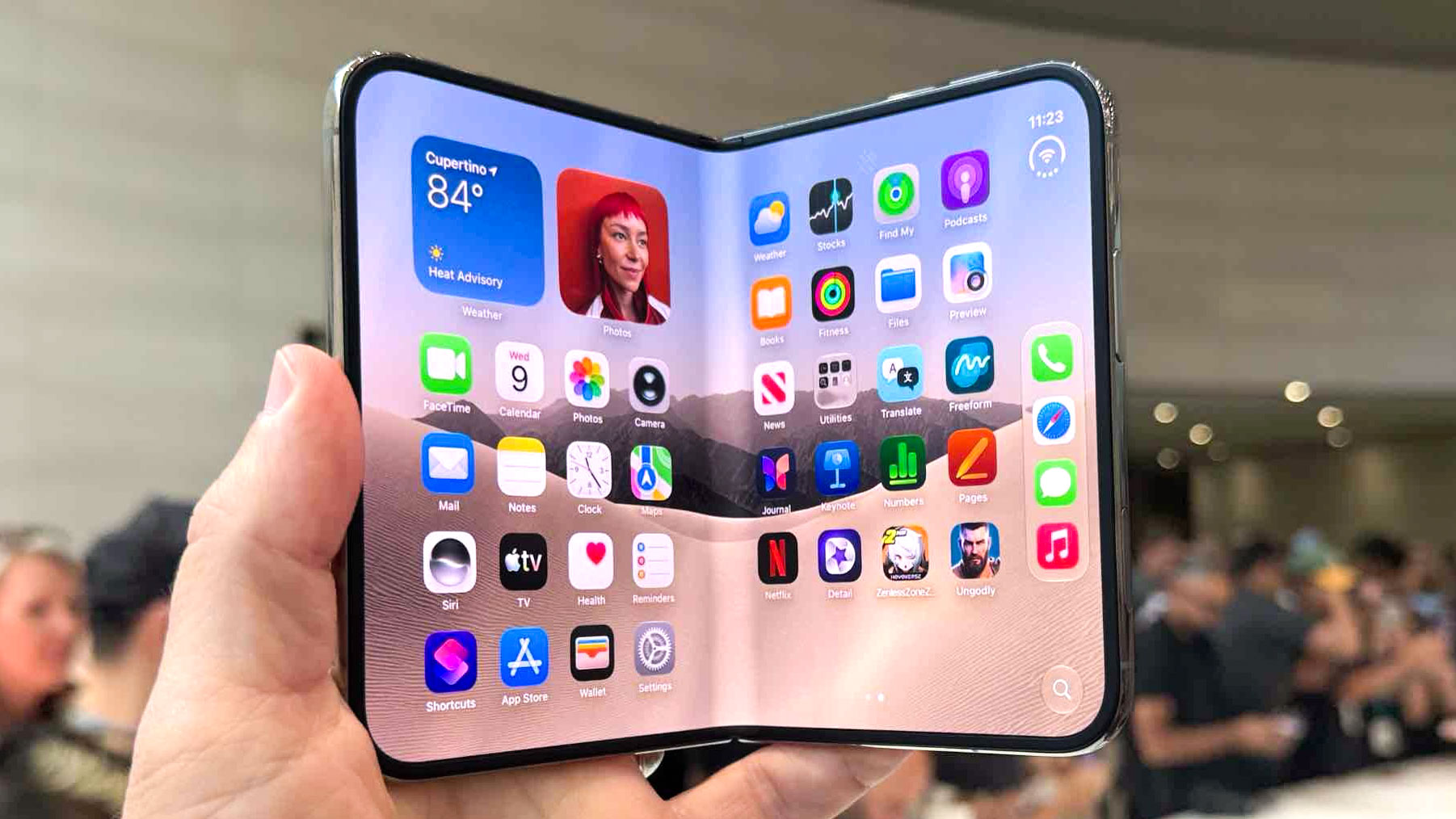
Furthermore, iOS 27 has been completely redesigned for the foldable form factor. The user interface relocates primary navigation controls to the right edge of the screen on both the inner and outer displays. This layout ensures that controls remain easily accessible under the user’s right thumb, whether the device is folded shut or opened fully, creating a continuous and intuitive user experience.
Breaking Traditions With Apple Pencil Support
The inclusion of Apple Pencil support on the iPhone Duo has sparked discussion among long-time observers, particularly in light of late co-founder Steve Jobs’ famous 2007 remark condemning styluses on smartphones. However, Apple leadership argues that the Duo transcends traditional smartphone categorisation by functioning as both an iPhone and an iPad.

Ternus noted that the company does not view the Pencil inclusion as a broken rule, but rather as an evolution of productivity tools on larger canvases. While the stylus is entirely optional, the ability to sketch, annotate, and navigate precise workflows on a 7.6-inch foldable screen provides functional versatility that appeals to professional users without compromising standard touch-based navigation.
Market Positioning and the $2,000 Price Point
Priced at $1,999, the iPhone Duo is the most expensive iPhone ever produced, positioning it squarely in the ultra-premium luxury tier. Justifying this price tag requires demonstrating exceptional value through advanced engineering, cutting-edge materials, and robust computational power. Alongside the Duo, Apple also adjusted pricing upward by $100 for the iPhone 18 Pro and iPhone 18 Pro Max, which feature the new A20 Pro chip—also powering the Duo—alongside upgraded variable aperture cameras, larger vapor cooling chambers, and extended battery life.

Apple executives maintain that the Duo delivers an experience that is vastly superior to the sum of its parts. Beyond raw specifications, the device introduces software-driven capabilities such as Smart Take, a camera mode that utilizes device intelligence to automatically capture group photographs when all subjects are properly framed, eliminating the need for manual timers.
Broader Implications for the Smartphone Industry
Apple’s entry into the foldable market is expected to catalyze mainstream consumer adoption of flexible displays. While Android manufacturers pioneered the form factor and successfully reduced device thickness over successive generations, Apple’s entry typically validates a product category for enterprise buyers and risk-averse consumers.
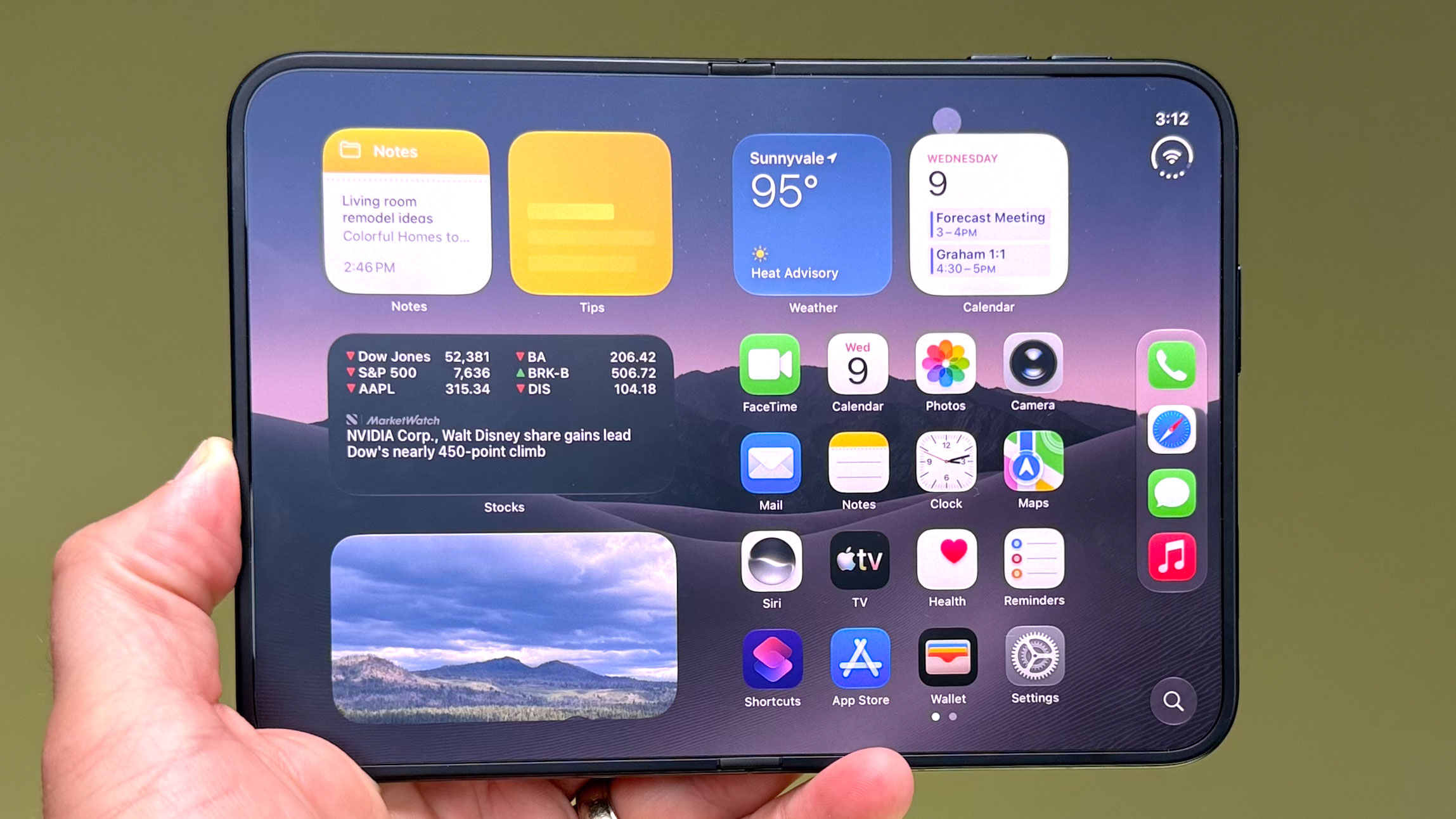
By focusing heavily on crease mitigation, ecosystem-wide app optimization, and dual-screen continuity, Apple has established a high benchmark for future hardware development across the industry. As the iPhone Duo hits retail shelves in October, the broader market will closely monitor consumer reception and sales figures to determine whether Apple’s patient, deliberate entry strategy has successfully disrupted the foldable landscape.