T-Mobile Launches Aggressive Promotional Campaign for the Newly Released iPhone 18 Pro and iPhone 18 Pro Max as Retail Prices Increase

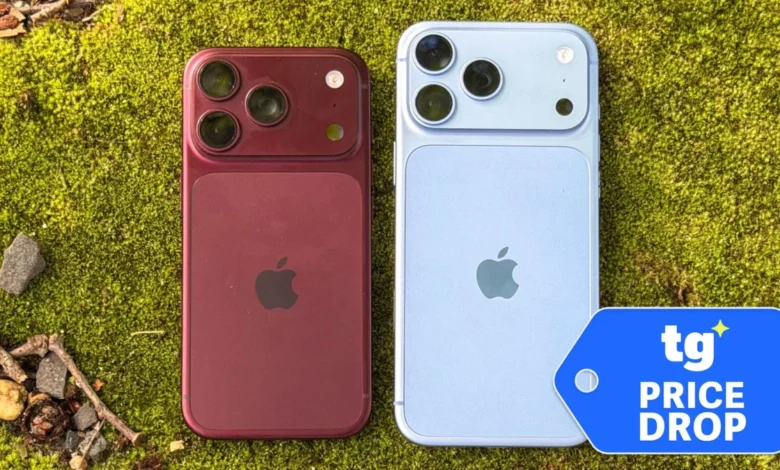
Apple’s latest generation of flagship smartphones has officially landed on store shelves, accompanied by a wave of carrier promotions designed to offset a recent price hike. The newly released iPhone 18 Pro and iPhone 18 Pro Max represent the pinnacle of Apple’s mobile engineering, introducing iterative improvements to display technology, processing power, and durability. However, with base retail prices climbing by $100 compared to their predecessors—now starting at $1,199 for the 6.3-inch Pro and $1,299 for the 6.9-inch Pro Max—consumers are increasingly turning to carrier financing and promotional trade-in offers to manage the cost of upgrading. Among the most competitive offers currently circulating the telecommunications market is a comprehensive promotional campaign launched by T-Mobile, targeting both new subscribers and loyal customers looking to secure Apple’s newest hardware without absorbing the full retail burden.
Main Facts and Promotional Structure
The centerpiece of T-Mobile’s latest promotional lineup revolves around making the newly minted iPhone series accessible through service commitments rather than upfront capital expenditures. For consumers willing to switch carriers, T-Mobile is offering the baseline iPhone 18 Pro entirely free of charge. To qualify for this zero-cost promotion, customers must port their existing mobile numbers over to the network and activate a qualifying "Experience Beyond" post-paid plan.
Alternatively, existing T-Mobile customers—or those not wishing to switch numbers—can also acquire the iPhone 18 Pro at no additional hardware cost by combining an eligible device trade-in with the same Experience Beyond plan. For those eyeing the larger, high-capacity variant, the carrier has structured a substantial discount on the iPhone 18 Pro Max. T-Mobile is slashing up to $1,200 off the retail price of the iPhone 18 Pro Max for customers who trade in a qualifying older device and sign up for the required Experience Beyond tier. This localized reduction effectively brings the out-of-pocket cost for the top-tier 6.9-inch flagship down to a nominal monthly installment, significantly buffering the blow of the device’s $1,299 baseline price tag.
Chronology and Launch Timeline
The release of the iPhone 18 Pro and Pro Max follows Apple’s traditional late-summer and early-autumn product lifecycle. Pre-orders for the devices opened mid-September, generating massive initial demand across global markets. Official in-store availability and direct home deliveries commenced at the end of the month, triggering an immediate race among major telecommunications providers—including Verizon, AT&T, and T-Mobile—to capture high-value consumers locked into multi-year upgrade cycles.
Historically, the weeks surrounding an iPhone launch represent the highest-volume acquisition period for major carriers. By deploying aggressive zero-dollar device promotions tied to multi-year service contracts, carriers aim to lock in high-tier subscribers for extended periods, securing predictable recurring revenue while offsetting the hardware subsidies through long-term service billing. T-Mobile’s alignment of these deals with its newly branded "Experience Beyond" plans signals a strategic push to migrate its subscriber base toward its most feature-rich and expensive service tiers.
Product Overview and Specifications
The iPhone 18 Pro and iPhone 18 Pro Max continue to refine Apple’s established design philosophy while introducing critical hardware modifications. The standard iPhone 18 Pro features a compact yet expansive 6.3-inch OLED display, catering to users who prefer a more ergonomic handheld footprint without sacrificing high-end processing capabilities. Meanwhile, the iPhone 18 Pro Max expands the viewing area to a massive 6.9-inch OLED panel, appealing directly to power users, media consumption enthusiasts, and mobile content creators who require maximum screen real estate.
Both devices incorporate Apple’s latest advancements in durability. Built around rigid aerospace-grade metal enclosures and fortified with next-generation ceramic-shield glass surfaces, the iPhone 18 Pro lineup has been engineered to withstand rigorous real-world stress testing, drop impacts, and environmental exposure through advanced water and dust resistance ratings. Beneath the exterior, the devices are powered by Apple’s cutting-edge silicon architecture, optimized specifically to handle demanding machine learning tasks, advanced computational photography algorithms, and prolonged gaming sessions without inducing critical thermal throttling.
Market Implications and Economic Analysis
The decision by Apple to increase the starting prices of its Pro-tier smartphones by $100 reflects ongoing inflationary pressures, rising component costs—particularly regarding advanced semiconductor fabrication and specialized display materials—and supply chain stabilization expenses. In an economic climate where consumer discretionary spending faces tightening constraints, a direct price increase carries the risk of dampening upgrade frequency.
Industry analysts note that carrier subsidies and aggressive trade-in frameworks have become essential economic shock absorbers for the consumer electronics market. Without multi-year service contracts and promotional credits offered by carriers like T-Mobile, a significant segment of the consumer base might otherwise defer upgrading their hardware. By absorbing the upfront hardware costs through structured monthly bill credits spread over 24 to 36 months, carriers effectively transform a steep, one-time luxury purchase into a manageable utility subscription.
Furthermore, tying these hardware discounts to specific premium data plans—such as T-Mobile’s Experience Beyond tier—allows network operators to maximize Average Revenue Per User (ARPU). As 5G network infrastructure matures and data consumption demands continue to surge, carriers are heavily incentivized to bundle high-end hardware acquisitions with unlimited, high-priority data packages.
Broader Industry Landscape and Future Outlook
As the mobile industry absorbs the launch of the iPhone 18 generation, market observers will closely monitor initial sales velocities to determine whether consumer appetite for $1,200-plus smartphones remains resilient. Early indicators suggest that while sticker shock is palpable, generous trade-in valuations and zero-down carrier incentives are successfully mitigating hesitation, driving steady foot traffic into retail locations nationwide.
Competitors in the telecommunications space are expected to maintain similarly aggressive promotional postures throughout the upcoming autumn and winter holiday shopping seasons. For consumers, this competitive landscape underscores the importance of evaluating trade-in values and long-term service plan commitments before locking into a multi-year carrier contract. As Apple continues to cement its ecosystem dominance, the symbiotic relationship between hardware manufacturers and network operators remains the primary engine driving premium smartphone adoption across the globe.