Nvidia GeForce RTX 5090 Desktop PCs Are Emerging at Premium Price Points That Challenge Conventional Market Logic

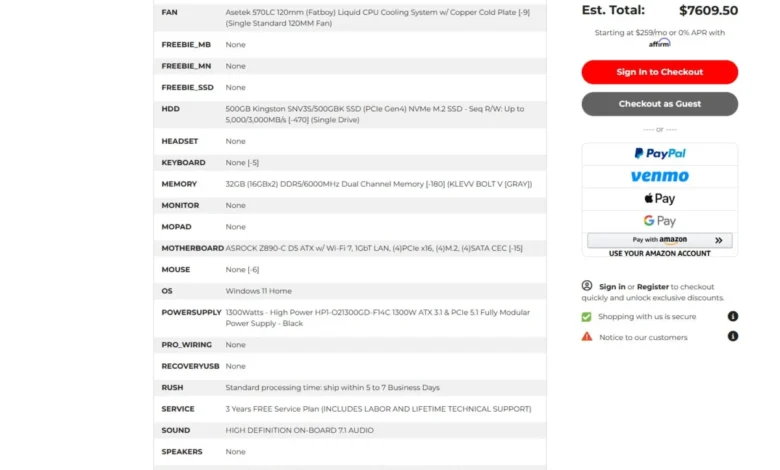
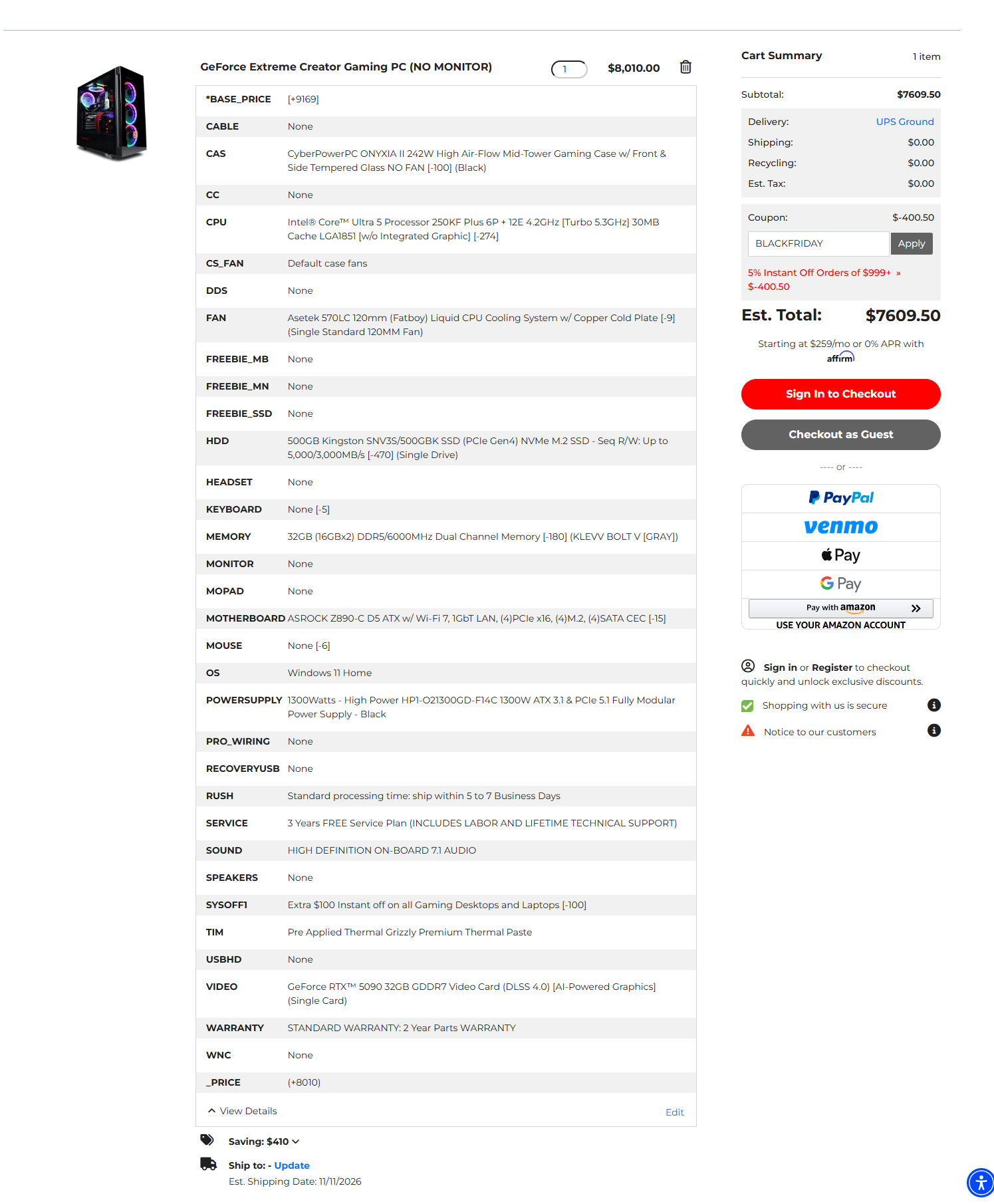
The recent emergence of high-end desktop gaming systems featuring the Nvidia GeForce RTX 5090 has highlighted a significant shift in the consumer hardware market. As the cost of standalone flagship graphics cards has soared, often reaching prices that rival complete pre-built desktop systems, consumers are facing an unprecedented economic landscape. A notable configuration currently available from CyberPowerPC, priced at $7,609.50 after a promotional discount, offers a case study in the current valuation of high-performance computing components and the strategic purchasing decisions facing enthusiasts and professionals alike.
The Current Market for Flagship Graphics Hardware
The Nvidia GeForce RTX 5090 represents the pinnacle of consumer-grade graphics processing technology, boasting 32GB of cutting-edge GDDR7 memory. In the open market, demand for these individual cards has driven prices to extreme levels, with some listings for standalone units approaching $9,000. This inflationary trend is largely attributed to supply chain constraints, high demand from AI researchers utilizing local hardware, and the sheer cost of manufacturing the latest generation of silicon.
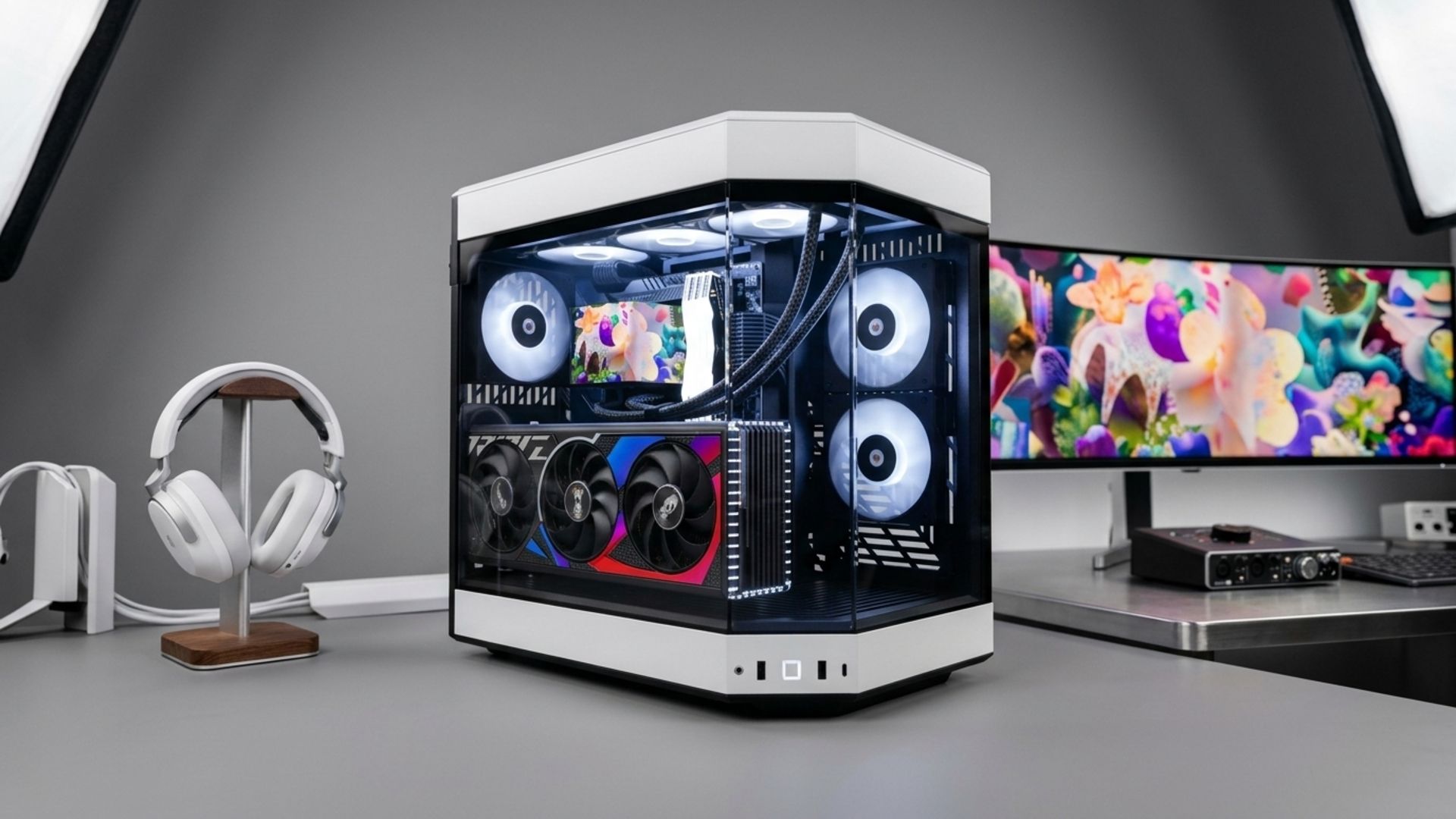
When a standalone component commands a price tag nearly equivalent to a full system, the value proposition of a pre-built desktop becomes distorted. The CyberPowerPC GeForce Extreme Creator Gaming PC, while retailing at a significant price point, essentially offers the chassis, motherboard, CPU, RAM, storage, and power supply as "value-added" inclusions for those who would otherwise be paying a premium for the graphics card alone. By securing the card through a system integrator, the buyer effectively avoids the volatility of the third-party GPU resale market.
Technical Specifications and System Integration
The system in question is built around the Intel Core Ultra 5 250KF processor, which utilizes a hybrid architecture consisting of six performance cores and twelve efficiency cores. With a maximum turbo frequency of 5.3GHz, this CPU provides a balanced foundation for the system. While enthusiasts might argue for a higher-tier processor to match the RTX 5090, the current configuration is designed to prioritize the GPU’s heavy lifting, which is the primary driver of the system’s cost.
The cooling and power infrastructure are critical to the stability of such a high-draw machine. The system integrates a 1,300W fully modular power supply, which is necessary to handle the transient power spikes common with top-tier Nvidia architecture. Thermal management is handled by an Asetek 570LC liquid cooler. The inclusion of 32GB of DDR5 memory clocked at 6,000MHz ensures that data throughput remains high, preventing the system from bottlenecking during intensive rendering or gaming sessions. However, the storage configuration—a 500GB Kingston NVMe PCIe Gen4 SSD—serves as a reminder that these systems are often modular, and users should anticipate investing in additional storage capacity for modern applications, which frequently exceed 100GB per installation.
Contextualizing the Performance Gap
A critical point of confusion in the current market is the distinction between desktop and laptop variants of the RTX 5090. As manufacturers roll out new mobile workstations and gaming laptops, consumers are cautioned against assuming that the mobile version of the RTX 5090 offers performance parity with the desktop card.
The mobile RTX 5090 is subject to severe constraints regarding thermal envelope, power draw, and physical footprint. Laptop manufacturers must adhere to strict TDP (Thermal Design Power) limits to prevent the hardware from overheating in a confined chassis. Consequently, while a laptop might carry the "RTX 5090" label, its performance is fundamentally throttled compared to the desktop version. The desktop card, with its full-sized cooling solution and unrestricted power access, remains the only path to the true performance potential of the silicon. Furthermore, the 32GB of GDDR7 memory found in the desktop variant provides a substantial advantage for local AI model training, video editing, and 8K rendering tasks—workloads where mobile equivalents often fall short due to memory bandwidth and capacity limitations.
Market Implications and Future Outlook
The current pricing structure of the RTX 5090 reflects a broader trend in the semiconductor industry where "prosumer" hardware is increasingly difficult to categorize. For years, the gaming market was separate from the enterprise workstation market; however, the rise of generative AI and the increased demand for high-VRAM capacity have blurred these lines.
Industry analysts suggest that this trend may persist until production capacity for GDDR7 memory and advanced packaging technologies increases. The timeline for this correction remains uncertain, with rumors circulating regarding future releases and potential iterations of the RTX 60-series potentially slated for 2027. For now, the "buy the card, get the PC for free" phenomenon is a temporary byproduct of a market that has yet to stabilize.
It is essential for prospective buyers to note that these premium configurations, such as the one from CyberPowerPC, typically do not include peripherals. A monitor capable of displaying the output of an RTX 5090—ideally a high-refresh-rate 4K or 8K display—is a significant secondary investment. Furthermore, while the system includes a two-year parts warranty and lifetime technical support, the complexity of these high-end machines means that long-term maintenance requires a degree of technical proficiency from the user.
Strategic Purchasing in a Volatile Economy
The decision to purchase an $8,000 system is rarely made on impulse. For professional creators, the inclusion of the RTX 5090 is an investment in productivity. The ability to handle complex ray-tracing tasks, large-scale 3D modeling, and local LLM (Large Language Model) execution justifies the expense for those whose income depends on computational throughput. Conversely, for the casual enthusiast, the current pricing serves as a significant barrier to entry, pushing the "enthusiast" tier of gaming into a luxury category previously reserved for corporate servers and professional workstations.
The reliance on pre-built systems as a gateway to high-end hardware is a tactic often seen during periods of GPU shortages or extreme price inflation. In previous cycles, such as the cryptocurrency-driven shortages of 2020-2021, system integrators became the primary source for gamers to acquire hardware at MSRP. The current scenario, while driven by different factors—primarily high manufacturing costs and AI-driven demand—mirrors this historical trend.
Summary of Component Value
To provide a snapshot of the current hardware hierarchy within the machine:
- Graphics Engine: ASUS TUF Gaming GeForce RTX 5090 (32GB GDDR7)
- Processor: Intel Core Ultra 5 250KF (18 cores, 5.3GHz Turbo)
- Motherboard: ASRock Z890-C D5 (Wi-Fi 7 enabled)
- Cooling: Asetek 570LC Liquid Cooling
- Power: 1,300W Fully Modular Supply
- Software: Windows 11 Home
As the market continues to evolve, the distinction between "gaming" and "computing" will likely continue to fade. The RTX 5090 is, by all accounts, a bridge between these two worlds. Whether this price-to-performance ratio remains sustainable depends on future supply chain adjustments and the entry of competing architectures into the high-end space. For the time being, those requiring the absolute maximum in graphical performance find themselves navigating a landscape where the cost of entry is as high as the performance potential itself.
Conclusion
The availability of complete desktop systems like the one offered by CyberPowerPC serves as a vital barometer for the health and accessibility of the high-end PC market. While the $7,609.50 price tag is undeniably steep, it offers a pragmatic solution for those who require immediate access to the RTX 5090’s capabilities. By bypassing the volatile standalone card market, consumers are provided with a complete, warrantied, and functional system that, while requiring additional investment in peripherals and potential storage upgrades, offers a cohesive package for the most demanding digital tasks. As the industry moves forward, the focus will likely shift from raw power to the sustainability of these price points, as both Nvidia and its partners work to balance the immense demand from various sectors of the technology ecosystem.
Related posts: