Early Apple Black Friday Discounts Rival Official Holiday Savings as Major Retailers Launch Pre-Holiday Price Cuts

Major consumer electronics retailers have commenced rolling out aggressive pre-holiday discounts, bypassing traditional schedules and offering deep price cuts on a wide array of Apple hardware weeks ahead of the official Black Friday and Cyber Monday shopping window. Major platforms including Amazon, Best Buy, and Walmart have initiated early promotional cycles, featuring markdowns on flagship devices such as the latest MacBook Air models, Apple AirPods, Apple Watch iterations, and iPads.
Industry analysts note that November has increasingly evolved into an extended promotional period rather than a single-day retail event. Retailers are deploying early-bird pricing strategies to smooth out supply chain pressures, distribute shipping volume evenly across the fourth quarter, and capture consumer spending early amid shifting economic conditions. The current wave of discounts includes significant price slashes that match or rival historical Black Friday lows, offering consumers immediate access to high-demand technology without the typical stress of inventory depletion during peak holiday shopping days.
Comprehensive Price Reductions Across the Apple Ecosystem
A detailed review of current marketplace offerings reveals substantial financial incentives for consumers looking to upgrade personal technology or purchase gifts. Premium laptops, audio gear, and tablets are seeing notable adjustments from their manufacturer-suggested retail prices (MSRP).
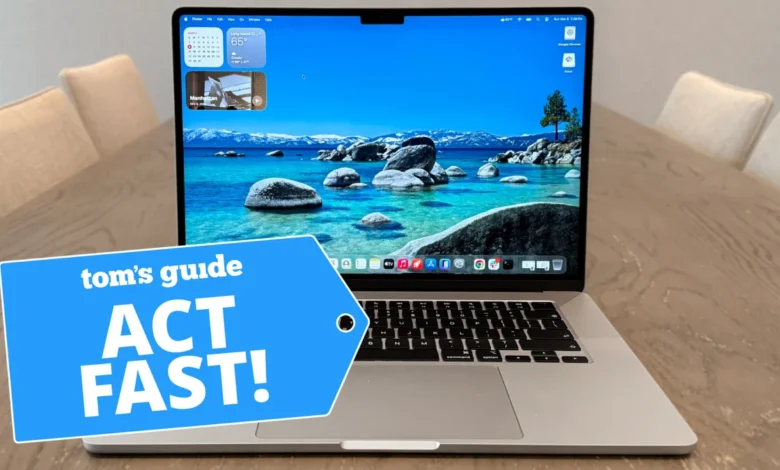
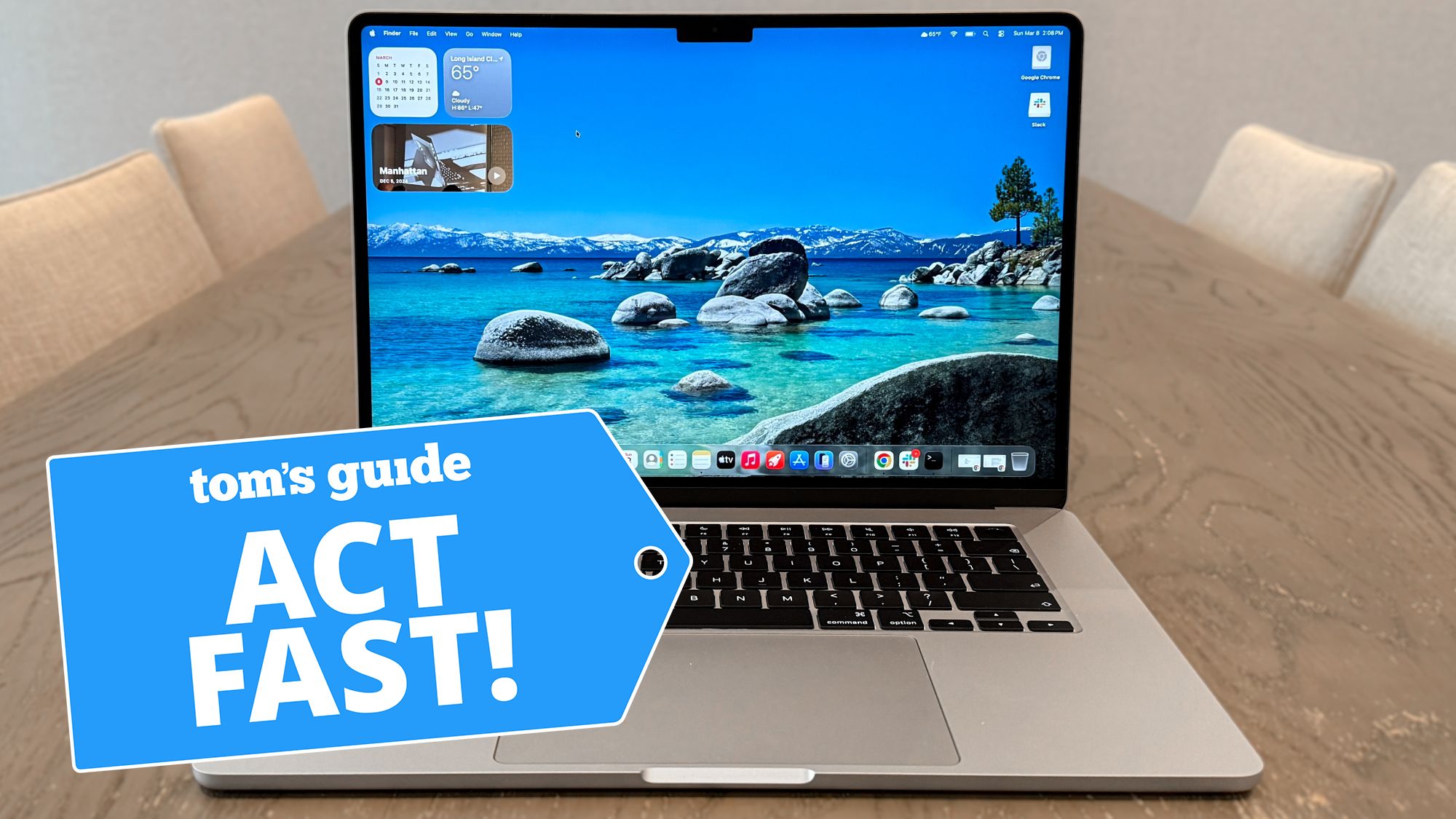
Leading the laptop category, the newly released MacBook Air has received a $200 price reduction on Amazon, presenting an accessible entry point for consumers seeking Apple’s latest M-series processing architecture, extended battery life, and fanless design. In the audio segment, the Apple AirPods 4 featuring Active Noise Cancellation (ANC)—a recent addition to Apple’s audio lineup—have dropped by $60, bringing the retail cost down to $119. Additional audio discounts feature sub-$90 entry-level AirPods variants, positioning wireless listening technology at lower price thresholds than seen earlier in the year.
Tablets are also heavily discounted. The compact and portable iPad mini is currently available for $569, reflecting a strategic effort by retailers to clear inventory and stimulate demand for Apple’s smaller form-factor devices. Across accessories, adapters, charging cases, and smartwatches, entry-level prices for qualifying Apple ecosystem items begin as low as $14, encompassing a broad spectrum of consumer budgets.
The Evolution of the Pre-Black Friday Retail Strategy
The shift toward early November discounting represents a structural transformation in retail commerce. Over the past half-decade, merchants have systematically decoupled steep holiday promotions from the traditional day-after-Thanksgiving timeline. Driven by intense online competition and the desire to extend the peak retail season, companies leverage sophisticated predictive pricing algorithms and historical sales data to identify optimal windows for early markdowns.
Historically, Black Friday served as the singular starting gun for holiday shopping, often characterized by doorbuster crowds and severe supply bottlenecks. The contemporary digital marketplace, however, utilizes a phased approach. Retailers introduce competitive discounting as early as late October or early November, testing market elasticity and locking in consumer commitments before competitors can counter.
For hardware manufacturers like Apple, these promotions are typically funded or subsidized through cooperative marketing agreements and channel incentives designed to maintain high unit sales volumes. While Apple rarely offers direct, first-party holiday discounts through its own official Apple Store retail channels outside of modest gift card promotions during the Thanksgiving weekend, third-party authorized resellers operate with greater pricing flexibility. This dynamic allows major platforms to absorb margin reductions to attract high-intent shoppers who will subsequently purchase complementary accessories, protective cases, and extended warranties.
Economic Implications and Consumer Guidance
The early rollout of holiday sales carries significant implications for both retail performance and consumer purchasing behavior. For consumers, shopping ahead of the formal November rush mitigates the risk of stockouts on high-demand configurations, particularly custom-ordered laptops or specific colorways of popular mobile devices. Furthermore, early purchasing protects buyers against potential shipping delays that frequently plague logistics networks during the peak holiday fortnight in December.
Financial analysts monitoring the retail sector point out that early promotions serve as a critical health indicator for consumer discretionary spending during the fourth quarter. Strong early uptake of premium electronics suggests that household balance sheets remain resilient, even in an economic environment influenced by fluctuating interest rates and cost-of-living considerations. Conversely, if early promotional momentum falters, retailers retain a multi-week window to adjust pricing strategies, introduce deeper bundle offers, or accelerate promotional cadence leading up to Cyber Week.
Retail industry groups advise consumers to verify product specifications, return windows, and warranty terms when purchasing discounted electronics from third-party platforms. Authorized resellers typically honor standard manufacturer warranties, but extended holiday return policies—often stretching through late January—provide an added layer of consumer protection for gifts purchased well in advance of the holiday season. As the retail calendar progresses toward late November, market observers expect additional promotional waves, though matching the depth of these early Apple hardware discounts remains uncertain as core holiday inventories begin to normalize.