Audi A6 e-tron shatters range expectations by traveling over 800 miles on a single charge

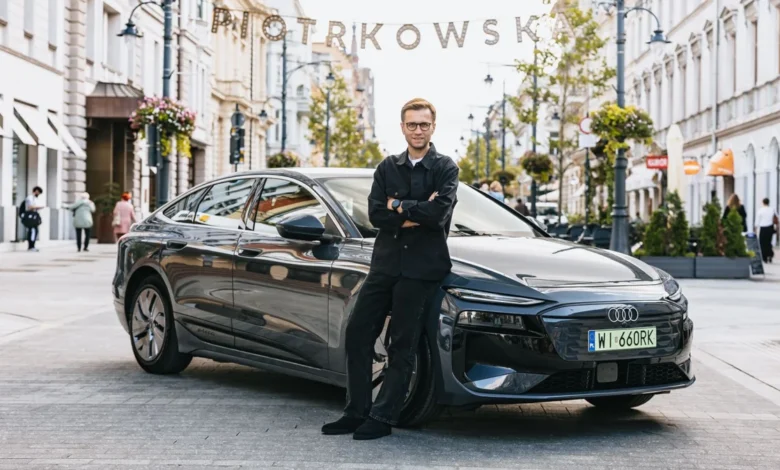
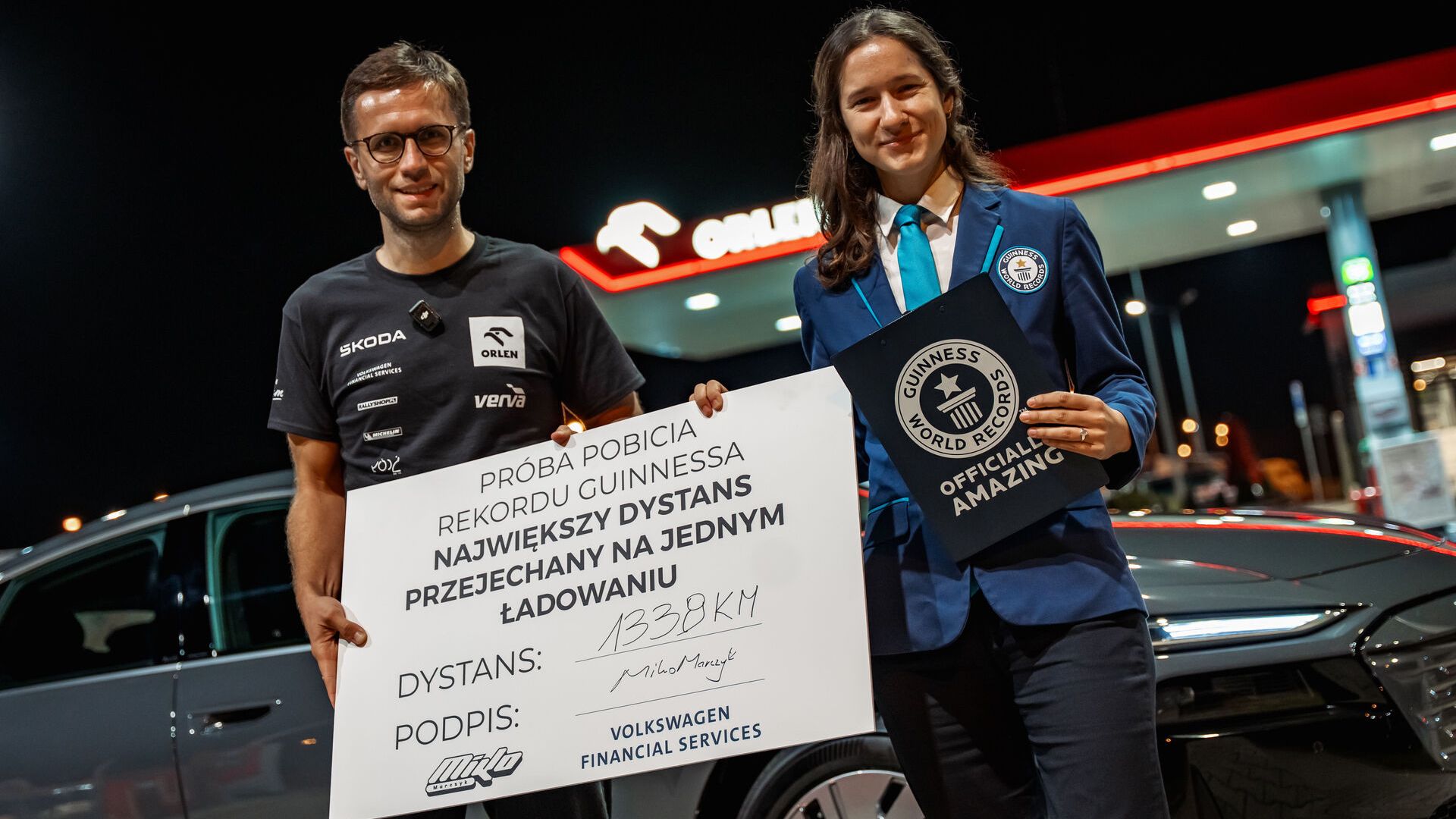
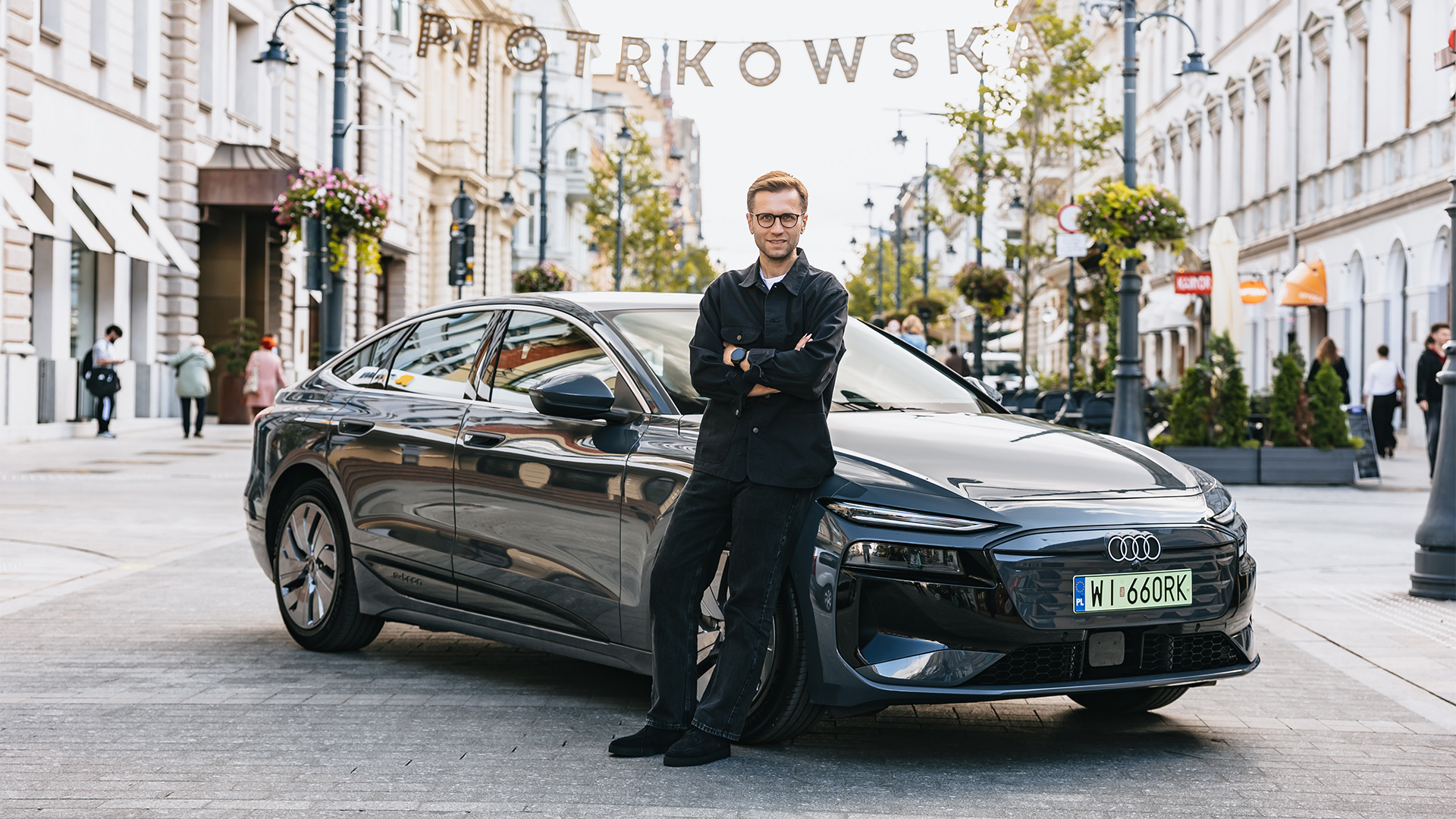
Polish rally driver Mikołaj Marczyk has fundamentally altered the public perception of electric vehicle (EV) limitations by pushing the Audi A6 Sportback e-tron performance to an extraordinary distance of 831.4 miles on a single battery charge. This feat, which significantly surpasses the vehicle’s official WLTP-rated range of 482 miles, serves as a masterclass in hypermiling techniques and highlights the latent efficiency capabilities inherent in modern premium electric platforms.
The Anatomy of the Record-Breaking Journey
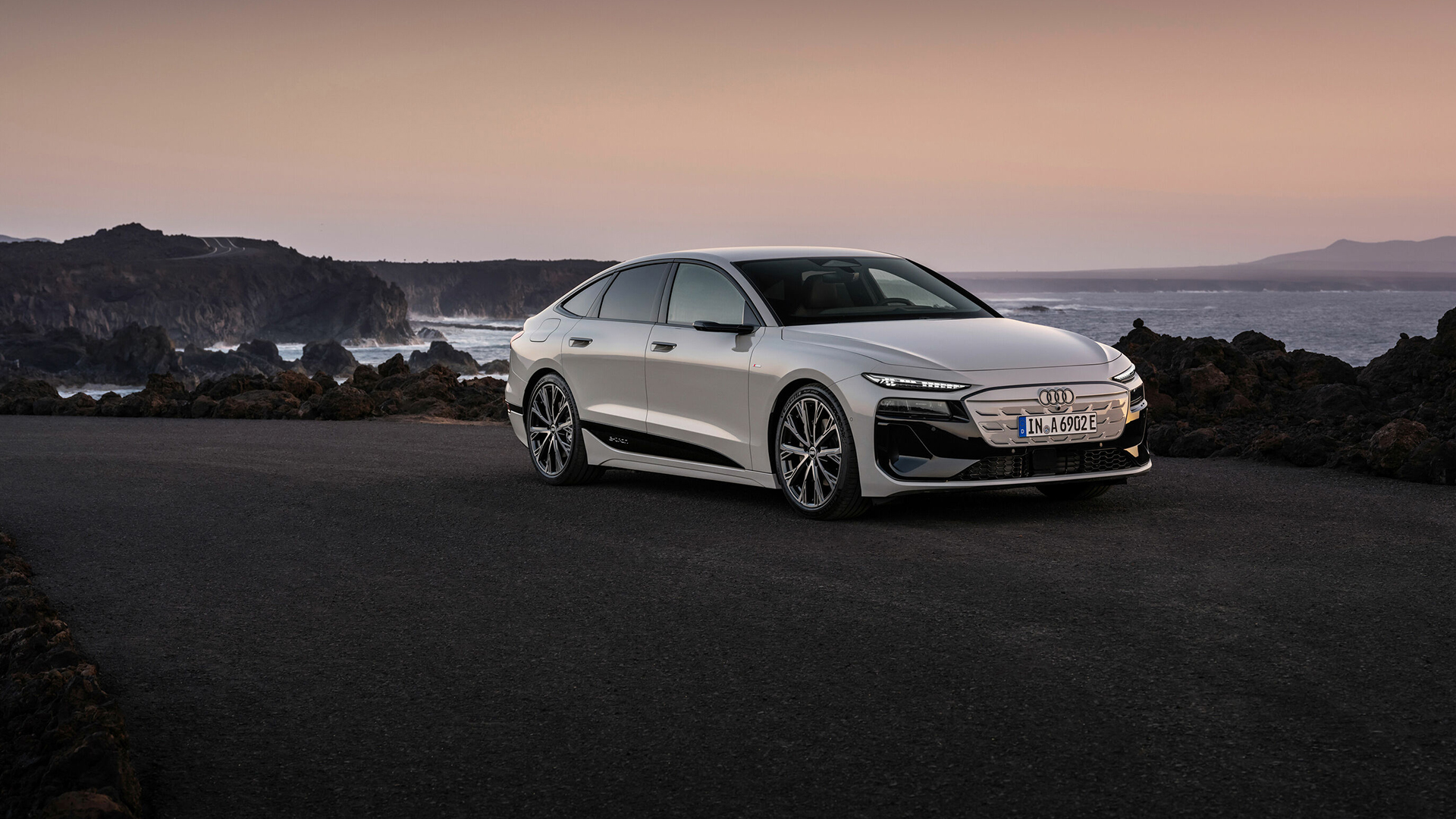
The expedition, which saw the A6 e-tron traverse a diverse landscape across Poland, was not merely a test of battery capacity, but a demonstration of how driving behavior, terrain management, and thermal efficiency intersect. The vehicle utilized for this endeavor was the Audi A6 Sportback e-tron performance, equipped with a 100kWh gross battery capacity (94.9 kWh net) and a rear-mounted motor producing 326hp.
The route was meticulously planned to capitalize on geographical features that favor electric drivetrain efficiency. Departing from the mountainous region of Zakopane, the driver leveraged the regenerative braking capabilities offered by the incline of the Tatra Mountains. The journey continued through Kraków, proceeded along the Vistula Valley toward Sandomierz, and eventually reached the coastal town of Hel. Rather than concluding the trip upon arrival, the team opted to retrace their path, effectively doubling the distance until the vehicle’s energy stores were entirely depleted.
Chronology and Environmental Variables
The success of the journey was heavily reliant on the management of external environmental variables. Throughout the duration of the trip, Marczyk navigated various driving conditions, including heavy rush-hour traffic and varying temperature gradients. The average ambient temperature remained around 15 degrees Celsius, though at certain points, the temperature dipped as low as 7 degrees Celsius.
In the automotive industry, cold weather is historically identified as a primary detractor from EV range due to increased battery resistance and the energy demands of cabin climate control systems. By maintaining a consistent pace and employing strategic regenerative braking, the driver managed to mitigate the typical range loss associated with these lower temperatures, proving that with optimized energy management, modern EVs are capable of performing well outside of ideal laboratory conditions.
Supporting Data and Technical Context
To understand the magnitude of this achievement, one must compare it to existing industry benchmarks. The previous record-holder for a similar long-distance single-charge attempt, the Lucid Air Grand Touring, possesses a nominal battery capacity of 112kWh. The fact that the Audi A6 e-tron, with its 94.9 kWh net capacity, was able to exceed previous performance markers underscores significant improvements in powertrain integration and aerodynamic efficiency.
The A6 Sportback e-tron’s design is centered around a low drag coefficient, which is critical for maintaining high speeds over long distances. However, in this specific record attempt, the speed was modulated to favor consumption over velocity. By avoiding the typical aerodynamic drag penalties incurred at high highway speeds, the vehicle was able to achieve an efficiency rating that allowed for the 831.4-mile result—a distance equivalent to traveling from London to Milan or New York to Chicago without a single stop for electricity.
Implications for Range Anxiety
Range anxiety remains one of the most cited barriers to widespread EV adoption. Consumers often view official WLTP or EPA range figures as a ceiling rather than an average, leading to concerns regarding the viability of EVs for long-distance travel. The data generated by this record-breaking journey provides a counter-narrative, suggesting that the "real-world" range of an electric vehicle is highly elastic and dependent on the operator’s input.
The techniques employed by Marczyk—such as reading the road ahead to avoid unnecessary braking, maintaining consistent tire pressures, and utilizing regenerative braking systems to recapture kinetic energy—are practices that any driver can implement. This demonstrates that the gap between official testing figures and actual performance can be bridged, and in some cases, reversed, through informed driving habits.
Broader Industry Impact and Expert Analysis
Automotive analysts suggest that this event is a significant marketing and technical victory for the Volkswagen Group, of which Audi is a flagship brand. By validating the efficiency of the PPE (Premium Platform Electric) architecture, Audi is positioning its latest models as leaders in not just luxury and performance, but also in sustainable efficiency.
Furthermore, this achievement provides valuable data for engineers working on next-generation battery management systems (BMS). Understanding how a vehicle performs when stretched to its absolute limit allows manufacturers to refine software algorithms that manage power distribution. For consumers, the takeaway is increasingly clear: the infrastructure of the electric vehicle is becoming robust enough to handle long-haul transit, provided that the operator understands the mechanics of their vehicle.
The Shift Toward Efficiency-First Design
While the record-breaking drive was a display of hypermiling rather than a representation of typical daily usage, it serves as a testament to the maturation of EV technology. Ten years ago, an 800-mile range was considered a target for internal combustion engines with massive fuel tanks. Today, it is a reality for an electric sedan.
The industry is currently moving away from a "bigger battery at all costs" mentality, shifting instead toward "efficiency at all speeds." As battery chemistries evolve and energy density increases, the weight of vehicles can be reduced, further compounding efficiency gains. The Audi A6 e-tron’s performance is an early indicator of this trend, where the synergy between chassis, software, and powertrain creates a sum greater than its individual parts.
Conclusion: A New Benchmark for Potential
As the global automotive market continues its transition toward electrification, the role of human-in-the-loop efficiency will remain a critical component of the user experience. While most owners will not attempt to drive 800 miles in a single session, the knowledge that such range is physically possible provides a psychological buffer for potential buyers.
Mikołaj Marczyk’s record is not just a triumph of endurance; it is a signal to the market that the limitations of the electric vehicle are not as rigid as once thought. By prioritizing smart energy management and leveraging the advanced capabilities of the A6 e-tron’s platform, the team has set a new benchmark for what is possible in the current era of electromobility.
The achievement will likely be studied by automotive engineers and enthusiast groups alike, serving as a case study for future range-testing methodologies. As EVs become the standard for personal and commercial transport, such demonstrations of capability will continue to erode the remaining reservations held by the public, proving that the future of the road is not only electric but remarkably efficient.
As the automotive sector looks ahead, the focus will undoubtedly remain on squeezing every joule of energy from the battery, ensuring that as charging infrastructure continues to expand, the vehicles themselves become increasingly capable of traversing the distance between those points with ease and consistency. The Audi A6 e-tron, through this demonstration, has firmly established itself as a frontrunner in this evolving landscape.