NASA Lunar Reconnaissance Orbiter identifies largest newly formed crater ever documented on the lunar surface


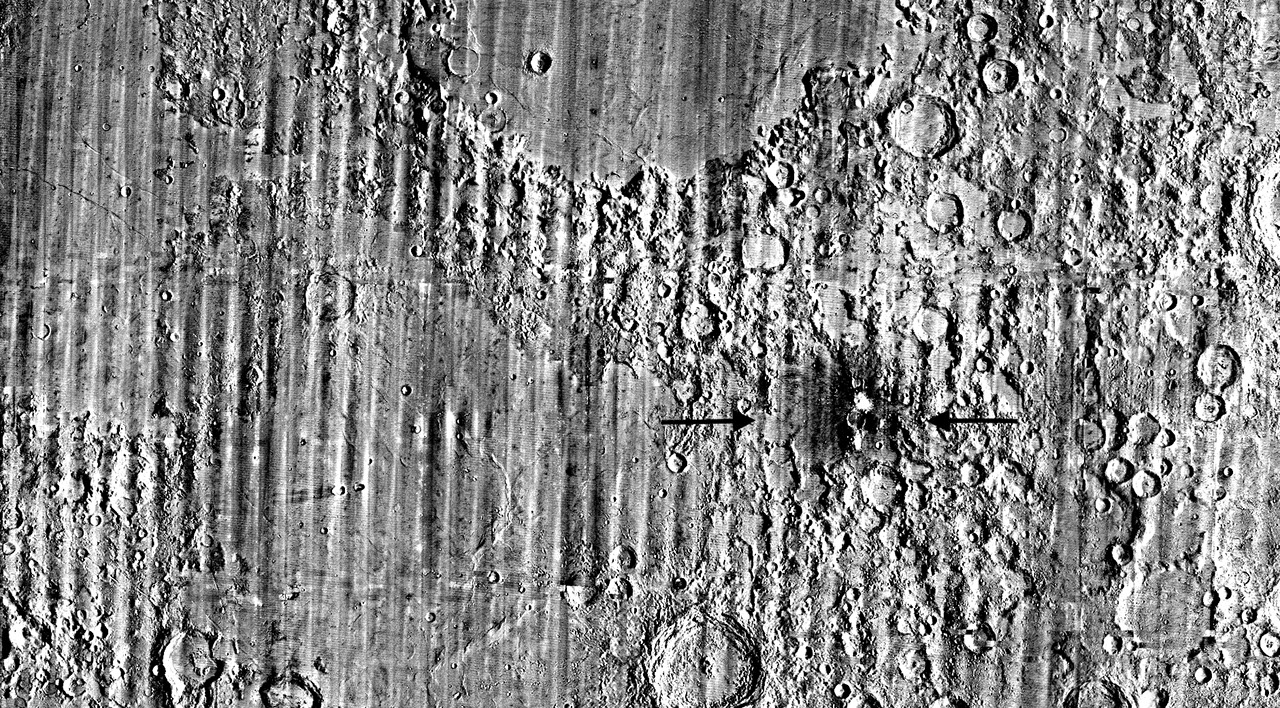
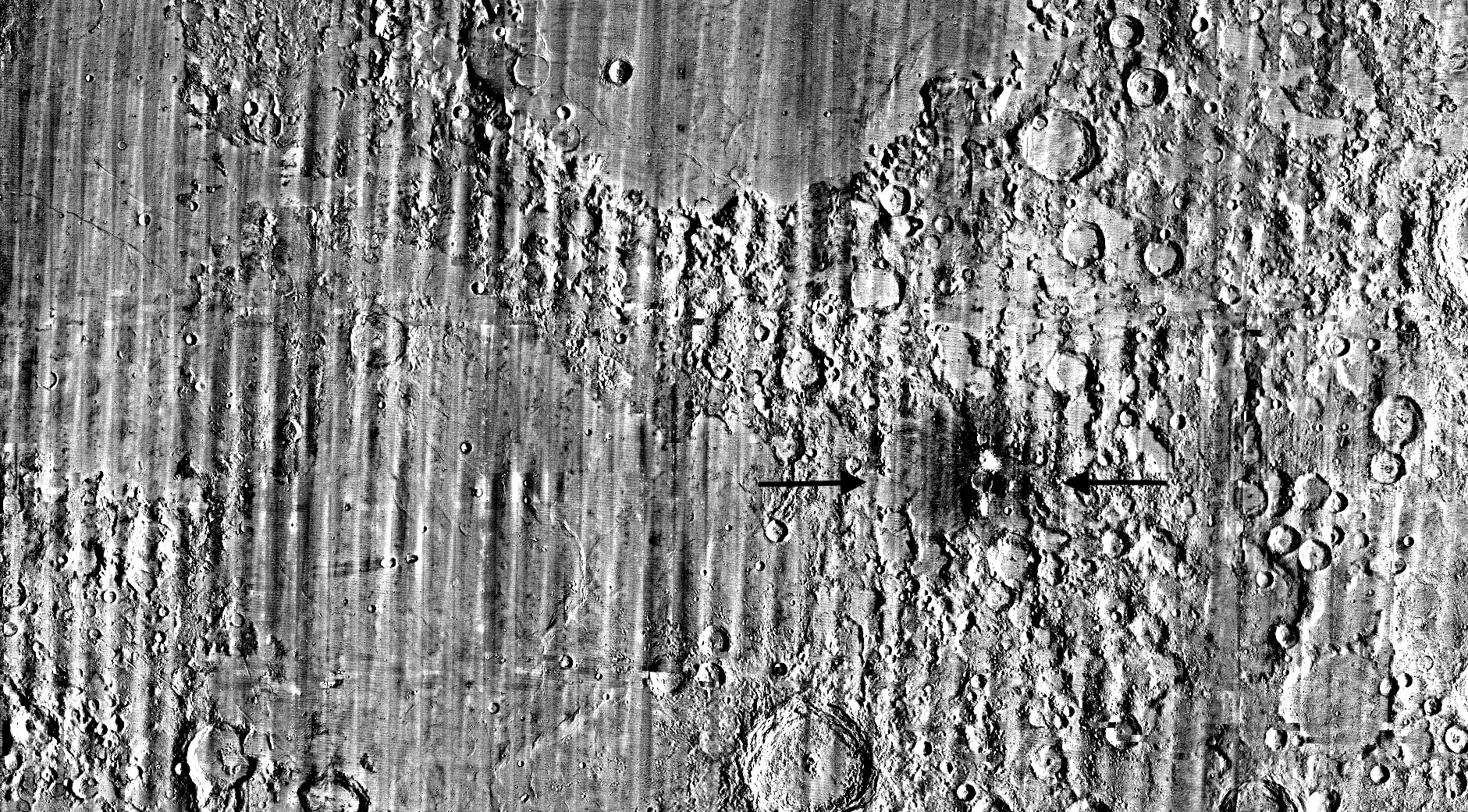
It began as a standard data-integrity protocol within the halls of the Lunar Reconnaissance Orbiter (LRO) mission control, but it concluded as a milestone discovery in planetary science. Robert Wagner, an image-processing specialist at Intuitive Machines working closely with NASA’s Lunar Reconnaissance Orbiter Camera (LROC) team, was performing a routine comparison of global lunar maps when a significant anomaly emerged. Amidst the gray, cratered landscape, a prominent, high-albedo bright spot—encircled by a distinct, dark halo—signaled a recent, high-energy geological event. This discovery, which confirms the formation of a crater now designated "McGetchin," represents the largest impact site ever observed on the Moon by modern orbital surveillance.
The findings, published in the journal Science Advances, serve as a testament to the ongoing utility of the LRO, which has been operational for over 17 years. The identification of the McGetchin crater not only provides a rare look at the mechanisms of lunar surface modification but also underscores the inherent risks and dynamic nature of the Moon’s environment as international space agencies and commercial entities prepare for a sustained human presence.
Chronology of the Impact and Discovery
The formation of the McGetchin crater was not observed in real-time, but rather inferred through high-resolution temporal imaging. Scientists have constrained the window of the impact event to a period between April 11 and May 22, 2024. During this timeframe, a celestial body—estimated to be an asteroid or a cometary fragment ranging from the size of a three-story building to a six-story structure—collided with the lunar surface on the Moon’s eastern edge.
Following the impact, the crater remained undetected until October 24, 2025, when Wagner utilized the LROC Wide-Angle Camera (WAC) data. The discovery process involved a sophisticated computational method: stacking hundreds of "before" and "after" frames to filter out consistent features. By highlighting only the pixels that changed over time, the team was able to isolate the bright debris field and the crater’s central depression.
Once the software flagged the site, the team shifted from wide-field scanning to high-resolution verification. By pivoting to the LRO’s Narrow-Angle Camera (NAC), which offers a resolution of approximately three feet per pixel, researchers were able to characterize the dimensions and morphology of the site. The data revealed a structure 728 feet in diameter and 141 feet deep—a cavity large enough to accommodate three school buses stacked vertically.
Geophysical Characteristics and Data Analysis
The impact that created the McGetchin crater is classified by experts as a "once-in-a-century" event. Because the Moon lacks an atmosphere, it is constantly subjected to a bombardment of space debris. While smaller impacts are frequent—with an estimated 140 craters of at least 30 feet in width forming annually—the scale of the McGetchin impact is anomalous.
The physical consequences of the collision extended far beyond the immediate crater rim. Using the Diviner Lunar Radiometer Experiment, a thermal-mapping instrument aboard the LRO, scientists discovered a four-mile-wide "cold spot" surrounding the impact site. Thermal readings indicated that this area was approximately 16 degrees Fahrenheit cooler than the ambient lunar surface during the night.
This thermal anomaly is attributed to the "fluffing" of the lunar regolith. The kinetic energy of the impact pulverized and redistributed the surface material, decreasing its density and significantly altering its thermal inertia. This finding is particularly significant because it suggests that the footprint of an impact event can have localized, long-term effects on the physical properties of the surface—factors that must be accounted for in the engineering of future lunar rovers and habitats.
The Role of LROC and Ongoing Surveillance
The Lunar Reconnaissance Orbiter Camera system is the primary tool for this type of discovery. Orbiting approximately 60 miles above the lunar surface, the LRO follows a polar trajectory, allowing it to systematically sweep the entire Moon. The LROC suite consists of two Narrow-Angle Cameras for high-resolution monochromatic imagery and one Wide-Angle Camera for multispectral, moderate-resolution mapping.
The discovery of McGetchin highlights the arduous nature of manual data verification. Automated software often generates a high volume of false positives due to shifting shadows, lighting angles, or sensor noise. Robert Wagner noted that identifying real craters requires identifying the specific "splash" patterns of ejecta—the signature fuzzy halos of disturbed regolith that surround a true impact site.
"It was by far the most obvious impact debris pattern I’ve ever seen," Wagner said, emphasizing the visual clarity of the McGetchin site compared to the myriad of smaller, less distinct surface changes processed by the mission team. Since the inception of the LRO mission, scientists have cataloged over 1,000 new impact craters and identified roughly 100,000 minor surface modifications, including landslides, seismic faults, and potential lava tube collapses.
Implications for Future Lunar Exploration
The documentation of the McGetchin crater provides more than just a data point for celestial mechanics; it offers a practical warning for the future of lunar logistics. As NASA’s Artemis program and various commercial ventures look to establish permanent infrastructure, the risk of "space weather" on the lunar surface becomes a critical variable.
- Structural Integrity: The potential for impacts of this magnitude implies that any long-term lunar habitat must be designed to withstand, or be shielded from, not only micrometeoroid impacts but also the secondary effects of larger collisions, such as seismic tremors or the redistribution of regolith.
- Mobility Constraints: The "cold spot" phenomena, where the physical properties of the soil are altered, could affect the mobility of autonomous or crewed vehicles. Changes in surface density can influence traction, power consumption, and the mechanical wear of rover wheels.
- Scientific Value: The ability to map these impacts in real-time allows scientists to study the composition of the lunar subsurface. When a large object strikes the Moon, it acts as a natural drill, ejecting material from beneath the surface that is otherwise inaccessible. By analyzing the debris patterns of the McGetchin crater, researchers can better understand the geological history and material makeup of that specific lunar region.
Official Response and Future Research
While the discovery was reported in Science Advances, the mission team continues to analyze the site. A secondary paper, focusing on the thermal implications of the impact, was released concurrently, providing a comprehensive view of how energy dissipates through the lunar crust.
The LRO mission, managed by NASA’s Goddard Space Flight Center, continues to operate well beyond its original mission parameters. Its longevity has turned it into a "long-baseline" observer of the Moon, capable of detecting changes that would be impossible to identify in a shorter mission window. As the agency advances its goals for human exploration, the data generated by the LRO serves as the foundational "geological weather report" for the next frontier.
The McGetchin crater, named after Tom McGetchin, a pioneering figure in lunar science, now serves as a permanent marker of the Moon’s dynamic interaction with the solar system. For researchers, the crater is a reminder that the Moon is not a static, dead body, but a geologically active surface undergoing constant transformation. As the frequency and accuracy of these observations improve, so too will our ability to safely navigate and inhabit our nearest celestial neighbor.
Related posts: