Hyper Light studio Heart Machine lays off ‘nearly everyone’ after publisher deal for unannounced game falls…

The Anatomy of the Collapse
The decision to terminate the majority of the studio’s staff stems from the sudden withdrawal of a publisher from an unannounced project that had been the primary engine driving Heart Machine’s operations. In a candid message posted to LinkedIn, Alx Preston confirmed that the studio had been relying on this specific partnership to maintain its burn rate and sustain development. When the publisher opted to cease its financial support, Heart Machine was left without the necessary capital to continue its operations or pivot to other projects, forcing an immediate and drastic reduction in personnel.
"We had been working on an unannounced title, funded by a publisher. This week, they decided to no longer move forward with it," Preston wrote. "Without this key income for the studio, any other immediate prospects or other funds, nearly everyone at the studio had to be laid off. It’s devastating."
For a studio of Heart Machine’s size, which relies heavily on external partnerships to fund ambitious, high-fidelity projects, the loss of a primary publisher is often an existential threat. The move underscores the volatile nature of the independent gaming industry, where the financial stability of even highly regarded studios is frequently tied to the shifting priorities of larger publishing entities.
A History of Innovation and Challenge
Founded in 2013 by Alx Preston, Heart Machine initially built its reputation on the success of Hyper Light Drifter, a 2016 action role-playing game that garnered immense critical acclaim for its striking aesthetic, fluid combat, and atmospheric storytelling. The game became a landmark release in the indie gaming space, solidifying Heart Machine’s position as a studio capable of delivering high-quality, memorable experiences.
Following the success of its debut, the studio released Solar Ash in 2021. While it showcased the studio’s technical growth and commitment to unique visual design, the reception was more polarized compared to the near-universal praise heaped upon Hyper Light Drifter. The project, published by Annapurna Interactive, was an ambitious 3D platformer that attempted to iterate on the studio’s established design philosophies, though it struggled to capture the same cultural momentum as its predecessor.
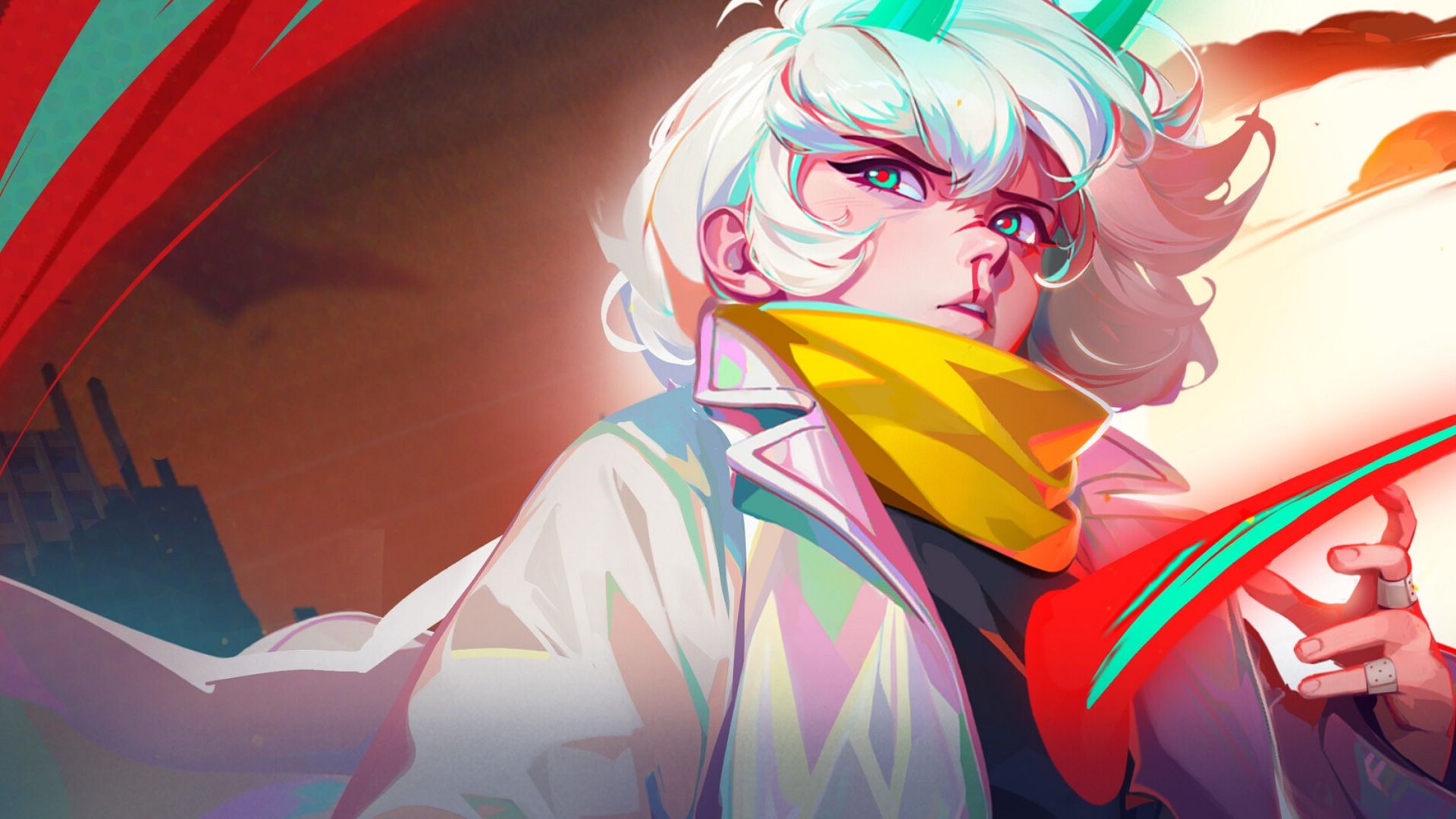
The subsequent years were marked by increasing operational strain. The studio began working on Hyper Light Breaker, an ambitious roguelike successor to its debut title. However, the development cycle for Breaker was marred by turbulence. In 2024, the studio announced that it would cease development of the project while it was still in early access, a move accompanied by a round of layoffs. Shortly thereafter, the studio released Possessor(s), a 2D action-platformer. While the game maintained a "mostly positive" rating on Steam, its commercial performance failed to provide the necessary fiscal cushion to weather the subsequent loss of the publisher for their next, then-unannounced, project.
Industry Context and the Indie "Crunch"
The situation at Heart Machine is reflective of a broader trend currently affecting the independent gaming sector. Since 2023, the industry has seen a massive contraction in available venture capital and a tightening of budgets among traditional publishers. For many mid-sized independent studios, the "middle class" of the gaming industry is disappearing, squeezed between the gargantuan budgets of AAA development and the ultra-low-cost production of solo developers.
When a publisher pulls funding—a phenomenon sometimes referred to as "de-risking"—it leaves the developer with a finished or semi-finished product that has no marketing budget, no distribution support, and no runway to pay employees. Data from industry analysts suggests that the number of layoffs in the gaming sector has spiked significantly in the last 24 months, with over 10,000 roles eliminated in 2023 alone, and the trend has continued into 2025.
Heart Machine’s plight serves as a case study for the fragility of the "work-for-hire" model in the indie space. Even with a strong brand and a catalog of critically respected titles, studios are rarely immune to the macro-economic shifts of the parent companies they partner with.
The Human Cost and Official Response
In the wake of the layoffs, Alx Preston has prioritized the welfare of the departing staff. The studio’s public response has been focused on transparency and support, with Preston explicitly calling on the broader industry to help transition his former team members into new roles.
"Everyone will be provided with as much support as possible, including assisting with placement," Preston stated. "If you know of any roles for extraordinarily talented, kind people, please reach out and we will coordinate."
The studio is currently leveraging its professional network to ensure that its former employees, many of whom have worked on multiple high-profile projects, can find stability in an industry currently struggling with oversupply and reduced hiring budgets. This effort to provide career placement is a common, albeit necessary, protocol for studio leaders attempting to manage the fallout of insolvency or major restructuring.
Looking Ahead: Can Heart Machine Recover?
As of mid-2025, the future of Heart Machine remains uncertain. While Preston has indicated that the studio will continue to search for a path forward, he has been notably transparent about the severity of the current situation. "I’m not sure yet what’s next for Heart Machine to survive," he admitted in his statement.
The studio’s survival will likely depend on three potential scenarios:
- The Acquisition Route: A larger publishing house or media conglomerate could purchase the studio’s intellectual property and remaining talent, essentially absorbing Heart Machine into a larger entity.
- The "Skeleton Crew" Model: Scaling back to a bare-minimum team to maintain existing titles and potentially working on smaller, self-funded projects to generate passive revenue.
- Formal Dissolution: If no new capital can be secured within the next fiscal quarter, the studio may be forced to wind down its corporate operations permanently, potentially licensing its IP out to other developers.
The collapse of Heart Machine’s internal workforce is a sobering reminder that the gaming industry is currently in a period of intense correction. While the creative output of the studio will remain a testament to the talent of its former employees, the administrative and financial collapse highlights the ongoing crisis of sustainability for independent creators in a high-stakes, capital-intensive environment. As the industry watches, the focus remains on the displaced talent and the hope that they find a home in a market that is currently, despite its growth, struggling to provide consistent security to those who create its most beloved experiences.
Related posts: