Huawei has introduced the Router X2 Pro, a wireless networking device with a book-inspired design that departs from conventional router appearances.

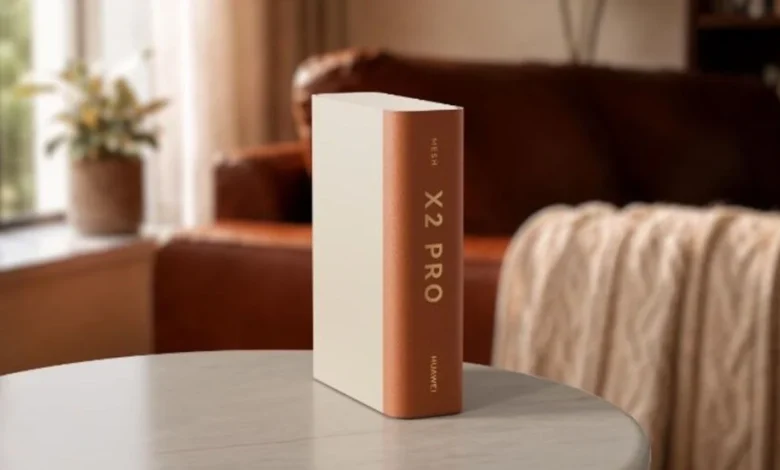
The debut of the Huawei Router X2 Pro marks a significant pivot in the consumer networking market, where functionality has historically dictated form. By housing advanced Wi-Fi 7+ capabilities within a chassis that mimics the aesthetic of a hardcover book, Huawei is attempting to address a common consumer pain point: the unsightly presence of networking equipment in living spaces. The device, which officially launched following recent internal developments at Huawei’s hardware labs, prioritizes interior design integration without sacrificing technical performance.
A Departure from Traditional Hardware Aesthetics
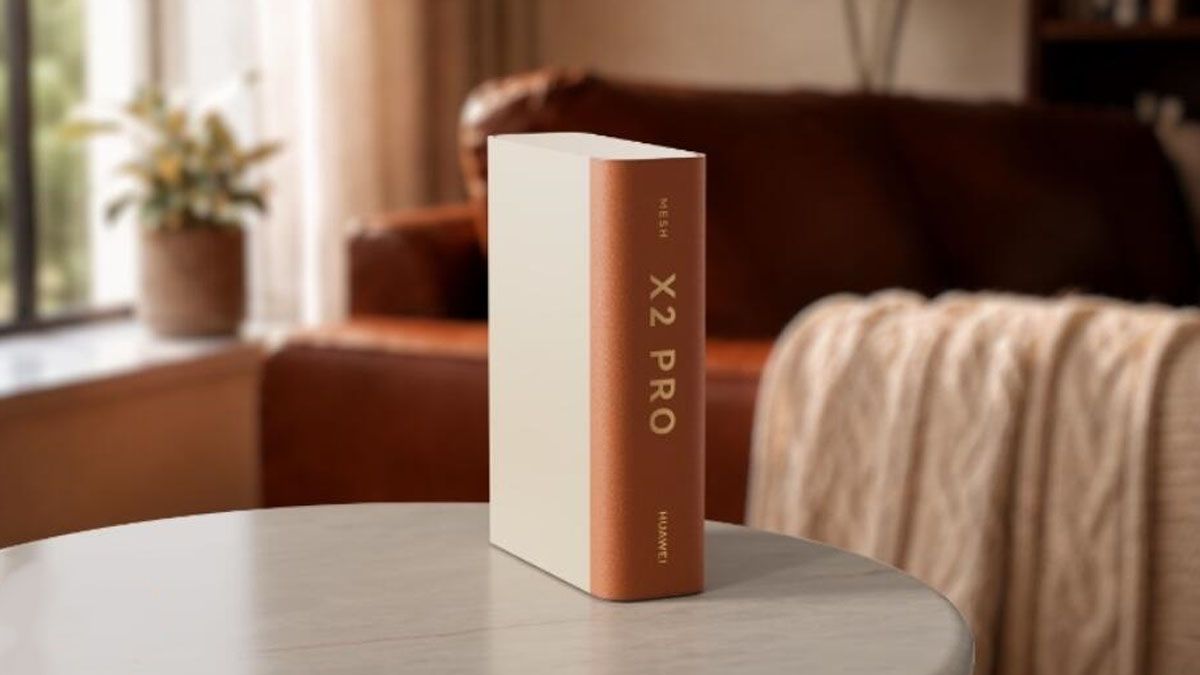
For decades, the standard consumer router has been defined by a utilitarian design language, often featuring exposed, multi-directional antennas, aggressive cooling vents, and blinking status LEDs that can be intrusive in residential environments. Huawei’s Router X2 Pro subverts these expectations by adopting a rectangular, minimalist form factor measuring 191.7 x 51.1 x 141.1mm and weighing 475g. The device is designed to sit unobtrusively on bookshelves or consoles, effectively camouflaging high-performance networking technology as a decorative element.
The customization options extend to the unit’s exterior, which features a magnetic side panel that users can swap to suit their home decor. Huawei has curated a selection of finishes, including Earthy Brown, Oak White, Stone Gray, and Spruce Green. Furthermore, the company has teased the potential for 3D-printed, personalized covers—potentially featuring motifs like pandas, cats, or dogs—though these remain a secondary accessory market for the device. This approach reflects a growing trend among consumer electronics manufacturers to treat hardware as lifestyle objects rather than purely technical tools.
Technical Architecture and Networking Capabilities
Beneath its aesthetic facade, the Router X2 Pro is built upon Huawei’s proprietary Lingxiao 760 series chipset. This architecture is complemented by four high-performance signal amplifiers, which are specifically engineered to optimize wireless transmission in high-density environments. The device supports Wi-Fi 7+ standards, ensuring compatibility with the latest generation of wireless hardware while offering backward compatibility for legacy devices.
A standout feature of the internal configuration is the implementation of dynamic narrowband technology. In laboratory testing, this integration has been shown to reduce latency by up to 80% compared to previous generations, while significantly enhancing signal penetration through structural obstacles such as thick walls or metallic furniture. The inclusion of NearLink technology further stabilizes the connection, providing a 50% improvement in network reliability. By integrating NearLink alongside traditional Bluetooth and Wi-Fi, the router offers a versatile, multi-protocol connectivity suite that reduces compatibility losses and ensures seamless handoffs for resource-intensive tasks like 4K video streaming and low-latency cloud gaming.
Mesh Networking and Intelligent Placement
The Router X2 Pro is designed with the modern, multi-room home in mind. It functions as part of a broader Mesh Wi-Fi ecosystem, allowing users to deploy multiple units to eliminate dead zones. The system’s intelligence is managed through the Huawei Smart Life application, which includes an AI-driven floor plan analysis tool. By uploading a digital map of their home, users can receive AI-generated recommendations for optimal router placement, ensuring that the mesh network is configured for maximum throughput and coverage.
The system also features automated frequency band management. The router continuously monitors the signal-to-noise ratio and traffic density, performing automatic roaming to switch devices between the 2.4GHz and 5GHz bands without requiring manual intervention. For users who prefer a wired backbone, the router supports Ethernet backhaul, providing a flexible installation framework that caters to both novices and power users. Visible status indicators provide real-time feedback on the operating condition of the mesh network, offering a tactile layer of transparency to the otherwise automated system.
Market Context and Strategic Implications
The launch of the Router X2 Pro arrives at a time when the global wireless infrastructure market is undergoing a shift toward "smart home aesthetics." As consumers become increasingly sensitive to the visual clutter caused by home office and networking gear, manufacturers are under pressure to prioritize industrial design. Huawei’s strategy mirrors that of other industry players who have successfully moved routers from the "utility closet" to the "living room shelf."
From a market impact perspective, the X2 Pro is positioned as a mid-to-high-end offering. With a single-unit price of 588 yuan (approximately $88 USD) and a two-unit mesh bundle retailing for 1,108 yuan (approximately $166 USD), Huawei is targeting a demographic that values both performance and design. The secondary market for covers, priced at 99 yuan (approximately $15 USD), suggests a strategy focused on recurring engagement through accessories, a tactic common in the smartphone industry but relatively novel for networking equipment.
Chronology of Development and Availability
While specific regional release dates for global markets remain pending, the initial rollout has focused on the Chinese domestic market. The development phase for the X2 Pro began roughly 18 months ago, coinciding with the broader industry adoption of the Wi-Fi 7 standard. Early testing focused on the integration of the Lingxiao 760 chipset and the thermal management of the compact, book-shaped enclosure. By prioritizing the "form-follows-function" ethos, the engineering team reportedly underwent several design iterations to ensure that the internal antenna array maintained high signal gain despite the physical constraints of the smaller housing.
The official launch announcement, disseminated via Huawei’s central communications channels, emphasized the synergy between the hardware’s "NearLink" capabilities and the AI-driven mesh configuration. This integration signifies a shift in Huawei’s software strategy, moving away from purely technical specifications and toward a user-centric experience defined by ease of installation and aesthetic harmony.
Broader Impact on the Networking Industry
The Router X2 Pro serves as a case study in how hardware manufacturers are attempting to recapture the home environment. As connectivity becomes an essential utility akin to electricity or water, the devices that provide it are being scrutinized more heavily for their visual footprint. By treating the router as a piece of home furniture, Huawei is not only addressing aesthetic concerns but also subtly encouraging users to place their routers in more open, elevated, and central locations—which, ironically, improves wireless performance by reducing obstructions.
If the X2 Pro achieves commercial success, it is likely to trigger a wave of "lifestyle-first" networking hardware from competitors. We can expect to see more devices that utilize modular covers, textile finishes, or sculptural forms in the coming fiscal years. For now, the Router X2 Pro stands as a notable fusion of high-performance wireless engineering and contemporary product design, signaling that the era of the "ugly router" may be drawing to a close.
As the device reaches consumers, industry analysts will be monitoring the real-world performance of the AI Mesh system and the effectiveness of the NearLink technology in cluttered residential environments. Should the hardware prove as capable as its specifications suggest, Huawei will have successfully redefined the standard for what a consumer-grade router can and should look like in the mid-2020s. The company has yet to release a detailed roadmap for international availability, but given the global demand for high-performance, aesthetically pleasing home tech, a wider release remains a distinct possibility for future product cycles.
Related posts: