How to Cure the Sunday Scaries With Three Must-Watch Comfort Movies on Paramount Plus This Fall


The phenomenon known colloquially as the "Sunday scaries"—a pervasive sense of dread, anxiety, or unease that often sets in as the weekend draws to a close and the impending work week looms—has become a widely recognized cultural touchstone of modern professional life. Millions of individuals seek various coping mechanisms to manage this anxiety, ranging from physical exercise and meal preparation to passive digital consumption. Among the most popular and enduring remedies is the pursuit of comforting media, particularly familiar or uplifting cinema designed to provide psychological escape and emotional grounding.
As streaming platforms continue to curate their expansive libraries to capture weekend audiences, Paramount+ has emerged as a primary destination for home entertainment. Following a substantial platform update that introduced more than 120 new titles to its catalog at the start of September—alongside high-profile original programming such as the sophomore season of the gritty crime drama "MobLand"—the service offers a diverse array of cinematic choices. For viewers looking to mitigate end-of-weekend anxiety without settling for mindless fodder, a curated selection of three distinct films provides a balanced mixture of bittersweet drama, nostalgic comedy, and timeless romance.
The Psychology of Comfort Viewing: Balancing Depth and Positivity
The therapeutic value of film viewing has long been a subject of interest among media psychologists and cultural analysts. While traditional definitions of "feel-good" movies often lean toward simplistic plots and predictable, sugar-coated resolutions, contemporary viewing habits suggest that audiences increasingly appreciate narratives that acknowledge the complexities of human existence. A narrative does not need to be devoid of conflict or emotional weight to leave a viewer feeling psychologically restored; rather, stories that address mature themes like grief, midlife transition, and relational friction—provided they offer a resolution characterized by personal growth or emotional clarity—can be remarkably effective at easing the transition into a new week.

This nuanced approach to comfort viewing is reflected in the curation of three standout titles currently streaming on Paramount+: the 2025 homecoming dramedy "Blue Eyed Girl," the iconic 1985 comedic murder mystery "Clue," and the quintessential late-1990s romantic comedy "You’ve Got Mail." Each film approaches emotional restoration through a different narrative lens, offering viewers a strategic escape route from the pressures of impending work-week responsibilities.
‘Blue Eyed Girl’ (2025): Midlife Introspection and Hometown Reconciliation
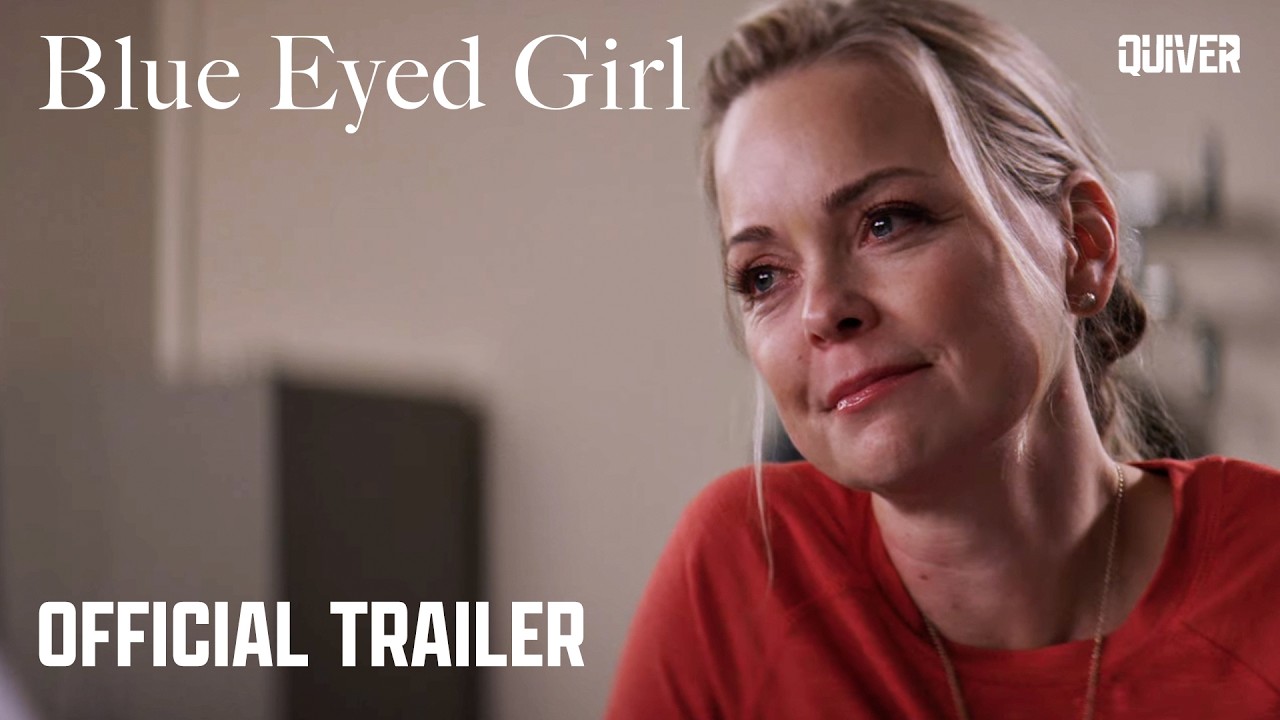
Topping the list of contemporary emotional journeys available on the platform is "Blue Eyed Girl," a 2025 dramedy that explores the delicate intersection of familial obligation, aging, and personal reinvention. Directed with an eye for regional authenticity, the film anchors its narrative in the recognizable, snow-dusted and tree-lined neighborhoods of Minneapolis, providing a visual texture distinct from the polished gloss of traditional Hollywood productions.
The film stars Marisa Coughlan as Jane, a successful yet emotionally detached professional whose life in Los Angeles is abruptly put on hold. Receiving an urgent call from her family, Jane returns to her Midwestern roots following a harrowing event: her father, portrayed with weathered vulnerability by veteran actor Beau Bridges, has attempted suicide for a subsequent time. This crisis forces Jane to confront not only her father’s declining mental health and the anxieties of her own midlife trajectory, but also the unresolved tensions of her familial past.
Supporting performances from Elia Coupe and Bridey Elliott as Jane’s sisters add layers of realistic sibling friction—marked by quick wit, underlying resentment, and deep-seated loyalty. Furthermore, an encounter with a former high school acquaintance, played by Sam Trammell, introduces a poignant exploration of roads not taken.

The narrative operates in the liminal space where "what could have been" collides with the stark reality of "what is." For viewers navigating their own transitional periods or professional burnout, "Blue Eyed Girl" offers a cathartic viewing experience. It validates the messy, non-linear nature of healing and personal growth, proving that emotional uplift is often more resonant when earned through genuine introspection rather than artificial cheerfulness.
‘Clue’ (1985): Nostalgic Chaos and the Art of the Ensemble Comedy
Moving backward through cinematic history, the 1985 cult classic "Clue" offers a very different mechanism for weekend stress relief. While murder mysteries are not traditionally categorized as comfort watches, Jonathan Lynn’s film transcends genre conventions through its relentless pacing, theatrical staging, and sparkling dialogue, cementing its status as an enduring piece of pop-culture nostalgia.
Loosely adapted from the popular Hasbro board game, the film drops six eccentric strangers into a secluded, imposing New England mansion during the height of the Cold War. The gathering is orchestrated by an enigmatic host, Mr. Boddy, whose blackmail scheme quickly backfires, leaving him dead and his guests scrambling to determine the culprit.
The ensemble cast reads as a masterclass in comedic timing. Tim Curry leads the charge as Wadsworth, the frantic, hyper-articulate butler whose physical comedy and deadpan delivery anchor the chaos. He is joined by an elite roster of comedic talent, including Martin Mull as the blustering Colonel Mustard, Eileen Brennan as the caustic Mrs. Peacock, Christopher Lloyd as the disgraced Professor Plum, and Madeline Kahn as the razor-tongued Mrs. White.
Beyond its intrinsic comedic value, "Clue" holds a unique place in cinematic history due to its theatrical release strategy. To replicate the interactive nature of the board game, studios distributed three different endings to various theaters across North America, resulting in audiences comparing notes on which character pulled the trigger in the conservatory or the billiard room. Modern streaming releases, including the version currently hosted on Paramount+, conveniently bundle all three alternate conclusions, allowing viewers to appreciate the intricate writing and structural gymnastics required to pull off such a feat. For fans of classic farce, watching the inhabitants of a gothic mansion trip over one another while bodies accumulate remains an unmatched cure for the Sunday blues.
‘You’ve Got Mail’ (1998): The Enduring Appeal of Analog Romance
No discussion of comforting streaming content would be complete without acknowledging the foundational role of the romantic comedy, a genre whose structural predictability offers viewers a reliable psychological safety net. Among the definitive masterworks of the genre are the collaborations between Tom Hanks and Meg Ryan, whose onscreen chemistry defined studio romantic comedies throughout the 1990s. Following the massive success of 1993’s "Sleepless in Seattle," the duo reunited under the direction of Nora Ephron for 1998’s "You’ve Got Mail," a film that captures a specific, transitional moment in urban culture and technological history.
Loosely based on the 1937 Hungarian play "Parfumerie" (which also inspired the 1940 film "The Shop Around the Corner"), "You’ve Got Mail" casts Ryan as Kathleen Kelly, the idealistic owner of an independent children’s bookstore named The Shop Around the Corner. Hanks portrays Joe Fox, a corporate titan representing a massive big-box bookstore chain poised to open a mega-store nearby, thereby threatening Kathleen’s livelihood.
While the two characters lock horns in the competitive Manhattan retail landscape, they unknowingly seek solace in an early internet chatroom, exchanging witty, intimate emails under the pseudonyms "Shopgirl" and "NY152." As their digital relationship deepens, their real-world rivalry intensifies, creating a dramatic irony that drives the narrative forward.

More than two decades after its theatrical release, "You’ve Got Mail" functions not only as a comforting romance but also as a fascinating historical artifact. The dial-up connection sounds, the chunky desktop monitors, and the early iterations of America Online (AOL) evoke a sense of digital innocence that contrasts sharply with today’s hyper-connected, algorithm-driven communication landscape. Yet, the emotional core of the film—the yearning for genuine connection amidst the anonymity of urban life—remains timeless. The film’s Upper West Side aesthetic, characterized by autumnal foliage, cozy bookstores, and comforting coffee shops, makes it an ideal visual anchor for viewers attempting to mentally construct a barrier against the demands of the upcoming work week.
Industry Implications and Streaming Strategies
The strategic placement of catalog titles alongside high-end original content highlights a broader shift in how major streaming platforms manage subscriber retention. Industry analysts note that while tentpole original series like "MobLand" serve as primary acquisition drivers—attracting new subscribers through high production values and star power—comfort-viewing libraries act as retention anchors. During periods of economic uncertainty and elevated stress levels among consumers, platforms that offer a reliable catalog of familiar, emotionally accessible films often see sustained engagement during off-peak viewing windows, particularly Sunday evenings.
By curating collections that bridge the gap between contemporary indie dramedy ("Blue Eyed Girl"), classic ensemble farce ("Clue"), and nostalgic studio romance ("You’ve Got Mail"), platforms like Paramount+ cater to a wide demographic spectrum seeking psychological respite. As the media landscape continues to evolve, the enduring appeal of these titles demonstrates that comfort viewing is not merely a nostalgic indulgence, but a functional tool for emotional regulation in a fast-paced world.