How Much Does A Makita Battery Cover Cost & What’s The Point Of Using One?

The longevity of modern cordless power tools is inextricably linked to the health of their lithium-ion battery packs. As these energy storage units become more sophisticated, they also become more sensitive to environmental factors, mechanical stress, and electrical short circuits. Makita, a global leader in professional-grade power tools, has long provided optional protective battery covers for its LXT and XGT platforms. While often overlooked by casual hobbyists, these inexpensive accessories serve as a critical line of defense for professionals managing expensive tool fleets. Understanding the utility, cost-benefit analysis, and regulatory implications of these covers is essential for any tradesperson seeking to maximize the return on their equipment investment.
The Anatomy of Battery Degradation and Protection
Lithium-ion batteries are chemical powerhouses, typically designed to provide consistent voltage throughout a discharge cycle. However, they are susceptible to premature failure when exposed to common job site hazards. Makita battery packs, which generally possess an operational lifespan of approximately three years under heavy usage, can succumb to failure much sooner if the terminal pins are compromised.
The primary purpose of a battery cover is to provide a physical, insulating barrier over the electrical interface. The terminals on an 18V LXT or 40V XGT battery are exposed when the pack is detached from a tool or charger. Without a cover, these metallic contacts are vulnerable to "bridging." If a metal object—such as a screw, a stray washer, or a set of keys—comes into contact with both positive and negative terminals simultaneously, it creates a short circuit. This instantaneous release of energy can lead to extreme heat generation, terminal melting, or, in severe cases, thermal runaway and fire.
Beyond the risk of fire, environmental contamination is a significant factor. Dust, moisture, and conductive debris can settle within the terminal cavity, leading to oxidation or intermittent connection issues. By sealing the interface, the cover minimizes the ingress of contaminants, thereby reducing the maintenance required to keep the power delivery stable.
A Chronology of Makita’s Protective Solutions
Makita has maintained a consistent design philosophy regarding its battery ecosystem. The LXT (Lithium-ion Xtreme Technology) platform, launched in the mid-2000s, revolutionized the industry by standardizing a slide-on battery interface. Recognizing the need for protection during transport, the company introduced the 450128-8 LXT Battery Cover, a molded plastic cap designed to snap securely onto the top of the battery pack.
In 2019, as the industry shifted toward high-demand cordless tools requiring more power, Makita introduced the XGT 40V Max system. This platform utilized a completely redesigned terminal interface to handle higher current loads. To accompany this, the company released the 412393-7 XGT Battery Cover. While both covers share the same fundamental goal, their physical dimensions and locking mechanisms are specific to their respective voltage platforms, necessitating that users verify compatibility before purchase.
Market Data and Pricing Analysis
The current market for these accessories is characterized by a mix of OEM (Original Equipment Manufacturer) products and third-party alternatives. According to current retail data from major authorized distributors like The Home Depot and Ace Hardware, the LXT Battery Cover (450128-8) typically retails for approximately $6.50 to $7.00. The XGT Battery Cover (412393-7), owing to its larger footprint and different material requirements, commands a higher price point, often hovering near $20.00.
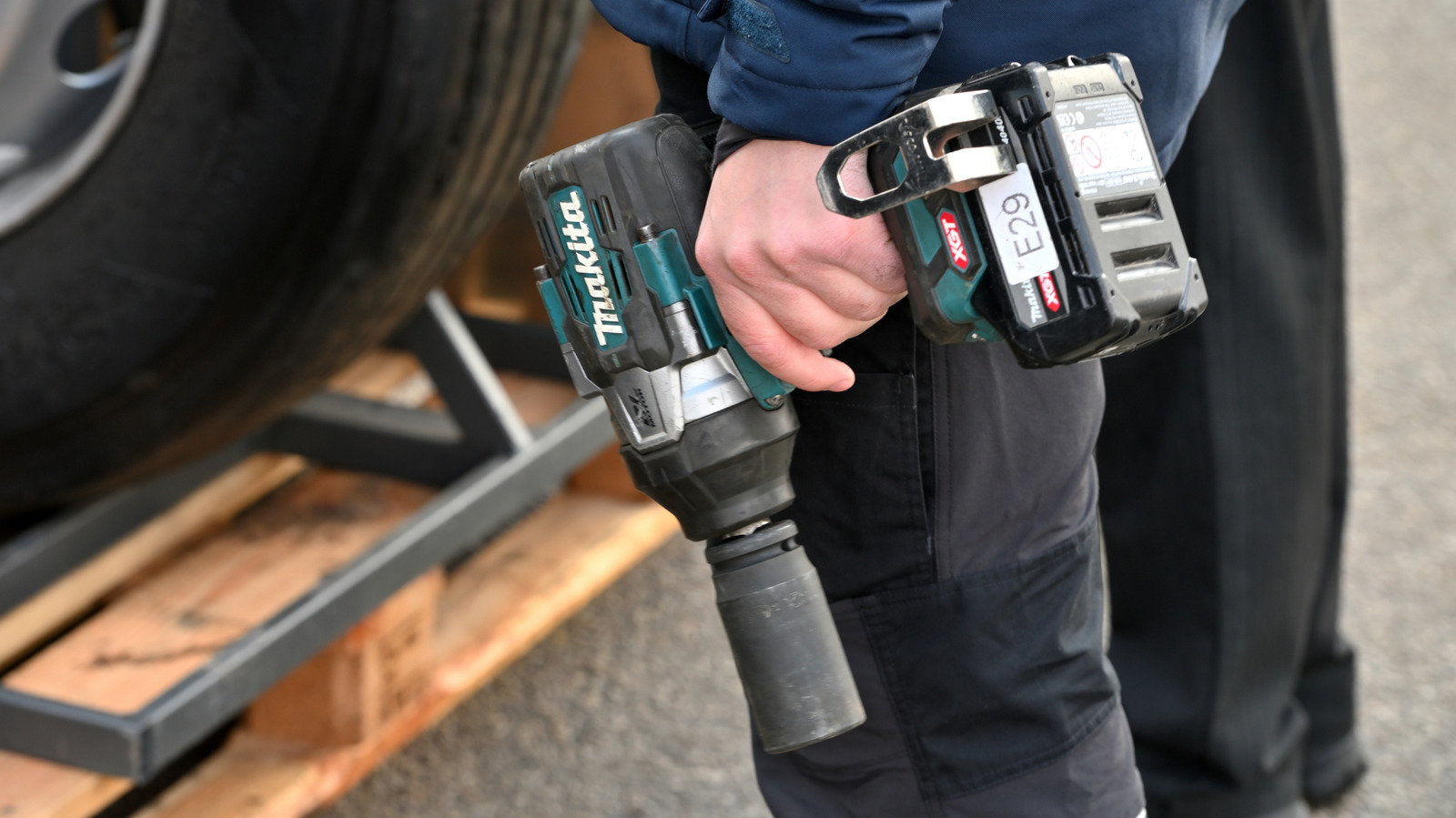
Consumer sentiment, as aggregated through e-commerce platforms like Amazon, reflects a broad consensus: while users recognize the value of these covers, there is a recurring grievance that they are not included as standard equipment with the purchase of a tool kit. Despite this, the LXT cover maintains a strong 4.4-star rating across hundreds of reviews, suggesting that once users invest in the protection, the utility is acknowledged.
Regulatory Compliance and Air Travel
For the professional contractor who travels, the utility of a battery cover transcends simple maintenance—it becomes a matter of regulatory compliance. The International Air Transport Association (IATA) and the U.S. Federal Aviation Administration (FAA) have stringent guidelines regarding the carriage of lithium-ion batteries.
The primary concern for air safety is the prevention of short circuits in the cargo hold or cabin. While power tool batteries are permitted in carry-on luggage, the regulations explicitly state that terminals must be protected. A dedicated, manufacturer-approved battery cover is the gold standard for satisfying these requirements. In the absence of a cover, regulatory bodies permit the use of electrical tape applied over the terminals or the placement of batteries in individual plastic bags. However, for those who fly frequently, the $7 investment in a permanent cover is widely considered a superior, more durable solution compared to the repeated application and removal of adhesive tape.
Broader Industry Implications and Alternatives
The discussion surrounding battery covers has prompted a broader conversation regarding the "right to maintain" equipment. Some long-term Makita users have noted that the material composition of modern covers appears thinner than those produced a decade ago, leading to debates over long-term durability. This perceived shift in quality has opened the door for a robust aftermarket of generic battery caps.
Generic alternatives, often sold in multi-packs, have surged in popularity. A typical aftermarket bundle may offer five LXT-compatible covers for roughly $15, effectively reducing the cost per unit to $3.00. While these generic options are often manufactured from less rigid plastics and may not offer the same "snap" retention as the official Makita components, they fulfill the primary safety requirement: preventing short circuits.
Furthermore, the industry has seen a rise in "system-level" storage solutions. For users carrying large quantities of batteries, professional storage manufacturers such as Milwaukee (with their Packout system) and generic storage brands have introduced specialized battery organizers. These caddies provide individual slots for batteries, which inherently protect the terminals without the need for individual plastic caps. These systems are particularly beneficial for fleet managers who need to perform visual inventory counts and ensure that all batteries are fully charged and accounted for before a shift begins.
Conclusion: The Cost-Benefit Calculus
The decision to purchase an official Makita battery cover ultimately rests on the user’s operational environment. For the casual DIYer, the cost of an official cover may seem unnecessary when simple, low-cost alternatives—such as masking tape or original packaging—exist. However, for the professional contractor or the frequent traveler, the cover represents a negligible insurance policy.
Considering the replacement cost of a single Makita 18V or 40V battery, which can range from $100 to over $250, a $7 protective cap is a remarkably cost-effective strategy. Whether one opts for the OEM version for its precise fit or a generic alternative for its bulk affordability, the fundamental principle remains: the terminal interface is the most vulnerable part of the battery. Protecting this interface is not merely a matter of equipment longevity; it is a critical safety practice that prevents unnecessary site hazards and ensures compliance with global transportation regulations. In an era where cordless technology is the standard, the humble battery cover remains an essential component of professional tool management.