Samsung Galaxy S26 Design Language: Executive Pride Meets User Frustration Over Functionality and Brand Distinction

In a recent assessment that underscores the perpetual tension between design aesthetics and practical functionality in the fiercely competitive smartphone market, Samsung executives have lauded the design of the newly released Galaxy S26 series, declaring it a "perfect score." This self-appraisal, however, stands in stark contrast to growing user and critical feedback highlighting several persistent design flaws that, while seemingly minor, significantly detract from the flagship experience and raise questions about Samsung’s strategic vision for its mobile identity. The company’s steadfast adherence to its established visual language, while fostering brand recognition, appears to be creating friction with modern technological advancements and evolving user expectations.
The Evolution of a "Core Identity": Samsung’s Design Journey

Samsung’s journey to establish a distinct design identity for its Galaxy S series has been a long and deliberate one, marked by several significant evolutionary steps. In the early 2010s, devices like the Galaxy S3 famously embraced "nature-inspired" designs with soft, organic curves, contrasting sharply with the more utilitarian aesthetics of some competitors. This period saw Samsung rapidly iterate, experimenting with various materials and form factors. The mid-2010s brought the era of glass and metal unibodies with devices like the Galaxy S6, signaling a shift towards premium construction. Later, the Galaxy S8 introduced the "Infinity Display," pushing bezels to their limits and establishing the tall, narrow screen aspect ratio that has since become a staple.
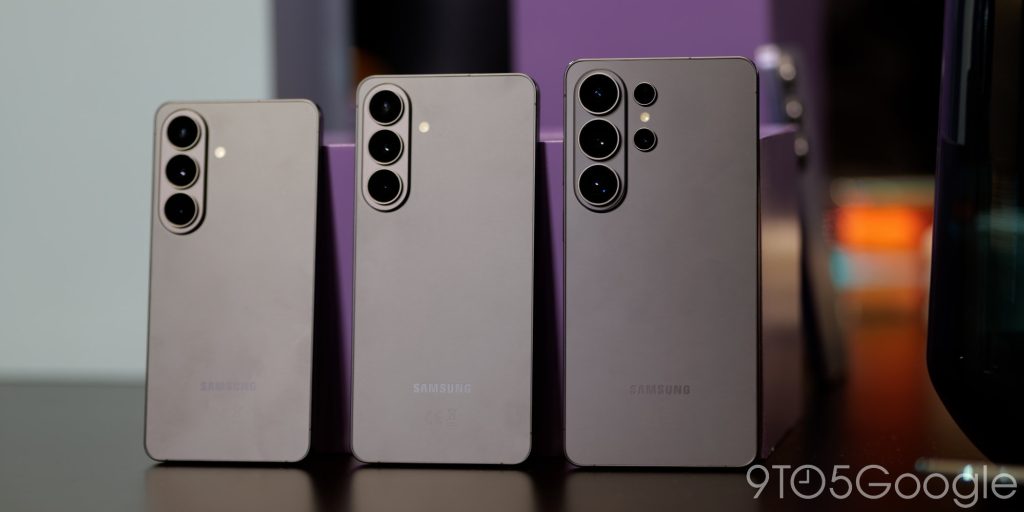
For years, the Ultra models, initially derived from the beloved Galaxy Note series, maintained a slightly different, more angular aesthetic, often incorporating the S Pen directly into their chassis. This subtle distinction allowed the Ultra to stand out as the ultimate productivity powerhouse within the Galaxy lineup. However, with the Galaxy S26 series, Samsung has fully unified its design language across the entire trio – the standard S26, S26+, and S26 Ultra. This strategic decision involved shedding whatever lingering "Note DNA" remained in the Ultra model, resulting in a cohesive visual identity across the flagship range. The immediate outcome is a consistent aesthetic characterized by rounded corners, expansive-yet-tall displays, and a distinctive vertically arranged triple-lens camera system positioned on the left side of the device’s back panel.
This unified approach extends beyond the flagship series. With the exception of its innovative foldable devices, nearly every recent Galaxy-branded phone launched by Samsung, from mid-range A-series models to the premium S-series, now adheres to this core design template. This widespread adoption is precisely what Samsung VP and head of the mobile design team, Lee Il-hwan, referenced when he described the vertically stacked triple-camera module as "the core identity of the Galaxy." Similarly, Samsung SVP Lee Ji-young, in an interview with ChoSun, expressed immense pride, stating he would "give the [Galaxy S26] product design a perfect score." Ji-young highlighted specific elements such as the "optimal corner curvature" of 7R (indicating a 7mm radius curve), noting its consistent application even in the design of the integrated S Pen. This consistency, Samsung argues, fortifies brand recognition and conveys a singular, premium image across its diverse portfolio.
Aesthetic Triumph or Functional Compromise? The User Perspective
While executive statements champion the design as a pinnacle of Samsung’s aesthetic philosophy, the practical user experience reveals a more nuanced picture. From a reviewer’s standpoint, the base model Galaxy S26, having been in use since its Unpacked unveiling, is acknowledged as a "solid, dependable phone." The reviewer, accustomed to primarily using Google Pixel devices, initially found the S26’s lighter chassis and slimmer profile a welcome change. This initial positive impression underscores the ergonomic benefits of Samsung’s design choices, making the device feel less cumbersome than, for instance, a Pixel 10a, which felt "as thick as a brick," or the mainline Pixel 10, described as "shockingly heavy."
However, this initial appreciation for the S26’s physical ergonomics soon gives way to a deeper critique of the broader design language. The unified look, while intended to solidify brand identity, inadvertently creates a sense of anonymity. This is not merely a subjective aesthetic preference; it carries significant implications for brand positioning and perceived value.
The Challenge of Distinction in a Saturated Market
One of the most salient criticisms leveled against Samsung’s current design philosophy is its inability to clearly differentiate flagship devices from their more affordable counterparts. The prevailing design language, applied liberally across the S-series and many A-series models, means that a quick glance at the back of a phone often makes it difficult to discern a premium $1,100 device from one half its price. This stands in contrast to strategies employed by competitors like Google and Apple. For example, Google’s Pixel 10a, while sharing the distinct camera bar, often uses different materials or finishes that subtly signal its mid-range status without sacrificing brand recognition. Apple, similarly, has historically maintained clear visual distinctions between its standard iPhone models and the more premium Pro variants, and even between its mainline phones and the "e" or "SE" iterations. This allows consumers to immediately identify a device’s tier, reinforcing its perceived value.
Samsung’s approach, while theoretically cementing its design as both unique and iconic by making it ubiquitous, risks diluting the premium appeal of its flagship offerings. In a market where visual cues are often the first point of interaction, an "anonymous" design can hinder the immediate recognition and aspirational appeal traditionally associated with high-end smartphones.
Adding to this challenge is the increasing convergence of smartphone aesthetics across the industry. Notably, even Apple, Samsung’s fiercest rival, has adopted a two-camera design for its recent base model iPhones (e.g., iPhone 17e) that bears a striking resemblance to elements of Samsung’s vertical camera layout. Apple attributes this shift to enabling features like Vision Pro-compatible video recording, but the practical outcome is that Samsung’s previously distinct design now appears all too similar to its competitors, further eroding its unique visual territory. This unexpected convergence means that Samsung’s efforts to cultivate a unique identity through consistent design are being undermined by parallel developments in the market.
Functional Flaws: The Wobble and the Wireless Charging Woes
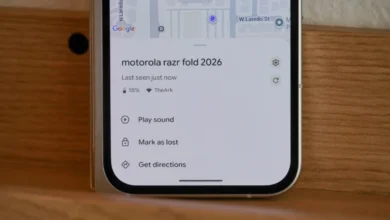
Beyond the subjective matter of aesthetic distinction, the Galaxy S26’s design manifests in concrete functional drawbacks that directly impact user experience. Foremost among these is the persistent issue of "camera wobble." The vertical arrangement of prominent camera lenses, while central to Samsung’s "core identity," results in an uneven back surface that causes the device to rock back and forth when placed on a flat surface. This seemingly minor inconvenience becomes a source of significant frustration during daily use, particularly when typing messages, navigating apps, or interacting with the screen while the phone rests on a desk or table.
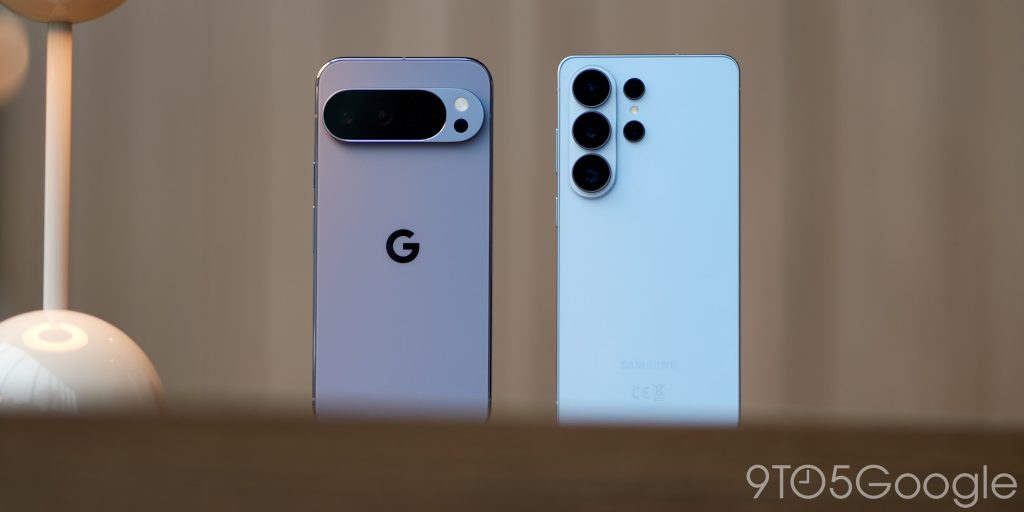
This problem is not new to the smartphone industry, but many competitors have found innovative solutions. Google, for instance, introduced its distinctive camera bar design with the Pixel 6, which has since seen several generations of refinement through the Pixel 10. The camera bar, by extending across the width of the phone’s back, effectively distributes the bulk of the camera module, creating a balanced surface that eliminates wobble. This ingenious solution has been widely praised and has even inspired design elements in other devices, with the article noting that the "iPhone Air, iPhone 17 Pro, and even Samsung’s own Galaxy S25 Edge all carry a little bit of Pixel DNA in their respective lens layouts." Google’s success lies not just in the lens layout, but in the holistic design of the camera visor, lens cover, and matching two-tone aesthetics, culminating in a functionally superior and visually distinct identity that stands up to imitation. Samsung’s adherence to its vertical "pill" design, however, continues to perpetuate the wobble problem, making its devices "more wobbly than ever," according to the review. Rotating the lenses 90 degrees or adopting a more integrated camera module could mitigate this, but such a change would violate the company’s current design "ideals."
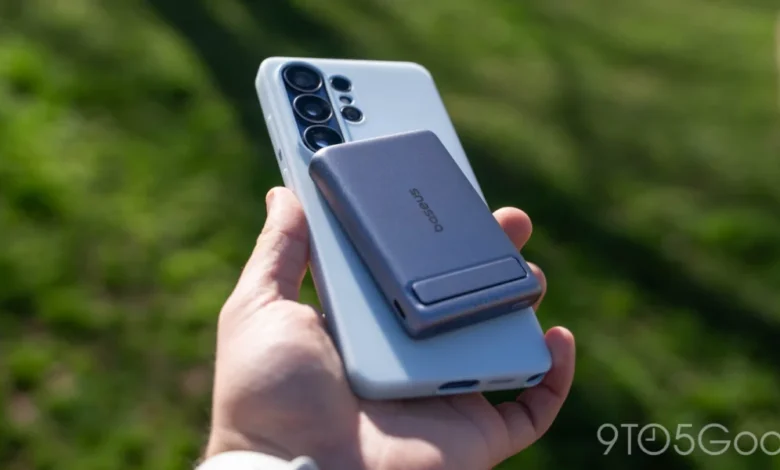
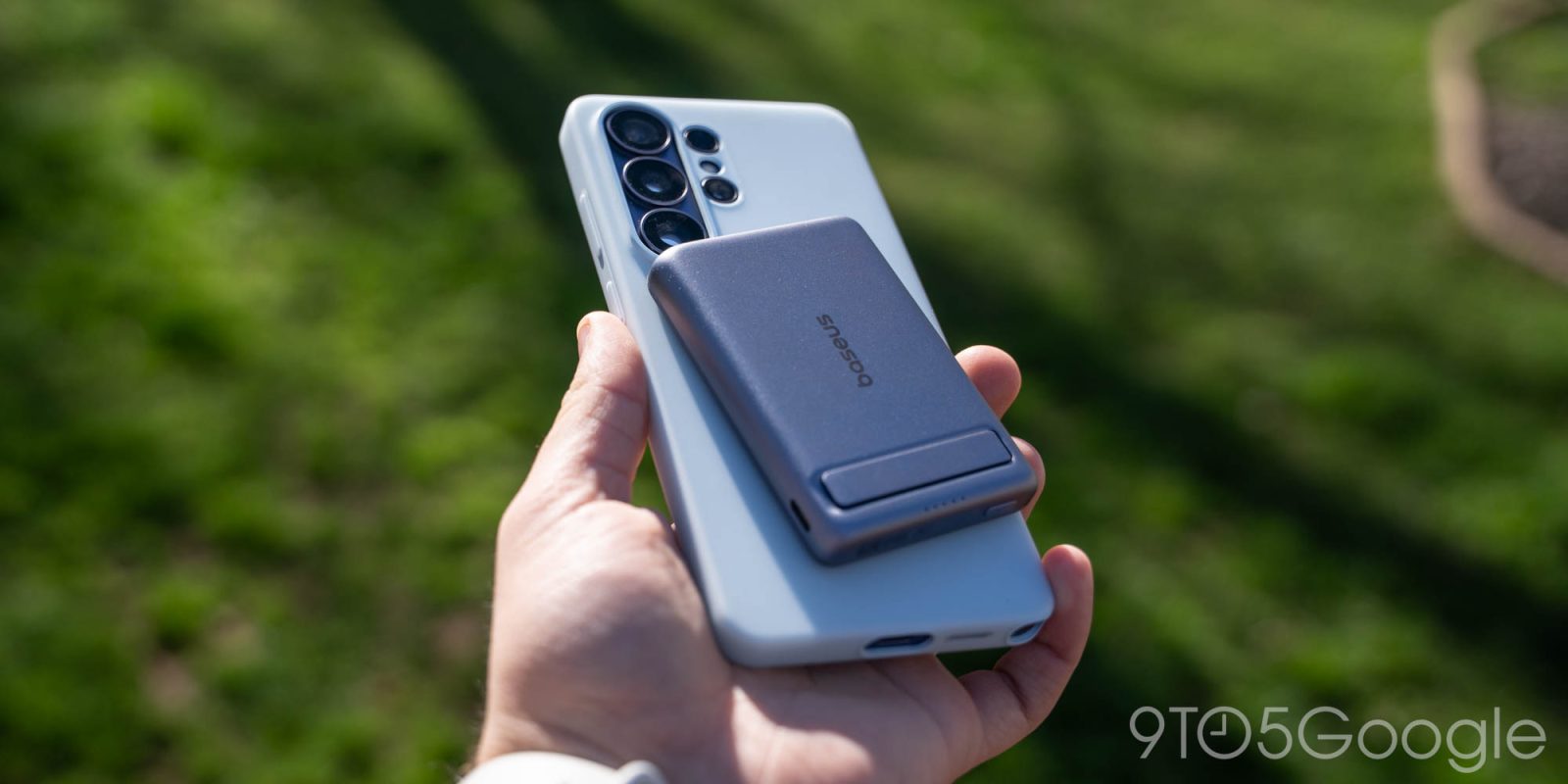
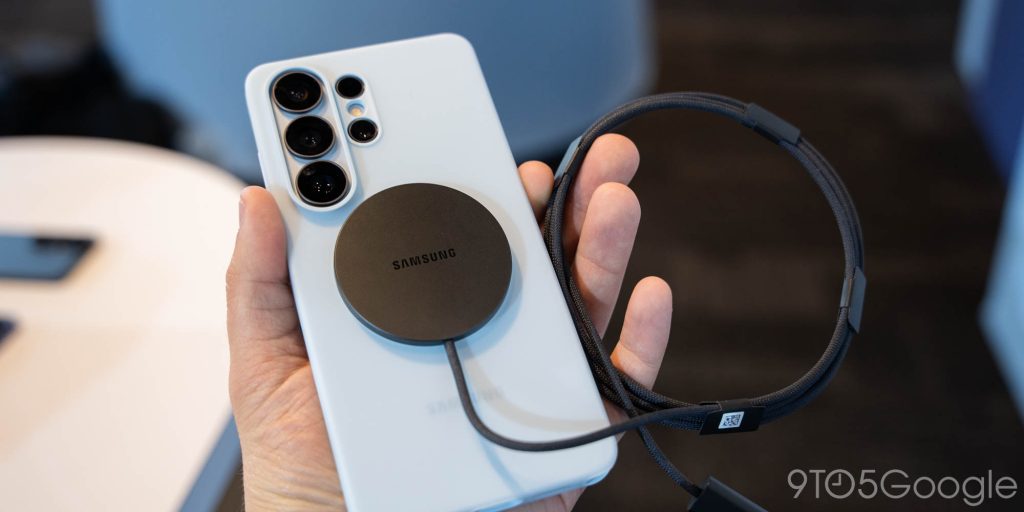
Perhaps the most glaring functional shortcoming tied to Samsung’s design is its impact on Qi2 wireless charging support. Qi2, the latest iteration of the wireless charging standard, builds upon Apple’s MagSafe technology by incorporating magnetic alignment. This ensures optimal charging efficiency, faster speeds, and a more secure connection between the device and the charger. Despite the industry moving towards this superior standard, Samsung once again opted against including built-in support for Qi2 magnetic wireless charging in the Galaxy S26 series. This decision forces users to rely on "first and third-party cases" to add this functionality after purchase.
This reliance on external accessories creates a cascade of user frustrations. As the reviewer highlights, habit often leads users to attempt charging their caseless S26 with Qi2-enabled accessories, only to be met with disappointment. Even when a supported case is used, the design of the vertical camera module interferes with proper alignment for certain accessories. Wallets, Pop Sockets, and various charging pucks frequently encounter issues, with the lowest lenses on Samsung’s camera pill preventing a secure and consistent magnetic connection. This misalignment not only hinders the user experience but also impacts performance, making it difficult to maintain a consistent 25W charging speed, a critical feature for rapid power replenishment. The necessity for "first-party accessories engineered around these shortcomings" implies a reactive approach to design, where functional compromises are addressed by proprietary solutions rather than integrated design improvements.

Broader Implications and the Path Forward
The design philosophy adopted for the Galaxy S26 series, while rooted in a desire for strong brand identity, presents several critical implications for Samsung and the broader smartphone market. For Samsung, the risk is multi-faceted:
- Market Share Erosion: If competitors consistently offer superior functional designs that address common pain points like camera wobble and integrate cutting-edge features like Qi2 seamlessly, Samsung risks alienating a segment of its user base.
- Perceived Innovation Lag: In an industry defined by rapid technological advancement, a reluctance to adapt core design elements to accommodate new standards can position a brand as slow to innovate, even if its internal components are top-tier.
- Accessory Ecosystem Challenges: By creating design constraints that necessitate specialized accessories, Samsung indirectly complicates the third-party accessory market and potentially increases the overall cost of ownership for users seeking optimal functionality.
The ongoing debate surrounding the Galaxy S26’s design underscores a fundamental tension in product development: how to balance established brand identity and aesthetic continuity with the imperative for functional innovation and user-centric design. While Samsung’s executives proudly score their design a "perfect ten," the practical realities of the S26’s use reveal imperfections that are, frustratingly, "fixable."

Features like Qi2 did not exist in their current form when Samsung initially solidified its current design language. However, the smartphone landscape evolves at an unprecedented pace, and what was once an acceptable or even innovative design choice can quickly become a liability if not adapted. Google’s Pixel line serves as a testament to how a unique and functionally sound design can become an iconic differentiator. Apple’s design shifts, even if for different reasons, highlight the dynamic nature of market trends and competitive pressures.
Samsung’s continued adherence to a design that creates functional compromises, particularly around wireless charging and device stability, suggests a prioritization of visual consistency over practical user experience. While brand identity is undeniably valuable, and a consistent aesthetic can foster loyalty, it cannot come at the expense of fundamental usability. The expectation for a flagship smartphone in 2026 includes seamless integration of modern technologies and an ergonomic design that doesn’t introduce avoidable frustrations. Samsung’s decision-makers face the challenge of evolving their "core identity" without sacrificing the practical excellence that users expect from a premium device. To dismiss these emerging functional challenges, particularly when competitors are actively addressing them, feels like a stance that is more dismissive of future possibilities than is advisable for a leading technology innovator. The market will ultimately judge whether a "perfect score" in aesthetics can truly compensate for practical shortcomings.