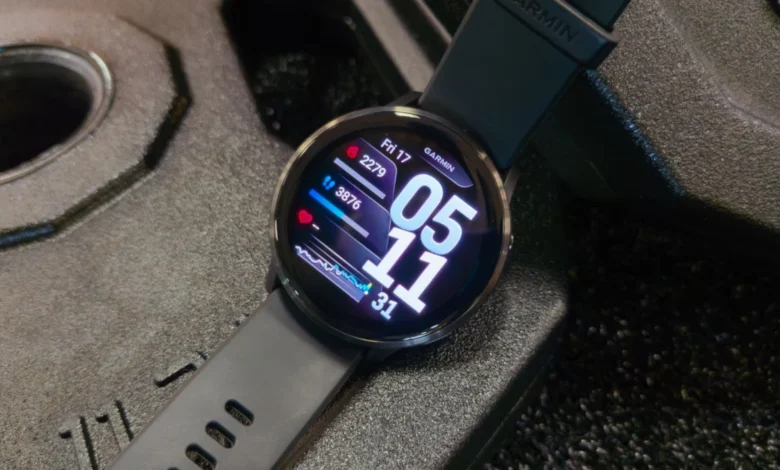
Garmin has officially launched its comprehensive fall software rollout, delivering a robust suite of new features, safety enhancements, and performance metrics to a broad range of its premier smartwatches and cycling computers. As the wearables market continues to place an increased emphasis on holistic health tracking, safety infrastructure, and hyper-personalized training feedback, Garmin’s latest update represents a significant step forward for the brand’s entire ecosystem.
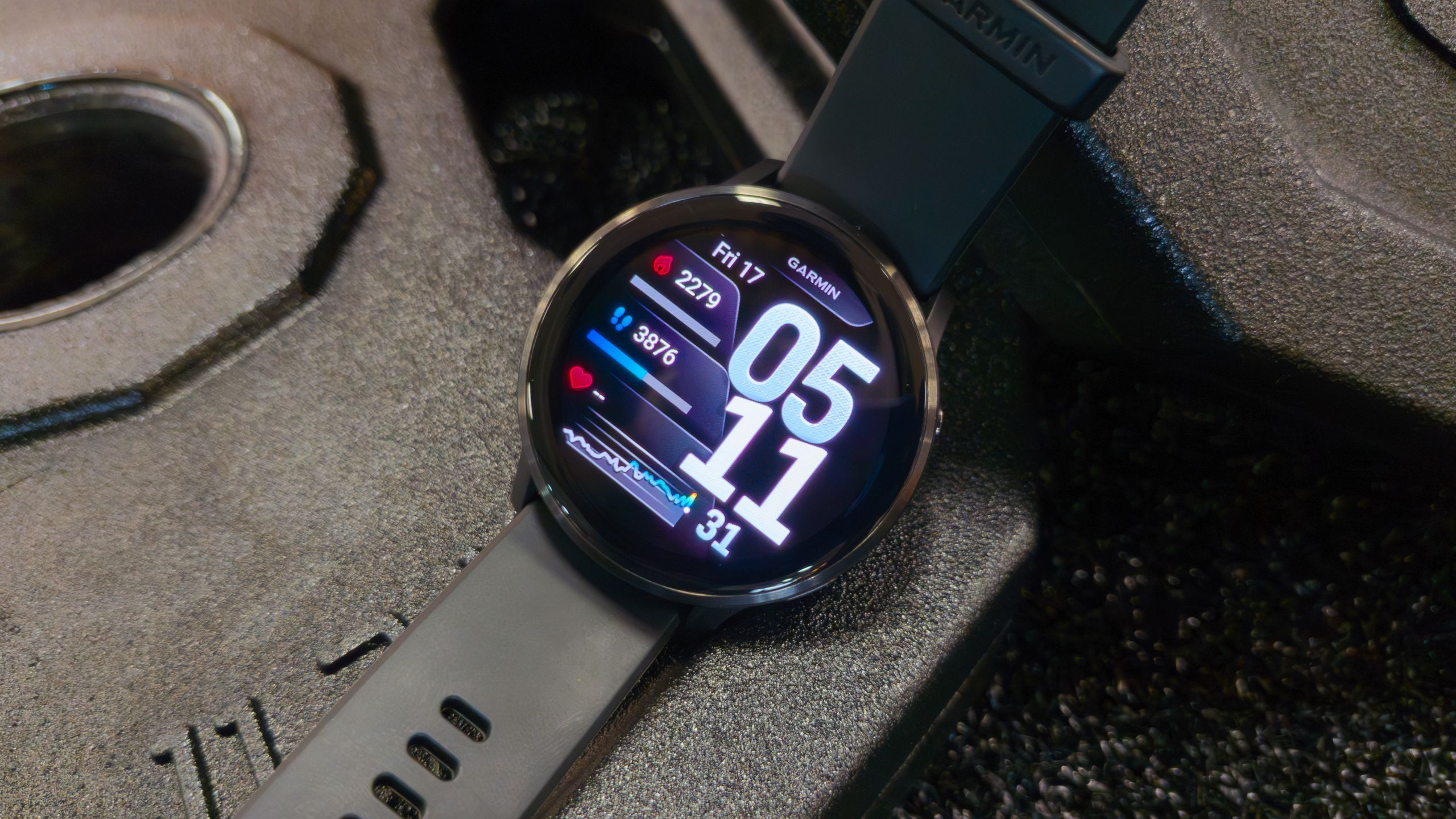
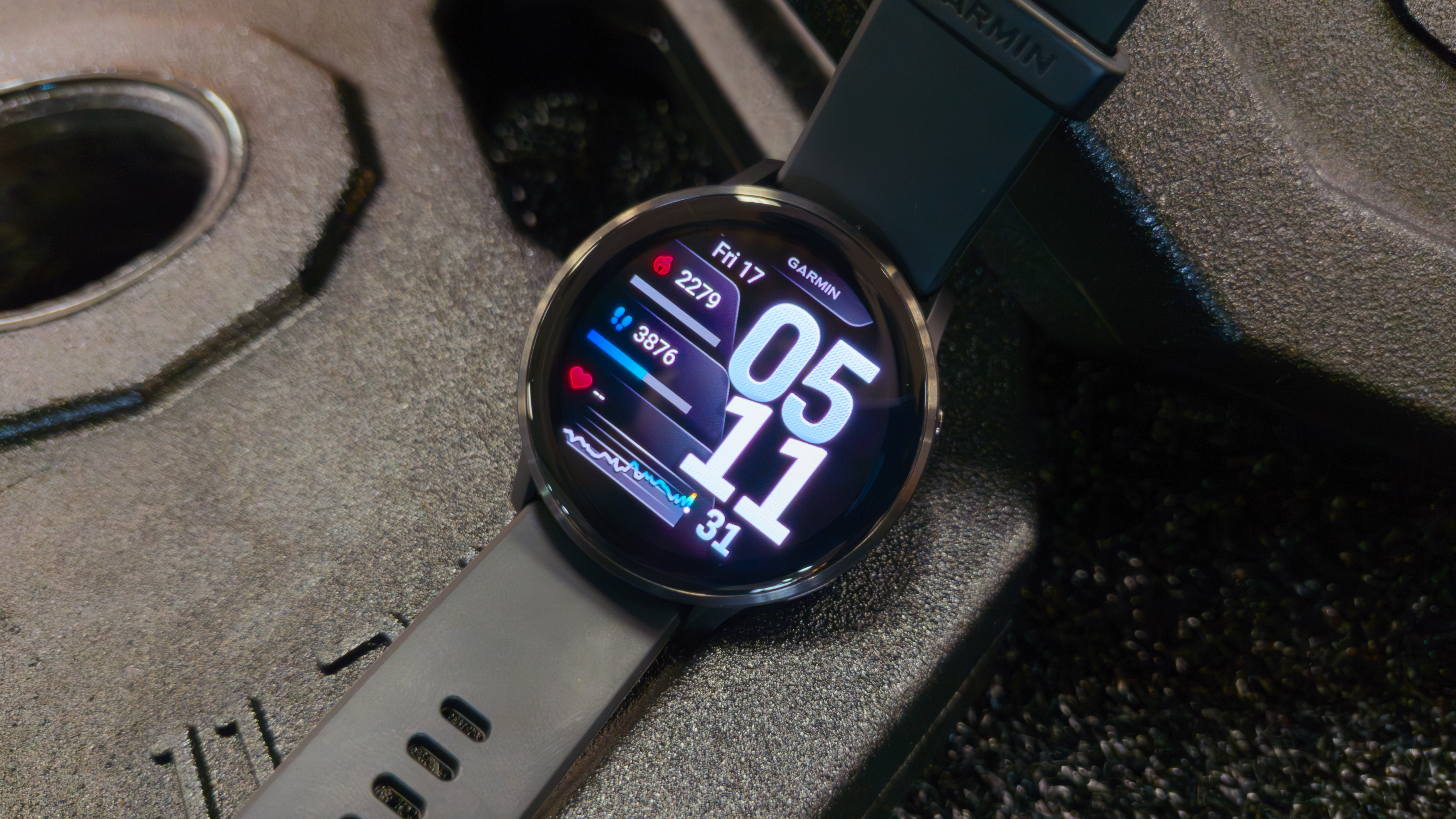
The latest firmware distribution targets several flagship and mid-tier devices across Garmin’s most popular lineups. Among the primary beneficiaries of this seasonal software refresh are the Fenix 8 series, the Forerunner 570, the Forerunner 970, the Venu 6, and the Vivoactive 6. By pushing these advanced capabilities to existing hardware via over-the-air updates, Garmin continues to solidify its reputation for extending the lifecycle and value proposition of its devices long after their initial retail launch.
Main Facts and Ecosystem Integration
The cornerstone of this major release is the introduction of several long-awaited safety and accessibility tools, alongside deep performance enhancements tailored for runners, endurance athletes, and cyclists.
Chief among the safety additions is the arrival of fall detection technology for the Venu 6. This critical feature, which has long been a staple of competing platforms like Apple Watch and various Wear OS devices, utilizes the smartwatch’s internal accelerometer and gyroscope to automatically detect hard, sudden impacts characteristic of a severe fall or accident. Once triggered, the Venu 6 can automatically transmit the user’s real-time geographic location to pre-designated emergency contacts via a paired smartphone, offering an essential layer of personal security for runners, hikers, and daily commuters alike.
In addition to safety capabilities, Garmin has integrated hands-free voice controls across several compatible models. By invoking the new "OK Garmin" voice command, users can interact with their devices to execute specific commands, check key metrics, or navigate through menus without needing to manually touch the watch face—a valuable utility for athletes whose hands are occupied during intense workouts or heavy lifting sessions.
Enhanced Training and Performance Analytics
Garmin has long been a dominant force in the endurance sports tracking space, and the fall software update doubles down on this core competency by introducing sophisticated training aids.
The update delivers fully personalized running workouts alongside an expanded, highly adaptive Garmin Run Coach plan. Unlike static workout schedules, these adaptive programs dynamically adjust training loads, recovery intervals, and intensity targets in real-time based on the user’s ongoing performance data, physiological recovery markers, and overall progress trends. This ensures that athletes can optimize their conditioning while mitigating the risk of overtraining or injury.
For users tracking endurance metrics on devices such as the Forerunner 970, the software introduces granular data visualization tools—including advanced charts illustrating acute impact load miles, user tolerance thresholds, and actual mileage accumulation. These metrics provide a comprehensive view of skeletal and muscular stress, helping athletes fine-tune their pacing and volume safely.
Expansion to Cycling Computers
Garmin’s software update is not limited strictly to wrist-worn wearables. The company has simultaneously deployed a specialized update for its Edge series of dedicated cycling computers.
Among the standout features for cyclists is the introduction of automatic climb and descent detection, coupled with automated data field switching. When a rider approaches a significant elevation change, the Edge device dynamically alters its display to highlight relevant climbing or descending metrics, such as gradient, elevation profile, and vertical speed, allowing cyclists to maintain focus on the road ahead without manually cycling through data screens.
Chronology and Deployment Timeline
The rollout of the fall software package began earlier this week and is currently progressing across global markets. Because Garmin typically employs a staged deployment strategy to monitor server loads and ensure firmware stability, the update may not immediately appear on every user’s device simultaneously.
Users seeking to access the new features promptly can manually check for the update by opening the Garmin Connect application on their paired smartphone and navigating to the device settings menu. Garmin advises that if the update does not populate immediately, users should allow a brief window of a few days for the notification to propagate across the regional servers.
Industry Implications and Market Impact
The introduction of robust fall detection to the Venu 6 closes a feature gap that previously separated Garmin’s lifestyle-oriented fitness watches from mainstream smartwatches produced by Apple, Samsung, and Google. While Garmin has traditionally catered heavily to dedicated athletes and outdoor adventurers through rugged series like the Fenix and Forerunner, expanding critical safety infrastructure to lifestyle-focused lines like the Venu and Vivoactive broadens the brand’s appeal to casual health-conscious consumers.
Furthermore, the evolution of Garmin’s adaptive coaching algorithms highlights a broader industry-wide shift toward artificial intelligence and machine learning in personal fitness. By moving away from rigid, pre-programmed training routines and toward dynamic systems that respond organically to sleep quality, stress, and physiological recovery data, Garmin is meeting the growing consumer demand for hyper-personalized health insights.
As competition within the smartwatch and fitness tracking sector intensifies, updates of this magnitude underscore Garmin’s strategy of continuous ecosystem development. By enriching existing hardware with enterprise-grade safety tools and advanced coaching metrics, the company aims to retain its fiercely loyal user base while continuing to attract athletes and everyday users seeking reliable, long-term health monitoring solutions.