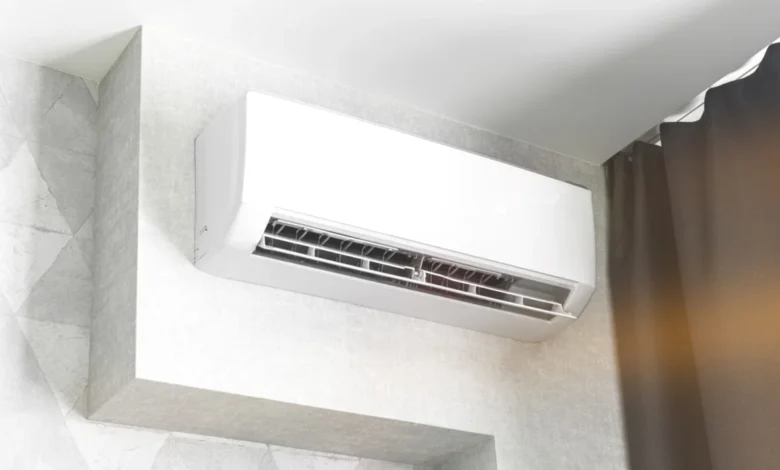
Transitioning to solar-powered home cooling represents one of the most significant shifts in residential energy management in the modern era. As homeowners increasingly seek to reduce their carbon footprint and mitigate the rising costs of traditional electricity, the pairing of ductless mini-split heat pumps with photovoltaic (PV) solar arrays has become a gold standard for energy-efficient living. Unlike traditional central HVAC systems that rely on expansive ductwork—often prone to significant thermal loss—mini-split systems offer a modular, highly efficient alternative. Understanding the precise relationship between the cooling load of these units and the energy generation capacity of solar panels is essential for any homeowner planning a transition to sustainable climate control.
The Evolution of HVAC Efficiency
To understand why mini splits are the preferred partner for solar energy, one must look at the technological evolution of heating and cooling. For decades, residential HVAC was dominated by centralized, forced-air systems. These systems, while effective, often lose between 20% and 30% of their energy through leaky or uninsulated ductwork. Furthermore, older compressor technologies operated on an "all-or-nothing" cycle, consuming maximum power even when only a light cooling load was required.
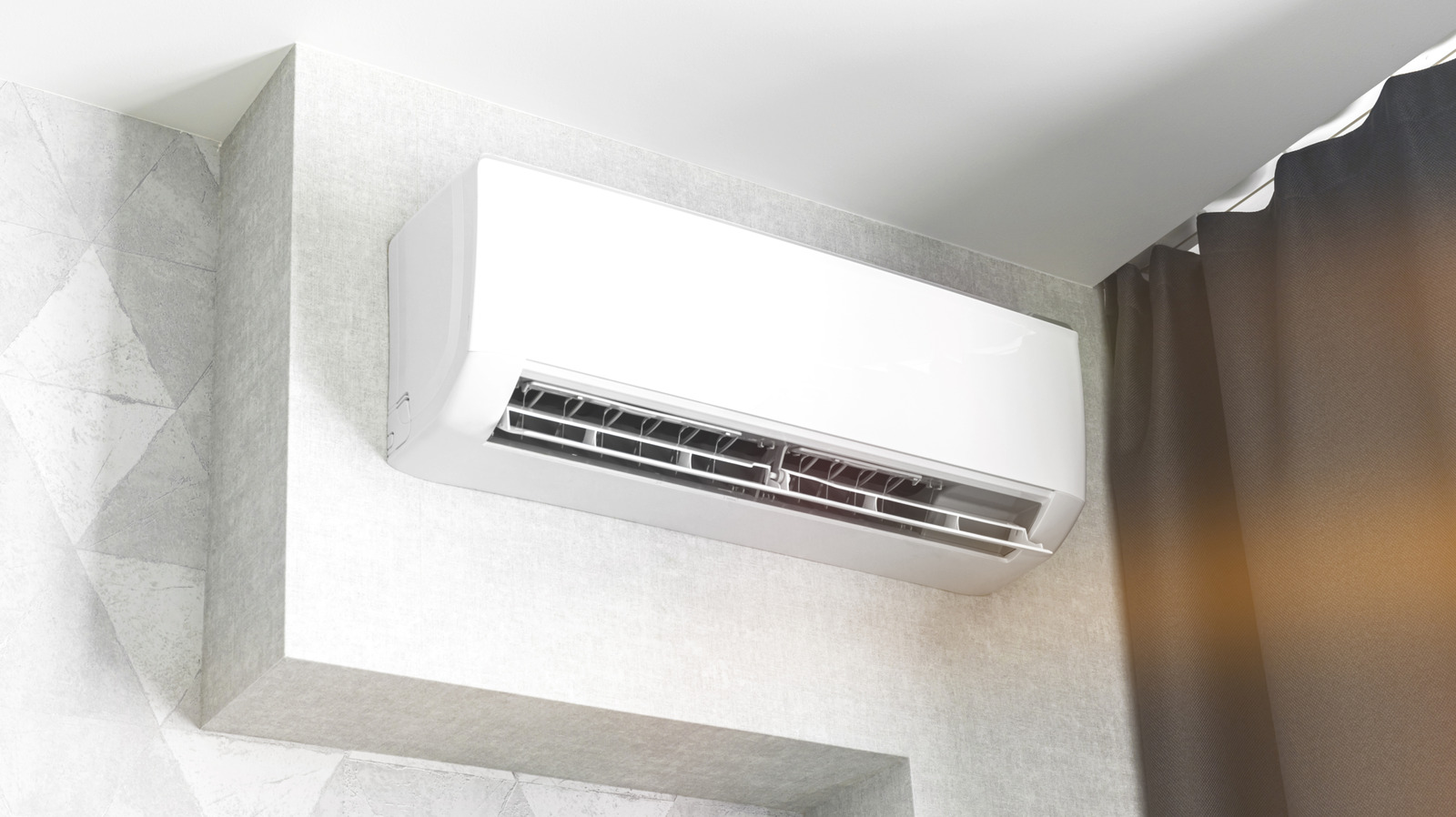
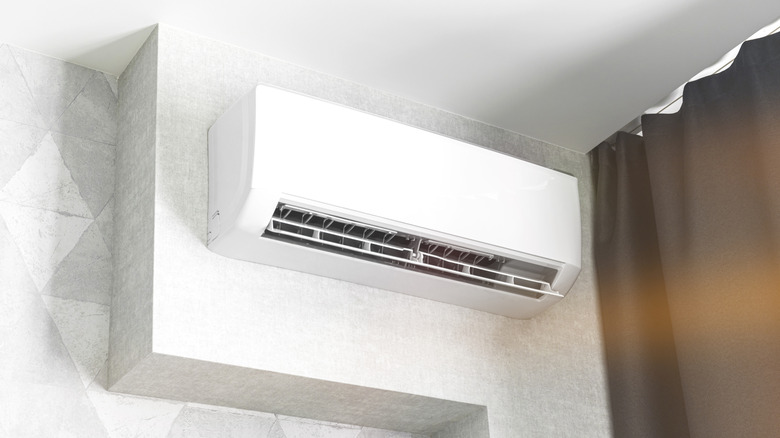
The introduction of inverter-driven, ductless mini splits revolutionized this dynamic. By utilizing a variable-speed compressor, these units can modulate their power consumption to match the specific thermal demand of a room. In a real-world scenario, this means that a 12,000-BTU unit—equivalent to one ton of cooling capacity—rarely runs at its peak electrical draw. Instead, once the desired temperature is achieved, the unit throttles down, maintaining comfort with a significantly lower average wattage. This modulation is the key to sizing a solar array, as it allows for a much smaller and more affordable system than would be required for a conventional, non-inverter central unit.
Calculating the Energy Demand: A Technical Breakdown
Determining the number of solar panels required for a mini split begins with a rigorous assessment of the appliance’s electrical appetite. Homeowners should first consult the data plate located on the outdoor condenser unit. This label provides the "Rated Input" or "W" (wattage). It is crucial to distinguish between the maximum startup surge and the sustained running wattage.
If a unit is rated at a maximum of 1,500 watts, it is rarely drawing that amount continuously. By applying an average load factor—typically between 0.6 and 0.8 depending on local climate—one can estimate the daily consumption. For example, a 12,000-BTU system operating for eight hours a day at an average draw of 900 watts results in a daily consumption of approximately 7.2 kilowatt-hours (kWh).
This calculation is the cornerstone of any solar sizing project. When projecting energy requirements, homeowners must also account for seasonal variability. A system that runs for six hours during a mild spring day will require significantly more power during a mid-summer heatwave, where the compressor may run for 14 or more hours. A conservative design approach suggests sizing for the "worst-case" scenario to ensure the system remains grid-independent during peak demand periods.
Sizing the Solar Array: Practical Assumptions and Constraints
Once the daily kWh requirement is established, the transition to physical hardware begins. A standard residential solar panel in the current market produces between 370 and 400 watts under optimal testing conditions. However, "nameplate" capacity rarely translates to real-world performance due to variables such as roof tilt, orientation, local weather patterns, and the efficiency of the inverter.
In a typical U.S. climate, a 400-watt panel can be expected to generate between 1.5 and 2.0 kWh per day. In regions with high solar irradiance, such as the American Southwest, this figure may climb toward 2.2 kWh. Conversely, in the Pacific Northwest or the Northeast, a safer estimate is 1.3 to 1.6 kWh per day. By dividing the daily consumption (e.g., 7.2 kWh) by the expected daily output per panel (e.g., 1.6 kWh), the math dictates a requirement of approximately 4.5 panels. In professional practice, this is rounded up to five or six panels to account for cloudy days, system degradation over time, and the inevitable inefficiency of energy conversion.
Chronology of Residential Solar Adoption
The surge in demand for solar-integrated HVAC systems is not accidental; it is the result of nearly two decades of policy and technological maturation.
- 2006–2010: The early adoption phase, characterized by high equipment costs and heavy reliance on state-level subsidies. During this period, solar was a luxury for high-net-worth households.
- 2011–2018: A period of massive scale and price reduction. The widespread availability of high-efficiency mini splits began to gain traction, and the cost of photovoltaic panels dropped by over 70%, making the "solar + mini split" combination economically viable for the middle class.
- 2019–Present: The era of the "all-electric home." With federal incentives like the Investment Tax Credit (ITC) providing significant relief, homeowners are increasingly viewing solar arrays as a standard infrastructure upgrade rather than a boutique energy experiment.
Economic Implications and Official Perspectives
Industry analysts and energy researchers have noted that the integration of mini splits with solar energy represents one of the most effective ways to lower household utility costs over the long term. According to data from the U.S. Department of Energy, homes that successfully transition to heat-pump-based climate control can see a reduction in HVAC-related energy costs by as much as 30% to 50%.
When these savings are combined with the long-term ROI of a solar installation—which typically pays for itself within seven to ten years—the financial argument becomes compelling. Furthermore, utility companies and grid operators are increasingly supportive of this shift. By reducing the "peak load" on the electrical grid during the hottest parts of the day—when air conditioners are most active—decentralized solar-powered cooling helps stabilize the regional energy infrastructure.
Strategic Considerations for Homeowners
While the math provided above offers a reliable baseline, homeowners should remain cognizant of several critical factors that can impact the success of a solar installation:
- Roof Geometry and Shading: No matter how many panels are purchased, they will only produce as much energy as the sun allows. Shading from trees, chimneys, or neighboring buildings can drastically reduce output. A professional solar site assessment is mandatory before finalizing any equipment purchases.
- Energy Storage: The decision to include a battery storage system (such as a Tesla Powerwall or similar) will dictate how the mini split performs at night. Without a battery, the system must rely on net metering, where energy is sent to the grid during the day and pulled back at night.
- Climate-Specific Sizing: In climates with extreme temperature swings, it is advisable to add a 20% "buffer" to the array size. This ensures that the system can handle the increased workload of a record-breaking heatwave or an unusually cold winter snap.
- Regulatory Hurdles: Before installing, homeowners must confirm local building codes and HOA regulations. Some jurisdictions have specific requirements regarding the placement of both the condenser units and the solar arrays themselves.
Broader Impact and Future Outlook
The shift toward self-sustaining cooling systems is part of a larger trend toward domestic energy autonomy. As grid instability becomes a more frequent concern in many regions, the ability to operate critical home systems—like cooling—independent of the central utility is an increasingly attractive prospect.
Furthermore, the environmental impact of this shift is profound. By decoupling residential climate control from fossil-fuel-dependent power plants, homeowners are directly contributing to a reduction in carbon emissions. As battery technology continues to advance and the price of high-efficiency mini splits remains competitive, the synergy between solar and heat-pump technology will likely become the standard for new home construction and major retrofits alike.
Ultimately, while the math of power consumption versus solar generation provides the technical foundation, the success of such a project relies on careful planning, professional installation, and a realistic understanding of local environmental conditions. By approaching the transition with these data-driven insights, homeowners can enjoy a comfortable, cost-effective, and environmentally responsible climate control solution for decades to come.