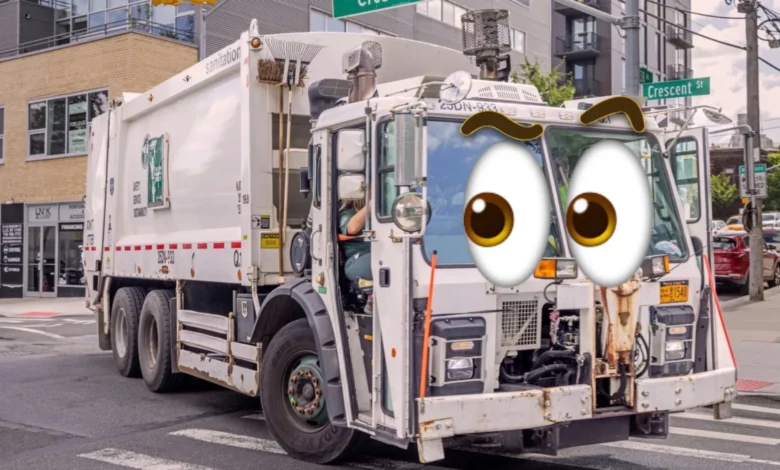
This technology, which utilizes proprietary software known as PASS AI, continuously captures imagery of residential streetscapes as vehicles follow their designated routes. The software is designed to instantly scan for and identify common code violations, including overgrown grass, scattered debris, graffiti, and more severe structural concerns like roof failures. Once a potential violation is flagged, the system assigns a "Blight Score" ranging from 1 to 4, based on the severity of the condition. These data points are then transmitted to human city officials who perform a final review before deciding whether to issue a "courtesy notice" or a formal fine to the property owner.
The implementation of this technology represents a significant shift in how municipalities manage neighborhood standards. Historically, code enforcement relied upon a reactive, complaint-based model. Residents would file 311 reports regarding a neighbor’s neglected lawn, prompting a manual site visit from a city inspector. This process was often slow, inefficient, and prone to inconsistent enforcement. City Detect argues that its automated solution empowers local governments to transition to a proactive stance, identifying and addressing issues before they escalate into larger community problems.
A Chronology of Automated Enforcement
The rise of AI-assisted urban management has been swift, gaining momentum over the past three years. City Detect was founded in 2021, and its service model quickly caught the attention of local governments struggling with limited staffing and mounting administrative backlogs.
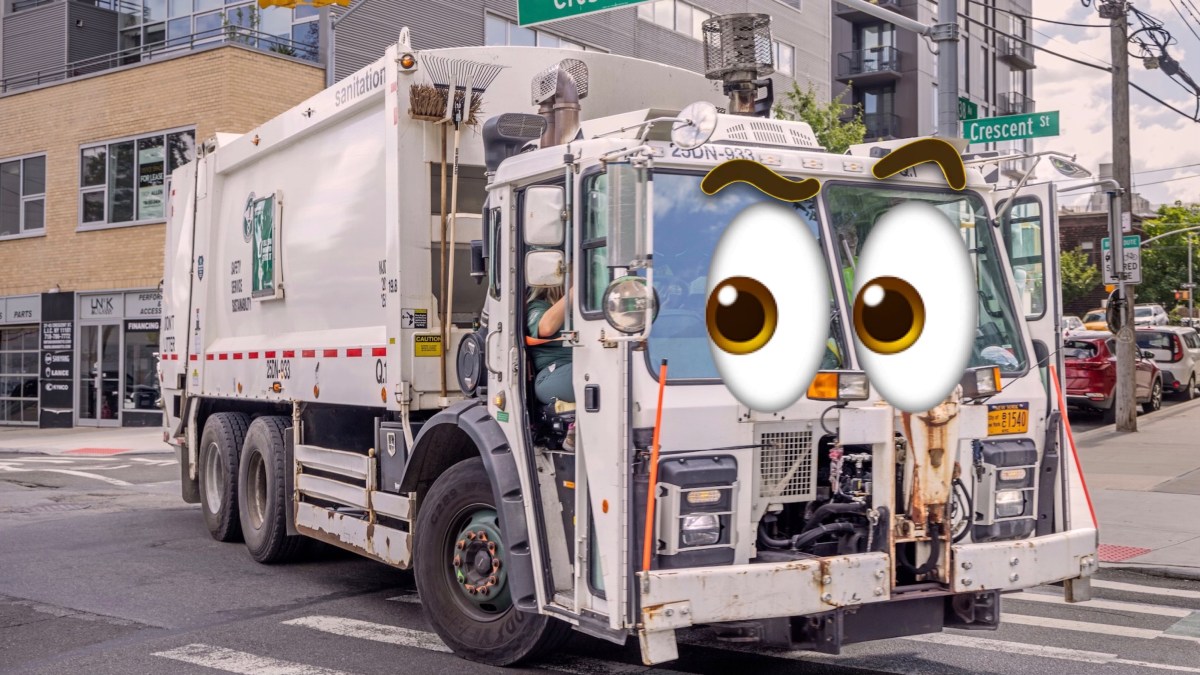
In April 2026, the City of Dallas initiated a pilot program, equipping sanitation trucks with the technology. According to recent public records, the system analyzed over 21,000 properties in a relatively short period, identifying thousands of potential violations. The speed of this deployment reflects a broader national trend: cities are increasingly looking to technology as a cost-effective alternative to hiring additional human personnel.
However, the rapid rollout has not been without friction. In 2025, the city of Huntsville, Alabama, faced significant public outcry when plans to install these cameras were announced. Following a wave of community protests citing privacy concerns and fears of predatory fining, the city administration temporarily shelved the project. This incident underscored a growing tension between technological efficiency and the public’s expectation of privacy within their own neighborhoods.
Data-Driven Insights and Disparities
The reliance on automated detection has raised questions regarding the equitable distribution of enforcement. An analysis of data from the Dallas pilot program suggests that "Blight Scores" are not evenly distributed across the city. When local news outlets mapped the locations of identified code violations, they discovered a high concentration of flags in neighborhoods with lower average incomes.
Critics argue that this creates an inherent bias in enforcement. Residents in economically disadvantaged areas may lack the financial resources or physical ability to maintain their properties to the standard expected by the city’s algorithms. For these homeowners, a "courtesy notice" followed by a potential fine is not merely a nudge toward home improvement—it is an economic burden. In some cases, the cost of rectifying a violation, such as repairing a roof or clearing heavy debris, far exceeds the capacity of the resident, potentially leading to a cycle of debt and displacement.
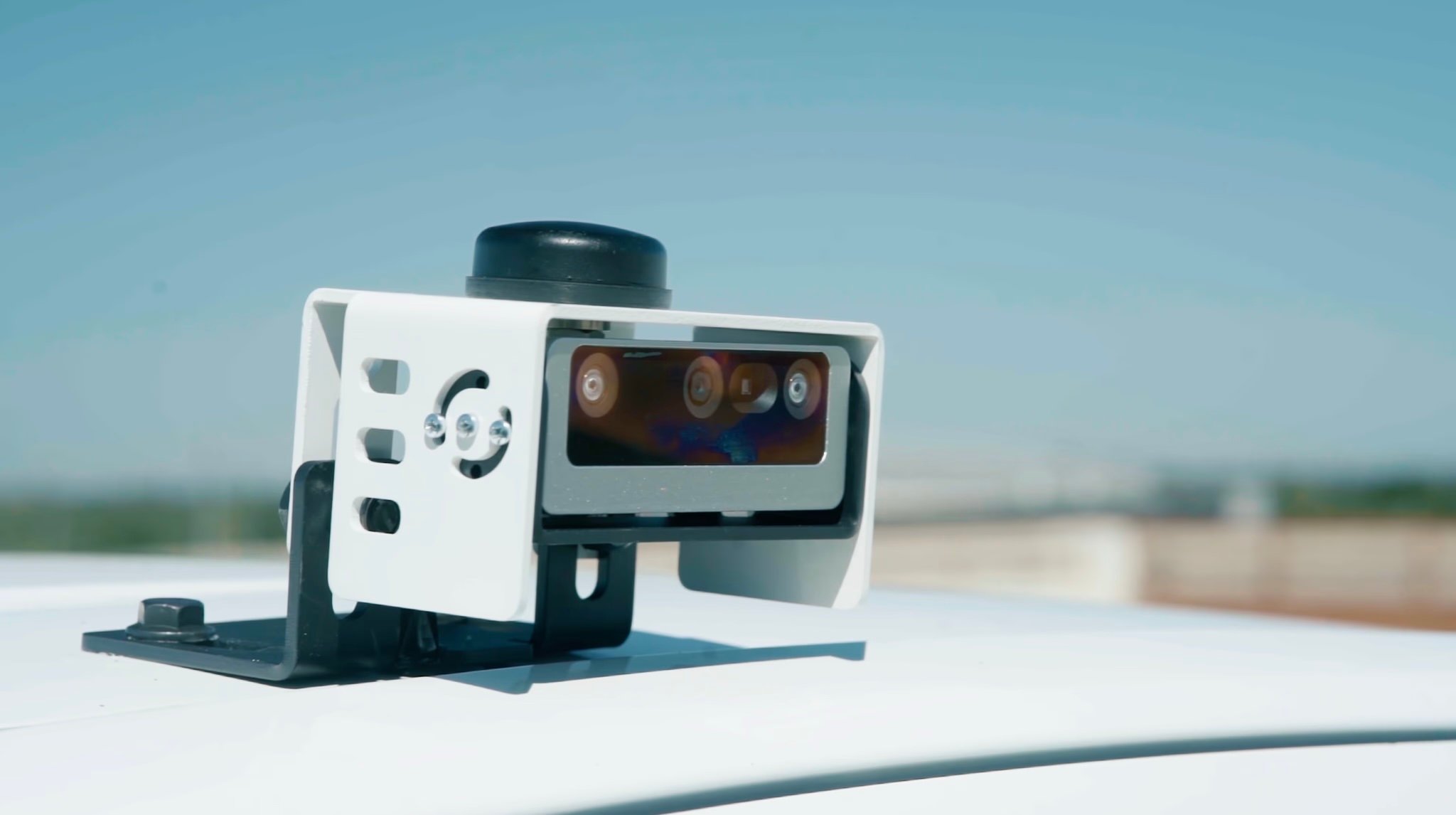
City Detect maintains that its role is strictly supportive. The company emphasizes that it does not issue fines itself; it merely provides the raw data that allows human reviewers to prioritize their workload. Furthermore, the company claims to take privacy seriously, employing automated blurring technology to obscure the faces of pedestrians and the license plates of vehicles in all captured images. They also state that their system is disconnected from law enforcement databases, aiming to assuage fears that the data could be used for criminal surveillance.
The Broader Ecosystem of Smart-City Surveillance
The "garbage truck tattletale" phenomenon is just one component of a wider expansion of AI in municipal governance. This trend is mirrored in cities like Los Angeles and Austin, where automated cameras on public transit and school buses are now used to enforce traffic laws. Albuquerque has deployed solar-powered "SafetySticks" to monitor bike and bus lanes, automatically generating traffic tickets for violators.
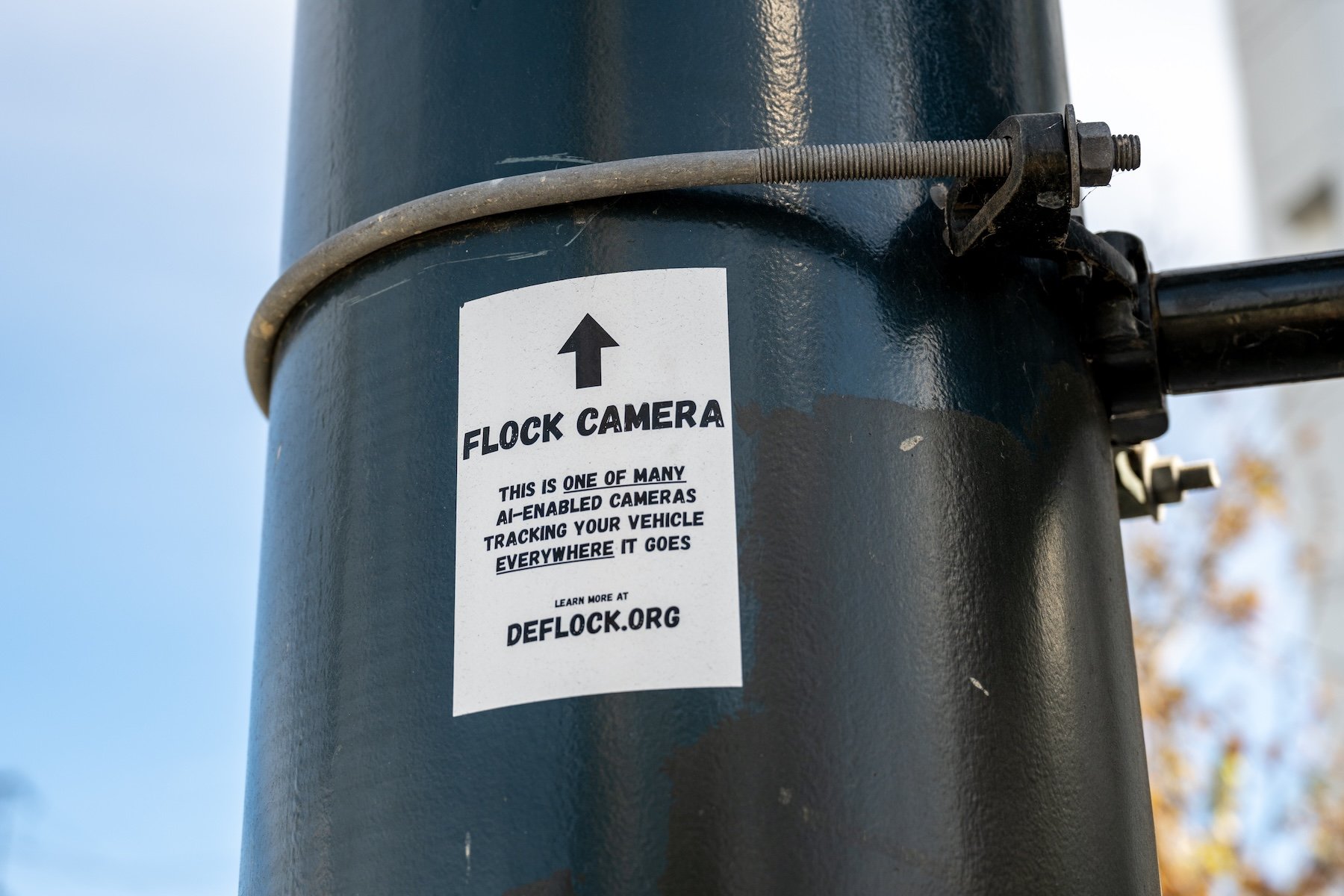
These initiatives are part of the "Smart City" movement, which aims to optimize urban services through the Internet of Things (IoT) and artificial intelligence. However, as the presence of these sensors increases, so does the level of public scrutiny. The widespread deployment of Flock Safety’s automated license plate readers (ALPRs) has faced a massive wave of local backlash. According to data from the advocacy group Secure Justice, at least 214 cities and counties have terminated their contracts with Flock since 2021, with 90 of those cancellations occurring in August 2026 alone.
The surge in contract terminations is linked to reports of misuse. In several instances, law enforcement agencies were found using ALPR data to track individuals in ways that exceeded the scope of their original agreements. These incidents have fueled a nationwide debate over the necessity and the risks of constant surveillance in public spaces.

Public Sentiment and the Future of Governance
The skepticism regarding AI in government is supported by broader public opinion data. A 2026 Pew Research survey found that 40 percent of U.S. adults believe the impact of AI on society will be more negative than positive, with only 16 percent holding a positive view. This growing distrust is forcing city councils to reconsider the optics and the ethics of their tech investments.
In Dallas, City Council member Chad West recently proposed a budget amendment to halt funding for the sanitation camera program. While the amendment was later withdrawn, West’s public comments highlighted the core dilemma: "I have serious concerns about the Code AI cameras on City sanitation trucks, due to privacy issues and the unintentional burden this might place on our most vulnerable residents. I support technology, but we need to ensure that the benefits outweigh concerns."
This sentiment is echoed by privacy advocates who argue that the "passive" nature of these cameras is deceptive. While the cameras may be mounted on public vehicles, they are essentially peering into the private domain of the home. The aggregation of this visual data over time creates a digital map of a resident’s life—a level of oversight that many argue is unprecedented and potentially unconstitutional.
Analysis of Implications
The implications for municipal policy are profound. As cities move toward increasingly automated systems, they risk distancing themselves from the communities they serve. When an algorithm determines a home is "blighted," the human connection between a city inspector and a resident is lost. There is no opportunity for a conversation about the challenges a resident might be facing, or the provision of resources to help them meet city standards. Instead, the interaction becomes transactional, clinical, and potentially punitive.
Furthermore, the "black box" nature of these AI systems poses a challenge to transparency. While the city may claim that a human reviewer signs off on every violation, the reality is that the reviewer is often acting on the "recommendation" of an algorithm they may not fully understand. If the AI is trained on data that is inherently biased—such as focusing more heavily on aesthetic issues in lower-income areas—the resulting enforcement will reflect those biases, regardless of the stated intent.
As we look toward the future of municipal governance, the case of the camera-equipped garbage truck serves as a critical test case. It raises the fundamental question of whether the efficiency gains promised by AI are worth the erosion of the "neighborhood feel" and the potential for increased inequality. For now, the push and pull between technological innovation and public privacy remains unresolved, with many cities caught in the middle of a national debate that is far from over.
The long-term viability of these programs will likely depend on the willingness of local governments to implement strict oversight, clear data-retention policies, and transparent appeals processes. Without these guardrails, the risk of public backlash may outweigh the administrative benefits, leaving cities with expensive technology that does more to fracture community trust than to clean up the streets. The balance between maintaining an orderly city and protecting the privacy of its residents is a delicate one, and the current experiment with garbage truck surveillance suggests that the path forward will require significantly more scrutiny than it has received to date.
Related posts: