Unauthorized Classic Game Remakes Flood Roblox Platform Raising Copyright and Moderation Concerns

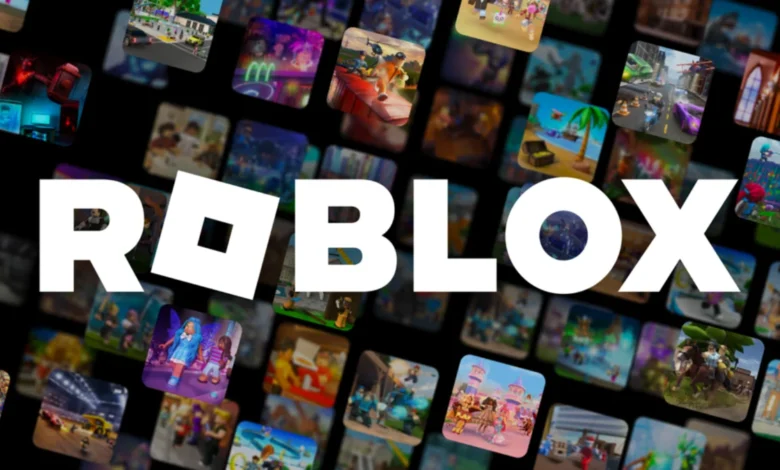
The digital landscape of user-generated gaming platforms has long existed in a delicate legal and creative gray area, but a recent surge of direct, high-fidelity clones on Roblox has brought intellectual property concerns to an unprecedented height. Over the past several weeks, independent analysis has revealed that meticulously detailed remakes and direct ports of critically acclaimed, commercially protected video games—including Valve’s tactical shooter Counter-Strike, Vivendi Universal’s beloved open-world classic The Simpsons: Hit and Run, and indie darling Superhot—are readily accessible to Roblox’s massive, predominantly younger demographic.
Unlike traditional fan tributes or spiritually inspired titles that have long populated the platform, these new entries are not merely homages. They are functionally identical adaptations uploaded without the authorization, knowledge, or involvement of the original rights holders. This phenomenon highlights a persistent and growing challenge for platform moderation, copyright enforcement, and the protection of intellectual property within the booming metaverse ecosystem.
The Scope of Unauthorized Ports: From Counter-Strike to PlayStation Emulation
The scale of these unauthorized projects goes beyond simple asset-flipping or rudimentary pixel art imitations. Users navigating the Roblox platform can now encounter fully playable experiences that replicate entire user interfaces, core mechanics, and proprietary game loops of multi-million-dollar industry franchises.

Among the most prominent examples is a creation by Roblox user Takeoff Interactive, billed in its description as a "passion project inspired by Counter-Strike." Despite its humble disclaimer and lack of direct monetization—such as microtransactions or paid access—the experience functions as a near-1:1 replica of Valve’s legendary tactical shooter. Players spawn into familiar rounds featuring the classic bomb-defusion game mode, navigating competitive layouts where two teams contend for designated bomb sites. While subtle compromises exist—such as minor audio discrepancies, simplified smoke grenade physics, and the occasional erratic behavior from programmed artificial intelligence bots—the overall look, feel, and tactical pacing mirror Valve’s proprietary engine mechanics.
Even more ambitious is an experience developed by user Redwing Works, titled the PlayStation Experience. This creation simulates a fully operational PlayStation 4 dashboard complete with a working media gallery, an integrated web browser, a functional server-based chat system, and a trophy notification framework. Within this virtual dashboard, players can access seven distinct, playable titles: Cluster Truck, Gang Beasts, Five Nights at Freddy’s, Undertale, PaRappaTheRapper, Superhot, and The Simpsons: Hit and Run.

Testing of The Simpsons: Hit and Run within the Roblox environment revealed a remarkably faithful reconstruction of the open-world driving game originally published by Vivendi Universal and developed by Radical Entertainment. Players can pilot vehicles through a virtual recreation of Springfield, complete with vehicular mayhem and mission objectives, albeit accompanied by navigational pathfinding quirks. Similarly, the Roblox adaptation of Superhot captures the core time-moving-only-when-you-move mechanic that defined the original indie phenomenon, despite offering a less visually polished presentation than the proprietary build.
Historical Context: The Evolution of Inspiration Versus Infringement
The boundary between creative inspiration and outright copyright infringement has historically been porous within user-generated content (UGC) ecosystems. Since its inception, Roblox has fostered an environment where aspiring developers learn the craft by recreating mechanics, maps, and concepts from traditional gaming history.

In previous years, derivative works typically operated under a veil of abstraction. Titles such as Counter Blox utilized Roblox’s proprietary asset library and modified character models to deliver a tactical first-person shooter experience reminiscent of Counter-Strike without directly copying code, geometry, or branding. Similarly, Arsenal drew heavy inspiration from Counter-Strike’s popular "Gun Game" mode, encouraging fast-paced weapon progression upon each elimination while maintaining an entirely distinct artistic identity and original asset pipeline.
However, the current wave of uploads represents a distinct escalation. Rather than building inspired variants using platform-native tools and original artistic assets, creators are increasingly importing high-fidelity geometries, textures, and UI designs that closely mimic—and in some cases directly extract from—proprietary software. This shift has exacerbated tensions between original game developers, who view the trend as digital piracy masked by user-generated novelty, and platform administrators tasked with policing millions of concurrent daily uploads.

Industry Backlash and Growing Frustration Among Creators
The proliferation of unauthorized clones on Roblox has not gone unnoticed by the broader game development community. Independent and AAA studios alike are increasingly vocal about the financial and moral implications of having their intellectual property replicated on platforms boasting hundreds of millions of active users, often without receiving attribution, compensation, or control over how their brands are represented.
The friction reached a notable boiling point recently when the developers of the indie hit Peak issued a scathing public statement regarding unauthorized adaptations on Roblox. The studio explicitly urged players to pirate their commercial release rather than engage with what they characterized as "microtransaction-riddled ripoff slop" hosted within the Roblox ecosystem.

This sentiment reflects a broader industry anxiety. While platforms like Roblox offer unparalleled reach and powerful development tools, original creators argue that unverified clones dilute brand value, confuse consumers regarding official product availability, and normalize the unauthorized redistribution of proprietary digital art. Furthermore, when these clones include microtransactions or drive platform engagement metrics that financially reward the uploaders through Roblox’s developer exchange (DevEx) program, the line between harmless fan homage and commercial copyright infringement becomes legally precarious.
Platform Moderation and the Enforcement Challenge
As the world’s leading metaverse platform for younger audiences, Roblox relies heavily on automated detection algorithms alongside community reporting tools to manage its staggering volume of user-generated experiences. However, identifying and removing copyright-infringing content in a timely manner remains a formidable operational hurdle.

Because Roblox experiences are assembled using Lua scripting and custom-imported assets, infringing material can often evade automated keyword filters, particularly if titles and descriptions use vague terminology or disclaimers labeling the project as a "passion project" or "parody." Rights holders are typically required to issue formal Digital Millennium Copyright Act (DMCA) takedown notices to compel the removal of unauthorized properties.
In response to inquiries regarding the recent influx of high-profile game remakes, media outlets have reached out to major industry stakeholders, including Sony Interactive Entertainment, Activision, and Valve, alongside Roblox’s corporate communications division, seeking clarification on enforcement protocols and impending policy updates regarding intellectual property protection on the platform. As of press time, official statements from the respective publishers remain pending.

Broader Implications and Future Outlook
The current situation involving Counter-Strike, The Simpsons: Hit and Run, and Superhot on Roblox underscores a critical juncture for the future of interactive entertainment and digital property rights. As cloud rendering, cross-platform compatibility, and user-creation tools become increasingly sophisticated, the technical barriers to replicating complex commercial software within sandbox environments continue to drop.
For platform operators like Roblox, striking a sustainable balance between empowering a vibrant, creative developer community and respecting the intellectual property rights of external game publishers will be paramount. Without robust, proactive moderation and more stringent asset-verification frameworks, platforms risk alienating the very industry whose foundational works inspire the next generation of digital creators.

Until formal resolutions or sweeping policy changes are implemented, unauthorized remakes will likely remain a persistent fixture of the metaverse—serving as both a testament to the technical capability of modern UGC platforms and a stark reminder of the ongoing challenges facing digital copyright law in the twenty-first century.