Maintaining a pristine lawn is more than a matter of aesthetic pride; it is a complex horticultural practice that relies heavily on the mechanical precision of your equipment. A common point of debate among homeowners and groundskeeping professionals is the optimal timing for sharpening lawn mower blades. While many advocate for the seasonal convenience of a spring tune-up or a fall winterization routine, the technical reality is that blade sharpness should be dictated by the physical state of the cutting edge and the health of the turfgrass, rather than a calendar date.
The Science of the Cut: Why Sharpness Matters
The health of a lawn is fundamentally tied to the quality of the cut. When a mower blade is sharp, it performs a clean, shearing action, similar to a pair of professional-grade scissors cutting through fabric. This clean cut minimizes the surface area of the wound on the grass blade, allowing it to seal and recover rapidly.
Conversely, when a blade becomes dull—often due to contact with rocks, tree roots, or debris—it loses its ability to slice cleanly. Instead, a dull blade acts like a blunt instrument, tearing and shredding the grass tissue. This process, known as "bruising," leaves behind jagged, frayed tips that quickly turn brown or white as the tissue dies. Beyond the immediate visual impact of a discolored lawn, the shredded tips serve as an open invitation for fungal infections and pathogens to enter the plant. Furthermore, a torn leaf requires the plant to expend significantly more energy to heal, diverting resources away from root development and drought resistance. Over time, this cumulative stress can thin the turf, allowing invasive weeds to outcompete the desired grass species.
Establishing a Maintenance Chronology
While the seasonal approach—sharpening in the spring before the first mow or in the fall before storage—provides a structured framework for maintenance, it often fails to account for usage intensity. The standard recommendation for residential mowers is to sharpen or replace blades annually based on "normal" use, which typically implies a standard suburban lawn mowed on a weekly basis during the growing season.
However, this timeline is highly subjective. A more accurate, data-driven approach involves a systematic inspection protocol:
- The Post-Fuel Cycle Inspection: For owners of gas-powered mowers, a practical rule of thumb is to perform a blade inspection every time the engine has consumed a full tank of fuel. This allows the operator to identify chips or dulling before the damage to the lawn becomes widespread.
- The "Check-Before-Mow" Standard: Regardless of the season, a quick visual inspection of the blade’s leading edge should be a prerequisite to any mowing task. If the blade exhibits nicks, rounded edges, or visible metal burrs, the efficiency of the cut is already compromised.
- End-of-Season Preparation: Sharpening in late autumn is highly recommended for equipment longevity. Storing a mower with dull or damaged blades can lead to rust and corrosion if the protective coating of the metal has been compromised by rocks or debris during the final mows of the year. Ensuring the blade is clean and sharp before the winter dormancy period guarantees that the machine is ready for the high-growth demands of the following spring.
Supporting Data and Equipment Variables
The frequency of sharpening is also heavily dependent on the specific type of equipment and the nature of the terrain. Research into small engine maintenance suggests that mowers operating in sandy soil conditions experience blade degradation at a rate nearly 30% faster than those operating in clay-based or loam-based soils. The abrasive nature of sand particles, which are often picked up by the air-flow generated by the mower deck, acts as a constant sandblasting agent against the metal, rounding the cutting edge prematurely.
Furthermore, the type of grass species plays a role. Warm-season grasses, such as Bermuda or St. Augustine, often have higher silica content, which acts as a natural abrasive. Keeping these grasses trimmed requires a consistently sharper edge than cool-season grasses like Kentucky Bluegrass or Fescue.
When considering the equipment itself, homeowners should be aware of the mechanical differences between various mowing platforms. Zero-turn mowers, while efficient, often operate at higher blade tip speeds than standard walk-behind mowers. This increased velocity means that any imperfection in the blade is magnified, leading to a poorer quality of cut compared to a standard mower with the same level of blade dullness.
Assessing the Signs of a Dull Blade
A professional groundskeeper does not wait for a calendar reminder; they look for the "symptoms" of a mower in need of service. These symptoms include:
- Discoloration: The appearance of a "whitish" or "silver" cast across the lawn immediately following a mow is a classic indicator that the blades are tearing the grass rather than cutting it.
- Uneven Height: If the lawn appears patchy despite a consistent deck height setting, the blades may be uneven or vibrating due to an imbalance caused by uneven wear.
- Increased Fuel Consumption: A dull blade requires the engine to work harder to overcome the resistance of tearing through the grass. If a mower seems to be burning through fuel faster than usual, or if the engine sounds like it is struggling or "bogging down" in moderate grass, the blade sharpness should be the first item to investigate.
Broader Implications for Property Value and Health
The maintenance of lawn equipment has a direct correlation to property value and curb appeal. A healthy, thick lawn is a significant component of home value, providing soil stabilization, cooling effects, and aesthetic consistency. By shifting the perspective on blade maintenance from a "seasonal chore" to a "performance-based necessity," homeowners can significantly extend the lifespan of their equipment and improve the overall vitality of their landscape.
For those in the market for new equipment, the choice of brand and design—whether a zero-turn, riding mower, or a high-end walk-behind—should be paired with a commitment to maintenance. Understanding the nuances of blade geometry and the importance of proper balance after sharpening is just as critical as the sharpening process itself. An unbalanced blade can cause excessive vibration, which, over time, damages the mower’s crankshaft and deck bearings, leading to costly mechanical failures that far exceed the cost of professional blade sharpening or replacement.
Conclusion
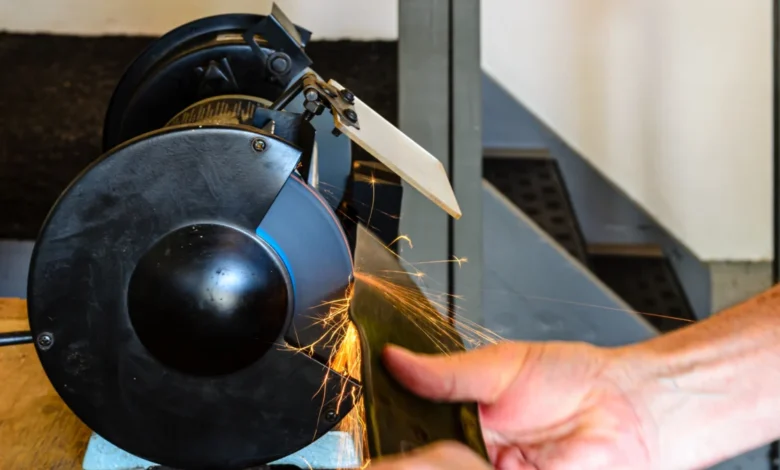
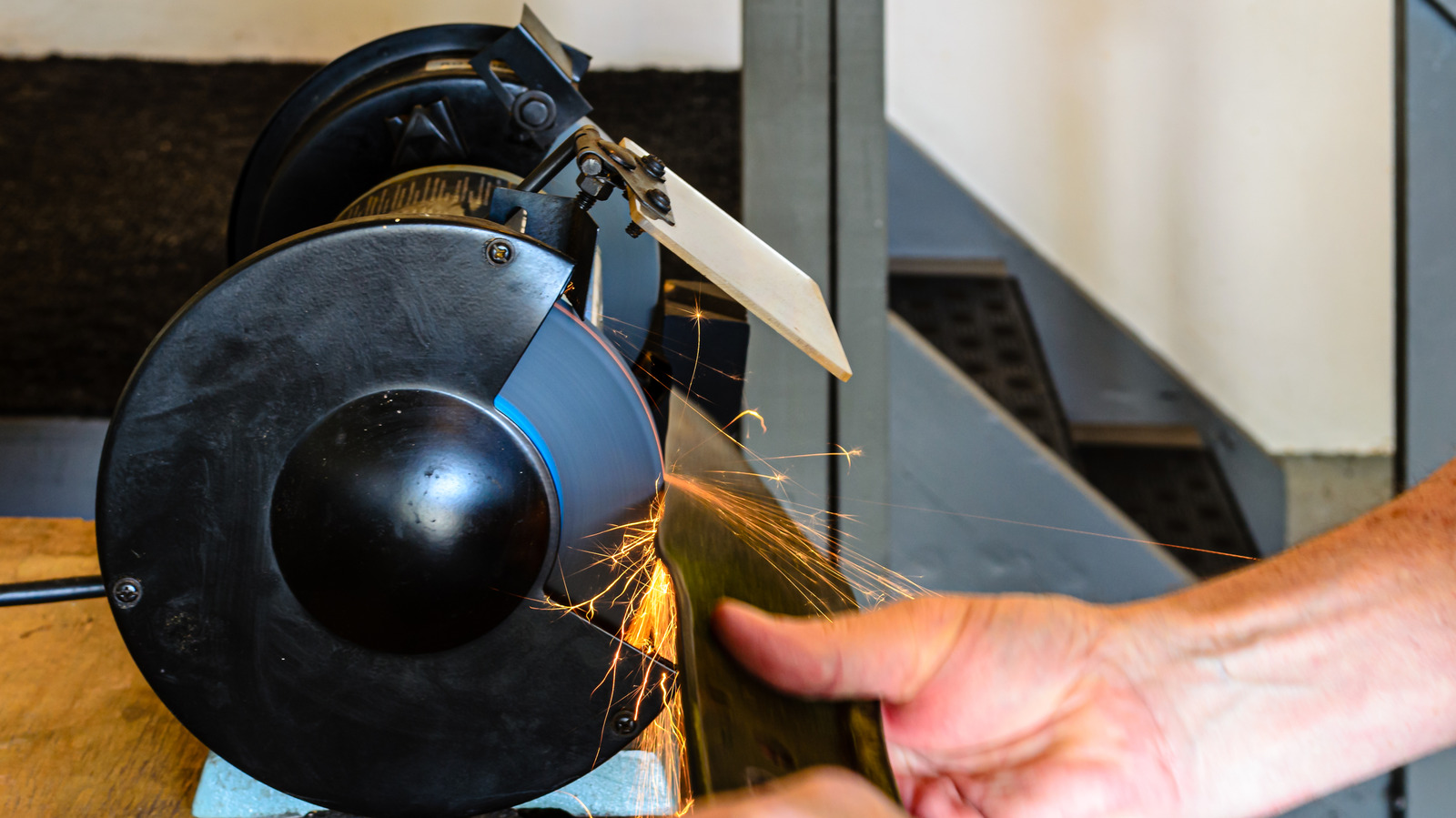
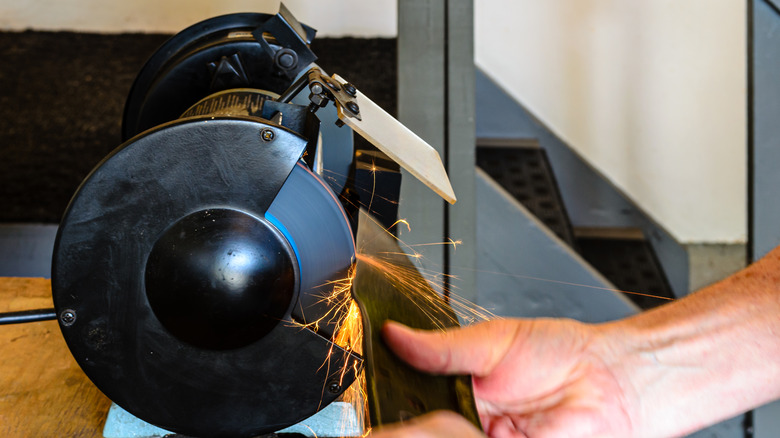
Ultimately, the best time to sharpen your lawn mower blades is whenever the quality of your cut diminishes. While spring and fall offer convenient windows to address equipment maintenance, they should be viewed as minimums rather than maximums. By observing the physical condition of your grass and the mechanical performance of your mower, you can ensure that your lawn remains a healthy, vibrant asset. Whether you sharpen the blades yourself using a bench grinder or file, or choose to enlist the services of a professional shop, the objective remains the same: a clean, efficient cut that supports the long-term health of your property. Adopting a proactive stance toward this essential task is the hallmark of effective landscape management, ensuring that your equipment is always ready to meet the demands of the growing season.
Related posts: