Honor 700 Series Teased With Innovative Rear Display and Advanced Health Tracking Features Ahead of China Launch

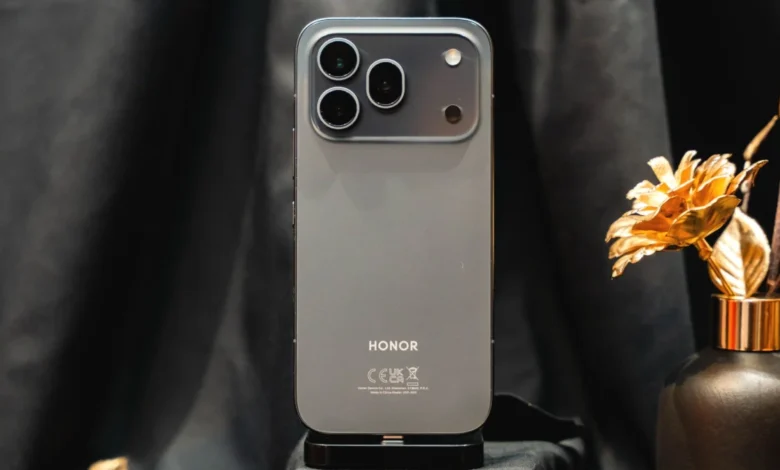
Honor is rapidly expanding its smartphone portfolio with the upcoming announcement of the Honor 700 series, scheduled to debut officially on November 13 in China. Industry insiders and leaks originating from prominent tipsters on Weibo, including Digital Chat Station, have provided early glimpses into the design and hardware capabilities of the forthcoming lineup. While brands such as Xiaomi have previously experimented with secondary rear displays on flagship devices like the 17 Pro and 18 Pro series, Honor is introducing its own iteration to the mid-range segment, pairing the compact rear screen with unexpected health-monitoring functionalities.
As consumer demand shifts toward versatile device design and integrated wellness tracking, the Honor 700 series aims to bridge the gap between traditional smartphones and wearable technology. With confirmed configurations set to span three distinct models—the base Honor 700, the Honor 700 Pro, and the Honor 700S—the lineup follows an accelerated product release cycle that succeeds the April launch of the Honor 600 series.
Chronology of the Honor Numerical Series
The accelerated release cadence of Honor’s numerical smartphone family highlights the brand’s aggressive strategy to capture market share in fiercely competitive sectors. In April, Honor introduced the Honor 600 series to global and domestic markets, focusing on AI-driven software enhancements and high-resolution camera hardware. The previous generation established a baseline for the brand’s mid-to-high-tier offerings, featuring a 200-megapixel primary camera sensor paired with a 12-megapixel ultrawide lens across the standard and Pro variants, while the Pro model incorporated a dedicated 50-megapixel telephoto lens.
Following that spring release, supply chain reports and regulatory filings began indicating a swift follow-up. By early November, promotional teasers and leaks began circulating across Chinese social media platforms. These previews culminated in official teasers released by Honor, confirming the existence of the 700 series and narrowing the official unveiling window to mid-November. This swift turnaround reflects a broader industry trend where manufacturers compress product life cycles to maintain continuous visibility and integrate rapidly evolving mobile processors and sensor technologies.
Hardware Specifications and the Innovative Rear Display
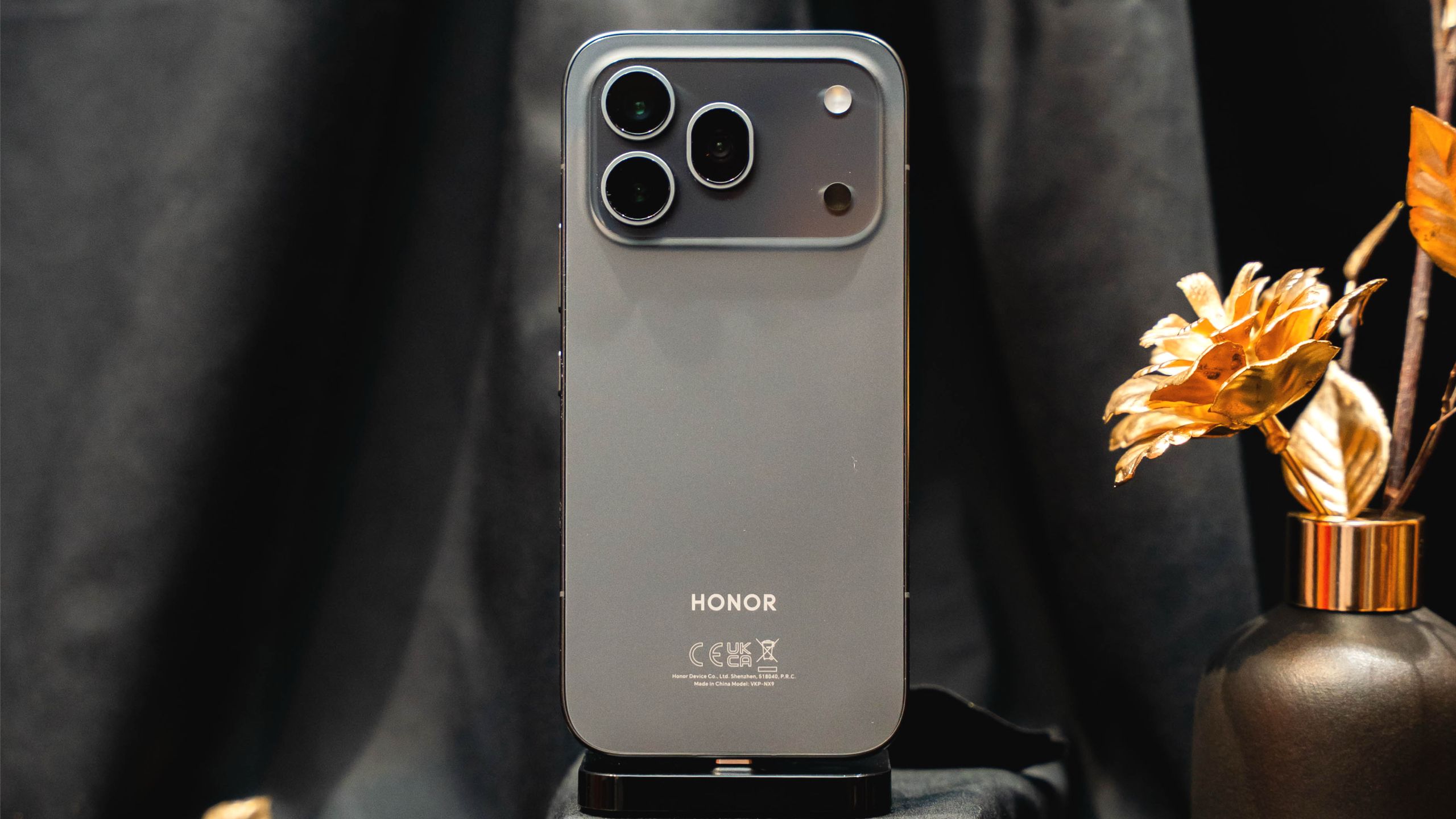
While comprehensive technical datasheets remain unconfirmed pending the official launch event, early reports outline a compelling array of features for the Honor 700 family. The devices are expected to feature compact form factors, highlighted by a 6.5-inch primary display surrounded by ultra-thin bezels.
The standout hardware addition is the integration of a secondary rear-facing screen. Unlike larger implementation variants seen on competing flagships, Honor’s secondary panel is built to be a multi-functional miniature display. According to early promotional material and leaked software interfaces, the rear screen is designed to support dynamic notifications, personalized mini-games, and a suite of utility widgets.
Most notably, teaser imagery indicates that the rear display will support biometric and physiological tracking, specifically measuring a user’s heart rate in beats per minute (BPM) and blood oxygen saturation levels. Industry analysts suggest this functionality may rely on an embedded optical sensor positioned directly beneath or adjacent to the rear screen glass, functioning similarly to the photoplethysmography (PPG) sensors found in modern smartwatches and fitness trackers.
In terms of core processing power, the previous generation utilized top-tier silicon for its Pro variants—such as Qualcomm’s Snapdragon 8 Elite system-on-chip—while employing upper-mid-range alternatives like the Snapdragon 7 Gen 4 for base configurations. Industry observers anticipate a similar tiered approach for the 700 series, balancing processing performance across the three expected models to target distinct price points.
Market Context and Industry Implications
The introduction of health-monitoring sensors onto the exterior housing of a smartphone represents a notable shift in mobile device ergonomics and utility. For years, physiological tracking has been the exclusive domain of dedicated wearables, such as smartwatches and fitness bands. By integrating continuous heart rate and blood oxygen monitoring directly into the smartphone chassis, Honor is exploring new avenues for ambient computing and preventative health diagnostics.
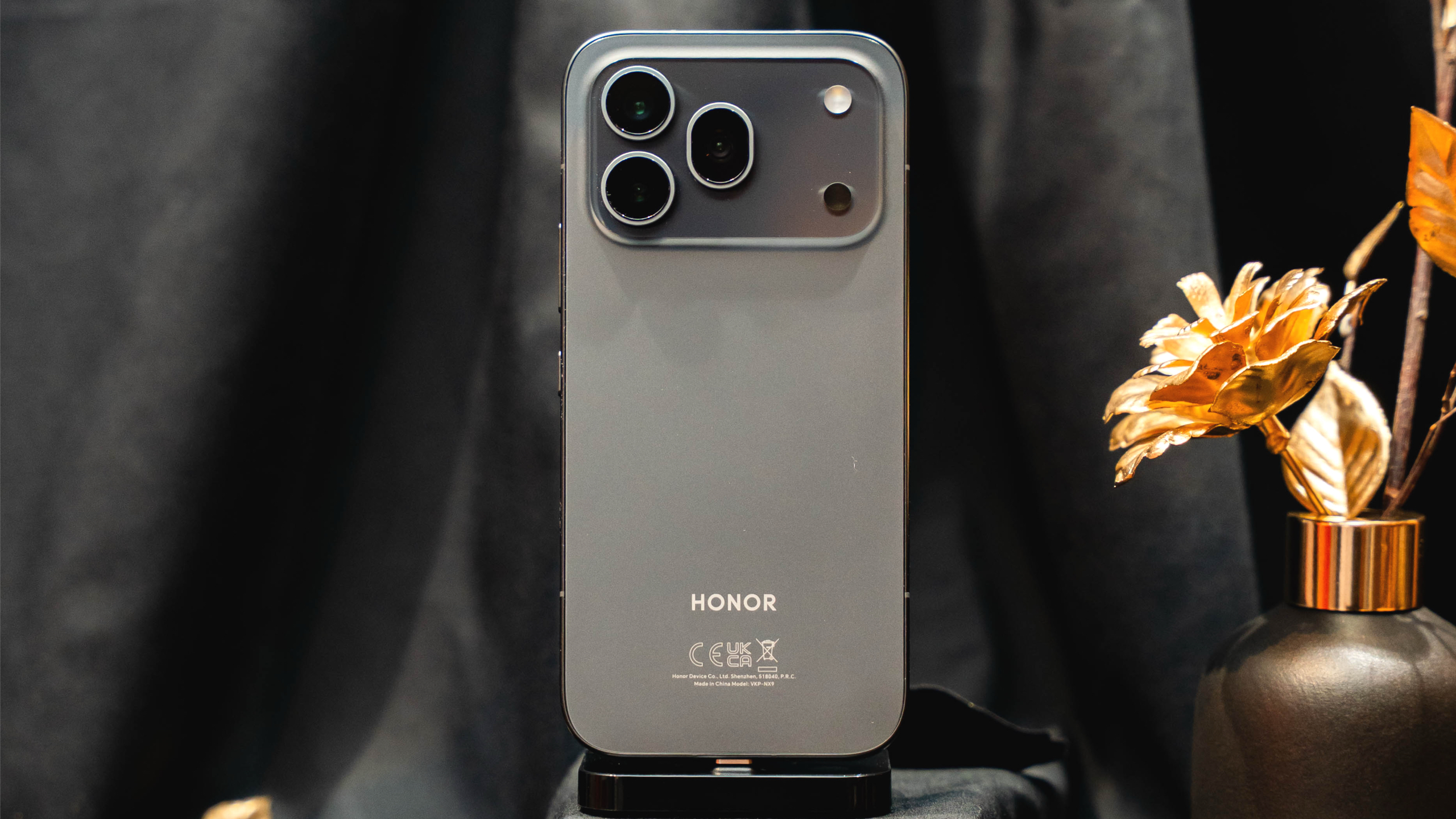
However, the strategy also introduces engineering and commercial challenges. Integrating advanced biometric sensors alongside a secondary display panel requires meticulous thermal management and strict calibration to ensure measurement accuracy, which is subject to medical device standards in various global jurisdictions. Furthermore, the inclusion of such hardware components in a mid-range device family raises questions regarding manufacturing costs.
Global smartphone supply chains have faced continuous pressure regarding memory, storage, and semiconductor pricing fluctuations. Analysts note that maintaining competitive pricing for the Honor 700 series while incorporating premium features like secondary displays and high-resolution 200-megapixel primary camera systems will be critical to the lineup’s commercial viability. If Honor successfully positions these devices within an accessible mid-tier pricing structure, it could compel competing manufacturers to accelerate their own functional innovations for secondary screens and integrated wellness tools.
Anticipation Builds Ahead of the Official Unveiling
As the November 13 launch date approaches, attention remains focused on Honor to clarify the precise hardware architecture, regional availability, and pricing tiers for the 700, 700 Pro, and 700S. While early teasers have successfully generated industry discourse regarding the rear display and health-tracking capabilities, consumers and analysts alike await definitive confirmation on how these features will perform in daily use.
The event will not only validate the technical specifications of the new devices but will also provide clearer insight into Honor’s broader product roadmap as the company navigates an increasingly competitive global smartphone landscape.
Related posts: